
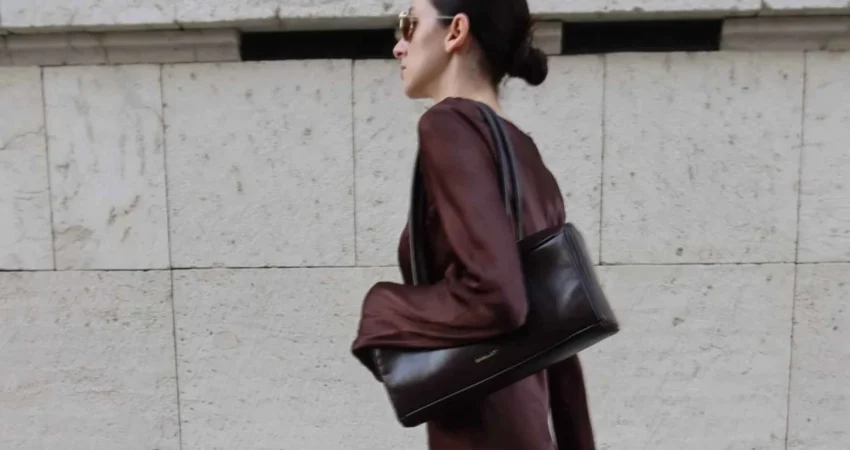
The global fashion landscape has officially transitioned into the Autumn-Winter 2026/27 cycle, marking a definitive shift from the lightweight, breathable textiles of summer to more structured, protective silhouettes designed for the professional environment. As the "return to office" culture stabilizes across European and North American markets, the demand for versatile, high-utility garments has surged, positioning the long-sleeved midi dress as the quintessential "salvavidas" or lifesaver of the modern woman’s wardrobe. Industry analysts note that the current season is defined by a synthesis of comfort and formality, where fabrics such as heavy viscose, wool blends, and recycled polyesters are utilized to provide warmth without sacrificing the fluid movement required for a full day of professional and social engagements.

The Evolution of the Professional Silhouette: From Summer Linen to Winter Structure
The transition from the sweltering heat of August to the crisp, unpredictable mornings of late September and October necessitates a radical change in textile choice. While linen and open-weave cotton dominated the previous quarter, the Autumn-Winter 2026/27 collections are characterized by a move toward "desk-to-dinner" versatility. This trend is driven by a consumer base that increasingly values efficiency; the ability to wear a single ensemble that transitions seamlessly from a high-stakes morning meeting to an evening social event is no longer a luxury but a requirement.
Leading retailers such as Zara, Mango, and Massimo Dutti have responded to this demand by focusing on the "midi" and "maxi" lengths. These silhouettes provide the necessary coverage for dropping temperatures while maintaining a professional aesthetic. The inclusion of long sleeves—ranging from fitted architectural cuts to more relaxed, bohemian styles—reflects a broader industry trend toward "modest chic," which prioritizes sophisticated coverage over the more revealing cuts of the summer months.

Chronology of the Autumn-Winter 2026/27 Retail Launch
The rollout of the current collections followed a strategic timeline designed to capture the "Back to Work" surge in consumer spending:
- February 2026: Major fashion houses debuted the core concepts of the AW 26/27 season during the "Big Four" fashion weeks (New York, London, Milan, and Paris). Key themes identified included asymmetrical necklines, earth-toned palettes, and the resurgence of vintage-inspired prints.
- May – June 2026: High-street retailers began the production phase, adapting runway trends into accessible, mass-market designs. This period saw a significant focus on sourcing sustainable materials, as EU regulations regarding textile waste and transparency became more stringent.
- August 2026: The first "drop" of the autumn collections appeared in flagship stores and online platforms, focusing on transitional pieces like lightweight trench coats and long-sleeved shirtdresses.
- September 2026: Full-scale inventory deployment occurred across Europe. This phase highlighted the specific pieces curated for the professional sector, emphasizing durability and "all-day" comfort.
Detailed Analysis of Key Market Offerings for the Professional Sector
A survey of the current market reveals several standout pieces that define the season’s aesthetic. These garments represent a cross-section of price points and design philosophies, from fast-fashion giants to boutique luxury labels.

The Reinvented Shirtdress: Zara and Mango
Zara has introduced a printed shirtdress with an integrated belt, priced at 45.95 euros. This piece utilizes floral motifs set against a darker, autumnal background to bridge the gap between seasonal aesthetics. The shirtdress remains a staple of professional attire due to its structured collar and adjustable waist, which provides a tailored look for various body types. Similarly, Mango has tapped into nostalgia and playful sophistication with its "Bambi" print shirtdress (39.99 euros), demonstrating that professional wear can incorporate whimsical elements when balanced with a conservative cut.
Architectural Minimalism: Massimo Dutti
For the consumer seeking a more elevated, minimalist aesthetic, Massimo Dutti’s asymmetrical neck dress in fluid brown (129 euros) represents the "Quiet Luxury" movement that continues to influence the 2026/27 season. The use of asymmetry adds a contemporary edge to a classic midi silhouette, making it a preferred choice for executive-level environments where subtle distinction is valued.

Bohemian Professionalism: Antik Batik and Desigual
The season also sees a resurgence of artisanal details. Antik Batik’s embroidered "Penny" dress (475 euros) targets the luxury-lite segment, offering intricate craftsmanship that suggests a move away from disposable fashion toward "investment pieces." Conversely, Desigual has moved toward a more refined brand identity with its scarf-detailed shirtdress (99.95 euros). By integrating a scarf element into the waistline, the brand provides a built-in accessory that simplifies the styling process for the wearer.
Color Trends and Texture: Natura and Surkana
Green and red have emerged as the dominant accent colors for the season. Natura’s ruffled green dress (39.90 euros) aligns with the "biophilic" trend, which incorporates nature-inspired hues into the urban wardrobe. Surkana’s red checkered dress (91.90 euros) utilizes a classic pattern to provide a sense of traditional reliability, a common psychological strategy in fashion during periods of economic or social uncertainty.

Supporting Data: Market Trends in Professional Women’s Wear
Recent retail data from the third quarter of 2026 indicates a significant shift in consumer spending habits within the Eurozone. According to industry reports:
- Growth in Mid-Range Sales: There has been a 12% year-over-year increase in the sale of dresses priced between 80 and 150 euros, suggesting that consumers are willing to spend more for perceived quality and brand prestige.
- Sustainability as a Driver: Approximately 40% of professional women surveyed in major European capitals (Madrid, Paris, Berlin) stated that the presence of "recycled" or "organic" labels influenced their purchase of office attire.
- Digital Integration: Online sales for the "office dress" category grew by 18%, driven by enhanced AR (Augmented Reality) fitting tools provided by Inditex and H&M Group, which reduce the return rates associated with sizing issues.
Industry Implications and Economic Outlook
The emphasis on long-sleeved dresses this season is not merely a stylistic choice but an economic one. Retailers are aware that the "total look" garment—a single piece that constitutes an entire outfit—reduces the barrier to purchase. In an era where inflation has impacted discretionary spending, the value proposition of a dress that can be worn to the office, a dinner party, and a weekend event is exceptionally high.

Furthermore, the 2026/27 season marks a critical point for the fashion industry’s environmental commitments. The "Green Deal" initiatives in Europe have forced brands to reconsider the longevity of their designs. By focusing on classic silhouettes like the shirtdress or the asymmetrical midi, brands are creating "evergreen" products that are less likely to be discarded after a single season. This shift toward "slow fashion" within the high-street sector is a significant development in the fight against textile waste.
Broader Impact: The Psychology of Professional Dressing
Fashion psychologists suggest that the move toward more structured, long-sleeved attire in the workplace reflects a collective desire for "enclothed cognition"—the idea that the clothes we wear influence our psychological processes. After years of hybrid work and casualization, the return to more formal, "put-together" dresses signals a re-establishment of professional boundaries and a boost in workplace confidence.

"The long-sleeved midi dress provides a sense of ‘armor’ for the professional woman," notes a leading fashion consultant. "It offers a sophisticated silhouette that is authoritative yet feminine. In the 2026/27 season, we see a rejection of the ‘athleisure’ that dominated the early 2020s in favor of a more intentional, curated professional identity."
As the Autumn-Winter 2026/27 season progresses, the retail sector is expected to see continued strength in the "professional dress" category. With the holiday season approaching, these designs will likely evolve further, incorporating metallic threads and velvet textures, while maintaining the core principles of coverage and versatility that have defined the current market. The success of brands like Zara, Massimo Dutti, and Mango in this space underscores the enduring relevance of the dress as the ultimate "salvavidas" for the modern workforce.

0 Comments