
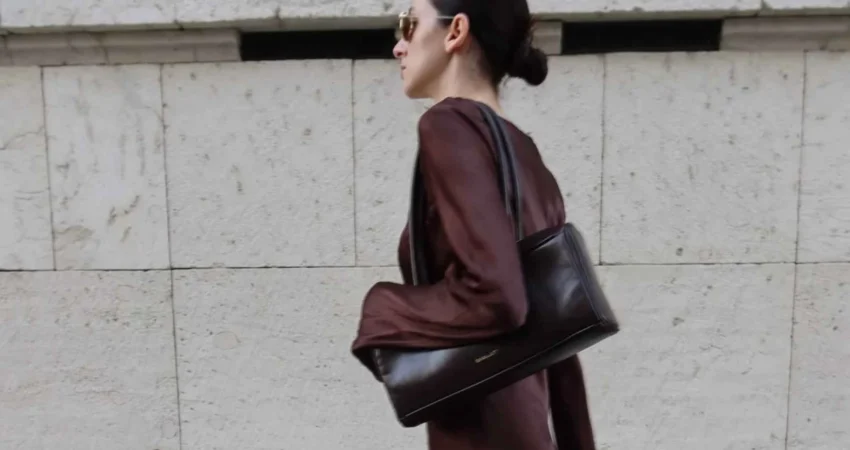
As the seasonal transition begins across the European continent, the fashion industry is witnessing a decisive pivot from the lightweight, breathable fabrics of summer toward the structured elegance of autumn-winter attire. The annual shift, often referred to by industry analysts as the "wardrobe reset," is currently dominated by the resurgence of the long-sleeve midi dress as the primary solution for professional and social versatility. For the Autumn-Winter 2026/27 season, the convergence of comfort, warmth, and aesthetic sophistication has positioned the long-sleeve dress not merely as a seasonal staple but as a strategic asset for the modern woman’s wardrobe.

The transition from the "linen era" of August to the "textural layering" of late September represents a critical window for the retail sector. Leading global brands, including Zara, Mango, and Massimo Dutti, have released their collections to meet a specific consumer demand: the "all-day" garment. This garment must bridge the gap between a high-stakes corporate environment and the informal setting of a dinner with colleagues or friends. The 2026/27 collections emphasize this versatility through varied hemlines, sophisticated prints, and an intentional focus on sleeve architecture.
The Strategic Importance of the Long-Sleeve Silhouette
In the context of professional dressing, the long-sleeve dress serves as a "life-saving" garment—a term frequently used by fashion journalists to describe its ability to resolve the complexities of morning decision-making. By providing a single-piece solution, these designs eliminate the need for complex coordination between separates, such as blazers and trousers, while maintaining a high level of formality.

The current season marks a departure from the oversized, minimalist trends of the early 2020s, moving toward more intentional tailoring. The inclusion of belts, asymmetrical necklines, and varied fabric weights allows for a more personalized approach to professional attire. According to market data from the European Textile and Clothing Confederation, the "workwear" segment has seen a 4.2% increase in demand for one-piece garments compared to the previous fiscal year, reflecting a consumer desire for streamlined efficiency in the post-pandemic corporate world.
Seasonal Transition Timeline: From Lino to Long-Sleeve
The evolution of the seasonal wardrobe follows a strict chronological progression that dictates retail availability and consumer adoption.

- Late August to Early September: The phase-out of linen and cotton poplin begins. Retailers start introducing "transitional" dresses featuring lighter synthetic blends or thin viscose that offer the look of autumn without the weight of winter wool.
- Mid-September: The "Midi Migration." This is the peak period for the introduction of long-sleeve designs. The focus shifts to earthy tones—browns, deep greens, and ochres—as seen in the current 2026/27 catalogues.
- October through November: The arrival of heavier knits and embroidered textiles. Pieces from boutique brands like Antik Batik become prominent as consumers seek artisanal textures and increased thermal protection.
- December and Beyond: The integration of the long-sleeve dress with heavy outerwear, such as wool coats and trench coats, completing the winter aesthetic.
Market Analysis: Key Collections for Autumn-Winter 2026/27
A detailed examination of the current market reveals several distinct sub-trends within the long-sleeve dress category. These pieces represent the diverse price points and aesthetic philosophies currently driving the industry.
The Refined Shirt Dress: Zara and Mango
The shirt dress remains the cornerstone of office fashion. Zara’s latest iteration for the season features a floral print combined with a structural belt, priced at €45.95. This design leverages the "boho-corporate" hybrid trend, allowing for a professional appearance that does not sacrifice personality. Similarly, Mango has introduced a "Bambi" print shirt dress (€39.99), targeting a younger demographic that values whimsical patterns within a traditional silhouette. These pieces rely on fluid fabrics like viscose, which provide movement while maintaining a crisp collar and cuff.

Sophisticated Asymmetry: Massimo Dutti
Massimo Dutti continues to occupy the "premium high street" niche, focusing on elevated basics. Their standout piece for the season is a chocolate-brown midi dress featuring an asymmetrical neckline (€129). This design reflects the broader industry movement toward "quiet luxury," where the quality of the cut and the depth of the color palette serve as the primary indicators of status. Asymmetry in the neckline provides a modern twist that distinguishes the wearer in a corporate boardroom setting.
The Artisanal Investment: Antik Batik
On the higher end of the spectrum, the Antik Batik "Penny" dress (€475) highlights the demand for craftsmanship. Featuring intricate embroidery and a cream-based palette, this piece serves as an investment for consumers looking to move away from fast fashion. Industry analysts suggest that the "cost-per-wear" for such items is increasingly a factor in consumer decision-making, as these dresses are built to last multiple seasons.

Color Psychology and Patterning: Desigual, Natura, and Surkana
The 2026/27 season is not devoid of color. Desigual has pivoted toward a more sophisticated use of prints, such as their shirt dress with a waist-scarf detail (€99.95), which uses geometry to flatter the silhouette. Natura and Surkana have embraced the psychological impact of color, with Natura offering a vibrant green ruffled dress (€39.90) and Surkana focusing on a classic red plaid (€91.90). Green is widely regarded in professional styling as a color that conveys stability and growth, while red plaid evokes a sense of heritage and authority.
Economic Implications and Consumer Behavior
The shift toward long-sleeve dresses is also an economic indicator. As global inflation affects discretionary spending, consumers are increasingly seeking "multi-use" garments. A dress that can be worn to a 9:00 AM meeting, a 1:00 PM lunch, and a 7:00 PM social event provides higher value than specialized clothing.

"We are seeing a move toward ‘utilitarian elegance’," says fashion economist Dr. Elena Varga. "The consumer in 2026 is more conscious of the utility of their wardrobe. The long-sleeve midi dress is the ultimate utilitarian garment because it bridges seasons and social contexts. This is reflected in the steady sales growth for this specific category even when overall apparel spending fluctuates."
Furthermore, the Spanish textile giants, led by Inditex (the parent company of Zara and Massimo Dutti), have optimized their supply chains to respond to weather-related shifts in demand. The rapid deployment of the long-sleeve collections in mid-September is a calculated move based on meteorological data predicting cooler-than-average autumn temperatures in the Mediterranean and Northern Europe.

The Role of Sustainability in the 2026/27 Collections
Sustainability remains a mandatory consideration for the modern fashion outlet. The Autumn-Winter 2026/27 collections show a marked increase in the use of recycled polyester and sustainably sourced viscose (such as EcoVero). Brands are also emphasizing the "trans-seasonal" nature of these dresses to discourage the "throwaway" culture associated with fast fashion.
The long-sleeve dress, by its nature, encourages longevity. Its ability to be paired with boots, heels, or even sneakers makes it adaptable to changing trends. Many brands are now providing "care guides" to help consumers maintain the integrity of their dresses over several years, a practice that was once reserved for luxury labels but has now permeated the mass market.

Broader Impact: The Future of the Professional Aesthetic
The dominance of the long-sleeve dress in the current season suggests a permanent shift in the definition of professional attire. The traditional suit is no longer the default uniform for the modern workplace. Instead, a more fluid, feminine, yet equally authoritative aesthetic has taken its place.
This evolution has implications for the footwear and accessories markets as well. The rise of the midi-length long-sleeve dress has directly contributed to the sustained popularity of knee-high boots and minimalist leather handbags. As the dress becomes the focal point of the outfit, accessories have become more understated, serving to complement rather than compete with the garment’s silhouette.

Conclusion and Outlook
As the Autumn-Winter 2026/27 season progresses, the long-sleeve dress will likely remain the most visible trend in urban centers. From the high-tech offices of Madrid to the creative hubs of Berlin, this garment has proven itself to be the most resilient and adaptable piece in the contemporary woman’s wardrobe.
Looking forward to the 2027 spring transition, industry experts predict that the long-sleeve silhouette will persist, albeit in lighter fabrics and pastel palettes. For now, however, the focus remains on rich textures, deep autumnal hues, and the effortless sophistication that only a well-designed long-sleeve dress can provide. The current collections from Zara, Massimo Dutti, and their contemporaries have successfully captured the zeitgeist, offering a perfect blend of practicality and style for the professional woman navigating the complexities of the modern world.

0 Comments