
 Pevita Pearce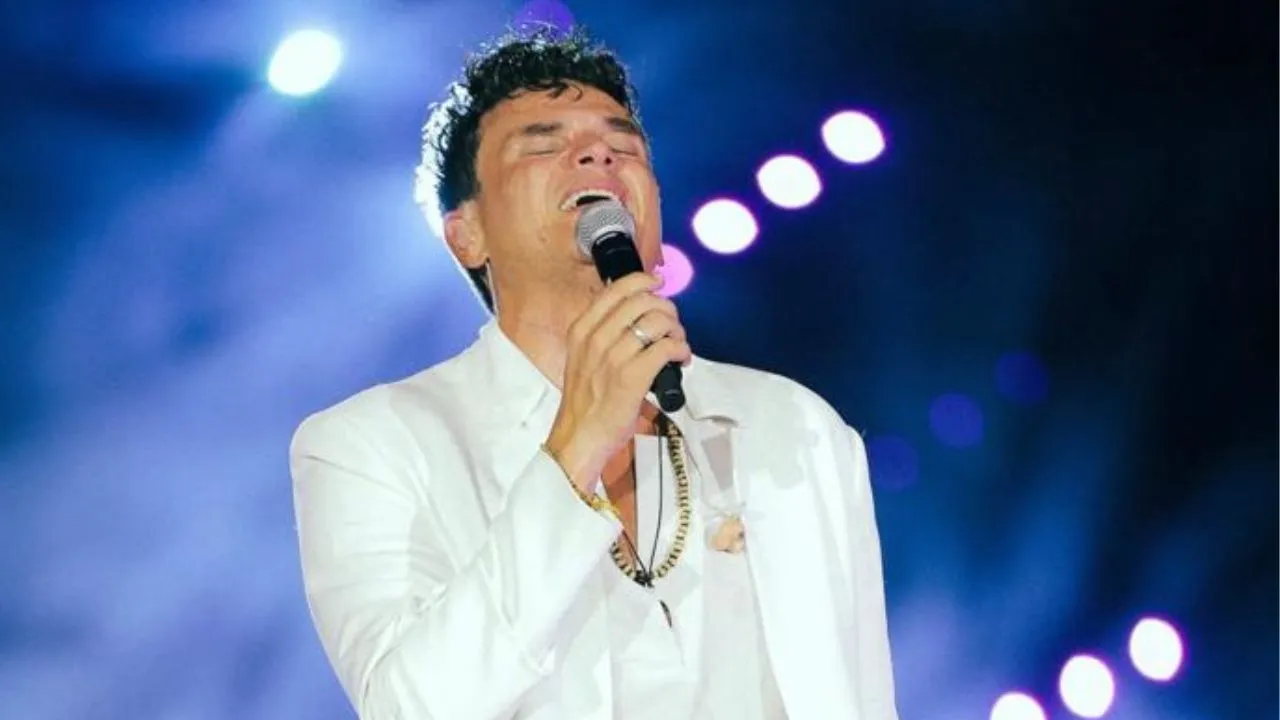
A chilling prediction, once dismissed by Silvestre Dangond as mere superstition, resurfaced recently, casting a shadow over the celebrated vallenato artist’s past and sparking renewed interest among his vast fanbase. The anecdote, shared during a press conference, details a supposed prophecy that foretold his death in an aviation accident in September 2017. While Dangond has consistently maintained his disbelief in such forewarnings, he candidly admitted the psychological impact the story had on him at the time, leaving him deeply unsettled. This unsettling experience, he revealed, ultimately influenced his creative process, serving as the muse for one of his poignant songs. The resurfacing of this narrative has prompted a deeper look into the artist’s life, the cultural context of such beliefs in Colombia, and the enduring power of the mind to shape artistic expression.
The Unsettling Warning: A Friend’s Call and a Soothsayer’s Vision
The genesis of this unsettling episode traces back to a phone call from a close friend. This friend, concerned and perhaps emboldened by what she had allegedly learned, relayed information from a consultation with a clairvoyant. The purported message was stark and specific: Silvestre Dangond was destined to die in a plane crash. The chilling detail that amplified the narrative’s gravity was the precise timing – September 2017. This date held a particular resonance within the Colombian music scene, as it was the same year that Martín Elías, another prominent vallenato singer and the son of the legendary Diomedes Díaz, tragically perished in a road accident. The proximity of these events, real and predicted, undoubtedly lent a disturbing weight to the clairvoyant’s alleged pronouncement, making it more than just a passing remark.
During the press conference, Dangond recounted his initial reaction to his friend’s alarming news. In a moment that revealed his characteristic pragmatism and a touch of humor, he reportedly responded with a dismissive, yet telling, remark: "I told her, ‘No joda! Why didn’t that woman tell you the lottery numbers instead?’" This initial response underscores his outward skepticism, a defense mechanism against the unsettling nature of the prediction. However, the artist was quick to clarify that beneath this flippant exterior lay a profound psychological disturbance.
The Psychological Aftermath: "Marked" by Fear and Uncertainty
Despite his outward bravura, the prediction undeniably lodged itself in Dangond’s psyche. He admitted that the unsettling nature of the prophecy, even without his conscious belief, had a significant impact. "Psychologically, it affected me," he confessed, "even though I don’t believe in that, it’s not easy. I was left marked; I left quickly." The term "timbrado" in Colombian Spanish, which he used, conveys a sense of being deeply disturbed, unsettled, or even "marked" by an experience. This psychological toll speaks to the inherent human vulnerability to fears of mortality and the power of suggestion, especially when coupled with seemingly plausible coincidences.
The year 2017 was indeed a significant and somber one for Colombian music. The tragic loss of Martín Elías on April 21, 2017, sent shockwaves through the nation. His death, a devastating road accident, underscored the inherent dangers that artists, particularly those who travel extensively for performances, face. The news of his passing led to widespread mourning and introspection within the music community and among fans. It is within this context that a prediction of a similar nature, involving an aviation accident and a prominent artist, would naturally carry a heavier weight and elicit a stronger emotional response.
Artistic Alchemy: Transforming Fear into Song
The enduring impact of this unsettling experience extended beyond mere emotional distress; it served as a fertile ground for artistic creation. Dangond revealed that the reflections and anxieties stemming from the prophecy ultimately inspired one of his songs, "Si yo supiera" (If I Knew). This song, therefore, becomes more than just a musical piece; it is a testament to the artist’s ability to transmute personal turmoil into a shared emotional experience for his audience. The introspective lyrics likely explore themes of fate, mortality, the fragility of life, and the human desire for foresight, resonating with listeners who have also grappled with existential questions.
The creative process is often a deeply personal journey, and for artists like Dangond, it can serve as a cathartic outlet. The act of composing and performing "Si yo supiera" could have provided him with a sense of agency, allowing him to confront and process the fear associated with the prophecy in a controlled and expressive manner. The song’s reception by the public, therefore, becomes a shared dialogue about life’s uncertainties, turning a potentially paralyzing fear into a source of connection and artistic appreciation.
The Cultural Landscape: Belief in Prophecy in Colombia
The prevalence of belief in prophecies, spiritual premonitions, and the supernatural is a significant aspect of Colombian culture, particularly in rural and less urbanized areas. Vallenato music itself is deeply rooted in the traditions and folklore of the Caribbean region of Colombia, a region where such beliefs often intertwine with daily life. Many Colombians hold a deep respect for spiritual leaders, shamans, and those who claim to possess extrasensory abilities. This cultural backdrop provides context for why a prediction, even from an unnamed source, could gain traction and cause concern.
Historical accounts and contemporary observations indicate that consultations with mediums, fortune-tellers, and spiritual advisors are not uncommon in Colombia. These practices are often sought during times of personal crisis, uncertainty, or a desire for guidance. While many dismiss these as superstition, for a significant portion of the population, they represent a legitimate way of seeking answers and understanding the unknown. The vallenato community, being a reflection of this broader cultural landscape, is not immune to these beliefs. Artists, like any individuals, are subject to the influences of their environment and the collective consciousness of their communities.
Analyzing the Implications: The Power of the Mind and Artistic Resilience
The story of Silvestre Dangond and the prophecy raises several points for consideration. Firstly, it highlights the profound psychological impact that even unsubstantiated fears can have on individuals, especially when amplified by cultural beliefs and unfortunate coincidences. The artist’s admission of being "marked" underscores the power of the human mind to internalize and react to perceived threats, regardless of their empirical validity.
Secondly, it showcases the remarkable resilience of artists. Dangond’s ability to channel this unsettling experience into a creative work demonstrates a coping mechanism that not only benefits him personally but also enriches the cultural landscape. The transformation of fear into art is a testament to the human spirit’s capacity to find meaning and beauty even in the face of adversity.
Thirdly, the incident prompts reflection on the role of intuition and foresight in creative endeavors. While Dangond publicly professes skepticism, the experience undeniably left an imprint that influenced his artistic output. This raises questions about the blurred lines between subconscious processing, emotional triggers, and the genesis of artistic inspiration. Could the prophecy have acted as a subconscious catalyst, forcing him to confront mortality and thereby enriching the emotional depth of his music?
Broader Impact and Enduring Legacy
Silvestre Dangond, with over two decades of a prolific artistic career, remains an undisputed titan of contemporary vallenato music. His influence extends far beyond the Colombian borders, with a devoted following across Latin America and among diaspora communities worldwide. Episodes like this personal anecdote offer a glimpse into a more intimate and introspective dimension of the artist, revealing a musician who, in addition to his commanding stage presence and chart-topping hits, has navigated moments of profound personal reflection and existential questioning that have undeniably shaped both his life and his enduring artistic legacy.
The resurfacing of the prediction, while perhaps unsettling, ultimately serves to humanize the celebrated artist. It reminds the public that even those who inspire millions are susceptible to fear, doubt, and the profound influence of personal experiences. The story of the prophecy and its transformation into "Si yo supiera" is a powerful narrative about confronting the unknown, the resilience of the human spirit, and the extraordinary ability of art to transcend personal struggles and connect with a universal audience. It underscores the enduring power of storytelling, not just in music, but in the very fabric of our lives, where even the most chilling predictions can, paradoxically, lead to profound artistic creation. The echoes of Yeison Jiménez’s own brushes with mortality, as reported in the initial context, serve as a somber reminder of the inherent risks within the demanding lives of public figures, further contextualizing the anxieties that Dangond candidly shared.


 Eva Lovia
 Julia Chirkova
 Julia Prastini
 Nila Kartika Wati
 Jia Lissa
 admin
admin