
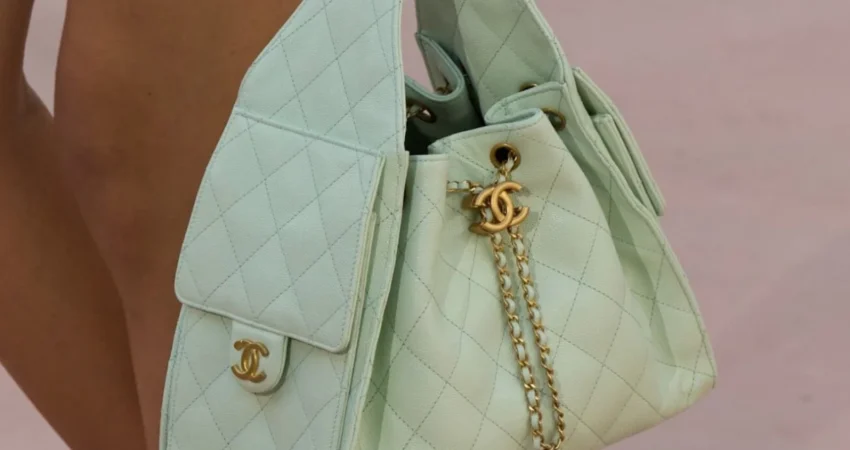
The fashion industry is witnessing a significant structural shift in accessory design as the autumn 2026 season approaches. For years, the prevailing aesthetic in luxury handbags favored sleek, uninterrupted lines where storage was strictly internal, often sacrificing accessibility for a minimalist silhouette. However, the tide has turned, driven by a resurgence of utilitarianism and a nostalgic nod to the early 2000s. The catalyst for this movement is the Chanel 25, a revolutionary design introduced by the French Maison in 2025. By moving pockets from the interior to the exterior, Chanel has not only redefined the visual language of the "It-bag" but has also signaled a broader industry move toward "active elegance"—a style that prioritizes the lived experience of the modern consumer.

The Chanel 25 Effect: A New Era of Functional Luxury
When the Chanel 25 debuted during the 2025 collections, fashion critics noted its departure from the rigid, boxy structures that had dominated the brand’s catalog for decades. Unlike the iconic 2.55 or the Boy Bag, the Chanel 25 features a supple, flexible silhouette characterized by two prominent, symmetrical exterior pockets. This design choice was more than aesthetic; it was a response to the digital age’s demand for instant access. In an era where smartphones, wireless earbuds, and portable chargers are essential daily carry-ons, the traditional "digging" through a deep bag has become a point of friction for consumers.
The success of the Chanel 25 has created a ripple effect across the global retail market. Industry analysts report that the search for "multi-pocket handbags" has increased by 140% year-on-year since the bag’s release. Luxury houses and high-street retailers alike are now racing to provide their own interpretations of this exterior-pocket trend, blending high-fashion sensibilities with the rugged practicality of cargo-style utility.

Historical Context: From Y2K Cargo to 2026 Practicality
The current obsession with exterior pockets is deeply rooted in the "Cargo" aesthetic of the late 1990s and early 2000s. During that period, brands like Prada and Miu Miu experimented with nylon and multi-compartment designs that mirrored the rise of street culture. However, the 2026 iteration of this trend is distinctly more refined. While the Y2K era focused on a "grunge" or "techno" look, the 2026 trend—dubbed "Practical Maximalism" by some fashion historians—utilizes premium materials like buttery leather, brushed suede, and sophisticated hardware to ensure the bags remain suitable for professional and evening environments.
This evolution marks the end of the "micro-bag" era, which dominated the early 2020s. Consumers are increasingly rejecting bags that cannot fit a standard smartphone, opting instead for designs that offer organized, visible storage. The exterior pocket has become the ultimate symbol of this transition, acting as both a decorative element and a functional necessity.

Market Analysis: High-Street Adaptations and Consumer Demand
High-street giants such as Mango, Zara, and Pull&Bear have been quick to democratize the trend set by Chanel. By analyzing the 2026 autumn collections, it is clear that retailers are focusing on three key pillars: materiality, color palette, and organizational architecture.
The Quilted Silhouette: Mango’s Homage to the 25
Among the most direct interpretations of the trend is Mango’s quilted shoulder bag. Retailing at 39.99 euros, this model mirrors the Chanel 25’s flexible silhouette and draw-string closure. The addition of large lateral pockets provides the same utilitarian flair as its luxury counterpart, while the beige quilted finish offers a softer, more approachable look for daily wear. This specific model highlights how high-street brands are utilizing synthetic materials that mimic the "slouchy" luxury of high-end lambskin.

The Rise of the Cargo Bag: Nude Project and Gen Z Appeal
Nude Project, a brand that has become a bellwether for youth culture in Europe, has introduced the "Cargo Leather Bag." This design leans heavily into the 2000s aesthetic, featuring a saturation of buckles, zippers, and metallic eyelets. At 169 euros, it represents the premium end of the street-wear market. The use of dark chocolate brown and a velvet-like finish aligns with the season’s core color trends, proving that the exterior pocket trend can bridge the gap between "high fashion" and "street utility."
The 2026 Color Palette: Chocolate Brown and Olive Green
The autumn 2026 season is defined by a return to earthy, grounded tones. While black remains a staple, it has been superseded by "Chocolate Brown" as the primary neutral for leather goods. This shift is evident in the collections of Massimo Dutti and Marc O’Polo, where deep browns are used to highlight the texture of suede and leather.

Olive green has also emerged as a significant contender. Pull&Bear’s multi-pocket shoulder bag, priced at 29.99 euros, showcases how this military-inspired hue complements the utilitarian nature of exterior pockets. Retail data suggests that olive green is being treated as a "new neutral," easily paired with the burgundy and navy tones that are prevalent in 2026 knitwear.
Detailed Breakdown of Key Models for Autumn 2026
To understand the breadth of this trend, one must look at the specific design choices made by leading brands this season:

- ba&sh – The June Tote: A large-scale approach to the trend. This XL tote integrates zippered pockets into the front panel, proving that even oversized bags benefit from external organization. The contrast between the soft suede and a heavy chain strap exemplifies the "hard-meets-soft" aesthetic of the season.
- Massimo Dutti – The Suede Bowling Bag: This model focuses on a single, large frontal compartment. It is a more minimalist take on the trend, catering to the "Quiet Luxury" consumer who wants the convenience of an exterior pocket without the visual noise of multiple buckles.
- Desigual – The Buckled Camel Bag: Moving away from its traditional colorful prints, Desigual has embraced the utility trend with a camel-toned bag featuring prominent buckled pockets. This design is highly functional, offering separate compartments for small electronics and keys.
- Marc O’Polo – The Carmen Camera Bag: A masterclass in organizational design, this bag features side compartments, a front pocket, and multiple strap options. It is designed for the "commuter" demographic, emphasizing ease of movement.
- Adidas – The Retro Long Bag: This model taps into the "Athleisure" heritage of the early 2000s. Its elongated shape and zippered side pockets are reminiscent of vintage gym bags, repurposed for modern urban life.
Official Responses and Industry Sentiment
While Chanel rarely comments on the "copycat" nature of the high street, industry insiders suggest that the Maison views the widespread adoption of exterior pockets as a validation of their creative direction. A spokesperson for a major European retail group, speaking on the condition of anonymity, stated: "We are seeing a fundamental shift in what the consumer expects from a handbag. In previous years, the bag was a status symbol first and a container second. In 2026, those priorities have merged. If a bag isn’t ‘smart’ in its layout, it doesn’t sell."
Fashion consultants also point to the sustainability aspect of this trend. Utilitarian designs tend to have a longer shelf life in a consumer’s wardrobe because they solve a practical problem. Unlike "gimmick" bags (such as the transparent bag or the ultra-mini bag), the multi-pocket bag is a "tool" that consumers are less likely to discard when the next season arrives.

Broader Implications: The Future of Accessory Design
The return of the exterior pocket is indicative of a larger movement toward "Survivalist Chic." As urban environments become more complex and the pace of life accelerates, fashion is adapting to provide a sense of preparedness. This is seen not just in bags, but in the rise of cargo trousers, multi-pocket vests, and tech-wear jackets.
Looking ahead to 2027, experts predict that the exterior pocket trend will evolve to include "smart" integration, such as pockets with built-in wireless charging pads or RFID-blocking fabric. For now, the focus remains on the marriage of vintage silhouettes and modern convenience.

In conclusion, the Chanel 25 has done more than just start a trend; it has corrected a decade-long oversight in accessory design. By acknowledging that the modern woman needs her essentials within arm’s reach, the fashion industry has moved toward a more empathetic and functional form of luxury. Whether through a 4,000-euro Chanel original or a 30-euro Pull&Bear alternative, the exterior pocket is the defining detail of the autumn 2026 season, offering a rare moment where high-fashion aesthetics and everyday practicality are in perfect alignment.

0 Comments