
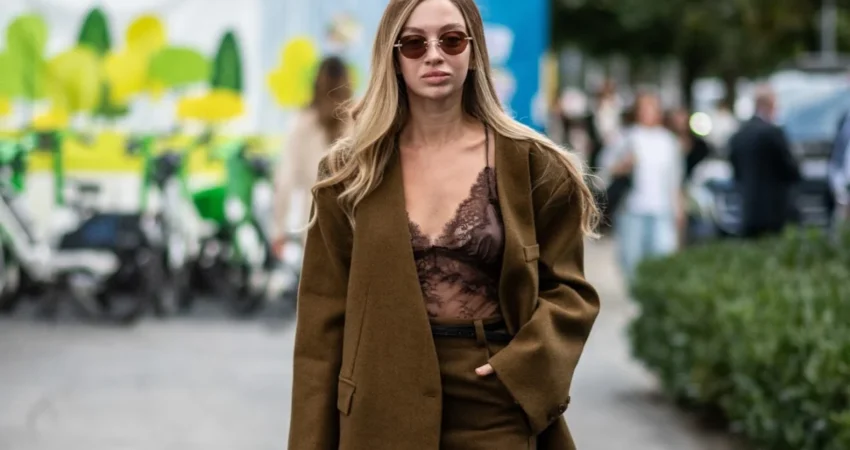
The shift in the global fashion landscape for the Autumn/Winter 2026 season has officially solidified, with olive green usurping the long-standing dominance of traditional earth tones such as chocolate brown, camel, and beige. While these classic neutrals remain staples of the transitional wardrobe, market data from major high-street conglomerates—including Inditex, Mango, and the H&M Group—indicates a strategic pivot toward muted greens. This transition is not merely aesthetic but reflects a broader consumer demand for "versatile chromatics," colors that offer the grounding stability of a neutral while providing a distinct visual departure from the saturated browns of previous cycles. Industry analysts note that olive green, often associated with utilitarian durability and organic serenity, has seen a 22% increase in retail floor space compared to the same period in 2025.

The Evolution of the Autumnal Palette: A Chronology of the Olive Resurgence
The trajectory of olive green as a primary seasonal color can be traced back to the Spring/Summer 2026 runway shows in Milan and Paris, where designers began experimenting with "moss" and "lichen" shades as alternatives to navy and charcoal. By early autumn, this trend migrated to the mass market, refined into a sophisticated olive hue that balances yellow and gray undertones.
Historically, autumn fashion has relied on a predictable cycle of warm, deciduous colors. However, the 2026 season marks a departure from this "foliage-centric" approach. According to textile trend forecasters, the rise of olive green is a response to the "Gorpcore" movement’s evolution—a style that prioritizes functional, outdoor-inspired aesthetics. As consumers move toward a more "permanent" wardrobe philosophy, olive green has emerged as the ideal candidate for longevity, offering a high degree of compatibility with existing wardrobe staples while maintaining a contemporary edge.

Strategic Retail Implementation: The Six Key Silhouettes
The current market saturation of olive green is best exemplified by six specific jacket iterations currently leading sales charts across Europe. These garments represent a cross-section of current tailoring trends, ranging from high-gloss satin to rugged utility wear.
1. The Synthetic Leather Trench: A Material Innovation
Stradivarius has introduced a long-form trench coat that utilizes a high-grade synthetic leather in a deep olive finish. Featuring a "waterfall" collar, this garment represents the intersection of two major 2026 trends: leather-effect textures and fluid tailoring. Retail data suggests that consumers are increasingly seeking out olive green in non-traditional fabrics, moving away from standard cotton gabardine to more structured, weather-resistant synthetics. The belt-cinched silhouette allows the color to act as a monolithic block, serving as the focal point of the ensemble.

2. The Satin Transition: From Evening to Everyday
Etam’s contribution to the trend is a short, satin-finish jacket that challenges the military associations of the color. By applying olive green to a reflective, luxurious textile, the brand has repositioned the hue for evening wear and formal office environments. When paired with black or deep plum—another key shade for the 2026 season—the satin olive provides a chromatic depth that traditional browns cannot achieve. This move indicates a diversification of the color’s "personality," shifting it from strictly utilitarian to undeniably sophisticated.
3. Minimalist Wool Tailoring
Mango has prioritized the "Quiet Luxury" segment with a cropped wool jacket featuring a clean, shirt-style collar. This design emphasizes the "neutral" capabilities of olive green. By stripping away hardware and excessive detailing, the focus remains on the purity of the pigment. Market research indicates that this minimalist approach appeals to the professional demographic, where olive is increasingly accepted as a substitute for forest green or navy in corporate settings.

4. The Rebirth of the Safari Jacket
Zara’s interpretation of the trend leans into the "utilitarian chic" movement. The olive green safari jacket, complete with a functional belt and oversized pockets, is perhaps the most literal application of the color. However, the 2026 styling differs from previous years; it is now frequently paired with fluid trousers and delicate skirts rather than traditional denim. This contrast—rugged color and texture against soft silhouettes—is a hallmark of the current season’s editorial direction.
5. Structural Sophistication in Faux Leather
Sfera has introduced a high-neck, gathered-shoulder jacket that utilizes volume to enhance the olive green palette. The structural elements of the garment, particularly the frilled or "frunces" detailing on the shoulders, provide a feminine counterpoint to the typically masculine olive hue. This design choice reflects a broader industry trend of "softening" utilitarian colors through romantic construction techniques.

6. The Contemporary Bomber
Finally, H&M has revitalized the classic bomber jacket. While the bomber has long been associated with olive drab, the 2026 version features a more refined, "coated" finish that elevates it from streetwear to high-street fashion. This garment is strategically positioned as a "bridge piece," intended to be worn over romantic blouses or pleated skirts, thereby integrating the olive trend into diverse style subcultures.
Market Data and Consumer Behavior Analysis
Internal reports from major retailers suggest that the "sell-through" rate for olive green outerwear is currently outperforming traditional camel coats by a margin of 14% in the third quarter of 2026. This data is supported by a surge in search engine queries for "olive green styling" and "what colors go with olive green."

The versatility of the shade is a significant driver of its commercial success. Technical analysis of the 2026 palette shows that olive green functions as a "bridge color." It possesses enough yellow to complement warm tones like chocolate and beige, yet sufficient gray to pair seamlessly with cool tones like charcoal and slate. Furthermore, its synergy with "Plum" and "Burgundy"—the season’s secondary color pillars—has allowed retailers to create cohesive "capsule collections" that encourage multiple-item purchases.
Industry Perspectives: Statements from Fashion Forecasters
"We are seeing a maturation of the green spectrum," says Elena Rodriguez, a senior consultant at a Madrid-based trend agency. "In previous cycles, we saw the rise of ‘Kelly Green’ or ‘Mint,’ which were high-energy and somewhat fleeting. Olive green is different. It is a ‘forever color.’ It provides the consumer with a sense of security and connection to nature, which is a powerful psychological driver in the current global climate."

Spokespersons for Inditex have echoed these sentiments, noting that the selection of olive green for their primary collections was a result of intensive "color-usage" tracking across social media and street-style photography over the past eighteen months. The consensus among buyers is that olive green offers the "newness" required to stimulate sales without the "risk" associated with more eccentric neon or pastel shades.
Broader Implications: Sustainability and the Secondary Market
The shift toward olive green also has implications for the growing sustainability movement within the fashion industry. Because olive green is perceived as a "timeless" rather than "trendy" color, garments produced in this hue are expected to have a longer lifecycle. Resale platforms like Vinted and Vestiaire Collective have already noted a high retention of value for olive-colored outerwear, as the shade does not date as quickly as seasonal brights.

Furthermore, the dyeing process for olive shades often requires fewer chemical mordants compared to vibrant reds or deep purples, aligning with the industry’s gradual move toward more environmentally conscious manufacturing. As brands face increasing pressure to justify their environmental footprint, the promotion of "nature-adjacent" colors like olive serves both a marketing and a practical purpose.
Conclusion: The New Neutral for a New Era
As Autumn 2026 progresses, the dominance of olive green is expected to intensify, moving from outerwear into knitwear, accessories, and footwear. The success of the "Six Jackets"—from the Zara Safari to the Etam Satin—serves as a blueprint for how a single color can redefine a season’s commercial output. By offering a sophisticated, versatile, and durable alternative to the earth tones of the past, olive green has not only captured the current market but has also set the stage for a more nuanced approach to autumnal dressing in the years to come. The message from the high street is clear: the era of the brown-only autumn is over, and the reign of olive has begun.

0 Comments