
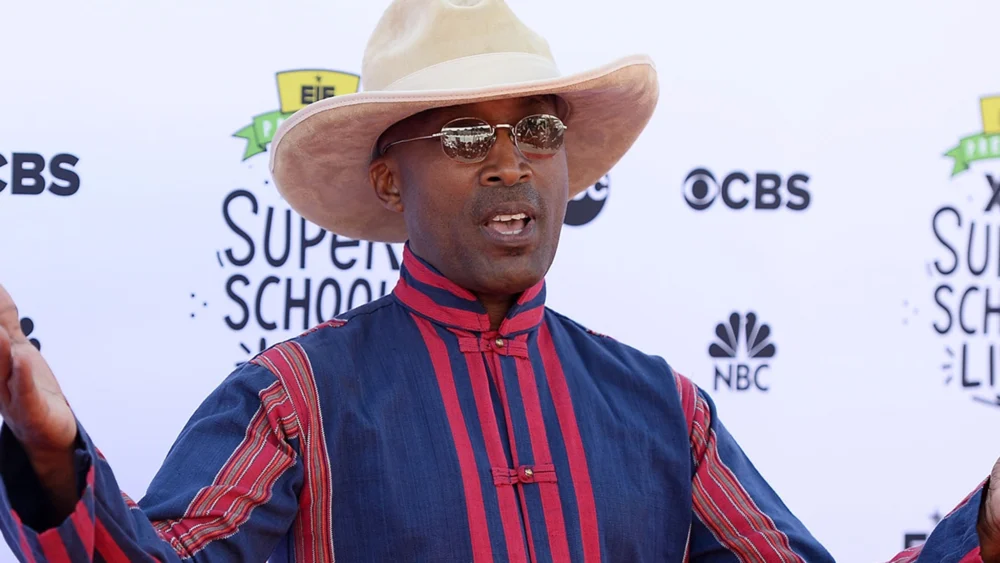
A significant legal battle has erupted among the surviving family members of the late Grammy-nominated musician D’Wayne Wiggins, a founding member of the iconic R&B group Tony! Toni! Toné!. The dispute centers on the administration and distribution of his estimated $700,000 estate, nearly a year after his passing. Court documents, which have brought the private family matters into the public eye, reveal a complex web of allegations concerning Wiggins’ final wishes, his mental state prior to death, and the actions of a niece designated as trustee. The escalating conflict underscores the often-painful challenges families face in the aftermath of a loved one’s death, particularly when substantial assets and conflicting narratives about testamentary intent are involved.
Dwayne Wiggins: A Legacy Remembered
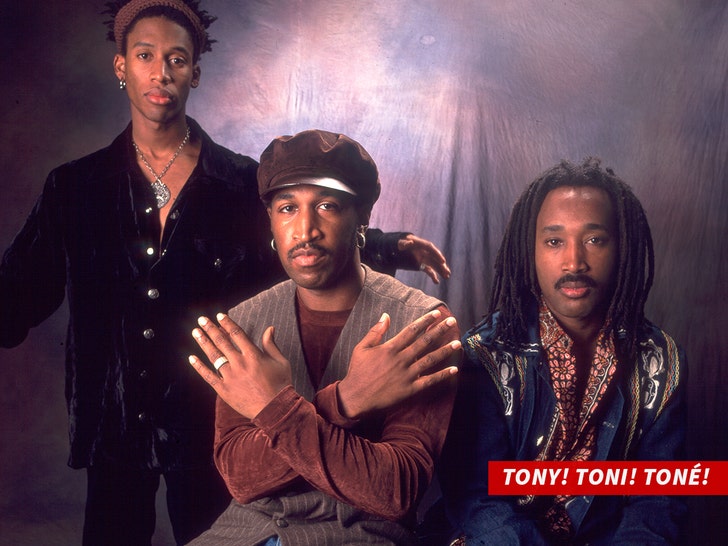
D’Wayne Wiggins, born in Oakland, California, was a pivotal figure in the late 1980s and 1990s R&B landscape. As a founding member, guitarist, songwriter, and occasional lead vocalist for Tony! Toni! Toné!, he helped craft a distinctive sound that blended traditional R&B with funk, soul, and hip-hop influences. Alongside his brother Raphael Saadiq (formerly Raphael Wiggins) and cousin Timothy Christian Riley, the group achieved widespread critical acclaim and commercial success. Their discography boasts a string of hits, including "Feels Good," "Little Walter," "It Never Rains in Southern California," "Whatever You Want," and "Anniversary." Their albums, such as Who? (1988), The Revival (1990), and Sons of Soul (1993), are considered classics of the era, earning them multiple Grammy nominations and establishing their enduring legacy in contemporary music. Wiggins’ intricate guitar work and soulful songwriting were integral to the band’s appeal, contributing to a sound that influenced countless artists across genres. Beyond Tony! Toni! Toné!, Wiggins also pursued solo projects and collaborated with other musicians, demonstrating his versatility and dedication to his craft throughout his career. His death on March 7, 2025, in Oakland, following a battle with bladder cancer, left a void in the music community and, as recent events reveal, a profound and contentious challenge for his family.
The Heart of the Dispute: Allegations and Counter-Allegations
At the center of the current legal imbroglio is Ilahn Wiggins, D’Wayne’s daughter, who has initiated court proceedings to challenge the administration of her father’s estate. According to her filing, the musician’s estate is valued at approximately $700,000, a sum that includes various assets potentially encompassing property, intellectual property rights, and accumulated royalties from his extensive musical career. Ilahn Wiggins contends that her father, who she states maintained a loving relationship with his children throughout his life, would not have intended to disinherit her and her two brothers.
The primary target of Ilahn’s legal challenge is Veleta Savannah, D’Wayne’s niece. Savannah is currently listed on D’Wayne’s death certificate, and crucially, she claims to be the designated trustee of his estate. Following Wiggins’ death, Ilahn alleges that Veleta Savannah informed all of D’Wayne’s children that she held this authority and subsequently barred them from entering their late father’s home. Furthermore, Ilahn Wiggins has accused Savannah of misusing a Power of Attorney document to withdraw a sum of $20,000 from D’Wayne’s bank account, raising serious questions about the financial management of the estate in the immediate aftermath of his passing.
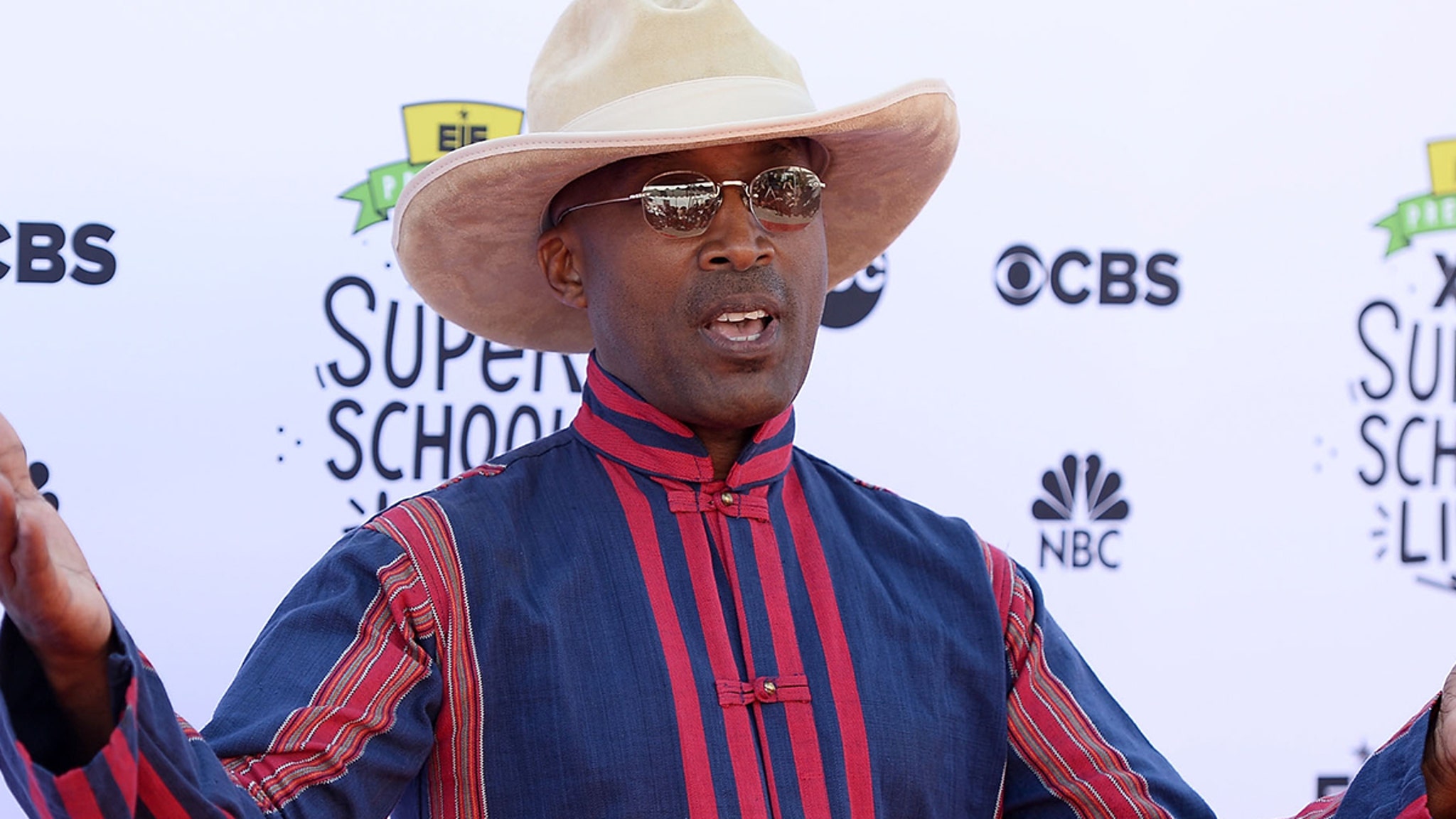
The core of the children’s argument rests on the belief that Veleta Savannah is not the legitimate administrator of their father’s true final wishes. They assert that their father’s will was altered in the months preceding his death, a period during which he was reportedly receiving intensive end-of-life care and ingesting heavy medications. This, they argue, could have significantly compromised his mental faculties, rendering him incapable of making sound decisions regarding his estate or changing his testamentary intentions. The children contend that any such changes made under these circumstances would be invalid due to a lack of testamentary capacity or potentially as a result of undue influence.
In response to these grave allegations, Veleta Savannah has vehemently disputed the claims regarding D’Wayne’s mental state. She maintains that the musician was fully lucid and in his right mind when he made the decision to modify his will. Savannah’s position is that D’Wayne Wiggins deliberately intended to disinherit his children, implying that the changes reflected his clear and conscious wishes rather than any impairment or external pressure. This stark divergence in narratives forms the crux of the impending legal battle, placing the burden of proof squarely on both sides to demonstrate the validity of their claims in court.
A Complex Chronology of Events
The timeline of events leading up to and following D’Wayne Wiggins’ death on March 7, 2025, is critical to understanding the current dispute. While the full specifics of the will changes remain undisclosed, court filings suggest they occurred "months before D’Wayne’s death." This period also coincides with another significant personal event: his marriage to Dori Wiggins. The timing of this marriage, followed by the alleged changes to his estate plan and then his passing, adds another layer of complexity to the family dynamics and potential motivations.
Upon Wiggins’ death, Veleta Savannah emerged as a central figure, claiming her role as trustee and taking actions such as restricting the children’s access to their father’s residence. The alleged withdrawal of $20,000 via a Power of Attorney further cemented her control over certain aspects of the estate, prompting immediate alarm among Wiggins’ children. It was "nearly a year after his death" that Ilahn Wiggins filed her formal challenge in court, bringing these private grievances into the public domain. This timing, around March 2026, sets the stage for the legal proceedings that are now firmly on the calendar. The court has subsequently set a trial date for September 2026, indicating that the matter will proceed to a full judicial review to determine the validity of the will and the proper administration of the estate.
Legal Labyrinth: Testamentary Capacity and Undue Influence
The legal arguments central to this estate dispute revolve primarily around two key concepts: testamentary capacity and undue influence. Testamentary capacity refers to the legal and mental ability of a person to make or alter a valid will. For a will to be considered valid, the testator (the person making the will) must generally understand the nature of the act (making a will), the extent and character of their property, and the natural objects of their bounty (who their family members and beneficiaries are). Ilahn Wiggins and her brothers are asserting that D’Wayne Wiggins lacked this capacity in the final months of his life due to his serious illness and the "heavy medications" he was receiving. Proving a lack of testamentary capacity often requires medical evidence and testimony from those who observed the deceased’s mental state during the critical period.
Conversely, Veleta Savannah’s defense will likely focus on presenting evidence that D’Wayne Wiggins was indeed of sound mind. This could involve testimony from medical professionals, legal counsel involved in drafting the will, or other witnesses who interacted with him and observed his cognitive abilities as normal.
Undue influence is another significant legal claim often raised in such disputes. This occurs when a person, through coercion, manipulation, or abuse of a confidential relationship, improperly influences a testator to make a will or gift that they otherwise would not have made. The children’s allegations that Veleta Savannah acted as trustee, barred them from the home, and withdrew funds using a Power of Attorney could be interpreted within the framework of potential undue influence, suggesting a pattern of control or manipulation. Proving undue influence is notoriously difficult, requiring evidence of a vulnerable testator, an influencer with an opportunity and disposition to influence, and a result that appears to be the product of that influence rather than the testator’s free will. The fact that Veleta Savannah is listed on the death certificate as the person who registered the death also raises questions about her proximity to Wiggins in his final moments and her immediate assertion of control over his affairs.
The Stakes: A $700,000 Estate and Personal Property
The $700,000 estate at the heart of this dispute represents not just a financial sum, but potentially a lifetime of artistic endeavor and personal accumulation. For a musician of Wiggins’ stature, an estate of this size could comprise various assets: real estate (such as the home his children were allegedly barred from), bank accounts, investment portfolios, and perhaps most significantly, intellectual property rights. These rights would include royalties from music sales, streaming, public performances, and licensing of his compositions and recordings with Tony! Toni! Toné! and as a solo artist. The value of these recurring income streams can be substantial and continue for decades after an artist’s passing, making the control and distribution of such assets a fiercely contested matter.
Beyond the monetary value, the dispute carries immense emotional weight. The fight over a deceased parent’s estate often deepens existing family rifts or creates new ones, turning grief into bitterness. For Ilahn Wiggins and her brothers, the alleged intent to disinherit them challenges not only their financial inheritance but also their perception of their father’s love and loyalty, which they describe as a "loving relationship." The accusations against Veleta Savannah — a niece — add another layer of betrayal and distrust within the extended family unit, highlighting the profound personal impact of such legal battles.
The Role of a Power of Attorney and Trusteeship
The mention of a Power of Attorney (POA) and trusteeship in the context of Veleta Savannah’s actions is particularly significant. A Power of Attorney is a legal document that grants one person (the agent or attorney-in-fact) the authority to act on behalf of another person (the principal) in financial, medical, or legal matters. If D’Wayne Wiggins executed a POA granting Veleta Savannah control over his bank accounts, it would have legally empowered her to make transactions, such as the alleged $20,000 withdrawal, while he was alive and, in some cases, even after his death, depending on the type of POA. However, the use of a POA is strictly bound by fiduciary duties, meaning the agent must act in the principal’s best interest. If Wiggins’ mental capacity was compromised when he granted the POA, or if Savannah used it for self-enrichment, it could be deemed invalid or an abuse of power.
A trustee, on the other hand, is a person or entity entrusted with managing assets for the benefit of beneficiaries, typically under the terms of a trust document. If Veleta Savannah was indeed named as a trustee, she would have a legal and ethical obligation to administer the trust assets according to Wiggins’ instructions and for the benefit of those named in the trust. Her alleged actions of barring family members from the home and making withdrawals, if proven to be outside the scope of her authority or in violation of her fiduciary duties, could lead to her removal as trustee and potential legal repercussions. The distinction between a POA and trusteeship, and the specific documents that named Savannah in these roles, will be crucial details examined during the trial.
Broader Implications and the Path Ahead
The ongoing dispute over D’Wayne Wiggins’ estate serves as a stark reminder of the critical importance of clear and unambiguous estate planning, particularly for individuals with significant assets or public profiles. When wills are challenged, or when there are allegations of incapacity or undue influence, the legal process can be lengthy, costly, and emotionally draining for all parties involved. For public figures like Wiggins, these disputes also become a matter of public record, potentially affecting their posthumous legacy.
The trial set for September 2026 will require a meticulous examination of evidence, including medical records, financial statements, and witness testimonies. The court will ultimately have to determine whether D’Wayne Wiggins possessed the requisite testamentary capacity when his will was allegedly changed, and whether Veleta Savannah’s actions were consistent with legal and ethical standards for a trustee or an agent acting under a Power of Attorney. The outcome will not only decide the financial fate of Wiggins’ estate but also potentially mend or permanently fracture the relationships within his grieving family.
As the legal proceedings unfold, the music world and fans of Tony! Toni! Toné! will watch to see how this personal family drama concludes. The case highlights the universal challenge of balancing a deceased’s final wishes with the expectations and needs of their surviving family members, especially when those wishes are contested under contentious circumstances. The memory of D’Wayne Wiggins’ musical contributions continues to resonate, but his legacy is now intertwined with a complex legal battle that underscores the enduring human element in the administration of wealth and inheritance.

0 Comments