
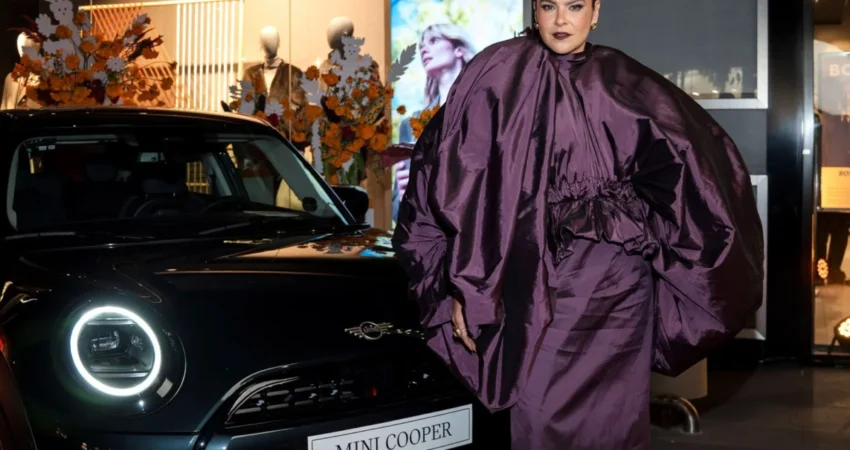
The philosophy that creativity knows no bounds when it becomes a profound form of expression defines the core spirit of MINI, a brand that has consistently utilized design and individuality to challenge conventional automotive standards. Under this vision, the MINI Ofrenda initiative was born, a project spearheaded by MINI Mexico to celebrate the Day of the Dead (Día de Muertos) through high-level collaborations with national creators. This initiative proposes a sophisticated new way to bridge the gap between Mexican cultural heritage and the brand’s global universe, transforming the traditional altar into a multidisciplinary exhibition of contemporary art, fashion, and lifestyle.
More than a mere aesthetic intervention, MINI Ofrenda serves as a strategic platform inviting a diverse group of artists to explore varied interpretations of one of Mexico’s most significant traditions. By integrating design, fashion, and visual arts, the initiative reflects MINI’s disruptive character, framing creativity as a transformative force capable of elevating everyday objects and opening spaces for new cultural perspectives. This year’s activation marks a milestone in how the automotive industry engages with local identity, moving beyond simple sponsorship into the realm of active cultural participation.
The Strategic Vision Behind MINI Ofrenda
The Day of the Dead is a tradition recognized by UNESCO as Intangible Cultural Heritage of Humanity, and for a brand like MINI, which prides itself on "Big Love" and community connection, it represents an ideal opportunity for localized storytelling. MINI Mexico’s approach centers on the idea that individuality deserves to be expressed without following established formulas. By summoning Mexican designers and creators to reinterpret the holiday through their own creative languages, the brand facilitates a dialogue between historical identity and modern innovation.
The initiative was strategically deployed across four key locations in Mexico, ensuring a wide geographical reach and catering to diverse demographics. These sites included Masaryk and Samara Shops in Mexico City, The Landmark in Guadalajara, and Puerto Cancún in the Mexican Caribbean. By selecting these high-profile commercial and cultural hubs, MINI ensured that the installations would be accessible to both local residents and international tourists, maximizing the visibility of the participating Mexican talent.
The roster of collaborators for this edition included some of the most influential names in contemporary Mexican design, such as Carlos Pineda, Daniela Villa, Benito Santos, Jacobo Sin A, MANCANDY, and Siete Cactus. Each artist brought a distinct methodology to the project, demonstrating how automotive design can serve as a versatile canvas for cultural expression.

Architectural and Artistic Interventions: "La Cosecha" by Olmos & Flores
A centerpiece of the initiative was the collaboration with the renowned firm Olmos & Flores at the Masaryk location in Polanco, Mexico City. The designers intervened in a MINI vehicle to create an artistic proposal titled "La Cosecha" (The Harvest). This intervention moved beyond a simple exterior wrap, instead utilizing the vehicle’s physical architecture—specifically its hood and curved contours—to integrate a lush arrangement of foliage, ceramic jars, and seasonal fruits.
The composition was designed to spill over from the vehicle onto the asphalt, creating a seamless transition between the machine and the environment. "La Cosecha" evoked the abundance and natural elements traditionally found in Mexican ofrendas, such as marigolds (cempasúchil) and harvest goods, while simultaneously highlighting the urban, versatile personality of the MINI. This specific installation served as a physical manifestation of the brand’s goal: to show that design can be a bridge between heritage and the future.
In Guadalajara and Cancún, the installations took on different forms, reflecting the regional nuances of the holiday. At The Landmark in Guadalajara, the focus leaned toward the grandiosity often associated with Jalisco’s design scene, while in Puerto Cancún, the interventions incorporated tropical influences, showcasing the adaptability of the MINI Ofrenda concept across different climates and cultural subtexts.
The Intersection of Automotive Design and Mexican Fashion
The MINI Ofrenda initiative also found a significant outlet in the world of fashion, reinforcing the brand’s long-standing association with style and trendsetting. During the reveal events, the synergy between automotive lines and textile design was put on full display. The collaboration with Olmos & Flores extended into the sartorial realm, where their creative language was translated into garments that complemented the vehicle’s aesthetic.
Fashion was not merely an accessory to the event but a core pillar of the creative narrative. Notable figures from the Mexican entertainment industry, such as singer and actress Litzy, participated in the celebration. Litzy wore a striking long dress in a metallic purple hue, featuring voluminous puffed sleeves designed by Jacobo Sin A. This look, along with others featuring white lace and romantic ruffles, echoed the traditional "Catrina" elegance but with a modern, avant-garde twist.
These fashion expressions were integral to the MINI Ofrenda spirit, proving that when there is freedom to experiment, creativity can manifest across multiple industries simultaneously. The presence of designers like Benito Santos—internationally recognized for his work with traditional Mexican motifs—further elevated the prestige of the event, aligning MINI with the pinnacle of national luxury and craftsmanship.

A Sensorial Experience: Gastronomy and Atmosphere
To complement the visual and structural elements of the MINI Ofrenda, the brand curated a comprehensive sensorial experience. This included a gastronomic proposal designed to evoke the flavors of the season while maintaining a sophisticated edge. Chef Poncho Cadena, in collaboration with Chapoli, developed a menu that paid homage to Mexican street food and traditional holiday fare.
The culinary selection featured "minitamales," molcajetes filled with esquites (corn salad), and cochinita pibil tostadas, among other traditional snacks. This gastronomic curation was paired with a bespoke cocktail program featuring quintessential Mexican ingredients such as tequila, pear, hibiscus (jamaica), and cucumber. The atmosphere was further enhanced by the sounds of a Puerto Rican DJ, creating a cosmopolitan vibe that balanced the solemnity of the tradition with the high-energy lifestyle associated with the MINI brand.
By engaging the senses of taste, smell, and sound, MINI Mexico successfully built an immersive environment. This holistic approach ensured that the MINI Ofrenda was not just a static display to be viewed, but a lived experience that resonated with the attendees on an emotional level.
Market Context and Brand Implications
The MINI Ofrenda initiative comes at a time when the Mexican automotive market is seeing a shift toward experiential marketing. According to industry data, luxury and premium brands are increasingly moving away from traditional showroom sales tactics in favor of "brand experiences" that build community and cultural relevance. In Mexico, where brand loyalty is often tied to emotional connection and social status, initiatives like MINI Ofrenda are vital for maintaining a competitive edge.
The collaboration with local designers also serves a dual purpose. First, it strengthens MINI’s image as a supporter of the arts and national talent, a move that resonates well with the socially conscious Gen Z and Millennial demographics. Second, it allows the brand to showcase the customization potential of its vehicles. In an era where "individualism" is a primary driver for luxury purchases, demonstrating that a MINI can be a "canvas" for artistic expression is a powerful marketing message.
Furthermore, the timing of the event aligns with a peak period for tourism and cultural activity in Mexico. The Day of the Dead has become a global attraction, drawing millions of visitors to Mexico City, Guadalajara, and the Riviera Maya. By positioning its installations in these high-traffic areas, MINI Mexico effectively captured the attention of a global audience, amplifying its brand message far beyond the local market.

Chronology and Continuity of the Project
The rollout of MINI Ofrenda followed a meticulous timeline designed to build momentum leading up to the official Day of the Dead dates (November 1st and 2nd).
- Early October: Selection and briefing of the creative collective.
- Mid-October: Simultaneous installation of the structural altars in Guadalajara and Cancún.
- Late October: The grand reveal at Masaryk in Mexico City, featuring the Olmos & Flores intervention and the fashion showcase.
- November 1-5: Public exhibition of the vehicles and altars, allowing for maximum community engagement and social media interaction.
This structured approach allowed the brand to dominate the cultural conversation for several weeks. The project’s success is expected to pave the way for future annual editions, potentially expanding to other major cities like Monterrey or Puebla.
Conclusion: The Future of Creativity at MINI
With the MINI Ofrenda initiative, MINI Mexico reaffirms that its vision of design is not limited to aesthetics or mechanical engineering. Instead, it is about provoking encounters, driving new ideas, and providing a platform for those who view creativity as a tool for transformation. The project stands as a testament to the brand’s commitment to individuality, innovation, and the freedom to create.
As the automotive landscape evolves toward electrification and digital integration, the human element of design—rooted in culture and tradition—remains a crucial differentiator. MINI Ofrenda is a clear example of how a global brand can honor local traditions with authenticity and respect, creating a lasting impact that transcends the automotive sector. By connecting with Mexican talent to reinterpret the Day of the Dead, MINI has once again proven that its cars are not just a means of transportation, but a lifestyle choice that celebrates the richness of human expression.

0 Comments