
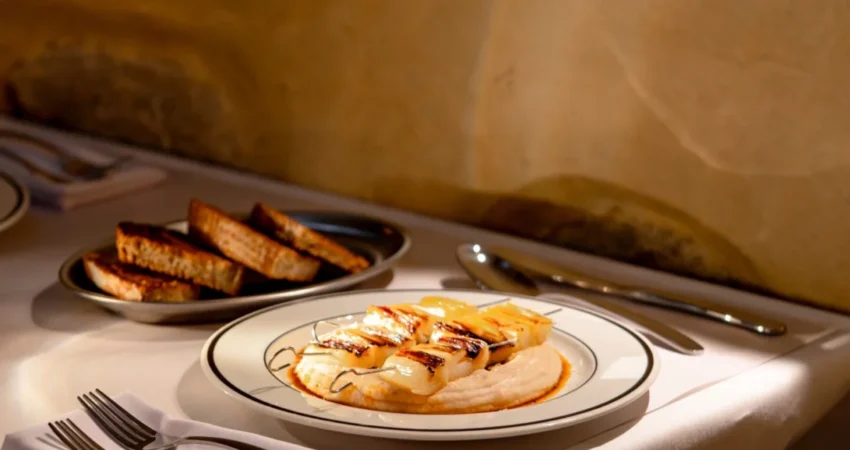
Oaxaca, a city long celebrated as the epicenter of Mexican gastronomic heritage, is currently witnessing a sophisticated evolution in its culinary landscape. While the city’s identity has historically been anchored in the ancestral traditions of mole, mezcal, and the bustling activity of its central markets, a new wave of establishments is seeking to broaden this narrative. Leading this movement is Cesca Bistro, a contemporary dining destination that merges the rigor of French culinary technique with the raw, diverse bounty of the Oaxacan territory. Directed by Chef Saúl Carranza and featuring an interior vision by the design studio Década, Cesca Bistro represents a departure from the traditional "reinterpretive" approach to Oaxacan cuisine, focusing instead on the reinterpretation of the local product itself.
The Culinary Philosophy of Saúl Carranza
The foundation of Cesca Bistro is built upon a specific philosophical distinction: the difference between cooking a recipe and cooking an ingredient. Chef Saúl Carranza, who arrived in Oaxaca thirteen years ago, acknowledges the profound weight of the region’s culinary history. He asserts that the traditional recipes of Oaxaca—those passed through generations of families and market vendors—do not require "modernization" or improvement by outside hands. Instead, Carranza’s approach is to utilize the technical vocabulary he has developed over his career—incorporating fermentations, controlled maturations, and complex Mediterranean-style reductions—to showcase Oaxacan ingredients in a new light.
By sourcing directly from the surrounding mountains, the rugged coastlines, and the diverse stalls of the local markets, Carranza creates a menu that functions as a collection of regional possibilities rather than a postcard of cliché flavors. Mushrooms, quelites (wild greens), and endemic herbs are treated with a technical precision often associated with European bistros, yet they remain fundamentally rooted in the Oaxacan soil. This method allows the restaurant to exist in a state of creative tension: it is firmly "of the place" while speaking a global culinary language.

Architectural Context and the Bauhaus Influence
The physical space of Cesca Bistro, located within the historic fabric of Oaxaca, plays an equal role in defining its identity. Designed by Lucía Corredor of the studio Década, the restaurant’s interior was conceived as a dialogue between existing heritage and modern industrialism. The architecture retains its original character, characterized by exposed stone, weathered brick, and textured walls that carry a natural patina of age. Rather than imposing a sterile modern aesthetic over these historical bones, Corredor opted for a design language of contrast and atemporality.
The name "Cesca" is a direct homage to the iconic B32/B64 chair designed by Marcel Breuer in 1928. A hallmark of the Bauhaus movement, the Cesca chair’s use of tubular steel and cane webbing represented a revolutionary bridge between industrial production and traditional craftsmanship. In the context of the restaurant, this design choice serves as a metaphor for the culinary mission. The presence of chrome accents, marble tabletops, and crisp white linens alongside ancient wood and rough masonry creates a sophisticated yet approachable atmosphere. Corredor’s intent was to ensure the space felt "lived-in," allowing elements like candle wax and natural wear to contribute to the restaurant’s evolving character.
A Chronology of Oaxacan Culinary Evolution
To understand the significance of Cesca Bistro’s emergence, it is necessary to view it within the broader timeline of Oaxaca’s rise as a global cultural destination:
- 2010: UNESCO designates Traditional Mexican Cuisine as an Intangible Cultural Heritage of Humanity, with Oaxacan traditions serving as a primary pillar of the candidacy. This sparked a massive surge in international culinary tourism.
- 2010–2018: A period of "Modern Oaxacan" dominance. Chefs began elevating traditional street foods and market staples into fine-dining settings, often focusing on deconstructing classic moles and tlayudas.
- 2019–Present: The "Product-Centric" shift. A new generation of chefs, including those like Saúl Carranza who have spent over a decade in the region, began moving away from deconstruction. The focus shifted toward the preservation of biodiversity and the application of diverse global techniques to underutilized local ingredients.
- 2024: The opening and stabilization of Cesca Bistro as a key representative of this "New Oaxacan Bistro" style, which prioritizes technical innovation and architectural integration over traditional folk-art aesthetics.
Supporting Data: The Economic and Cultural Impact of Oaxacan Gastronomy
The emergence of high-concept bistros like Cesca is supported by a robust growth in Oaxaca’s service sector. According to data from the Mexican Secretariat of Tourism (SECTUR), Oaxaca has seen a steady 5% to 8% annual increase in international visitor arrivals over the last five years, with "gastronomy" cited as the primary motivator for 60% of these travelers.

Furthermore, the restaurant industry in Oaxaca City has become a vital engine for the regional economy. Establishments like Cesca Bistro contribute to a specialized supply chain that benefits small-scale producers. By prioritizing high-quality, specific ingredients—such as particular varieties of wild mushrooms or coastal seafood—these restaurants provide a higher margin for local farmers and "marchantas" (market women) compared to high-volume, low-quality commodity buyers. Chef Carranza emphasizes that the "root work" of the restaurant begins with the fishermen and campesinos, acknowledging that the technical sophistication in the kitchen is only possible through the integrity of the raw material.
Official Responses and Industry Reception
The reception of Cesca Bistro among culinary critics and local industry peers has focused on its ability to balance sophistication with accessibility. Lucía Corredor’s design philosophy—aiming for a "special place that is not reserved only for special occasions"—has been highlighted as a successful model for urban revitalization in historic centers.
Local culinary commentators have noted that Cesca provides a necessary alternative to the "tasting menu" culture that has come to dominate high-end dining in Mexico. By maintaining a bistro format, the restaurant offers a more flexible, communal experience that aligns with the social nature of Oaxacan life while providing the level of service and technical execution expected by an international audience. The "tension between the cared-for and the imperfect," as Corredor describes it, has been praised for avoiding the "museum-like" feel of many contemporary restorations.
Broader Implications for Regional Gastronomy
The success of Cesca Bistro suggests a maturing of the Oaxacan food scene. It indicates that the city is no longer just a destination for those seeking "the traditional," but also a fertile ground for "the contemporary." This shift has several implications for the future of the region:

- Technical Diversification: The introduction of Mediterranean and French techniques like long-term fermentation and specific maturation processes enriches the local skill set. Local kitchen staff trained in these environments gain a diverse repertoire that blends ancestral knowledge with modern science.
- Sustainability of the Supply Chain: By focusing on "the product" rather than "the recipe," chefs like Carranza can adapt their menus to seasonal availability more fluidly. This reduces the pressure on specific ingredients (like certain chiles used in moles) and encourages the use of a wider variety of biodiverse products.
- Architectural Preservation: The work of firms like Década demonstrates that Oaxacan heritage buildings can be repurposed without losing their soul. This provides a template for sustainable urban development that honors the past while facilitating modern commerce.
- Global Competitiveness: As Oaxaca competes with other global culinary capitals like Lima, Copenhagen, and Tokyo, the presence of diverse dining formats—from market stalls to high-concept bistros—strengthens its position as a multi-faceted destination.
Conclusion: A New Chapter for the City
Cesca Bistro does not seek to compete with the history of Oaxaca; it seeks to participate in it. Through the technical curiosity of Saúl Carranza and the atemporal design of Lucía Corredor, the restaurant offers a window into a Oaxaca that is both ancient and avant-garde. It serves as a reminder that the story of a place is never finished, and that new chapters can be written using the same ink as the old. By treating the territory’s products with the respect of a scientist and the soul of a local, Cesca Bistro has established itself as a vital component of the city’s ongoing culinary and cultural dialogue. As the restaurant ages and its walls continue to acquire the patina of shared meals and conversation, it will undoubtedly become a permanent part of the very history it currently seeks to tell.

0 Comments