
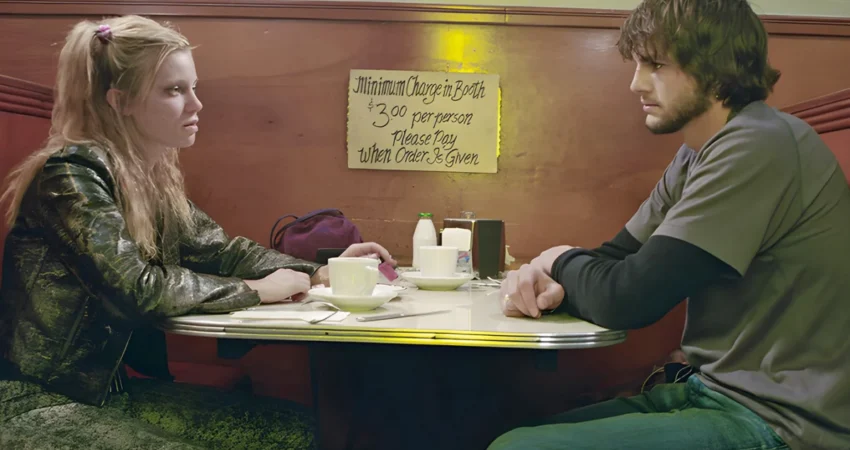
The landscape of early 2000s cinema was marked by a surge in high-concept psychological thrillers, yet few have maintained the enduring, polarizing presence of the 2004 film The Butterfly Effect. Directed by Eric Bress and J. Mackye Gruber, the film recently surpassed its 20th anniversary, prompting a resurgence of interest across global streaming platforms including Netflix and HBO Max. While the film was met with significant critical derision upon its initial theatrical release, it has since achieved a prestigious status as a cult classic. This phenomenon is largely attributed to its uncompromising exploration of chaos theory, temporal paradoxes, and the psychological weight of trauma, anchored by a career-pivoting performance from Ashton Kutcher.
The Narrative Architecture of Temporal Displacement
The Butterfly Effect centers on the life of Evan Treborn, a character plagued by significant memory blackouts during pivotal, often traumatic, moments of his childhood and adolescence. As an adult, Evan discovers that by reading his childhood journals, he can physically and mentally project his consciousness back into his younger self during these periods of amnesia. This discovery transitions the film from a standard psychological drama into a complex exploration of time travel mechanics.
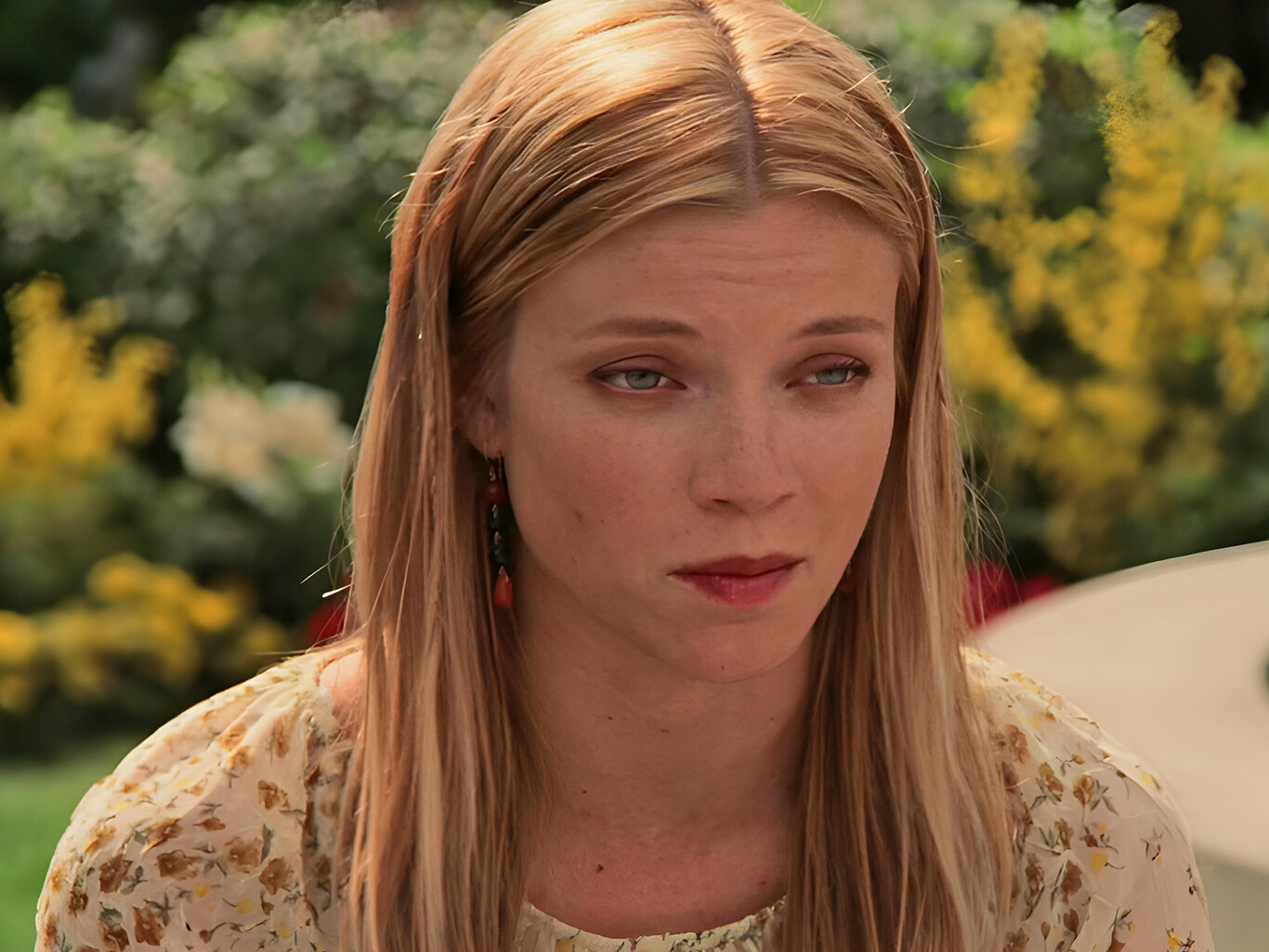
Unlike the more whimsical or adventurous depictions of time travel seen in previous decades, The Butterfly Effect adopts a grim, deterministic view of the universe. The core conceit is based on the concept of "sensitive dependence on initial conditions," a cornerstone of chaos theory. In the film’s internal logic, even the most altruistic attempts to rectify past mistakes lead to catastrophic unforeseen consequences in the present. Evan’s attempts to save his childhood sweetheart, Kayleigh Miller (played by Amy Smart), or prevent a tragic accident involving his friends, consistently result in new timelines where the social and physical decay is often worse than the original reality.
Production History and the Casting of Ashton Kutcher
The development of The Butterfly Effect was characterized by a lengthy pre-production phase. The script, authored by Bress and Gruber, was initially considered too dark and complex for mainstream appeal. However, the project gained significant momentum when Ashton Kutcher signed on to star and executive produce. At the time, Kutcher was primarily known for his comedic role in the sitcom That ’70s Show and the hidden-camera series Punk’d. His involvement was seen as a substantial risk, as audiences were unaccustomed to seeing him in a somber, dramatic capacity.
The production was completed on a relatively modest budget of approximately $13 million. Despite the constraints, the filmmakers utilized creative editing and practical effects to distinguish between the various timelines Evan inhabits. The visual aesthetic of the film shifts subtly with each jump, using color grading and set design to reflect the psychological state of the world Evan has inadvertently created.
Financial Success vs. Critical Reception
Upon its release on January 23, 2004, The Butterfly Effect faced a harsh reception from the professional critical community. On the review aggregator site Rotten Tomatoes, the film currently holds a "Rotten" rating of 35%, based on contemporary reviews. Critics at the time frequently cited the film’s grim tone, perceived plot holes, and the jarring transition for Kutcher as primary weaknesses. Some reviewers labeled the film as "pseudo-intellectual" or overly reliant on shock value regarding its depictions of child abuse and incarceration.
Conversely, the film was a resounding commercial success. It debuted at number one at the North American box office and eventually grossed over $96 million worldwide. This financial performance highlighted a significant disconnect between critical taste and audience interest. Over the subsequent two decades, this gap has only widened. On the same platforms where critics panned the film, audience scores remain high, often hovering around 81%. This enduring popularity suggests that the film’s themes of regret and the desire for "do-overs" resonated deeply with the public, transcending the technical or narrative flaws identified by professional reviewers.
The Four Endings: A Study in Narrative Divergence
One of the most discussed aspects of The Butterfly Effect is its multiple conclusions. The existence of four distinct endings has contributed significantly to its cult status, allowing fans to debate which finale best serves the film’s philosophical message.

- The Theatrical Ending: In this version, Evan travels back to his first meeting with Kayleigh at a childhood party and intentionally insults her, ensuring they never become friends. This act of self-sacrifice saves her from the trauma associated with his life. Years later, they pass each other on a street in New York City; they share a moment of recognition but continue walking in opposite directions.
- The Director’s Cut (The "Infant" Ending): This is widely considered the most controversial and bleakest conclusion. Realizing that his very existence causes suffering to those he loves, Evan travels back to the womb and strangles himself with his own umbilical cord. This radical solution suggests that some lives are fundamentally incompatible with the happiness of others.
- The "Stalker" Ending: Similar to the theatrical ending, Evan and Kayleigh pass each other on the street, but in this version, Evan turns around and begins to follow her, suggesting a potentially darker obsession or an inability to truly let go.
- The "Happy" Ending: In this variation, after passing each other on the street, Evan and Kayleigh actually stop, speak to each other, and decide to get coffee, hinting at a future where they can finally be together without the baggage of their previous timelines.
The Director’s Cut, in particular, solidified the film’s reputation in the sci-fi community, as it leaned into the "tragedy of the paradox" more heavily than the studio-sanctioned theatrical release.
Scientific and Philosophical Context: Chaos Theory
The film’s title is derived from the work of Edward Lorenz, a mathematician and meteorologist who noted that the flapping of a butterfly’s wings in Brazil could theoretically set off a chain of atmospheric events that lead to a tornado in Texas. While Lorenz’s work was rooted in weather prediction and non-linear equations, the film applies this logic to human morality and social interaction.
From a philosophical standpoint, The Butterfly Effect explores the "problem of evil" and the limits of human agency. It poses the question: if we had the power to fix the world, would we have the wisdom to do so without breaking it further? The film’s answer is largely pessimistic, suggesting that the complexity of human life is too vast for any single individual to navigate, even with the benefit of hindsight.
Legacy, Sequels, and Cultural Impact
The success of the original film led to the creation of a franchise, though the subsequent entries failed to capture the same cultural lightning. The Butterfly Effect 2 was released in 2006, followed by The Butterfly Effect 3: Revelations in 2009. Both were direct-to-video releases that lacked the original cast and the specific psychological depth of the first film, focusing more on the thriller aspects of the time-travel mechanic.
In the broader context of cinema, The Butterfly Effect paved the way for other "mind-bending" narratives that gained popularity in the mid-2000s and 2010s. It shares DNA with films like Donnie Darko (2001) and Mr. Nobody (2009), which also grapple with the intersection of memory, choice, and reality. Furthermore, the film’s structure—using a specific object or journal to trigger a jump—has become a recognizable trope in the science fiction genre.
Modern Streaming and Re-evaluation
The availability of The Butterfly Effect on major streaming services like Netflix and HBO Max has introduced the film to a new generation of viewers. In the age of social media, the film’s "what if" scenarios have found a new life through video essays and online discussions. Modern audiences, perhaps more accustomed to "darker" and "grittier" storytelling than those in 2004, have been more willing to overlook the film’s melodramatic tendencies in favor of its ambitious narrative structure.
As it stands today, The Butterfly Effect serves as a case study in the power of audience-driven longevity. While it may never be a critical darling, its position in the pantheon of science fiction is secure. It remains a stark reminder of a specific era in filmmaking where studios were willing to gamble on high-concept, R-rated psychological thrillers that challenged the viewer’s comfort as much as their intellect. For those exploring the depths of the science fiction genre on streaming platforms today, the film offers a haunting, complex journey into the fragility of the human timeline.

0 Comments