
 Pevita Pearce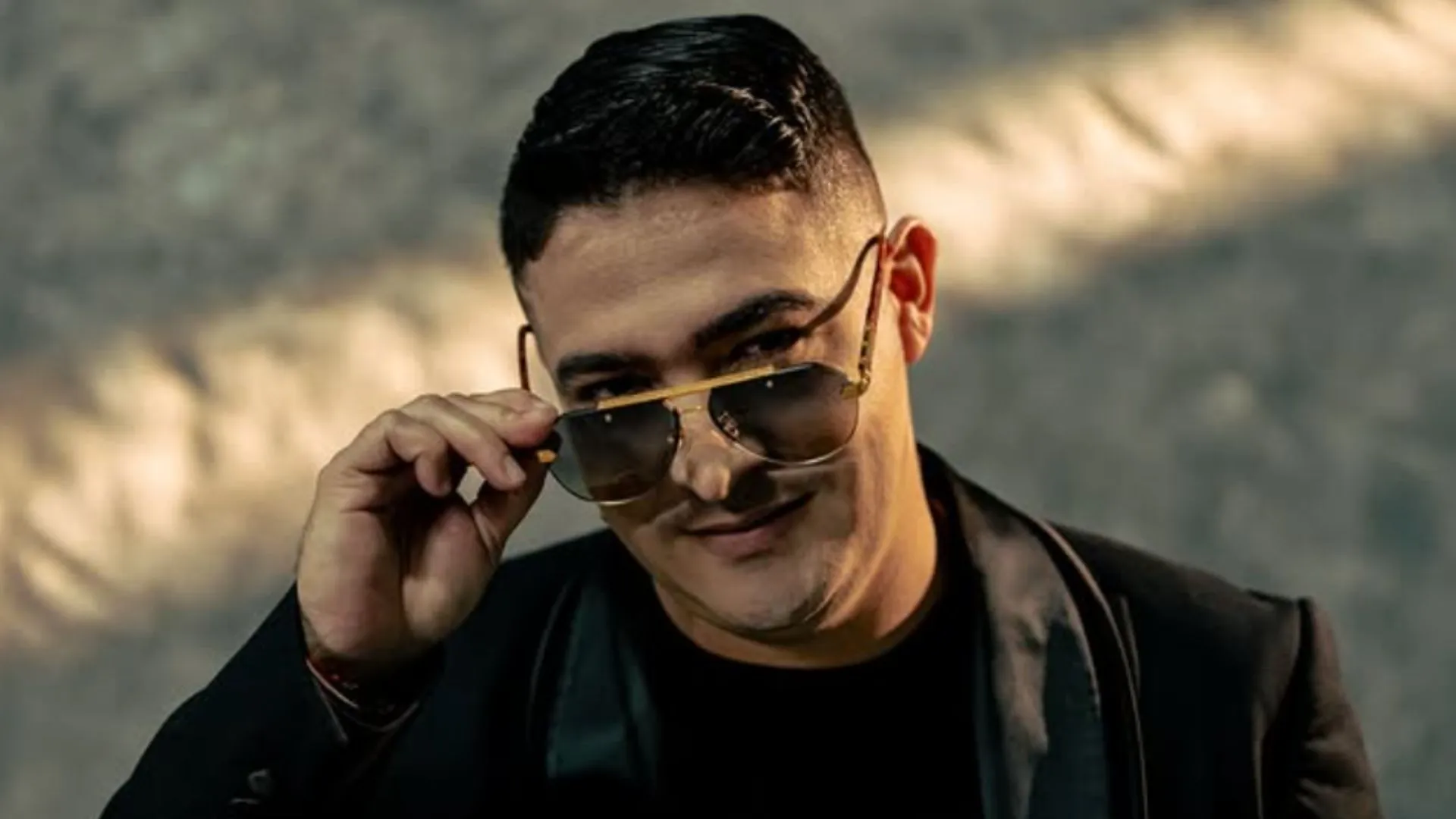
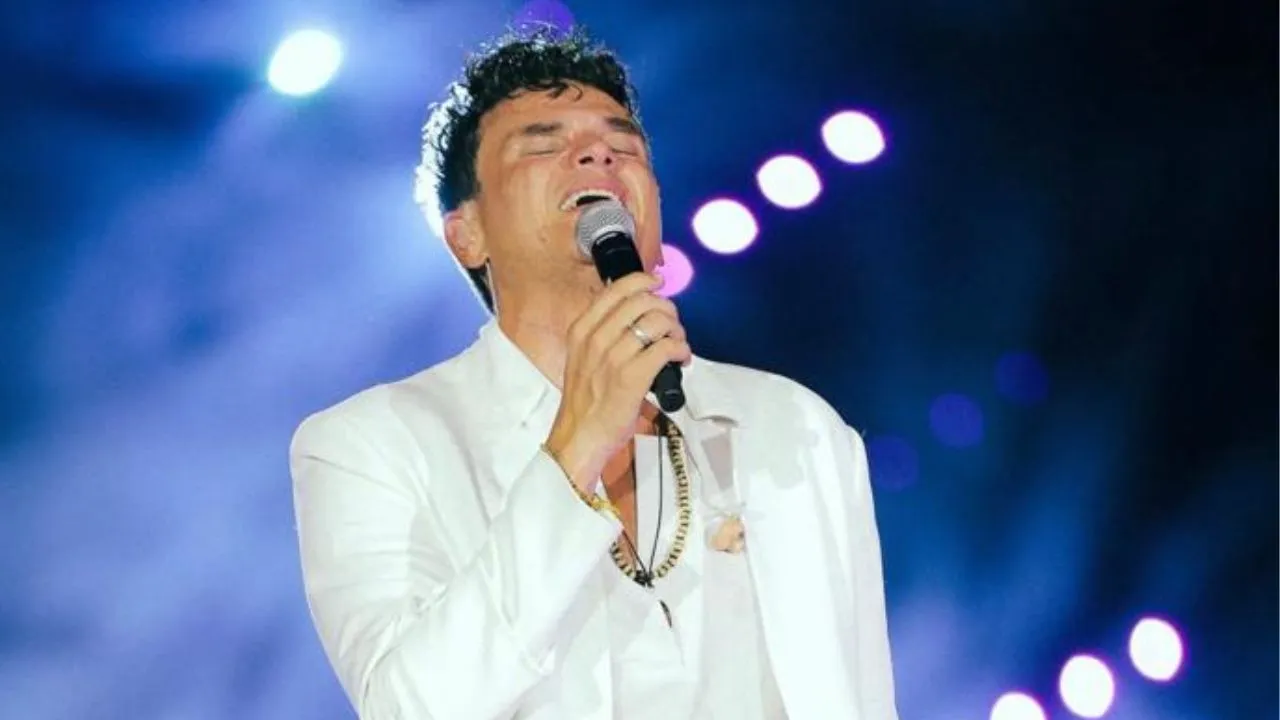
The vibrant music scene of Colombia, particularly the popular music genre, has once again been cast under a shadow of insecurity. Renowned Antioquian singer Julián Daza, known for his energetic performances and relatable lyrics, has publicly denounced a harrowing armed assault that targeted him and his entire team. The incident occurred as they were departing a television interview in the bustling capital city of Bogotá, leaving the artist and his collaborators shaken and robbed of valuable professional equipment and personal belongings.
The brazen attack, which unfolded in a busy urban area, thankfully resulted in no physical injuries. However, the material losses and the profound emotional distress inflicted upon Daza and his entourage underscore a growing concern for safety within the creative industries. This incident is not an isolated event but rather a stark reminder of the persistent challenges faced by public figures and artists navigating the urban landscape.
The Shocking Ambush Outside the Television Studio
According to Daza’s own harrowing account, shared widely across his social media platforms, the assault took place as the group was exiting the premises of a prominent television network. Their departure was violently interrupted by two individuals on a motorcycle who executed a swift and aggressive interception. The narrative painted by Daza vividly describes the moment one of the assailants brandished a firearm, pointing it directly at his press chief and videographer. In a matter of mere seconds, a palpable sense of intimidation permeated the air as the criminals demanded the surrender of all possessions.
The stolen items included essential professional tools such as mobile phones, cameras, and valuable jewelry, alongside other critical audiovisual equipment. These are not mere trinkets but represent the very instruments that fuel Daza’s artistic endeavors and contribute to the production of his widely appreciated music. The loss of such assets poses a significant setback for an artist constantly striving to connect with his audience through high-quality content.
Julián Daza’s Personal Testimony of Fear and Frustration
Speaking directly to his over 245,000 followers on Instagram, Julián Daza recounted the distressing experience, articulating the intense anxiety that gripped him and his team. His words carried a palpable weight of disappointment and disbelief.
"How sad that unpleasant things happen," Daza lamented in a video post, his voice tinged with emotion. "We were leaving a television channel when an armed person arrived and took the equipment of our filmmaker and several cell phones. But the most frustrating thing is that when you ask for help with the cameras to file a complaint, there’s nothing, it’s begging for them to facilitate the recordings."
This sentiment of being left to navigate the aftermath of a violent crime with bureaucratic hurdles further amplified the artist’s distress. The desire to facilitate justice and prevent future occurrences was met with what he perceived as an obstructive and uncooperative response regarding access to crucial evidence.
He continued, his voice rising slightly with a mixture of relief and indignation, "Thank God nothing happened, but they put a gun to all of us. It’s incredible that one only asks for help so that this doesn’t happen again, and it’s still so complicated."
The incident, though devoid of physical harm, left an indelible mark of vulnerability on the artist and his collaborators. The feeling of being targeted and threatened, even in a seemingly secure environment, can have long-lasting psychological effects.
The Chronology of the Attack and Its Aftermath
The armed robbery, while swift, was not entirely unnoticed. The intervention of observant taxi drivers in the vicinity played a crucial role in preventing a potentially more prolonged and devastating ordeal. Their persistent honking and commotion upon witnessing the unfolding events reportedly startled the assailants, compelling them to flee the scene hastily. Despite the intervention, the criminals managed to escape with the stolen goods.
Following the traumatic experience, Daza promptly proceeded to the authorities to file a formal complaint. However, his frustration was palpable as he encountered significant obstacles in obtaining access to the security camera footage from the area surrounding the television studio. He emphasized that this visual evidence was critical for the ongoing investigation and for potentially identifying the perpetrators. The perceived difficulty in accessing these recordings has raised questions about the efficiency and responsiveness of security protocols and law enforcement’s ability to aid victims in such critical moments.
Broader Implications for the Music Industry and Public Figures
The attack on Julián Daza serves as a stark reminder of the precarious security situation that continues to plague Colombia, particularly its capital. The incident is not merely an isolated crime but reflects a broader trend of rising insecurity that impacts various sectors of society, including artists and cultural figures who often find themselves in the public eye.
The popular music genre, which has seen significant growth and commercial success in recent years, often involves artists performing in public spaces, attending events, and engaging with media outlets. These activities inherently increase their exposure and, consequently, their vulnerability to criminal activities. The financial losses incurred by Daza extend beyond the monetary value of the stolen equipment; they represent a disruption to his creative workflow and a potential setback in his career trajectory.
The Artist’s Resilience and Continued Commitment
Originating from the vibrant region of Antioquia, Julián Daza has been steadily building a formidable career in popular music. His discography boasts hits like "Dios me dijo," "No está pa’ nadie," "Un dilema," and "Te propongo," which have resonated with a wide audience across the country. His growing visibility on various national stages highlights his success in a genre where established figures like Yeison Jiménez have become prominent reference points.
Despite the fear and frustration stemming from the armed robbery, Daza has affirmed his unwavering commitment to his professional agenda. He concluded his public statement with gratitude for the outpouring of support he has received and a strong condemnation of violence, emphasizing that such acts should not be normalized. As the legal process for his complaint unfolds, Daza’s determination to continue his artistic endeavors serves as an inspiration, demonstrating resilience in the face of adversity. The incident, however, necessitates a broader conversation about enhancing security measures for artists and public figures and streamlining the process for victims seeking justice.
Addressing the Security Deficit: A Call for Action
The challenges faced by Julián Daza in accessing security footage for his denuncia highlight a systemic issue that requires urgent attention. For effective crime prevention and prosecution, seamless cooperation between private entities, such as television networks, and law enforcement agencies is paramount. Robust protocols for data sharing and immediate access to surveillance footage in the aftermath of a crime are essential to expedite investigations and increase the likelihood of apprehending perpetrators.
Furthermore, the incident calls into question the adequacy of security measures in public spaces and around media establishments in Bogotá. While the city has made strides in various aspects, the persistent threat of armed robbery underscores the need for continuous evaluation and reinforcement of security strategies. This includes increased police presence in vulnerable areas, improved surveillance systems, and public awareness campaigns on personal safety.
The Colombian music industry, a significant contributor to the nation’s cultural and economic landscape, deserves a secure environment for its artists to thrive. The courage displayed by Julián Daza in speaking out not only sheds light on his personal ordeal but also serves as a catalyst for dialogue and action aimed at fostering a safer environment for all public figures and citizens alike. The full weight of the law must be brought to bear on those who perpetrate such acts, and the systems designed to protect citizens must be demonstrably efficient and responsive. The reverberations of this unfortunate event extend beyond the individual artist, prompting a collective re-evaluation of security protocols and a renewed commitment to ensuring the safety and well-being of all those who contribute to the vibrant cultural tapestry of Colombia.


 Eva Lovia
 Julia Chirkova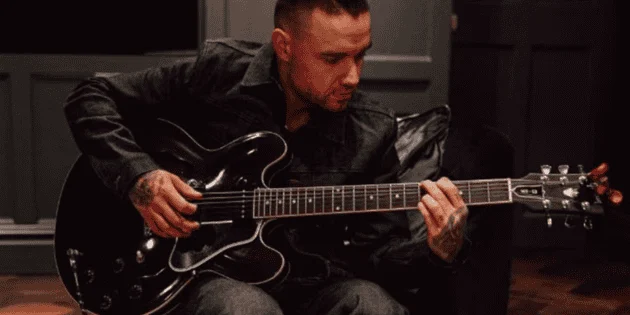
 Julia Prastini
 Nila Kartika Wati
 Jia Lissa
 admin
admin