

A Farewell Befitting a Maestro: New York’s Musical Send-off for Willie Colón
The final journey of William Anthony Colón Román, a name synonymous with innovation and social commentary in salsa music, was far from a somber affair. In a testament to his enduring spirit and the profound impact of his artistry, thousands gathered on the avenues of New York City, transforming his funeral procession into a pulsating celebration of life and legacy. Friends, fellow musicians, and legions of devoted fans united, their voices echoing with the anthems that defined a generation and cemented Colón’s status as a cultural icon.
The air thrummed with the unmistakable, resonant blare of trombones, a signature instrument that Colón wielded with masterful precision, infusing it with a rebellious energy that became a hallmark of the Fania All-Stars. This powerful brass section, a direct homage to his pioneering sound, led the procession through the iconic streets of the Big Apple, guiding his final passage with a fervor that mirrored the passion he poured into his music. The "Murga Panameña," a spirited ensemble, set the rhythm for this unique send-off, their vibrant performance underscoring the festive yet deeply respectful nature of the occasion.
The Final Trombone Solo: A Global Echo of Remembrance
Images capturing this emotionally charged farewell have rapidly circulated across social media platforms, resonating with a global audience touched by Colón’s musical genius. Among the most poignant moments captured was the rendition of his timeless classics, elevated by the virtuosic trombone solo performed by Dewell Narváez, a fellow musician and kindred spirit in the salsa fraternity. Narváez’s contribution served as a powerful sonic tribute, a direct dialogue with the maestro’s legacy, uniting the collective sentiment of millions of salsa enthusiasts worldwide.
The Museo Planeta Salsa, a cultural institution dedicated to preserving and promoting salsa heritage, shared its reflections on the event, encapsulating the prevailing mood: "What a beautiful farewell for ‘El Malo del Bronx,’ don Willie Colón… A good journey… May God receive you in His bosom. And present there, the trombone of my brother Dewell Narváez." This sentiment highlights the deep personal connection many felt with Colón, not just as an artist, but as a cultural touchstone.
A poignant video shared by "Por la calle del Medio" on Twitter, dated March 9, 2026, further documented the solemn yet spirited departure following a mass at the iconic St. Patrick’s Cathedral in New York. The clip featured the evocative rendition of one of Colón’s unforgettable hits, a fitting soundtrack to his final moments in the city that shaped his iconic persona.
Willie Colón: A Societal Chronicler Through the Lens of Salsa
William Anthony Colón Román’s influence extended far beyond the realm of musical performance. He emerged as a profound social chronicler, using the vibrant canvas of salsa to articulate the experiences, struggles, and triumphs of the Latino migrant community. His collaborations with legendary figures such as Héctor Lavoe and Rubén Blades were instrumental in shaping the trajectory of salsa music, transforming it into a powerful vehicle for cultural identity and a voice for the marginalized.
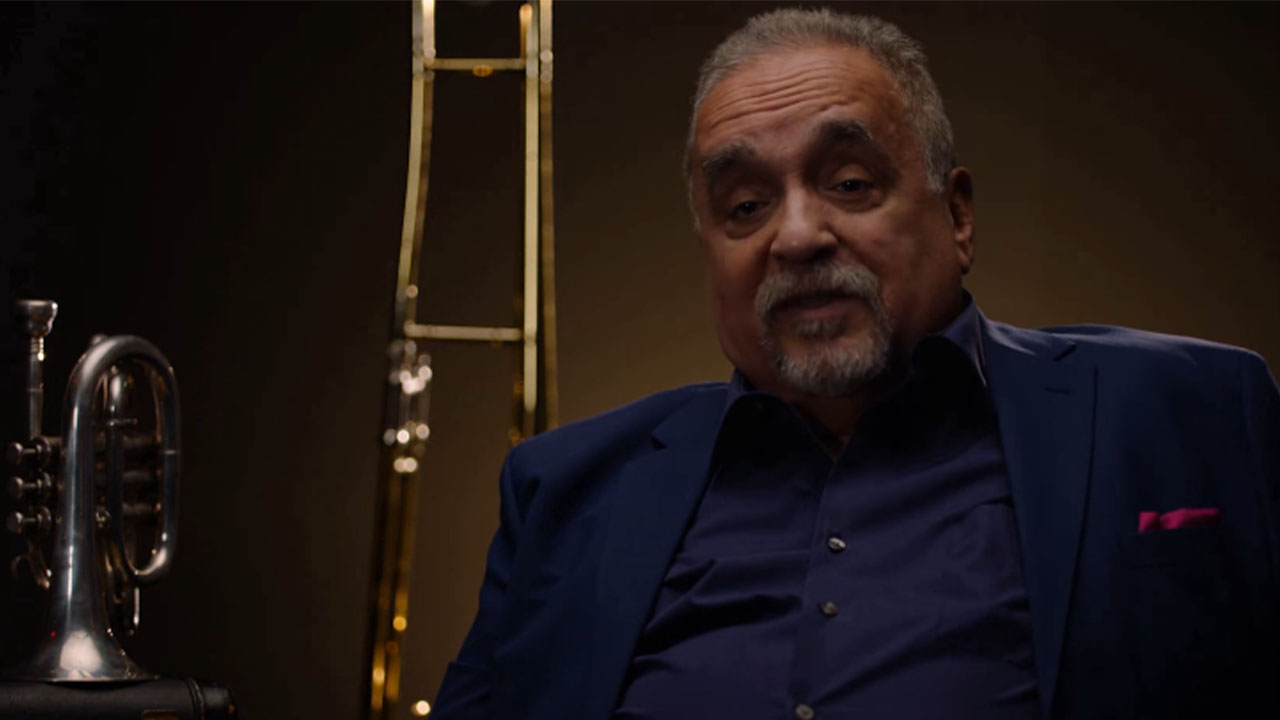
His career, spanning over six decades, was characterized by a relentless pursuit of artistic excellence and a commitment to social relevance. The "trombone of justice," as his instrument was often metaphorically dubbed, never ceased to sound, its powerful notes carrying messages of hope, resilience, and cultural pride. Colón’s innovative arrangements, his bold lyrical content, and his willingness to push the boundaries of the genre set him apart, solidifying his position as a pivotal figure in Latin music history.
Born in the Bronx in 1951, Colón’s musical journey began at a young age. He joined the burgeoning Fania Records label in the late 1960s, quickly becoming a key architect of the salsa sound that would conquer the world. His early work with Héctor Lavoe, including seminal albums like "The Hustler" and "Vigilante," showcased his unique blend of traditional Cuban rhythms with jazz influences and a raw, urban sensibility. These collaborations were not merely musical endeavors; they were sonic narratives that captured the spirit of a generation navigating the complexities of life in New York City.
The partnership with Rubén Blades in the late 1970s and early 1980s marked another significant chapter in Colón’s career. Together, they produced albums like "Siembra" (1978), which became one of the best-selling salsa albums of all time, and "Corazón" (1980). These works were lauded for their sophisticated musicality and Blades’ incisive, socially conscious lyrics, which addressed themes of poverty, immigration, and political corruption. "Siembra," in particular, is often cited as a masterpiece of the salsa genre, a testament to the power of music to serve as a platform for social dialogue and cultural empowerment.
A Legacy of Innovation and Social Consciousness
Beyond his recording career, Colón was a tireless advocate for artistic and cultural preservation. He championed initiatives aimed at supporting emerging artists and preserving the rich heritage of Latin music. His commitment to education and his willingness to mentor younger musicians further cemented his status as a benevolent elder statesman of the salsa world.
The impact of Colón’s music reverberates through countless genres and artistic expressions. His influence can be heard in contemporary Latin urban music, in jazz fusions, and in the works of artists across the globe who have been inspired by his groundbreaking approach. The "Malo del Bronx" wasn’t just a nickname; it was an acknowledgment of his fearless artistic spirit, his willingness to challenge conventions, and his unwavering dedication to authentic expression.
Broader Implications and Enduring Resonance
Willie Colón’s passing represents more than the loss of a musical icon; it signifies the end of an era defined by a particular brand of unapologetic cultural expression. In an increasingly globalized and homogenized world, Colón’s music served as a vital anchor, connecting diasporic communities to their roots and providing a soundtrack for their collective identity. His ability to weave together disparate musical influences and social commentary created a sonic tapestry that was both deeply personal and universally resonant.
The enduring appeal of his music lies in its ability to transcend generations and geographical boundaries. His songs continue to be celebrated in dance halls, at festivals, and in the hearts of those who find solace, joy, and empowerment in their rhythms and lyrics. The "trombón de la justicia" may have fallen silent, but its echoes will continue to inspire and resonate for decades to come.
New York City, the city that forged his legend, now mourns, but it also dances. For as Willie Colón himself proclaimed in his enduring lyrics, life is a fiesta, a celebration that continues in the vibrant memory of his unforgettable songs. His legacy is not one of quiet repose, but of continued vibrancy, a testament to the enduring power of music to unite, to inspire, and to immortalize a cultural giant. The rhythm of his trombones will forever be etched into the soul of salsa and the heart of the city that was his home.

0 Comments