
The cinematic landscape of the mid-2010s was defined by the rapid ascent and eventual saturation of the young adult (YA) dystopian genre, a trend catalyzed by the massive success of franchises such as The Hunger Games and Twilight. Among these properties, The Maze Runner trilogy, based on the novels by James Dashner and directed by Wes Ball, carved out a distinct niche by prioritizing visceral action, mystery-driven narratives, and a gritty aesthetic that eschewed the polished futurism of its contemporaries. Originally released between 2014 and 2018, the trilogy has recently seen a significant resurgence in relevance as it becomes available across major global streaming platforms including Netflix and Disney+, allowing a new generation of viewers to evaluate its contribution to the science fiction genre.
The Genesis of the Glade and the 2014 Cinematic Debut
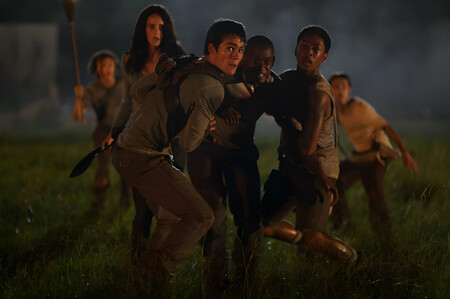
The franchise began in September 2014 with the release of The Maze Runner, a film that introduced audiences to Thomas, portrayed by Dylan O’Brien. The premise centers on a group of male adolescents who find themselves trapped in "The Glade," a self-sustaining community surrounded by an ever-changing, lethal stone labyrinth. The narrative hook—a protagonist with no memory of his past thrust into a high-stakes survival scenario—resonated strongly with international audiences.
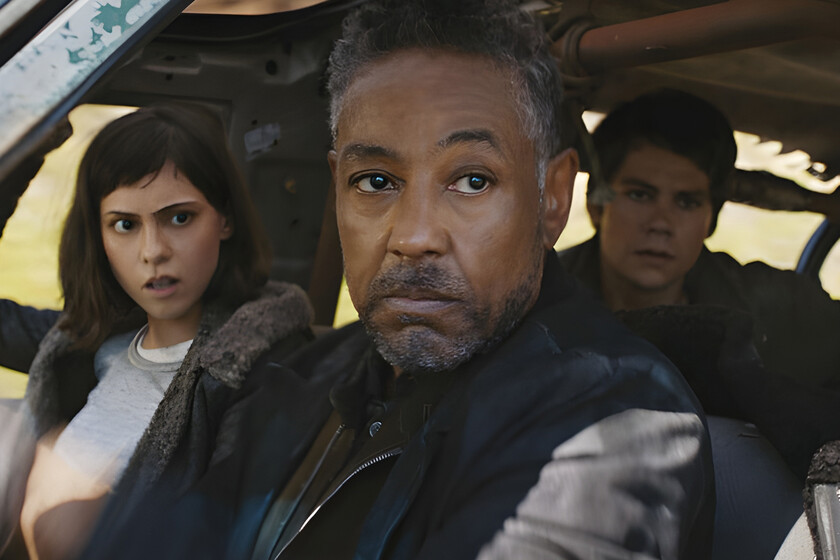
Produced on a relatively modest budget of $34 million, the first installment was a commercial powerhouse for 20th Century Fox. It earned $102.4 million in North America and a staggering $245.9 million in international territories, totaling $348.3 million worldwide. This financial success was attributed to the film’s "physicality," a term frequently used by critics at the time to describe the reliance on practical sets and athletic performances rather than over-saturated digital effects. Unlike the political commentary found in The Hunger Games, The Maze Runner focused on the mechanical and biological horrors of its setting, specifically the "Grievers"—biomechanical entities that patrolled the maze at night.
Chronology of a Franchise A Timeline of Production and Narrative Shifts
The trajectory of the Maze Runner series is marked by distinct shifts in tone and setting, moving from the claustrophobic mystery of the first film to the sprawling post-apocalyptic landscapes of the sequels.
- The Maze Runner (2014): Established the mystery of the World In Catastrophe: Killzone Experiment Department (WCKD) and the concept of the "Immunes." It concluded with the revelation that the maze was merely "Phase One" of a global experiment.
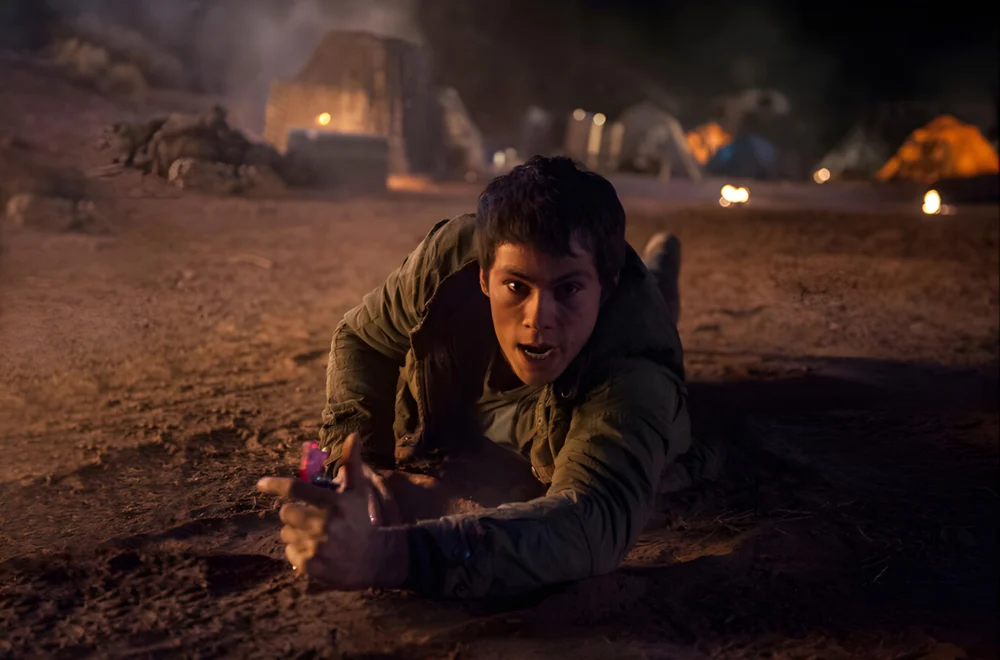
- Maze Runner: The Scorch Trials (2015): Released just one year later, this installment expanded the scope to "The Scorch," a desert wasteland inhabited by "Cranks"—humans transformed into zombie-like creatures by the "Flare" virus. This film transitioned the series into a survivalist chase movie, grossing $312.3 million globally.
- Maze Runner: The Death Cure (2018): The final chapter faced significant hurdles, which ultimately delayed its release and altered the momentum of the franchise.
The timeline of the third film is particularly noteworthy in Hollywood production history. Originally scheduled for a February 2017 release, production was halted on March 17, 2016, following a severe on-set accident involving lead actor Dylan O’Brien. While filming a stunt involving two moving vehicles, O’Brien was pulled from one vehicle and struck by another, resulting in a concussion, facial fractures, and various lacerations. The severity of the injuries led to an indefinite hiatus, with 20th Century Fox eventually pushing the release date back nearly a year to January 2018 to allow for O’Brien’s full recovery.

The Impact of the Dylan O’Brien Accident and Cast Solidarity
The accident involving O’Brien served as a pivotal moment for the production, testing the resolve of the cast and crew. Director Wes Ball and the supporting cast, including Thomas Brodie-Sangster, Kaya Scodelario, and Ki Hong Lee, remained vocal about their commitment to finishing the story only when their lead actor was ready. Industry analysts noted that this delay, while necessary for safety and ethical reasons, occurred at a precarious time for the YA genre. By 2018, the fervor for dystopian adaptations had cooled significantly, as evidenced by the declining returns of the Divergent series, which saw its final installment canceled for theatrical release.
Despite these market headwinds, The Death Cure managed to gross $288.2 million. While it was the lowest-grossing entry in the trilogy, it was lauded by the fanbase for providing a definitive conclusion, a rarity in an era where many YA franchises were being split into two-part finales or left unfinished due to poor performance.
Technical Execution and Creative Direction
One of the most enduring aspects of the Maze Runner trilogy is the creative continuity provided by Wes Ball, who directed all three films. This is a departure from other major franchises that often rotate directors between installments. Ball, who had a background in visual effects, utilized a "lean" production style.
The production utilized diverse locations to ground the sci-fi elements in reality. The first film was shot in Louisiana, utilizing the humid, overgrown environments to simulate the Glade. The Scorch Trials moved to the arid landscapes of New Mexico, while The Death Cure was filmed primarily in Cape Town, South Africa. This geographical diversity helped visual storytellers distinguish the "phases" of the WCKD experiments.
Furthermore, the involvement of Weta Digital for the visual effects ensured that the Grievers and the decaying cities of the future maintained a high level of detail. Critics often pointed out that the series looked more expensive than its budgets suggested, a testament to the efficient use of resources and the director’s visual expertise.
Market Analysis and the Decline of the YA Dystopia
The Maze Runner trilogy serves as a case study for the lifecycle of the young adult dystopian trend. Between 2012 and 2015, Hollywood studios aggressively pursued Dashner-esque properties, hoping to replicate the multi-billion-dollar success of Katniss Everdeen’s journey. However, the market quickly became oversaturated.

Data from Box Office Mojo indicates that while The Maze Runner (2014) benefitted from being at the peak of the trend, the subsequent films had to contend with "genre fatigue." By the time The Death Cure arrived in 2018, the cultural zeitgeist had shifted toward superhero cinematic universes and nostalgic reboots. Nevertheless, the trilogy is often cited as one of the few that maintained its quality and narrative integrity until the end. Analysts suggest that the series avoided the pitfalls of its peers by focusing on a "mystery-box" format in the first film, which secured a loyal audience curious about the world-building, rather than relying solely on romantic subplots.
The Streaming Resurgence and Cultural Longevity
In the current media landscape, the Maze Runner trilogy has found a second life on streaming services. In regions like Mexico and Latin America, the films are currently accessible via Disney+, Netflix, and Mercado Play. This accessibility is significant because it allows the trilogy to be consumed as a singular, binge-watchable narrative arc, which often improves the reception of the middle chapters that were criticized for their pacing during theatrical runs.
The themes of the trilogy—mistrust of authoritarian institutions (WCKD), the ethics of human experimentation for the "greater good," and the resilience of youth in the face of ecological and biological collapse—remain highly relevant. The "Flare" virus narrative, in particular, has invited contemporary comparisons to global health crises, providing a layer of unintended social commentary that was not as prominent during the initial release.
Legacy and Future Implications
The legacy of the Maze Runner series is also reflected in the careers of its ensemble cast. Dylan O’Brien has transitioned into a respected actor in both independent cinema and action thrillers, while Will Poulter (Gally) joined the Marvel Cinematic Universe, and Thomas Brodie-Sangster continued his success in prestige television like The Queen’s Gambit.
In May 2024, reports surfaced that 20th Century Studios is in early development for a reboot or a new installment in the Maze Runner universe. While details remain scarce, the studio has reportedly engaged Jack Paglen (Transcendence) to script the project. This move suggests that the intellectual property remains valuable to Disney (which acquired Fox in 2019) and that there is a belief that the "Maze" concept still holds untapped potential for the modern audience.
The Maze Runner trilogy stands as a definitive pillar of 2010s cinema. While it may not have reached the cultural zenith of The Hunger Games, its technical execution, the perseverance of its cast following a near-fatal accident, and its successful navigation of a volatile market ensure its place in the history of science fiction. For those revisiting the series today, it offers a cohesive, intense, and emotionally grounded journey through a world that, despite its fantastical elements, feels increasingly reflective of modern anxieties regarding technology, control, and survival.

0 Comments