
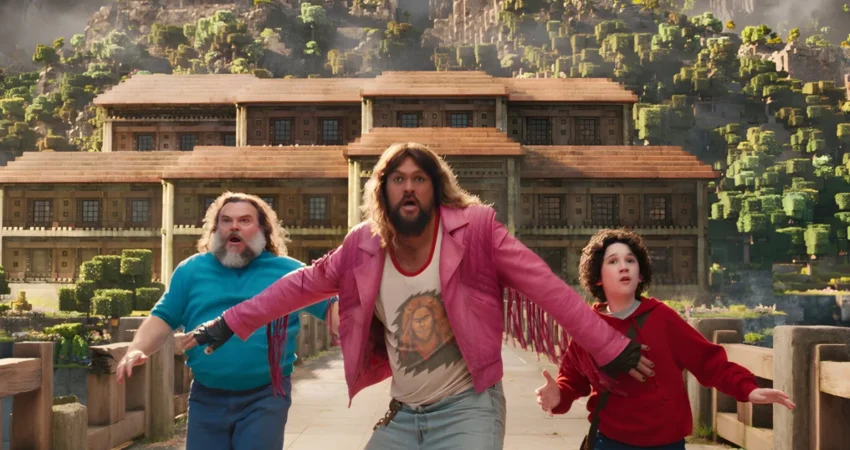
The transition of beloved video game intellectual properties to the silver screen has historically been a volatile endeavor, yet few examples illustrate the current "critic-proof" nature of fan-driven franchises as clearly as the recent trajectory of A Minecraft Movie. Despite a polarizing reception from professional critics, the film has successfully leveraged its massive global fan base to secure a dominant position in the streaming landscape. After concluding a theatrical run that saw it gross nearly $960 million worldwide, the live-action and CGI hybrid has now claimed the number one spot on Netflix’s global viewership charts, reaffirming the enduring power of the Mojang-created universe.
The film’s arrival on streaming platforms marks the final chapter in a journey that spanned over a decade, characterized by production delays and shifting creative visions. While the cinematic interpretation of the sandbox game faced significant skepticism during its promotional phase, the commercial results suggest that the "Overworld" holds a magnetic pull for younger audiences and gaming enthusiasts that transcends traditional narrative critiques.
The Disconnect Between Critical Reception and Commercial Success
When A Minecraft Movie debuted in early 2025, it was met with a wave of critical derision. Professional reviewers frequently cited a "disjointed narrative" and "visual inconsistency," resulting in a lackluster 45% approval rating on platforms like Rotten Tomatoes. Critics argued that the film struggled to find a balance between its live-action human protagonists and the block-based aesthetics of the source material. Many compared it unfavorably to more narratively cohesive adaptations like HBO’s The Last of Us or the visually groundbreaking Spider-Man: Into the Spider-Verse.
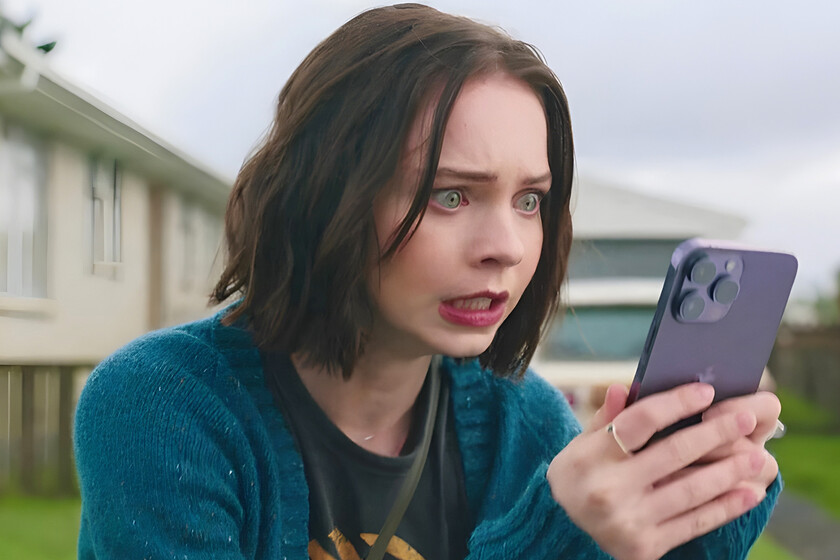
However, the audience response told a vastly different story. On the same platforms where critics panned the film, audience scores remained high, often hovering in the 80th to 90th percentile. This divergence highlights a growing trend in Hollywood: for established IPs with billions of hours of engagement, "fan service" and brand recognition often outweigh traditional storytelling metrics. The film’s ability to gross $960 million at the global box office places it among the highest-earning video game adaptations of all time, rivaling the success of The Super Mario Bros. Movie and the Sonic the Hedgehog franchise.
A Decadelong Journey: The Chronology of Production
The path to the big screen was anything but linear for Minecraft. The project was first announced by Mojang founder Markus "Notch" Persson in 2014, shortly before the company was acquired by Microsoft for $2.5 billion. The initial announcement sparked a frenzy of speculation, but the film soon entered what industry insiders call "development hell."
- 2014–2016: Director Shawn Levy was initially attached to the project but departed due to creative differences with Mojang. Following his exit, Rob McElhenney, creator of It’s Always Sunny in Philadelphia, took the helm with a vision for a massive, high-budget adventure.
- 2018–2020: McElhenney eventually left the project as well, citing scheduling conflicts and shifting studio priorities at Warner Bros. The release date was pushed back multiple times, and the script underwent several complete rewrites.
- 2022: Jared Hess, known for Napoleon Dynamite and Nacho Libre, was officially named director. This appointment signaled a shift toward a more eccentric, comedic tone for the film.
- 2023–2024: Casting announcements, including Jack Black as the iconic character "Steve" and Jason Momoa as "Garrett ‘The Garbage Man’ Garrison," drew significant social media attention. Principal photography took place largely in New Zealand, utilizing massive practical sets supplemented by cutting-edge CGI.
- 2025: The film finally premiered in theaters, overcoming a decade of skepticism to become a global box office phenomenon before transitioning to Netflix.
Plot Overview and the Mechanics of the Overworld
The narrative of A Minecraft Movie follows four "misfits"—Garrett, Henry, Natalie, and Cass—who find themselves struggling with ordinary problems in the real world. Their lives are irrevocably changed when they are pulled through a mysterious portal into the Overworld, a bizarre, cubic wonderland that operates on the logic of the game.
To return home, the group must master the rules of this new world, which involves crafting, building, and defending against nocturnal threats. They eventually encounter Steve, played by Jack Black, a master crafter who has been living in the Overworld for years. Steve serves as both a mentor and a comedic foil, embodying the "survivalist" spirit that millions of players have experienced since the game’s alpha release in 2009.

The film leans heavily into the visual language of the game. From the square-shaped sun to the physics of floating blocks and the explosive mechanics of Creepers, the production team prioritized recognizable elements over realism. This decision was a primary point of contention for critics but acted as a significant draw for the game’s core demographic, who viewed the film as a high-budget celebration of their digital hobby.
Analyzing the Economic Impact and Streaming Strategy
The success of A Minecraft Movie on Netflix is not an isolated incident but part of a calculated strategy by Warner Bros. and Legendary Pictures to maximize the "long-tail" value of the IP. By releasing the film on Netflix after its theatrical run, the studios have tapped into a secondary audience that may have missed the cinema experience or preferred to watch the film in a family setting at home.
Data from the first 72 hours of the film’s availability on Netflix indicates that it reached the number one spot in over 80 countries. This performance is attributed to several factors:
- Family Accessibility: Minecraft is a multi-generational brand. Parents who grew up with the game now play it with their children, making the film an ideal "family movie night" choice.
- Global Reach: The game has no cultural barriers; its mechanics are universal. This allowed the film to perform exceptionally well in international markets, particularly in Asia and Latin America, where Minecraft’s player base remains massive.
- Re-watchability: Unlike complex dramas, high-energy adventure films with heavy CGI are frequently re-watched by children, a metric that Netflix’s algorithm rewards heavily.
Comparison with the "Video Game Curse" Precedents
For decades, the "video game curse" suggested that interactive media could not be successfully adapted into a passive cinematic format. Failures like the 1993 Super Mario Bros. or various Resident Evil installments reinforced this narrative. However, the last five years have seen a paradigm shift.
A Minecraft Movie follows in the footsteps of The Super Mario Bros. Movie ($1.36 billion) and Sonic the Hedgehog 2 ($405 million). These films shared a common trait: they were largely dismissed by critics for being "simple" or "derivative," yet they achieved massive financial success by remaining fiercely loyal to the aesthetics and "feel" of the games. Industry analysts suggest that the "curse" has been broken not by better screenwriting, but by studios finally understanding that the audience for these films values atmosphere and brand loyalty over traditional narrative complexity.
Official Reactions and Future Implications
While Microsoft and Mojang have been relatively reserved regarding the critical feedback, their internal metrics for success are likely tied to brand engagement. Historically, a major film release for a gaming IP leads to a significant spike in game downloads, merchandise sales, and server activity.
In a brief statement following the film’s theatrical success, representatives from Legendary Pictures noted: "The overwhelming response from the Minecraft community has been our greatest reward. Seeing the Overworld brought to life and embraced by fans of all ages confirms that this is only the beginning of our journey into this expansive universe."
The implications of this success are clear. The "Minecraft Cinematic Universe" is no longer a hypothetical concept but a financial reality. Discussions regarding sequels, spin-off series, and even animated prequels are reportedly already underway. Furthermore, the film’s success reinforces Netflix’s position as the premier destination for high-budget family content, often serving as the "second life" for films that might have had divisive theatrical runs.

Conclusion: The Power of the Blocky Aesthetic
A Minecraft Movie serves as a definitive case study in modern entertainment. It proves that in the current media landscape, a well-managed IP with a dedicated fan base can withstand even the most scathing critical reviews. By prioritizing the "fun" and "recognizability" of the Minecraft experience, the filmmakers created a product that resonated with its intended audience, regardless of whether it met the standards of traditional cinema.
As the film continues to break records on Netflix, it stands as a testament to the cultural footprint of the game created by a small Swedish team over fifteen years ago. For the millions of fans watching at home, the logic of the Overworld is not "disparate" or "senseless"—it is home. Whether through crafting a pickaxe or defeating an Ender Dragon, the film has successfully captured the spirit of a generation that prefers to build their own worlds rather than just inhabit someone else’s.

0 Comments