
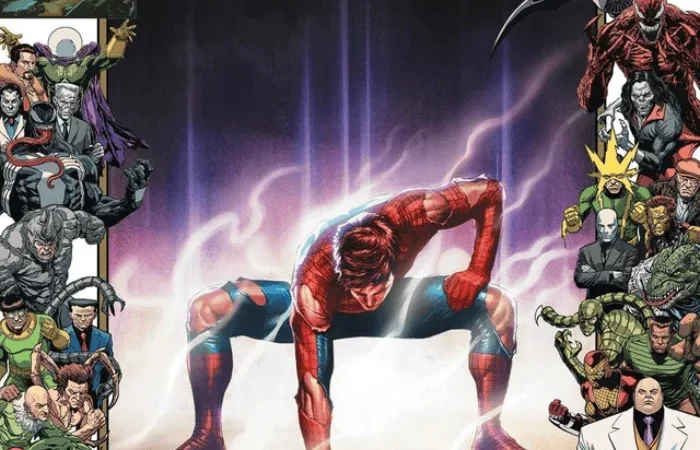
The universes of Western comic books and Japanese manga have once again intersected in a landmark collaboration that has captured the attention of collectors and fans worldwide. To commemorate the publication of the monumental one-thousandth issue of The Amazing Spider-Man, the venerable publisher, Marvel Comics, released a special variant cover featuring Peter Parker, the titular web-slinger, in a meticulously rendered recreation of the characteristic combat pose of Monkey D. Luffy, the beloved protagonist of Eiichiro Oda’s globally acclaimed Japanese manga series, One Piece. This unique artistic fusion not only highlights the growing cross-cultural exchange within sequential art but also marks a significant moment for both franchises, celebrating their enduring legacies and profound impact on global pop culture.
A Convergence of Iconic Universes
The highly anticipated variant cover for The Amazing Spider-Man #1000 depicts the New York hero crouched low, one fist pressed against the ground, enveloped in a distinctive vaporous effect. This visual directly emulates the activation of Luffy’s "Gear Second" (Gear 2) transformation, one of the most iconic power-ups conceived by One Piece creator Eiichiro Oda. In One Piece, Gear 2 involves Luffy increasing his blood flow to boost his physical abilities, often accompanied by steam emanating from his body, signifying immense power and speed. The visual homage is instantly recognizable to One Piece fans, translating the raw energy and dynamic posture of Luffy’s signature move into the aesthetic of the Marvel Universe. The illustration, an impressive feat of artistic interpretation, bridges two distinct yet equally celebrated visual storytelling traditions. It transforms a quintessential element of manga action into the familiar world of American superhero comics, demonstrating a profound respect for the source material while offering a fresh perspective on a classic character.
Celebrating a Marvel Milestone: The Amazing Spider-Man #1000
The release of The Amazing Spider-Man #1000 is a monumental event in itself, signifying decades of continuous storytelling and the enduring popularity of one of Marvel’s most iconic characters. Since his debut in Amazing Fantasy #15 in August 1962, Spider-Man has become a cultural touchstone, beloved for his relatable struggles, quick wit, and unwavering heroism. Milestone issues like this often serve as celebrations of a character’s history, bringing together an array of talent to contribute to a special anthology. For The Amazing Spider-Man #1000, Marvel enlisted a stellar lineup of writers and artists, including industry luminaries such as Joe Kelly, Dan Slott, Noah Hawley, Frank Miller, Pepe Larraz, and Patrick Gleason. Each contributor brings their unique voice and artistic vision to the character, weaving new tales and revisiting classic themes that have defined Spider-Man for generations. The issue itself is a testament to the character’s adaptability and timeless appeal, showcasing why Peter Parker continues to resonate with audiences across various age groups and demographics. The decision to adorn such a significant issue with a cross-cultural variant cover further underscores the global reach and interconnectedness of modern comic book fandom.
The Global Phenomenon of One Piece
The choice of Monkey D. Luffy and his Gear 2 pose for this tribute is no accident, given the unparalleled global success of One Piece. Created by Eiichiro Oda and first serialized in Weekly Shōnen Jump in July 1997, One Piece has transcended its manga origins to become one of the best-selling media franchises of all time. With over 1,000 chapters published, more than 100 tankōbon volumes, and an anime adaptation that has also surpassed 1,000 episodes, the series boasts over 500 million copies in circulation worldwide as of 2022, making it the best-selling manga series in history. Its intricate world-building, diverse cast of characters, epic adventures, and themes of friendship, freedom, and perseverance have captivated millions across continents. Monkey D. Luffy, the rubber-limbed captain of the Straw Hat Pirates, embodies the spirit of adventure and unwavering determination, making him an icon in his own right. His various "Gear" transformations, particularly Gear 2, are visual shorthand for his intense battles and growth as a character. The direct homage on a Marvel cover acknowledges One Piece‘s immense cultural footprint and its status as a storytelling juggernaut that has influenced a generation of creators and consumers alike.

Manga’s Enduring Influence on Western Comics
As noted by industry publications like Comic Book Resources, the impact of Japanese manga on the mainstream landscape of North American comics is a continually expanding phenomenon. This influence is multifaceted, ranging from narrative structures and pacing to character dynamics and, most visibly, artistic styles. Contemporary Western artists increasingly draw inspiration from Japanese sequential art, adopting techniques for dynamic panel layouts, expressive character designs, and fluid action sequences. This cross-pollination is not a new development; artists like Frank Miller, one of the contributors to The Amazing Spider-Man #1000, have openly acknowledged the influence of manga and Japanese cinema on their work since the 1980s. However, the current trend sees a more direct and overt integration of manga aesthetics into mainstream superhero titles.
Beyond stylistic choices, manga has also demonstrated alternative narrative approaches, often focusing on longer, serialized arcs with deep character development, a model that has found resonance in Western comics attempting to break free from traditional episodic formats. The success of manga in the global market has also prompted Western publishers to re-evaluate their distribution and marketing strategies, leading to greater accessibility and appreciation for diverse storytelling forms. The Spider-Man variant cover is a vivid manifestation of this artistic dialogue, symbolizing a mutual respect and appreciation between two distinct yet increasingly intertwined industries. It signals a maturation of the global comics landscape, where geographical and cultural boundaries are becoming less rigid, fostering a more inclusive and diverse creative environment.
This particular instance is not an isolated event. Months prior, DC Comics’ Absolute Batman series also featured a variant cover where Bruce Wayne adopted a pose reminiscent of manga-inspired action stances, further solidifying the aesthetic integration between the two editorial industries. These occurrences suggest a deliberate strategy by Western publishers to tap into the immense popularity and artistic innovation emanating from Japan, recognizing the universal appeal of compelling visual storytelling regardless of its origin.
Variant Covers as a Marketing and Collectibles Strategy
Variant covers have long been a strategic tool in the comic book industry, serving multiple purposes beyond simply offering an alternative aesthetic. Introduced more widely in the 1990s, they became a powerful marketing instrument to drive sales, celebrate anniversaries, and attract new readers. For collectors, variant covers quickly evolved into highly sought-after items, often produced in limited quantities, making them instant rarities. Publishers leverage variants to generate buzz, reward loyal fans, and create a secondary market that sustains interest in their titles.
The appeal of variant covers lies in their exclusivity, artistic diversity, and potential for investment. They allow for different artistic interpretations of beloved characters, often by guest artists or with unique thematic connections, as seen with the Spider-Man/Luffy collaboration. The value of a variant cover is typically determined by its rarity, the popularity of the character and artist, and the significance of the issue it accompanies. For The Amazing Spider-Man #1000, a milestone issue already guaranteed to be a collector’s item, the addition of a unique, cross-cultural variant cover significantly amplifies its desirability and market value. This strategy not only maximizes the commercial potential of a major release but also engages the collecting community in a direct and exciting way.
The Exclusivity Factor: NYCC and the Collectibles Market
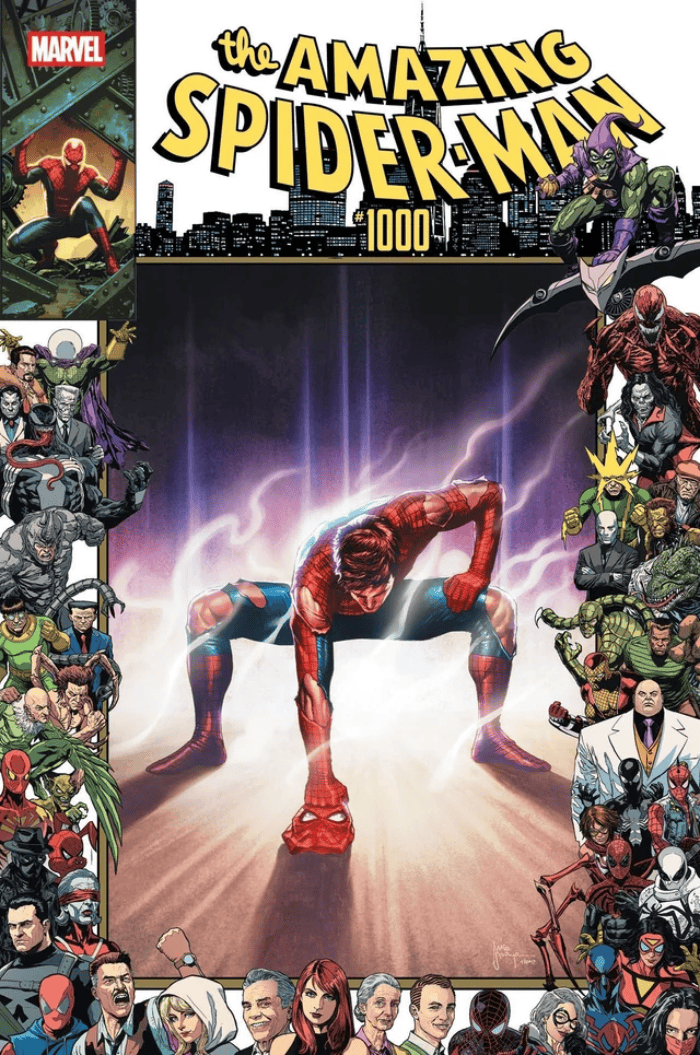
A critical factor contributing to the heightened value and desirability of this particular Spider-Man variant cover is its restricted distribution. The piece was designed exclusively for sale during the New York Comic Con (NYCC), one of the largest and most influential pop culture conventions in the United States. Held annually, NYCC attracts hundreds of thousands of attendees, transforming New York City into a hub for fans of comics, anime, manga, games, and film. The convention serves as a prime venue for publishers to unveil exclusive merchandise, limited edition prints, and variant covers, leveraging the event’s massive audience and inherent sense of urgency.
Making the Amazing Spider-Man #1000 One Piece variant an NYCC exclusive means it was not available through traditional comic book retailers or online stores, drastically limiting its initial print run and availability. This controlled distribution immediately elevates its status as a collectible. For attendees, acquiring such an exclusive item becomes a badge of honor and a memorable part of their convention experience. For those unable to attend, the cover becomes an object of intense desire, driving demand in the secondary market. This exclusivity model is a proven tactic to create immediate scarcity and foster a vibrant resale market, where prices can quickly escalate far beyond the original cover price. Industry specialists consistently predict significant price increases for convention exclusives, especially those tied to major anniversaries or cross-franchise homages, due to their inherent rarity and the intense demand from a global collecting base.
Economic Implications and Fan Engagement
The economic implications of such a high-profile, exclusive variant cover are substantial. The initial sales at NYCC represent only a fraction of its total market value. In the weeks and months following the convention, the cover is expected to fetch considerably higher prices on platforms dedicated to reselling collectibles. Online marketplaces and specialized comic book dealers will see brisk trade, catering to collectors who missed the convention or those looking to invest in a potentially valuable piece of pop culture history. The "flocking" effect, where demand for a rare item drives its price up, will be particularly pronounced given the dual appeal of Spider-Man and One Piece. This dynamic highlights the growing investment aspect of comic book collecting, where rare variants are no longer just cherished possessions but also treated as tangible assets.
Beyond the financial aspects, the collaboration fosters deeper fan engagement. It creates conversations across different fan bases, introducing Spider-Man readers to One Piece and vice versa. It encourages discovery and appreciation for diverse forms of sequential art, building bridges between communities that might traditionally operate in separate spheres. This mutual celebration underscores a broader cultural trend where genre boundaries are increasingly fluid, and fandoms are becoming more interconnected and inclusive. The variant cover serves as a physical embodiment of this global convergence, a tangible representation of shared appreciation for compelling characters and storytelling.
Conclusion: A Testament to Evolving Global Fandom
The Amazing Spider-Man #1000 variant cover featuring Peter Parker in Monkey D. Luffy’s Gear 2 pose is more than just a commemorative item; it is a significant cultural artifact. It stands as a testament to the evolving landscape of global pop culture, where iconic characters from disparate universes can come together in a spirit of mutual admiration and creative synergy. This collaboration underscores the increasing influence of Japanese manga on Western comics, demonstrating how artistic styles and narrative innovations from one tradition can enrich and inspire another. Furthermore, its strategic release as an NYCC exclusive highlights the sophisticated marketing tactics employed by publishers and the robust, ever-growing market for comic book collectibles. Ultimately, this unique variant cover celebrates not only the individual legacies of Spider-Man and One Piece but also the interconnectedness of their global fan bases, proving that great storytelling, regardless of its origin, possesses a universal appeal capable of transcending borders and generations. It is a powerful symbol of a united, global fandom, eagerly embracing the richness and diversity of sequential art in all its forms.

0 Comments