
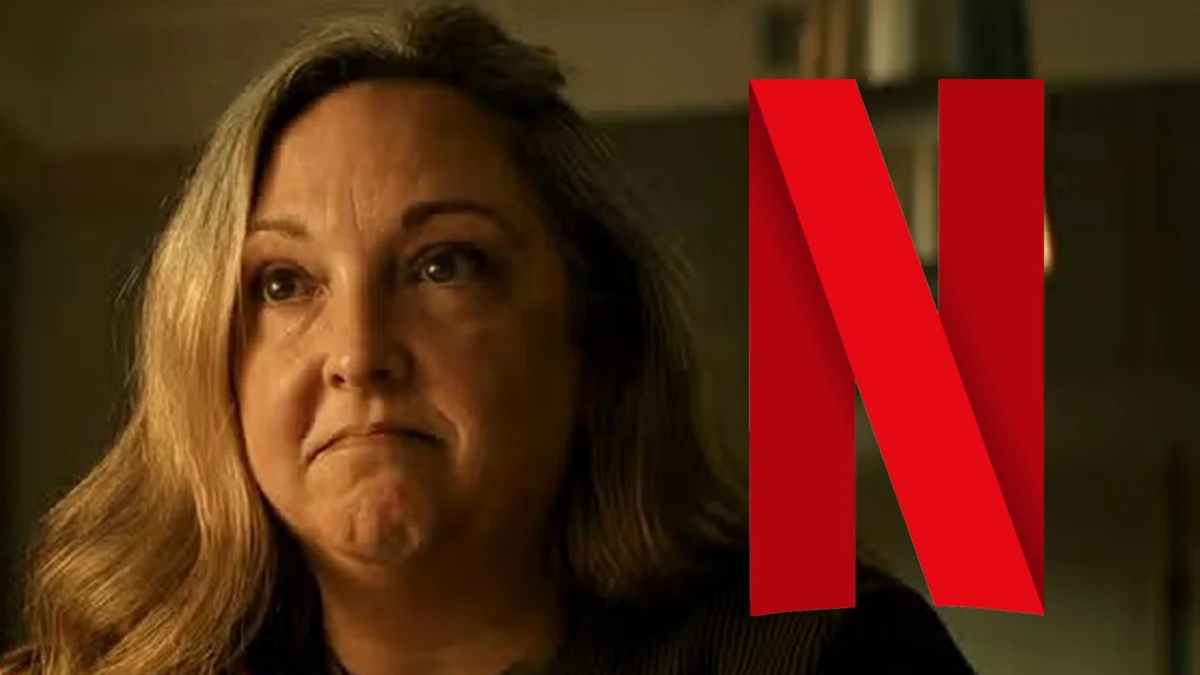
Leslie Carlson, the staunch best friend of convicted cyberstalker Ian Diaz, has publicly expressed profound disappointment and disgust regarding her portrayal in the recently released Netflix documentary, "A Toxic Love Story." Carlson vehemently accuses the production team behind the true-crime series of deliberately misrepresenting her, painting her as a "lovesick dope" and systematically disregarding crucial evidence that she claims would have offered a more balanced, if not exculpatory, narrative for Diaz. Her accusations highlight growing concerns within the true-crime genre regarding editorial integrity, the framing of subjects, and the ethical responsibilities of filmmakers.
Allegations of Misrepresentation and Editorial Manipulation
Carlson’s primary contention centers on how "A Toxic Love Story" allegedly crafted a misleading narrative around her unwavering support for Ian Diaz. She asserts that the documentary deliberately portrayed her as being blinded by romantic affection for Diaz, despite his current incarceration for a complex cyberstalking plot targeting his former wife, Angela Connell Diaz, and ex-girlfriend, Michelle Hadley. This depiction, Carlson argues, has subjected her to a torrent of online abuse and criticism from viewers who perceive her as naive or complicit.
Speaking to TMZ, Carlson articulated her belief that the filmmakers failed in their journalistic duty. "I expected them to do the research on all they heard from all those filmed for this doc," she stated. "They were given so much information — and then decided to abort the truth and ignore all the actual evidence." This strong accusation suggests a deliberate editorial choice to exclude information that Carlson believes would challenge the documentary’s prevailing narrative of Diaz’s guilt and the unequivocal nature of his crimes. The implications of such an accusation extend beyond mere creative license, touching upon the ethical boundaries of documentary filmmaking, especially when dealing with legal cases that have significant public and personal ramifications.
Adding to her grievances, Carlson claims that the production crew engaged in manipulative editing practices. She alleges that out of a two-day extensive interview she provided, only a brief snippet was ultimately included in the final cut. This truncated contribution, she contends, was then immediately undermined by a police officer involved in the investigation against Ian Diaz, who dismissed her input as the ramblings of a "lovesick fool." This specific detail, if true, suggests a conscious effort by the filmmakers to discredit Carlson’s perspective and reinforce the narrative they aimed to present, effectively silencing a dissenting voice through selective editing and contextual framing.
The Case of Ian Diaz: A Legal Overview
Ian Diaz’s conviction stems from a highly publicized cyberstalking case that captivated media attention. Diaz was found guilty of orchestrating a malicious and intricate cyberstalking campaign against his former wife, Angela Connell Diaz, and his ex-girlfriend, Michelle Hadley. The details of the case, which are central to "A Toxic Love Story," involved a prolonged period of online harassment, manipulation, and intimidation that caused significant distress and fear to the victims. The legal proceedings were complex, involving digital forensics and testimonies that painted a grim picture of calculated psychological torment. Ultimately, Diaz was sentenced to a decade behind bars, a sentence that Leslie Carlson and other supporters publicly sought to mitigate through emotional letters to the presiding judge, appealing for leniency.
Carlson’s continued support for Diaz, even in the face of his conviction and the severe nature of his crimes, has been a consistent aspect of her public stance. She maintains that the evidence presented during the trial, and subsequently in the documentary, does not fully capture the "inconsistencies" and "flat-out agenda to put him behind bars" that she perceives. This perspective underscores a fundamental disagreement with the legal outcome and the media’s portrayal, positioning her as a lone voice advocating for a perceived miscarriage of justice or at least a misinterpretation of events.
Ian Diaz’s Non-Participation: A Question of Nuance
Another critical point of contention raised by Leslie Carlson concerns the documentary’s portrayal of Ian Diaz’s non-participation. The narrative presented in "A Toxic Love Story" implies, according to Carlson, that Diaz simply refused to cooperate with the filmmakers. However, Carlson offers a significantly nuanced explanation, suggesting that Diaz was, in fact, willing to engage but was hindered by the practical constraints of his incarceration.
Carlson states that the filmmakers allegedly proposed conducting interviews with Diaz over a series of phone calls. Given the limitations of prison communication, where inmates are allotted a specific amount of phone time, Diaz reportedly found this arrangement unfeasible. With a wife and child on the outside, Diaz was unwilling to exhaust his precious and limited phone minutes on documentary interviews, preferring to reserve that time for his family. Consequently, the proposed interviews were scrapped. Carlson contends that by failing to explain this logistical barrier, the documentary implicitly painted Diaz as uncooperative or evasive, further solidifying a negative perception without presenting the full context of his decision. This aspect highlights how logistical challenges in documentary production can inadvertently shape or distort a subject’s willingness to participate, leading to potentially skewed interpretations by the audience.
The Broader Implications for True Crime Documentaries
Carlson’s accusations against "A Toxic Love Story" resonate with broader criticisms and ethical debates surrounding the true-crime genre. The exponential rise in popularity of true-crime documentaries on platforms like Netflix has brought increased scrutiny to their production methodologies and their impact on real-life individuals and legal outcomes. While these documentaries often serve to shed light on complex cases, bring awareness to injustices, or provide a platform for victims, they also face recurrent challenges concerning narrative control, the potential for sensationalism, and the ethical treatment of subjects.
Filmmakers in this genre walk a tightrope between compelling storytelling and factual accuracy. The pressure to create engaging content can sometimes lead to selective editing, the prioritization of dramatic arcs over comprehensive detail, or the omission of inconvenient truths that might complicate a chosen narrative. Leslie Carlson’s claims — that filmmakers "aborted the truth" and ignored "actual evidence" — strike at the heart of these ethical dilemmas. If her allegations hold true, they suggest a deliberate choice to craft a specific narrative, even at the expense of presenting a more holistic or complex picture of the events and individuals involved.
The impact of such documentaries on public perception is immense. In high-profile criminal cases, a documentary can profoundly influence public opinion, solidify guilt or innocence in the court of public opinion, and even affect appeals or future legal proceedings. For individuals like Leslie Carlson, who are secondary subjects but deeply connected to the main narrative, misrepresentation can lead to severe personal consequences, including public shaming, online harassment, and reputational damage. The "keyboard warriors" Carlson dismisses are a real force, capable of amplifying perceived flaws and judgments based on what they see in media.
Official Response and Future Outlook
As of the latest reports, Netflix has not issued an official response to Leslie Carlson’s allegations. This lack of comment is not uncommon for streaming giants facing similar criticisms, often adhering to a policy of not engaging in public disputes over documentary content. However, the silence does little to assuage the concerns of those who feel misrepresented or believe that vital information has been omitted.
The controversy surrounding "A Toxic Love Story" and Leslie Carlson’s outspoken criticism serves as a pertinent reminder of the complex relationship between true-crime narratives, the pursuit of truth, and the ethical responsibilities of media creators. It underscores the power of storytelling to shape perception and the profound impact these narratives can have on the lives of individuals entangled in their plots. Whether Netflix will address Carlson’s claims or if this incident will contribute to a broader industry reevaluation of true-crime documentary ethics remains to be seen. What is clear is that the debate over "A Toxic Love Story" has ignited further discussion about whose truth ultimately prevails in the digital age of documentary filmmaking.

0 Comments