
The Evolution of the Sneaker as a Cultural Artifact
To understand the trajectory of the 2026-27 season, one must look at the chronology of sneaker culture over the last decade. The mid-2010s were dominated by the "minimalist white sneaker," a trend popularized by the ubiquitous Adidas Stan Smith and Common Projects. This was followed by the "chunky" or "ugly" sneaker era, spearheaded by Balenciaga’s Triple S, which prioritized maximalism and irony. By 2024 and 2025, the market moved toward slim-profile terrace shoes, such as the Adidas Samba and Gazelle.

The 2026-27 season represents the "Eclectic Hybrid" era. Industry analysts suggest that consumers are no longer satisfied with a single aesthetic. Instead, the market is demanding footwear that offers the comfort of a running shoe, the elegance of a formal flat, and the durability of an outdoor boot. Market data from the first half of 2026 indicates a 14% increase in "hybrid footwear" searches, suggesting that the upcoming trends are a direct response to a more versatile, post-pandemic lifestyle where the lines between work and leisure have permanently dissolved.
Detailed Analysis of the Eight Key Trends
1. The Resurgence of Velcro Fastenings
The return of the velcro strap is perhaps the most practical trend of the season. Once relegated to children’s footwear or medical orthotics, velcro is being reclaimed by premium brands like Hoff. The 2026 iteration focuses on low-profile designs that utilize suede and satin overlays. This trend aligns with the "ease-of-use" movement, catering to an aging demographic that values accessibility without sacrificing style, as well as younger consumers looking for retro-ironic statements. From a manufacturing perspective, high-tension velcro systems are being developed to ensure that these shoes maintain their structural integrity over time, rivaling traditional lacing systems.

2. Metallic and Tech-Futurist Finishes
Silver and gold finishes continue to dominate the sneaker landscape, but with a more technical application. Brands like New Balance are leading this charge by applying metallic skins to high-performance silhouettes. Unlike the "glitter" trends of previous years, the 2026-27 metallic trend uses vacuum-metallized plastics and iridescent foils that provide a futuristic, liquid-metal look. This trend is heavily influenced by the "Space Age" revival in cinema and digital media, positioning the sneaker as a piece of wearable technology.
3. The "Sneakerina" and the Influence of Balletcore
The "sneakerina"—a hybrid between a traditional ballet flat and a technical sneaker—is arguably the most innovative silhouette of the season. Onitsuka Tiger has pioneered this look by stripping away the bulk of a standard sneaker to create a thin, flexible sole paired with delicate lacing. This trend is a direct descendant of the "Balletcore" movement that began in 2023. It appeals to consumers who find traditional sneakers too masculine or bulky for formal attire. The use of Klein Blue and other vibrant pigments in these models serves to bridge the gap between delicate femininity and bold athletic branding.

4. Studded Embellishments and Punk-Rock Luxury
The inclusion of studs and metallic hardware, most notably by Golden Goose, signals a return to a more aggressive, tactile aesthetic. These designs move away from the "clean girl" aesthetic of the early 2020s toward a look that celebrates imperfection and "distressed" luxury. Industry insiders note that the application of metal studs onto premium suede requires a high level of craftsmanship, justifying the luxury price points (often exceeding €700) that these models command. This trend targets the "luxe-rebel" consumer who seeks to pair rugged footwear with high-end tailoring.
5. Gathered Fabrics and "Frunces"
Texture is the primary focus for brands like Mim, which are introducing gathered or frilled fabrics into their low-profile designs. By using lightweight nylon and flexible suede, designers are creating sneakers that appear more "organic" and less industrial. This trend draws inspiration from traditional dressmaking techniques, applying them to sportswear to create a "relaxed luxury" vibe. The volume created by these gathers provides a visual weight that balances the slim soles currently in vogue.

6. The Dominance of Suede and Earth Tones
As the industry moves toward more sustainable and long-lasting materials, suede has emerged as the fabric of choice for Autumn-Winter 2026-27. Brands like Gola are utilizing deep burgundies, burnt oranges, and chocolate browns to align with the seasonal palette. Suede offers a tactile depth that synthetic materials cannot replicate. Furthermore, the 2026 market is seeing a rise in "bio-suede"—lab-grown or mushroom-based alternatives—which appeal to the environmentally conscious consumer while maintaining the premium feel of traditional leather.
7. Beyond the Leopard: New Frontiers in Animal Print
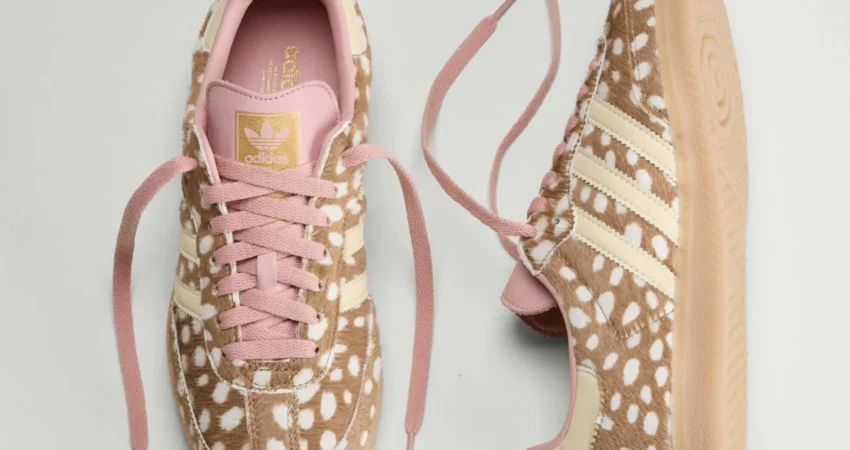
While leopard print was the mainstay of 2024, the 2026-27 season explores more subtle animalian textures. The "Bambi print" or mottled deer-skin effect, popularized by Adidas in their latest Samba OG iterations, offers a softer, more sophisticated take on the trend. This shift suggests a move toward "nature-inspired" patterns rather than overt "jungle" themes. These prints are often executed on calf-hair or high-definition printed suedes, adding a layer of physical texture to the visual pattern.

8. The Barefoot Revolution
Perhaps the most significant shift in consumer behavior is the mainstreaming of "barefoot" or "minimalist" footwear. Historically a niche market for hikers and bio-hackers, brands like Victoria are now producing barefoot sneakers that are indistinguishable from high-fashion models. These shoes feature a wide toe box, zero-drop sole, and extreme flexibility, designed to allow the foot to function as it would without shoes. The integration of barefoot technology into fashionable designs is a response to the growing global wellness trend, where long-term physical health is prioritized over purely aesthetic considerations.
Market Analytics and Consumer Sentiment
The projected economic impact of these trends is substantial. According to footwear retail reports, the premium sneaker segment is expected to grow by 6.2% annually through 2027. A key driver of this growth is the "investment shoe" mentality. Consumers are increasingly willing to pay higher prices for shoes like the Golden Goose Marathon Speed if they believe the materials—such as high-grade Italian leather and durable metallic studs—will last multiple seasons.

Furthermore, the "resale value" of these upcoming models is already being debated in digital forums. Limited-edition colorways, particularly in the Onitsuka Tiger gymnarina and Adidas Samba OG "Bambi" prints, are expected to see a 30-50% markup on secondary markets like StockX and GOAT within months of their release. This secondary market activity continues to dictate how primary brands design their "hero" products for the season.
Manufacturing and Sustainability Implications
The 2026-27 season also marks a milestone in sustainable manufacturing. Over 40% of the brands mentioned in the seasonal forecast have committed to using recycled components in their soles or water-based adhesives in their assembly. For instance, the barefoot models by Victoria often utilize vulcanized natural rubber, which is more biodegradable than synthetic alternatives.

Industry experts from the Sustainable Apparel Coalition (SAC) have noted that the move toward suede and leather-heavy designs actually supports a "circular economy" if the hides are sourced from regenerative farms. "We are seeing a move away from ‘disposable’ mesh sneakers," says one senior consultant. "The 2026 consumer wants a shoe that can be repaired, resoled, and polished. Suede and leather allow for that longevity."
Broader Impact on the Retail Landscape
The shift in sneaker trends will necessitate a change in how retailers present their inventory. Large-scale department stores are reportedly redesigning their footwear sections to accommodate "experience-based" shopping, where customers can learn about the podiatric benefits of barefoot shoes or the history of retro velcro designs.

Additionally, the influence of these sneaker trends extends into the apparel sector. The rise of the "sneakerina" is expected to drive sales in midi-skirts and wide-leg trousers, as these silhouettes complement the slim profile of the hybrid shoe. Conversely, the studded and metallic trends are likely to be paired with minimalist, monochromatic outfits to allow the footwear to serve as the "statement piece" of the ensemble.
In conclusion, the Autumn-Winter 2026-27 season is a sophisticated blend of past and future. By reviving velcro and punk-rock studs while simultaneously pushing the boundaries of barefoot technology and ballet-sport hybrids, the footwear industry is proving its resilience and adaptability. For the consumer, this means a season of unprecedented choice, where comfort and high fashion are no longer mutually exclusive. As September approaches, these eight trends will likely define the visual landscape of urban environments globally, marking a new chapter in the ongoing history of the sneaker.

0 Comments