
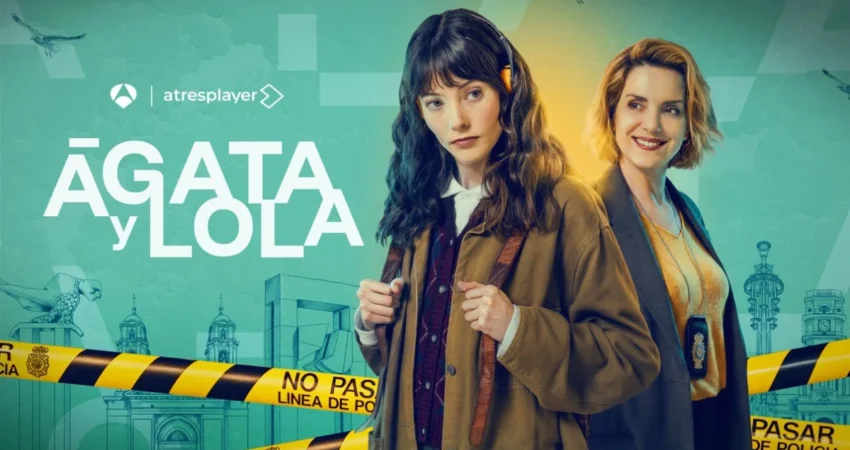
The Spanish crime drama "Agata y Lola," currently airing its initial season on Atresplayer, is generating considerable buzz among its viewership, with a central question lingering: will there be a second season? While Antena 3 has yet to issue an official renewal statement, strong indications suggest that the series is strategically designed for continuity beyond its current eight-episode run. This potential longevity appears to be directly influenced by its French predecessor, "Bright Minds," a successful police procedural that has already captivated audiences for multiple seasons.
The series, starring Eva Martín as Lola Castro and Mireia Oriol as Agata Díaz, is drawing parallels to "Bright Minds," known in its original French title as "Astrid et Raphaëlle." This acclaimed French production, which premiered on France 2 in 2019, has amassed a significant following, boasting five seasons and a total of 41 episodes. Although Atresmedia has not explicitly declared "Agata y Lola" a direct adaptation, the thematic and structural resemblances are undeniable. Both series feature a dynamic duo of female police officers with contrasting personalities who collaborate to solve complex criminal cases. A key element in both narratives is the presence of one protagonist with an exceptional analytical mind and a meticulous attention to detail, a trait that drives their investigative success.
"Agata y Lola": A Foundation for Sustained Narrative Arcs
The inaugural season of "Agata y Lola" introduces viewers to the compelling partnership between Lola Castro, an impulsive yet empathetic inspector with the National Police in Vigo, and Agata Díaz, a police archivist possessing a prodigious memory and a unique approach to investigations. The synergy between these two disparate characters is a primary driving force of the series. Much like its French counterpart, "Agata y Lola" dedicates significant narrative space not only to the intricacies of the criminal cases but also to the personal growth of its protagonists and their evolving dynamic as they learn to navigate their professional collaboration.
This narrative framework is inherently conducive to long-term storytelling. The relationship between Lola and Agata offers a rich wellspring for continuous development, allowing for the exploration of new mysteries and personal challenges as their bond deepens and evolves. The introduction of supporting characters, such as Mariano Castro, Lola’s father, portrayed by Nancho Novo, further illustrates the series’ capacity for expanding its universe and delving into intricate personal conflicts, hinting at a narrative designed for longevity.
"Bright Minds": A Proven Model for Franchise Success
The French series, "Bright Minds" ("Astrid et Raphaëlle"), serves as a compelling case study for the potential trajectory of its Spanish counterpart. Launched in 2019 by France 2, the series stars Sara Mortensen as Astrid Nielsen and Lola Dewaere as Raphaëlle Coste. Astrid, a police judicial archivist on the autism spectrum, possesses an extraordinary memory, while Raphaëlle is an impulsive inspector who brings a wealth of police experience and sharp intuition to their investigations. Together, they form an effective team, leveraging their contrasting methodologies to unravel challenging cases.
The sustained success of "Bright Minds" in France, evidenced by its five seasons and 41 episodes, demonstrates the viability of this character-driven procedural format. This established track record strongly suggests that "Agata y Lola" could follow a similar path, provided the Spanish adaptation continues to resonate with audiences and Atresmedia commits to further installments. The French series has not only achieved critical acclaim but has also garnered international attention, with adaptations and broadcasts in various territories, underscoring the universal appeal of its central premise.
The Crucial Role of the Season Finale in Determining the Series’ Future
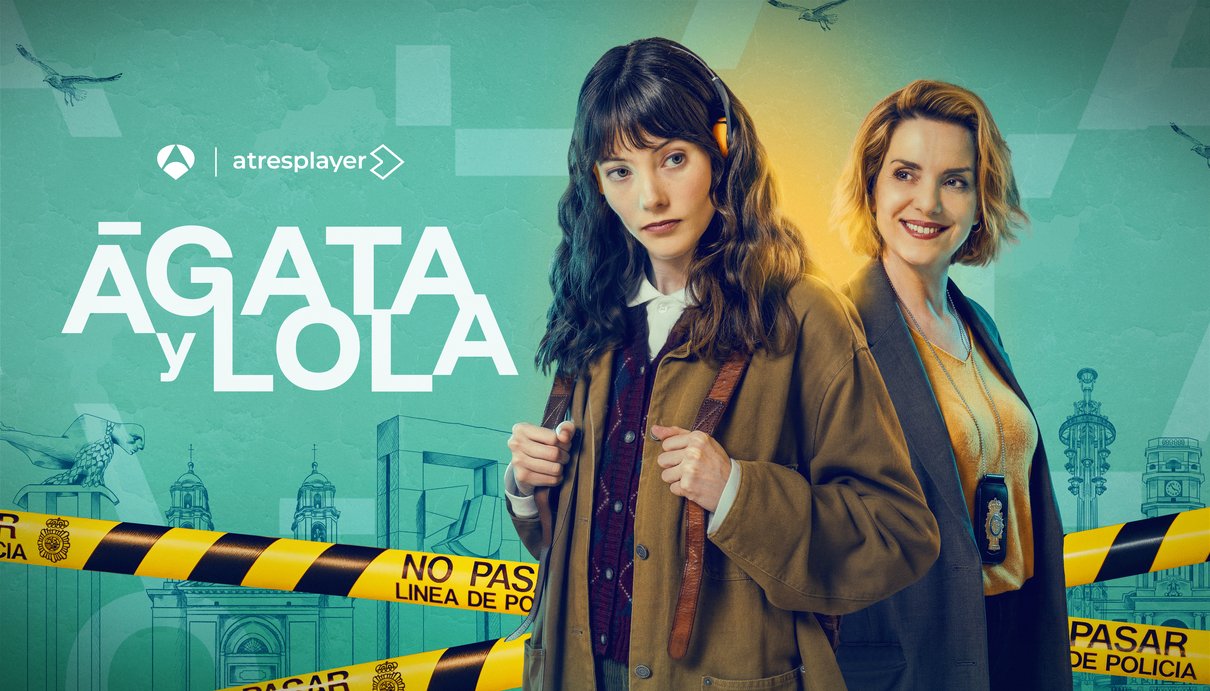
Ultimately, the decision regarding a potential second season for "Agata y Lola" will hinge on a confluence of factors, primarily the audience reception of the current season and Atresmedia’s strategic programming decisions. The season finale is poised to play a pivotal role in this assessment. It will not only offer a resolution to the immediate storylines but also potentially leave narrative threads open, signaling a clear intention for future exploration. The way the season concludes will be instrumental in gauging the appetite for continued adventures of Lola and Agata.
The initial season’s design, with its focus on establishing the core characters and their dynamic, appears to lay a robust groundwork for future seasons. The complexity of the cases presented, coupled with the personal lives of the protagonists, provides ample material for ongoing storytelling. If "Agata y Lola" successfully captures the same narrative magic that has sustained "Bright Minds" for years, its eight initial episodes could very well be the prologue to a much longer and engaging saga.
A Look at the Underlying Appeal: Complementary Strengths in Crime Solving
The core appeal of both "Agata y Lola" and "Bright Minds" lies in the compelling interplay between two fundamentally different individuals who, despite their contrasting approaches, achieve remarkable success in solving crimes. In "Agata y Lola," Lola’s empathetic and impulsive nature often leads her to the emotional heart of a case, while Agata’s methodical, detail-oriented intellect pieces together the factual evidence. This dynamic mirrors the partnership in "Bright Minds," where Astrid’s encyclopedic knowledge and observational prowess complement Raphaëlle’s street smarts and intuitive leaps.
This narrative structure allows for a consistent supply of engaging plotlines. Each case can be approached from multiple angles, highlighting the strengths and occasional weaknesses of each protagonist, thereby creating opportunities for character development and interpersonal friction that keeps the audience invested. The procedural element ensures a steady stream of new mysteries, while the evolving relationship between the leads provides an overarching emotional arc that can be explored over multiple seasons.
The Broader Implications for Spanish Television Production
The potential success and longevity of "Agata y Lola," if realized, would represent a significant development for Spanish television production. It would underscore the growing trend of developing serialized dramas with the capacity for multiple seasons, moving beyond the traditional self-contained season model. This approach not only fosters audience loyalty but also allows for deeper character exploration and more complex narrative arcs, elevating the quality and ambition of Spanish television content.
Furthermore, the series’ apparent inspiration from a successful French format highlights the increasing internationalization of television production. The ability to adapt and localize successful international formats, while infusing them with a distinct Spanish flavor, demonstrates a sophisticated approach to content creation. This strategy can lead to productions that appeal to both domestic and international audiences, opening up new markets and opportunities for Spanish creators and broadcasters.
The success of "Agata y Lola" could also pave the way for further collaborations and exchanges between Spanish and French television industries. This cross-pollination of ideas and talent can lead to innovative storytelling and the development of new creative voices. The robust performance of "Bright Minds" in France, achieving five seasons and 41 episodes, is a testament to the enduring appeal of its central premise, a success story that "Agata y Lola" has the potential to emulate, offering a promising future for the series and for Spanish crime drama. The coming weeks, as the first season draws to a close, will be crucial in determining whether this promising trajectory will indeed materialize.

0 Comments