
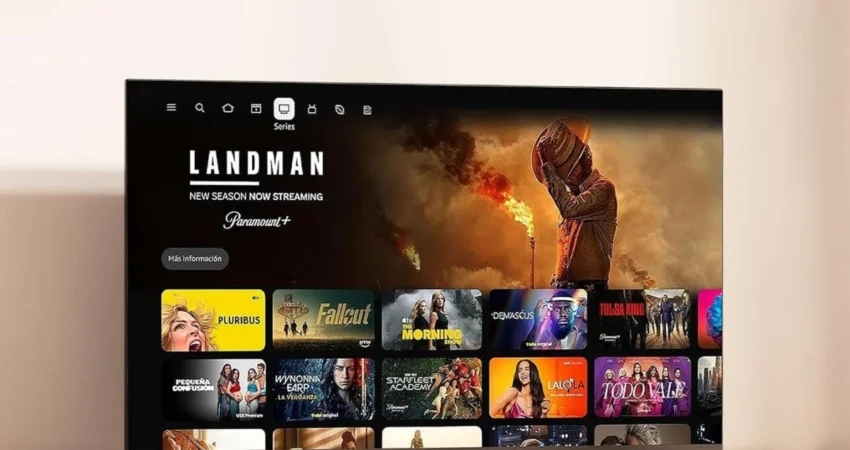
The consumer electronics market in Mexico is currently witnessing a significant shift in the accessibility of high-performance streaming hardware as Amazon Mexico initiates a major promotional campaign for its Fire TV Stick family. This strategic pricing adjustment targets a broad demographic of users, ranging from those seeking to revitalize aging television sets to enthusiasts looking for high-end 4K performance and cloud-based gaming capabilities. The promotional event features the Fire TV Stick HD at 399 pesos, the Fire TV Stick 4K at 749 pesos, and the flagship Fire TV Stick 4K Max at 1,199 pesos. These price points represent a substantial reduction from standard retail values, positioning the devices as the most cost-effective entry points into the modern digital entertainment ecosystem.
The Strategic Importance of the Fire TV Ecosystem in Latin America
The introduction of these discounts comes at a pivotal time for the Mexican telecommunications and media landscape. As streaming services like Netflix, Disney+, and Amazon Prime Video continue to dominate domestic viewership, many consumers find themselves hampered by the limitations of "legacy" hardware. Older Smart TVs often suffer from hardware degradation or the cessation of software updates from manufacturers, rendering built-in applications sluggish or entirely non-functional.
Amazon’s Fire TV Stick lineup addresses this specific market friction by decoupling the software experience from the physical display. By utilizing a compact HDMI dongle, consumers can bypass the obsolete operating systems of their existing televisions or monitors, effectively "upcycling" older hardware. This trend is particularly relevant in Mexico, where the replacement cycle for large appliances like televisions is significantly longer than that of smartphones or tablets. The ability to grant a ten-year-old television the processing power of a modern streaming hub for under 400 pesos is a compelling value proposition that drives digital inclusion across various socioeconomic tiers.
Technical Specifications and Product Tiering
The current promotional offering is structured into three distinct tiers, each designed to meet specific consumer needs and hardware configurations.
The Entry-Level: Fire TV Stick HD
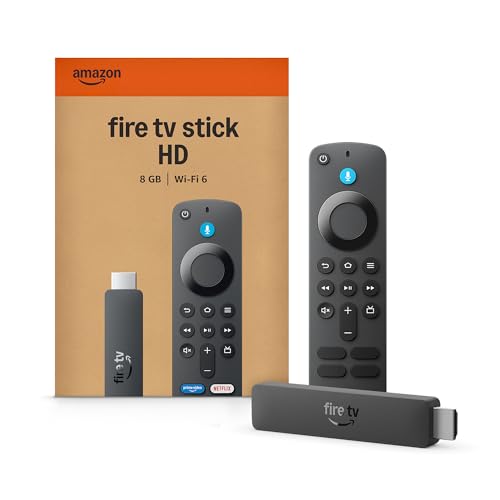
Priced at 399 pesos, the HD model is engineered for secondary televisions, such as those in bedrooms or kitchens, or for users who have not yet transitioned to 4K displays. Despite its budget-friendly positioning, the device features a refined interface and full integration with the Alexa voice assistant. It supports 1080p streaming with HDR (High Dynamic Range) compatibility, ensuring that even standard-definition content benefits from improved color accuracy and contrast.
The Mid-Range Standard: Fire TV Stick 4K
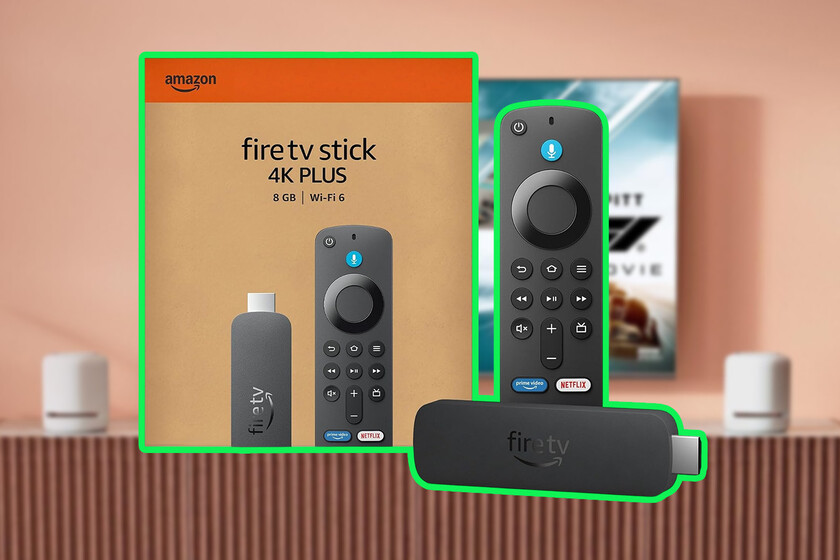
At 749 pesos, the Fire TV Stick 4K serves as the bridge to high-fidelity home cinema. This model is approximately 30% more powerful than previous iterations, allowing for smoother navigation and faster app loading times. It supports the full suite of modern cinematic standards, including Dolby Vision, HDR10+, and Dolby Atmos audio. This device is particularly aimed at the growing segment of Mexican households that have purchased 4K televisions but find the native software experience lacking in speed or app availability.
The Flagship: Fire TV Stick 4K Max
The 4K Max, offered at 1,199 pesos, represents the pinnacle of Amazon’s streaming engineering. It is the first device in the lineup to support Wi-Fi 6E, a crucial feature for users in high-density urban environments like Mexico City or Guadalajara, where wireless spectrum congestion can lead to buffering. The 4K Max also introduces the "Fire TV Ambient Experience," which transforms the television into a gallery for art and informative widgets when not in use. Furthermore, it boasts the most powerful processor in the Stick family, making it the primary choice for users interested in the recently integrated cloud gaming features.
The Gaming Revolution: Xbox Cloud Integration
Perhaps the most significant development in the Fire TV ecosystem in 2024 is the official partnership between Amazon and Microsoft. Through the Xbox app, Fire TV Stick 4K and 4K Max users can now stream hundreds of high-quality games directly to their televisions via Xbox Game Pass Ultimate. This functionality eliminates the need for a dedicated gaming console, which remains a high-cost barrier for many Mexican families.
By simply pairing a Bluetooth controller—such as an Xbox Wireless Controller or a PlayStation DualSense—to the Fire TV Stick, users can play titles like Forza Horizon 5 or Halo Infinite over the cloud. This shift toward "hardware-agnostic" gaming is a cornerstone of the Fire TV’s current market appeal. Analysts suggest that this integration positions Amazon not just as a media provider, but as a direct competitor in the interactive entertainment space, leveraging its massive AWS (Amazon Web Services) infrastructure to deliver low-latency gaming experiences.
Chronology of the Fire TV Development
To understand the impact of the current sale, one must look at the timeline of Amazon’s hardware evolution in the region:
- 2014: Amazon launches the first Fire TV Stick in the United States, primarily as a vehicle for Prime Video.
- 2017: The "Basic Edition" is introduced to international markets, including Mexico, offering a simplified interface.
- 2020-2021: Amazon introduces localized Alexa support for Mexico, allowing users to search for content using regional accents and local slang.
- 2023: The announcement of the refreshed 4K and 4K Max models, focusing on Wi-Fi 6E and increased processing power.
- July 2024: The official rollout of the Xbox Cloud Gaming app on Fire TV devices, fundamentally changing the device’s utility.
- Late 2024: The current aggressive pricing strategy is implemented to capture market share ahead of the holiday season and competing shopping events like "El Buen Fin."
Market Analysis and Competitive Landscape
In the Mexican market, Amazon’s Fire TV faces stiff competition from Roku and Google’s Chromecast (now rebranded under the Google TV streamer line). Roku has traditionally held a strong position in Mexico due to its simplicity and its integration into licensed television brands like TCL and Hisense. However, Amazon’s aggressive integration with the broader Alexa smart home ecosystem gives it a distinct advantage.
The Fire TV Stick acts as a central hub for the "Smart Home." Users can view live feeds from Ring or Blink security cameras directly on their TV screen, control lighting via voice commands, and manage smart plugs without leaving their couch. This level of interconnectivity is a key differentiator that Amazon is leveraging to build brand loyalty. Furthermore, the inclusion of free shipping and expedited delivery for Amazon Prime members creates a frictionless purchasing cycle that traditional retailers struggle to match.
Environmental and Economic Implications
Beyond the immediate consumer benefits, the proliferation of affordable streaming sticks has broader implications for sustainability. Electronic waste is a growing global concern, and televisions are among the most difficult items to recycle. By providing a low-cost way to modernize existing hardware, Amazon is effectively extending the lifecycle of millions of screens. A television with a perfect panel but an obsolete processor no longer needs to be discarded; a 399-peso investment restores its utility, delaying its entry into the waste stream.
Economically, the pricing strategy reflects Amazon’s "razor and blade" business model. By subsidizing the cost of the hardware, the company ensures a wider audience for its subscription services and digital storefront. Every Fire TV Stick sold represents a potential new subscriber to Prime Video, a purchaser of digital rentals, or a consumer of the ad-supported "Freevee" content that is increasingly becoming a revenue driver for the platform.

Broader Impact on Digital Literacy
The simplicity of the Fire TV interface also plays a role in digital literacy. For older generations who may find traditional computers or complex smart TV menus intimidating, the voice-first approach of Alexa provides a more intuitive way to access information and entertainment. In a country where the digital divide remains a challenge, providing affordable, voice-controlled access to the internet’s vast library of content is a non-trivial contribution to connectivity.
As the promotional period continues on Amazon Mexico, the surge in sales is expected to further solidify the Fire OS as a dominant operating system in Mexican living rooms. With the added value of cloud gaming, smart home control, and high-definition streaming, the Fire TV Stick lineup has evolved from a simple accessory into an essential component of the modern household’s digital infrastructure. The current discounts represent more than just a sale; they are an invitation for the Mexican public to participate in the next generation of home entertainment without the burden of high entry costs.

0 Comments