
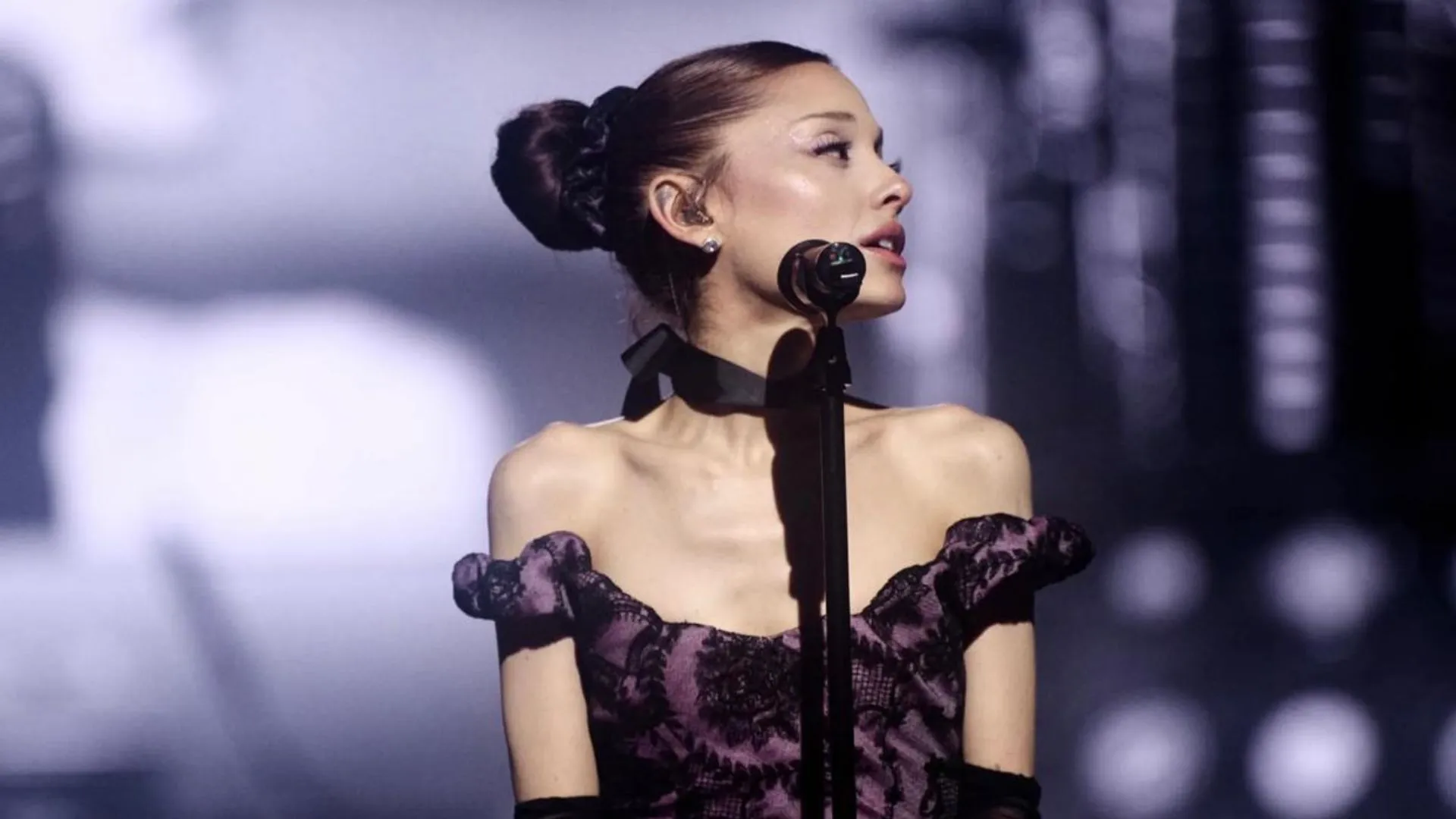
Ariana Grande has initiated legal proceedings against two unidentified individuals, whom she alleges engaged in a prolonged and systematic campaign of illegal access to digital assets related to her career. The lawsuit, filed on July 27th in a Los Angeles court, aims to unmask the perpetrators and halt the unauthorized dissemination of private material, including a substantial trove of unreleased music, photographs, and recordings. The alleged cyber intrusions span a period from 2019 to 2024, targeting accounts and devices belonging to Grande’s collaborators, such as photographers and producers.
The Genesis of the Digital Breach: A Timeline of Alleged Intrusions
The legal documents, reviewed by Variety, outline a series of escalating digital incursions that began in 2019. One of the earliest alleged incidents involved the compromise of a Dropbox account belonging to a photographer who had previously worked with the Grammy-winning artist. This initial breach appears to have provided the alleged hackers with access to a considerable volume of creative assets.
The following year, in 2020, the alleged perpetrators are said to have escalated their efforts by gaining unauthorized access to the mobile device of a producer integral to Grande’s musical projects. This intrusion reportedly yielded a significant quantity of unpublished material, including master recordings, demo versions, and raw files from studio sessions. The lawsuit contends that these types of actions became a recurring pattern, with the attackers employing sophisticated methods of digital deception and unauthorized access to extract information from members of Grande’s professional circle.
The Escalation of Theft: 45 Unreleased Songs and Beyond
The alleged campaign reached a critical juncture in 2023, when the lawsuit claims the individuals gained access to 45 unreleased songs by Ariana Grande. This substantial collection of music was reportedly leaked online before Grande had the opportunity to officially release it. The details within the legal filing specifically attribute the access to this number of songs to the alleged attackers during that year, highlighting the significant financial and creative damage this constitutes.
Beyond musical content, the investigation detailed in the lawsuit extends to other forms of private media. A separate incident in 2024 saw the alleged hackers create a Gmail account and a domain name designed to impersonate one of Grande’s photographers. This elaborate ruse was allegedly used to trick a digital technician into divulging confidential, unreleased photographs of the singer. This demonstrates a deliberate strategy to target not only Grande’s musical output but also her visual representation and behind-the-scenes projects.
According to reporting from People, a portion of the illegally obtained content is alleged to have been sold on the internet, including on the dark web. This illicit commercialization of stolen intellectual property underscores the financial motivations behind the alleged cybercrimes and the substantial harm inflicted upon the artist. The lawsuit emphasizes that these attacks on Grande’s professional network allowed the perpetrators to gain access to files stored within the personal accounts of her collaborators, thereby extending the scope of the privacy invasion.
Legal Recourse: Identifying Perpetrators and Curtailing Dissemination
The primary objective of Ariana Grande’s legal action is to identify the individuals responsible for these alleged cybercrimes. Given that their identities are currently unknown, her legal team has filed the lawsuit against individuals identified provisionally as "John Does," a legal designation used in the U.S. when the defendants are yet to be identified. The lawsuit seeks to leverage the legal discovery process to obtain information that will lead to the identification of those behind the unauthorized access.
Furthermore, Grande intends to hold the alleged perpetrators accountable for the unauthorized acquisition and dissemination of material that was never intended for public consumption. The lawsuit characterizes these actions as a severe invasion of privacy, asserting that the distribution of these files has compromised Grande’s control over content intimately linked to her musical career and her creative process.
Beyond the leaked songs and photographs, the case brings to light the exposure of sensitive information stored on the devices and accounts of Grande’s collaborators, who themselves became unwitting targets of these digital intrusions. The lawsuit aims to establish liability for the material allegedly obtained and distributed without authorization. As reported by People, the legal process also serves as a deterrent against similar criminal conduct targeting artists and their professional teams.
Broader Implications: The Vulnerability of Creative Assets in the Digital Age
The legal action initiated by Ariana Grande shines a spotlight on the persistent challenges faced by artists in safeguarding their creative output and personal data in an increasingly interconnected digital landscape. The sophistication of the alleged methods employed by the hackers, including phishing tactics and identity impersonation, highlights the evolving nature of cyber threats.
This case is not an isolated incident. The music industry, in particular, has a history of dealing with piracy and unauthorized leaks, which can significantly impact an artist’s revenue streams, promotional strategies, and artistic control. The sheer volume of unreleased material – 45 songs – suggests a deep and prolonged infiltration, indicating that the alleged perpetrators may have had sustained access to sensitive project files.
The lawsuit’s focus on identifying "John Does" is a common strategy in such cases, allowing legal proceedings to commence while the investigation into the culprits’ identities continues. The ability of legal teams to subpoena internet service providers and social media platforms for user data will be crucial in this endeavor. The eventual outcome of this lawsuit could have significant implications for how digital rights are protected and enforced within the entertainment industry.
The alleged commercialization of stolen content, particularly on the dark web, points to a concerning intersection of cybercrime and organized illicit markets. This aspect of the case underscores the need for robust cybersecurity measures not only for artists but also for the platforms and services that store their valuable intellectual property. The potential for financial loss, reputational damage, and erosion of artistic control makes such digital intrusions a serious threat to the livelihoods of creatives.
The inclusion of collaborators as targets in this alleged breach also raises concerns about the security protocols surrounding creative teams. The lawsuit implicitly suggests that vulnerabilities within the networks of those who work closely with artists can be exploited, creating a ripple effect of compromised information. This emphasizes the importance of comprehensive cybersecurity training and robust data protection policies for all individuals involved in the production and promotion of artistic works.
As the legal process unfolds, the industry will be watching closely to see how justice is served and what measures will be put in place to prevent similar incidents from occurring in the future. The case serves as a stark reminder that in the digital age, the protection of creative assets requires a multi-faceted approach, encompassing advanced technological defenses, vigilant legal action, and a collective commitment to upholding intellectual property rights. The identified perpetrators, once brought to light, will face the consequences of their alleged actions, which could include significant financial penalties and legal repercussions for their invasion of privacy and the theft of creative works.

0 Comments