

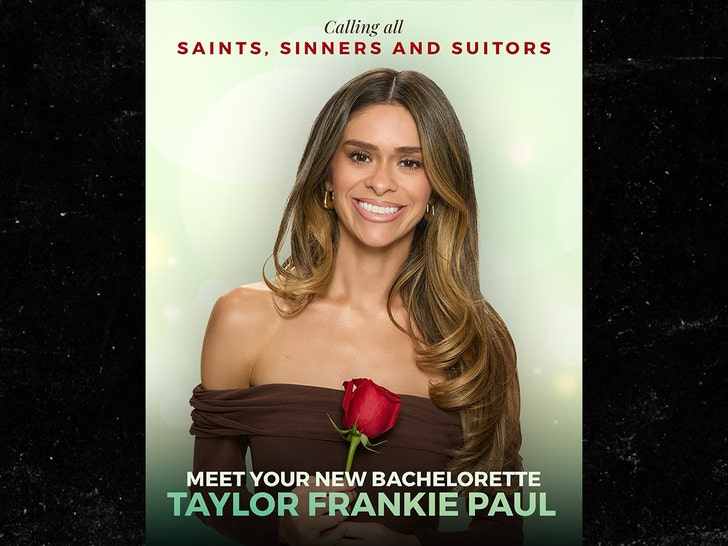
The current season of "The Bachelorette" has been overshadowed by startling allegations of abuse leveled against its lead, Taylor Frankie Paul, leaving the contestants vying for her affection reportedly blindsided and expressing disbelief. Multiple participants from the popular reality dating show have conveyed to TMZ their profound shock and confusion regarding the domestic violence claims, asserting that the Taylor Frankie Paul they experienced during filming was starkly different from the individual depicted in recent legal filings and public accusations. This dichotomy presents a complex narrative, juxtaposing a carefully curated reality television persona with grave off-screen legal battles.
Contestants’ Perceptions: A Discrepancy with Allegations
According to sources close to the production and the contestants themselves, the men competing for Paul’s heart describe her as consistently kind, genuine, and well-intentioned throughout their interactions. They claim to have witnessed a "softer, more authentic side" of the reality star, which they believe directly contradicts the serious accusations now surfacing in the public domain. This collective sentiment among the suitors suggests a significant disconnect between Paul’s on-screen demeanor and the gravity of the legal issues she is currently facing.
The nature of reality television often fosters intense, accelerated relationships, where contestants are encouraged to form deep bonds quickly under unique circumstances. In such environments, individuals may present an idealized version of themselves, or the editing process might selectively highlight certain personality traits. The Bachelorette format, in particular, places the lead in a position of vulnerability and emotional openness, designed to facilitate a genuine connection. The contestants’ unwavering support and insistence on Paul’s positive character during filming highlight the potential for differing perceptions, whether due to the controlled environment of the show, Paul’s ability to compartmentalize, or a genuine misunderstanding of the full situation by those around her.

Many of the contestants acknowledge the troubling nature of the allegations but remain steadfast in their belief that there are "misconceptions" surrounding Paul. They argue that she embarked on the show with a "pure heart," aiming to improve her life and find a meaningful connection. This unified defense from her on-screen admirers underscores a plea for public patience, with several participants suggesting that the "full truth will come out over time" and urging against a rush to judgment. This stance from the contestants adds another layer of intrigue to an already complex public narrative, as it implies a deeper understanding or a loyalty formed within the show’s unique bubble.
Unraveling the Abuse Allegations and Legal Ramifications
The allegations at the heart of this controversy are severe, involving claims of physical violence between Taylor Frankie Paul and her baby daddy, Dakota Mortensen. The situation escalated to the point where both individuals have been legally mandated to undergo psychological evaluations. This court order, first reported by TMZ, signals a significant development in the ongoing dispute, indicating that judicial authorities deem mental health assessments crucial for understanding the dynamics of the alleged incidents and ensuring the safety of all parties involved, particularly their child.
The timeline of these events is critical to understanding the current conundrum. While the exact filming schedule of "The Bachelorette" is typically kept under wraps until official announcements, it is plausible that a significant portion, if not all, of the season was filmed prior to these recent legal orders becoming public knowledge. This temporal separation could explain why the contestants were reportedly "blindsided" by the allegations, as they would have been operating under different circumstances and perceptions during their time with Paul. The public revelation of such serious charges post-production often creates a challenging scenario for reality television franchises, which thrive on public interest and positive narratives.
Sources connected to Paul have offered a counter-narrative to the accusations. Paul reportedly denies claims made by Mortensen that she abused their son, Ever. Instead, she alleges that Mortensen was the aggressor during a recent argument, implying a situation of self-defense or mutual combat. Conversely, Mortensen’s camp staunchly disputes Paul’s version of events, asserting that Paul was, in fact, the instigator and aggressor in multiple incidents of physical altercation. These conflicting accounts underscore the complexity of domestic disputes, where narratives often diverge sharply, making it difficult for external parties to ascertain the full truth without a thorough legal process.

The Role of Psychological Evaluations in Domestic Cases
The court-ordered psychological evaluations for both Taylor Frankie Paul and Dakota Mortensen are standard, albeit serious, procedures in cases involving allegations of domestic violence, especially when child welfare is a concern. These evaluations are conducted by licensed mental health professionals, such as psychologists or psychiatrists, and aim to assess an individual’s mental state, emotional stability, capacity for parenting, and potential risk factors for violence. The findings from such evaluations are typically submitted to the court and can significantly influence judicial decisions regarding custody, visitation rights, and the necessity of therapeutic interventions.
The purpose of these assessments is not merely to assign blame but to provide the court with an objective, expert opinion on the psychological well-being of the parties involved. This can help determine the underlying causes of conflict, identify patterns of behavior, and recommend appropriate interventions, such as anger management, counseling, or supervised visitation, to ensure a safe environment for any children. For public figures like Paul, undergoing such evaluations also carries the added burden of intense media scrutiny, which can complicate an already sensitive personal and legal process.
Taylor Frankie Paul: From TikTok Star to Reality TV Scrutiny
Taylor Frankie Paul rose to prominence as a social media influencer, particularly on TikTok, where she gained a significant following for her relatable content about motherhood, relationships, and her life as a member of the Church of Jesus Christ of Latter-day Saints. Her public persona was further amplified by her involvement in "The Secret Lives of Mormon Wives," a show that delved into the lives of Mormon women navigating modern challenges. This background established her as a figure familiar with public exposure and the intricacies of reality television.
Her casting as the lead in "The Bachelorette" marked a significant step in her reality TV career, promising a narrative of personal growth and the search for love after previous relationship difficulties. The show’s premise hinges on the audience investing emotionally in the lead’s journey. However, the emergence of these serious allegations threatens to unravel that carefully constructed narrative, creating a stark contrast between her on-screen romantic pursuit and her off-screen legal battles. The public’s perception of Paul, once largely shaped by her social media presence and reality TV appearances, is now being heavily influenced by these legal developments, prompting a reevaluation of her public image.
Broader Implications for Reality Television and Public Figures
This situation highlights the increasing challenges faced by reality television productions when their stars become embroiled in significant personal controversies. The "Bachelorette" franchise, known for its aspirational romantic narratives, now finds itself navigating a delicate balance between entertaining its audience and addressing the serious nature of the allegations against its lead. Networks and production companies often have clauses in contracts that allow for certain actions in response to controversies, but the timing of these revelations post-filming adds a layer of complexity.
The incident also reignites discussions about the responsibility of public figures, particularly those in reality television, whose lives are constantly under scrutiny. While the legal process unfolds, Paul’s situation serves as a poignant reminder of the intense pressure and public judgment that accompanies fame in the digital age. The call for patience from the "Bachelorette" suitors echoes a broader societal debate about due process versus trial by public opinion, especially in an era where information, both verified and unverified, spreads rapidly across social media platforms.
Ultimately, the unfolding legal battle between Taylor Frankie Paul and Dakota Mortensen, coupled with the surprising defense from "The Bachelorette" suitors, creates a multifaceted narrative. The outcome of the psychological evaluations and the court’s subsequent rulings will undoubtedly have significant implications for Paul’s personal life, her relationship with her child, and her future in the entertainment industry. For now, the public, much like the bewildered suitors, is left to grapple with conflicting accounts and await further developments as the legal process slowly uncovers what the "full truth" might entail.

0 Comments