
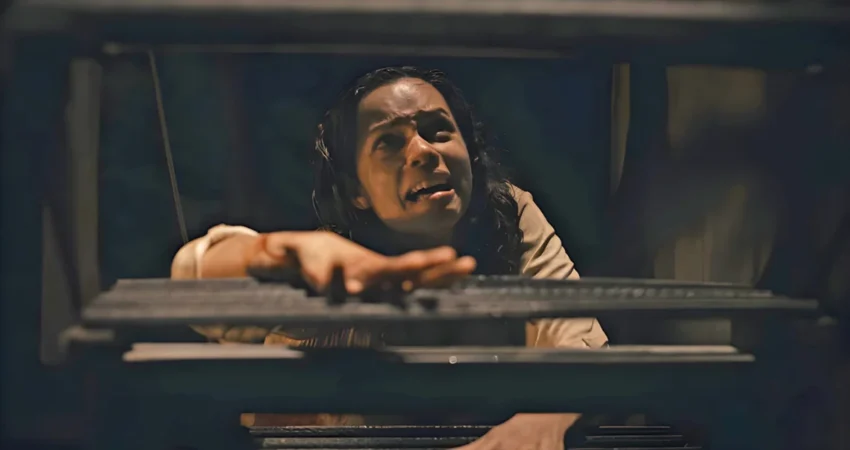
The landscape of contemporary horror underwent a significant shift in 2022 with the release of Barbarian, a film that defied conventional genre tropes and established director Zach Cregger as a formidable new voice in cinema. Originally produced on a modest budget of $4.5 million, the film’s trajectory from a rejected screenplay to a $45 million box office success serves as a case study in the power of original storytelling within the Hollywood system. As the film prepares to depart from the Max streaming platform on October 13, industry analysts and audiences alike are revisiting the elements that made this production a cultural touchstone. The film’s departure marks the end of a significant licensing window, urging subscribers to catch what many critics consider the most inventive horror film of the decade before it moves to a different digital home or remains available only via premium video-on-demand services.
The Genesis and Production of a Modern Cult Classic
The journey of Barbarian began not in a major studio boardroom, but in the creative mind of Zach Cregger, a founding member of the comedy troupe The Whitest Kids U’ Know. Cregger’s transition from sketch comedy to high-concept horror was initially met with skepticism. Reports indicate that the screenplay for Barbarian was rejected by nearly every major studio in Hollywood. Potential investors were reportedly confounded by the script’s unconventional three-act structure, which involves a total narrative reset thirty minutes into the film.
Despite these hurdles, Cregger secured funding through independent channels, including BoulderLight Pictures and Vertigo Entertainment. The production eventually found a home at 20th Century Studios, a division of Disney, which recognized the potential in the film’s visceral and unpredictable nature. Filmed primarily in Bulgaria—serving as a double for the Brightmoor neighborhood of Detroit—the production utilized its $4.5 million budget with surgical precision. The set design, particularly the intricate network of subterranean tunnels, was crafted to evoke a sense of claustrophobia and decaying history, which became central to the film’s atmosphere.
Narrative Subversion and the Anatomy of the Plot
Barbarian begins with a premise that has become a modern-day anxiety: the Airbnb double-booking. Tess, portrayed by Georgina Campbell, arrives at a rental home in a dilapidated Detroit neighborhood during a rainstorm, only to find it already occupied by a stranger named Keith, played by Bill Skarsgård. The first act is a masterclass in tension, playing on the audience’s inherent distrust of strangers and the gendered dynamics of safety. Skarsgård, known for his role as Pennywise in IT, utilizes his "horror pedigree" to keep the audience off-balance, making every gesture seem potentially predatory.
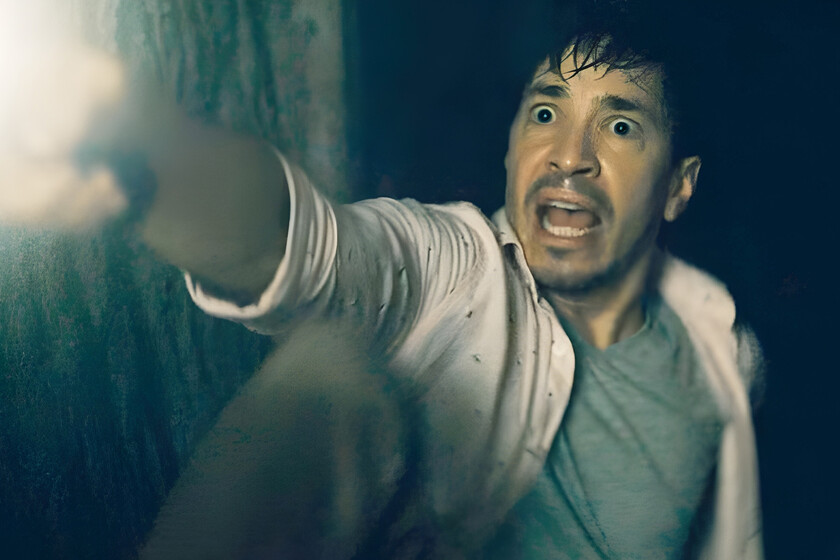
However, the film’s true brilliance lies in its sudden shift. Just as the tension between Tess and Keith reaches a breaking point in the house’s hidden basement, the film cuts to a bright, sun-drenched road in California, introducing AJ, a disgraced Hollywood actor played by Justin Long. This narrative pivot was what originally made the script so difficult to sell, yet it is exactly what audiences praised. The convergence of these two disparate storylines—Tess’s survival horror and AJ’s satirical downfall—creates a multi-layered experience that explores themes of entitlement, urban decay, and the cyclical nature of abuse.
Analyzing the True Monster: Intergenerational Trauma and Social Decay
While the film features a grotesque "Mother" figure living in the tunnels—a victim of decades of forced endogamy and imprisonment—the narrative argues that the "true monster" is not the creature on screen, but the man who created the environment. Through a haunting flashback sequence set in the 1980s, the film introduces Frank, the original owner of the house. Frank’s systematic kidnapping and abuse of women led to the birth of the deformed creature.
This revelation shifts the film from a standard "creature feature" into a commentary on the systemic failures of society. The neighborhood of Brightmoor serves as a silent witness to these atrocities. The contrast between the once-vibrant suburban dream of the 1980s and the hollowed-out ruins of the present day reflects a broader American horror story. The creature, "The Mother," is ultimately a tragic figure—a product of monstrous human decisions rather than supernatural evil. This nuance contributed significantly to the film’s 92% approval rating on Rotten Tomatoes, as critics lauded Cregger for imbuing a "popcorn flick" with profound psychological and social depth.

Financial Performance and Industry Impact
The financial success of Barbarian cannot be overstated. Opening to $10.5 million in its first weekend, the film benefitted from exceptionally strong word-of-mouth. Unlike many horror films that see a 60-70% drop in their second weekend, Barbarian maintained a steady hold, eventually grossing $40.8 million domestically and over $45 million worldwide. This ten-fold return on investment solidified the "low-budget, high-concept" horror model as the most reliable strategy for theatrical success in the post-pandemic era.
Furthermore, the film’s success had a direct impact on the careers of its cast and crew. Georgina Campbell was catapulted into the spotlight as a premier "final girl" for the modern age, while Justin Long’s performance was hailed as a career-best, successfully blending comedy with a character that the audience is invited to loathe. For Zach Cregger, the film was a "blank check" moment. Following the release, he signed a multi-year first-look deal with Warner Bros. Pictures and is currently developing his next highly anticipated project, titled Weapons, which reportedly features an ensemble cast including Josh Brolin and Julia Garner.
Critical Reception and Cultural Legacy
The critical consensus for Barbarian highlights its unpredictability. In an era of "elevated horror" where films often prioritize metaphor over scares, Barbarian managed to do both. It delivered genuine, visceral shocks while maintaining a sharp, satirical edge. The use of space—the narrow hallways, the pitch-black tunnels, and the sudden shifts in lighting—demonstrated a sophisticated understanding of visual storytelling.
The film also sparked widespread discussion regarding the "red flags" in the opening act. Tess’s decision to stay in the house became a point of debate among viewers, with many analyzing the survival instincts of the characters. However, Cregger’s script cleverly addresses this, showing that Tess is a rational actor trapped in an irrational situation, whereas Justin Long’s character, AJ, is an irrational actor who brings destruction upon himself through his own arrogance. This duality has allowed the film to remain a frequent topic of analysis in film schools and online communities.
Final Countdown: The Departure from Max
The announcement that Barbarian will leave Max on October 13 has sent ripples through the horror community. Streaming platforms often cycle through titles based on licensing agreements between the platform and the parent studio (in this case, Disney’s 20th Century Studios). While Disney-owned content typically resides on Hulu or Disney+, licensing deals made prior to or during the reorganization of streaming services often result in these temporary windows on platforms like Max.
For viewers who have yet to experience the film, the remaining 13 days represent a final opportunity to view it as part of a standard subscription. The film’s removal is part of a larger trend where "must-watch" titles become nomadic, moving between services and forcing consumers to track their availability. Given its status as a modern classic, industry experts expect Barbarian to see a significant spike in viewership during its final week on the platform.
Broader Implications for the Horror Genre
Barbarian’s legacy is tied to a larger movement in the 2020s where horror has become the most experimental genre in Hollywood. Alongside films like Smile, Talk to Me, and Pearl, Barbarian proved that audiences are hungry for original intellectual property that takes risks. It demonstrated that a director can pivot from comedy to horror successfully by applying the same principles of timing and subversion found in humor to the mechanics of fear.
As Zach Cregger prepares his next move and the industry looks for the "next Barbarian," the film stands as a reminder that the most effective horror often comes from the most unlikely places. It is a film that rewards repeat viewings, as the clues to the final reveal are hidden in plain sight from the very first frame. Whether it is the subtle discomfort of a shared kitchen or the overt terror of a hidden labyrinth, Barbarian remains a definitive piece of 21st-century cinema—a monster movie where the humans are the ones to truly fear.

0 Comments