
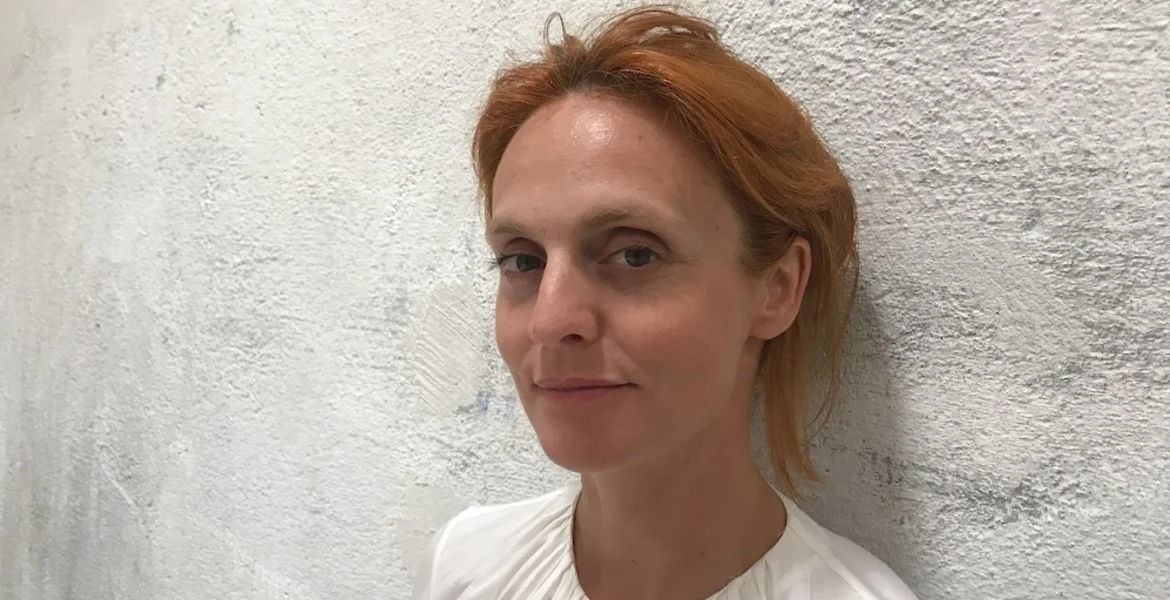
The Intergovernmental Council of the Ibermedia Program has officially designated Beatriz Navas as the new Technical Secretary of the organization during its XXIX Extraordinary Meeting, held on July 27 in the Dominican Republic. This appointment, which carries an initial duration of three years with the possibility of extension, represents a significant transition for the most influential audiovisual cooperation program in the Ibero-American region. Navas succeeds Elena Vilardell, a foundational figure who recently retired after nearly three decades of service to the program. The selection process was notably competitive, drawing 128 applications from across the region, all of which were evaluated based on rigorous criteria of equality, merit, capacity, objectivity, and transparency.
The transition comes at a pivotal moment for the Ibero-American audiovisual industry, which is currently navigating the complexities of digital transformation, shifting distribution models, and the increasing global demand for Spanish and Portuguese language content. As the Technical Secretary, Navas will be responsible for overseeing the administrative and operational heart of the program, managing the distribution of co-production funds, and fostering a cohesive cinematic ecosystem among the 23 member states, which include Latin American nations, Spain, Portugal, and Italy.
A Distinguished Career in Film Policy and Management
Beatriz Navas brings a wealth of academic and professional experience to the role, having established herself as a leading figure in Spanish film administration. She holds a degree in Audiovisual Communication and a PhD in Film Analysis from the Complutense University of Madrid, providing her with a deep theoretical understanding of the medium to complement her practical management skills.
Her most prominent role to date was serving as the Director General of the Institute of Cinematography and Audiovisual Arts (ICAA) in Spain from 2018 to 2023. During her tenure at the ICAA, Navas was instrumental in modernizing Spanish film legislation and navigating the industry through the unprecedented challenges of the COVID-19 pandemic. Her leadership was characterized by a focus on gender parity, support for independent cinema, and the promotion of Spanish talent on the international stage.
Furthermore, Navas is no stranger to the Ibermedia Program itself. She presided over the Intergovernmental Council of Ibermedia for two mandates during her time at the ICAA, giving her firsthand knowledge of the program’s internal mechanics and the diverse needs of its member countries. Her previous experience also includes a significant period at La Casa Encendida in Madrid, where she headed the audiovisual and performing arts departments, and a role as the curator of the audiovisual program for Europalia, a multidisciplinary biennial in Belgium that focused on Spain in its most recent edition. Additionally, she co-founded plat.tv, an online film archive dedicated to experimental and independent cinema, demonstrating her commitment to the preservation and promotion of non-commercial film forms.
The Legacy of Elena Vilardell and the Evolution of Ibermedia
The departure of Elena Vilardell marks the end of an era for Ibermedia. Having been linked to the program since its inception, Vilardell was a key architect of the "Ibero-American Audiovisual Space." Under her technical secretariat, the program evolved from a nascent idea proposed at the Ibero-American Summit of Heads of State and Government in 1997 into a robust financial engine that has supported over 2,000 projects, including co-productions, development grants, and training programs.
Ibermedia’s impact on the global success of Ibero-American cinema cannot be overstated. Films supported by the program have consistently appeared at top-tier festivals such as Cannes, Berlin, and Venice, and have frequently secured Academy Award nominations and wins. By providing the "seed money" necessary to trigger international co-production treaties, Ibermedia has allowed smaller national industries to pool resources with larger ones, creating a sustainable model for high-quality storytelling that transcends borders.
Navas’s appointment is seen by industry analysts as a strategic move to build upon this foundation while introducing fresh perspectives on the challenges of the 2020s. The high number of applicants for the position—128 in total—underscores the prestige of the role and the growing professionalization of cultural management within the Ibero-American sphere.
Broader Institutional Shifts in the Audiovisual Sector
The change in leadership at Ibermedia is part of a broader wave of institutional renewal across several key public bodies linked to the Ibero-American audiovisual sector. These shifts suggest a regional trend toward administrative restructuring as governments seek to align their film policies with modern market realities.
In Spain, the Council of Ministers recently appointed Marta Serrano as the new Director General of the ICAA in late June. Serrano took over the role following the passing of Ignasi Camós in April, who had briefly succeeded Navas. Serrano’s background in law and her experience within the Ministry of Culture are expected to provide stability as Spain continues to implement its "Audiovisual Hub" plan, a multi-million euro government initiative aimed at making the country a leading destination for international production and investment.
Simultaneously, Paraguay has also undergone a leadership transition in its cinematic governance. The National Secretariat of Culture designated Natalia Fuster as the Executive Director of the Paraguayan National Audiovisual Institute (INAP), replacing Christian Gayoso. Fuster, an economist by training with extensive experience in cultural management, secured the position through a public competition organized by the National Audiovisual Council (CNA). Her selection process involved a comprehensive evaluation of her background, the presentation of a strategic management plan, and an oral defense before the CNA plenary. Fuster’s appointment is particularly significant as Paraguay continues to strengthen its domestic film industry, which has seen a surge in international recognition over the last decade.
Challenges and Opportunities for the New Secretariat
As Beatriz Navas takes the helm of Ibermedia, she faces a landscape that is significantly different from the one that existed when the program was founded. The rise of global streaming platforms has altered the traditional theatrical distribution model, creating new opportunities for content creators but also presenting challenges for the protection of cultural diversity and national identities.
One of the primary tasks for the new Technical Secretariat will be to ensure that Ibermedia remains relevant in an environment where private capital from multinational corporations often dwarfs public subsidies. This may involve refining the program’s funding criteria to better support the "discoverability" of Ibero-American films in a crowded digital marketplace and fostering deeper collaborations with television networks and VOD platforms.
Furthermore, there is an increasing call within the industry for more sustainable production practices and the integration of emerging technologies, such as artificial intelligence, into the creative process. Navas’s background in both traditional film analysis and digital archiving positions her well to lead discussions on how the Ibero-American Audiovisual Space can adapt to these technological shifts without losing its cultural essence.
Strategic Implications for Regional Integration
The Ibermedia Program is more than just a financial fund; it is a diplomatic tool that promotes regional integration and the "soft power" of Ibero-American nations. By facilitating co-productions between countries like Mexico and Portugal, or Argentina and Spain, the program reinforces linguistic and cultural ties that date back centuries.
The XXIX Extraordinary Meeting in the Dominican Republic, where Navas was appointed, also highlighted the host country’s growing role in the regional industry. The Dominican Republic has become a major filming destination due to its competitive tax incentives and developing infrastructure, and its active participation in Ibermedia reflects its commitment to becoming a central player in the Ibero-American cinematic dialogue.
Industry reactions to Navas’s appointment have been largely positive, with many praising her deep understanding of the Spanish-speaking market and her previous diplomatic experience within the program. Colleagues from various national film institutes have expressed optimism that her leadership will provide a bridge between the established traditions of the program and the innovative strategies needed for the future.
Conclusion and Future Outlook
The appointment of Beatriz Navas as Technical Secretary of the Ibermedia Program signals a commitment to professional excellence and institutional continuity during a time of significant change. With a three-year mandate ahead of her, Navas is expected to focus on streamlining administrative processes, enhancing the international visibility of supported projects, and ensuring that the program remains a vital resource for filmmakers across Ibero-America.
As the industry looks toward the next Ibero-American Summit, the role of Ibermedia will be central to discussions on how to foster a more resilient and competitive audiovisual sector. With new leadership at the ICAA in Spain, the INAP in Paraguay, and now at the heart of Ibermedia itself, the stage is set for a coordinated effort to elevate Ibero-American cinema to new heights of global influence. The legacy of the past thirty years provides a solid foundation, but the next three years under Navas will be crucial in determining how the region’s stories are told, funded, and shared with the world in the decades to come.

0 Comments