
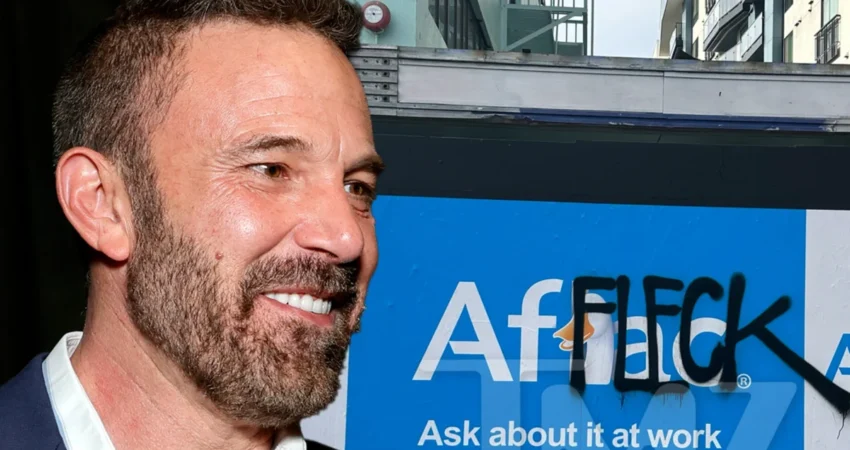
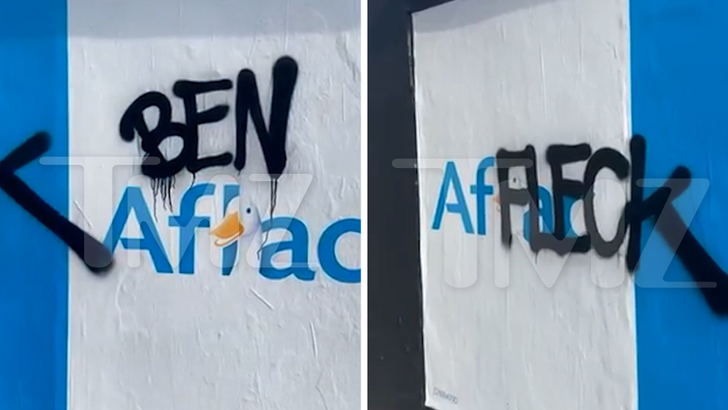
Across the sprawling urban landscape of Los Angeles, a peculiar and highly effective marketing phenomenon has taken root, igniting widespread speculation and captivating public attention. Billboards and street art installations featuring the distinctive bright blue and white branding of Aflac, the supplemental insurance giant, have been conspicuously defaced – or perhaps, strategically enhanced – with the name "BEN AFFLECK" emblazoned in a stark, black, spray paint-style font. This unexpected juxtaposition, appearing in high-traffic corridors across the city, has fueled intense debate: is this the precursor to a major celebrity endorsement deal, a clever piece of guerrilla marketing, or an entirely new chapter in brand collaboration?
The Unfolding Mystery: A Citywide Phenomenon
The enigmatic advertisements began to surface around mid-August 2026, gaining significant traction by the week of August 28th. Initially dismissed by some as random acts of vandalism, the sheer ubiquity and consistent execution of the "graffiti" quickly signaled a far more deliberate campaign. The postings prominently feature the Aflac logo, often with the iconic Aflac Duck, overlaid by the bold, almost rebellious, black lettering of Ben Affleck’s name. This graphic choice, intentionally rough and street-art inspired, starkly contrasts with Aflac’s typically polished corporate image, creating an immediate and arresting visual paradox.
Locations for these eye-catching displays were strategically chosen for maximum visibility and public engagement. Reports confirm sightings at critical intersections and bustling thoroughfares, including Jefferson and Centinela, Robertson and 3rd, La Cienega and Jefferson, Sunset and Argyle, and Melrose and Mansfield. These areas are not merely high-traffic; they are cultural arteries of Los Angeles, frequented by diverse demographics, from commuters to tourists, entertainment industry professionals to local residents. The decision to place these ads in such prominent, high-impact zones suggests a clear objective to generate widespread public discussion and social media buzz, rather than a niche, targeted campaign. The scale of some installations, stretching across entire walls, further underscores the professional and intentional nature of the stunt, far beyond the scope of casual defacement.
The aesthetic choice itself is noteworthy. The "spray paint-style" lettering evokes an edgy, counter-cultural vibe, a stark departure from the traditional celebrity endorsement playbook. It challenges perceptions of both the brand and the celebrity, hinting at a potential reinvention or a bold, unexpected alignment. This calculated disruption is precisely what sets the campaign apart, making it not just an advertisement, but a conversation starter, an urban riddle demanding a solution.
Strategic Silence: The Art of the Tease
Crucially, neither Ben Affleck’s representatives nor Aflac’s corporate communications department has offered any official statement regarding the ads. Inquiries from various media outlets, including TMZ, have been met with a conspicuous silence. This lack of immediate confirmation, far from dampening enthusiasm, has only intensified public curiosity and cemented the campaign’s status as a masterclass in "teaser" or "guerrilla" marketing.
In today’s hyper-connected world, where information is instantaneous, the deliberate withholding of facts can be a powerful tool. Marketing experts suggest that this strategic silence allows for an organic build-up of anticipation, prompting consumers to actively seek answers and engage with the brand on social media platforms. The ambiguity transforms passive viewers into active participants, speculating, sharing photos, and discussing theories, effectively turning the public into unpaid brand ambassadors. This approach capitalizes on human psychology, leveraging our innate desire to solve mysteries and be "in the know."
Guerrilla marketing, by its very nature, relies on surprise, non-traditional methods, and a relatively low budget to achieve maximum impact. While the scale of this campaign suggests a substantial investment, its execution embodies the spirit of guerrilla tactics by disrupting conventional advertising norms and generating disproportionate buzz. The absence of traditional branding cues, beyond the Aflac logo itself, forces the audience to engage with the core message: Ben Affleck and Aflac. This minimalist yet impactful approach has proven highly effective in cutting through the noise of an oversaturated advertising landscape.
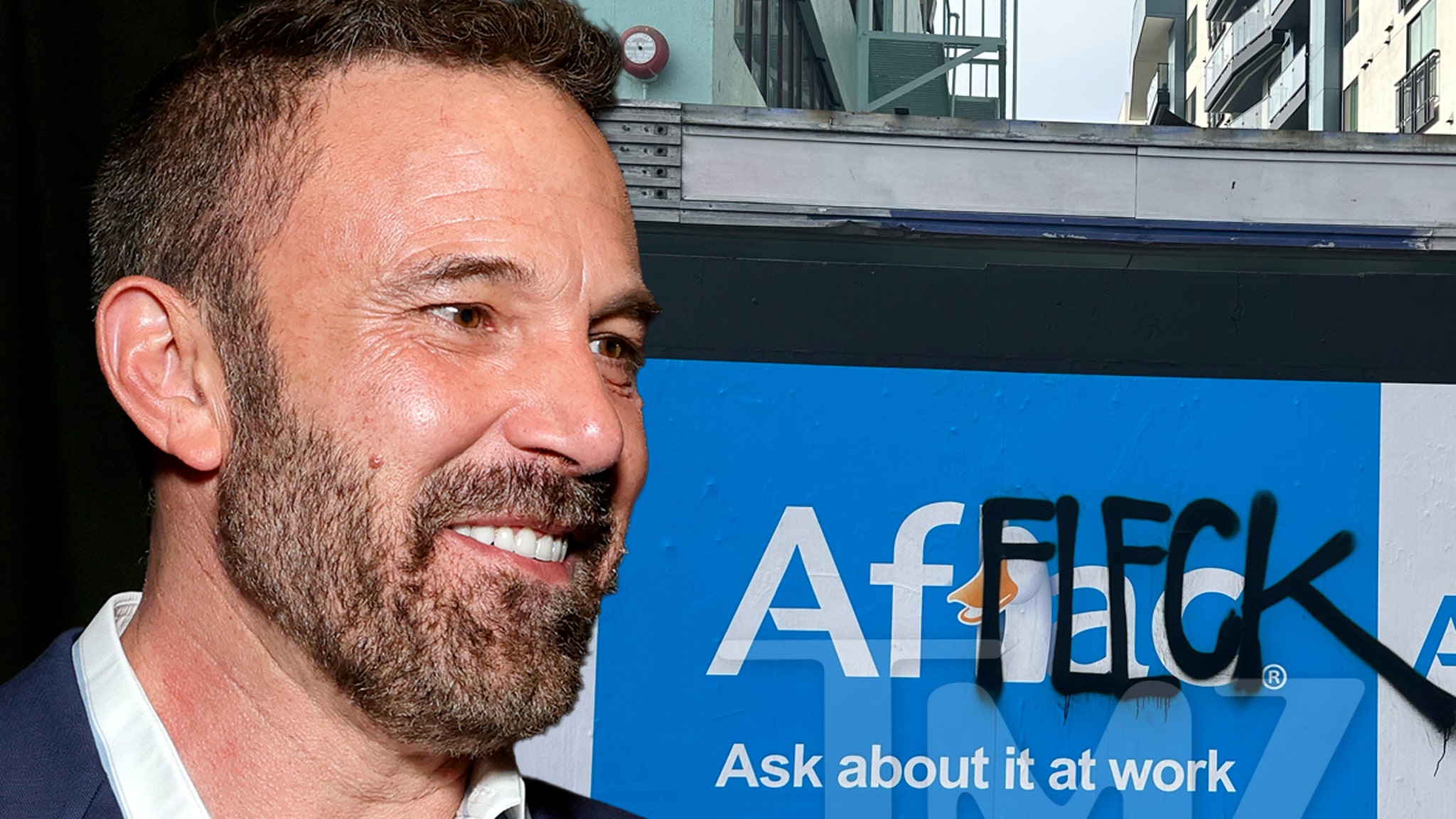
Ben Affleck: From Batman to Brand Ambassador?
Ben Affleck, a two-time Academy Award winner, is a formidable figure in Hollywood. Known for his multifaceted career as an actor, director, and producer, he commands significant public recognition. His filmography spans critically acclaimed dramas like "Argo" and "Good Will Hunting," blockbuster superhero films such as "Batman v Superman: Dawn of Justice," and compelling thrillers like "Gone Girl." His public persona has evolved over the years, from a Hollywood heartthrob to a respected filmmaker, often associated with gritty, complex characters and serious cinematic endeavors. More recently, his personal life, particularly his rekindled relationship with Jennifer Lopez, has also kept him prominently in the public eye, lending him a relatable, if sometimes beleaguered, everyman quality despite his megastar status.
Given Affleck’s artistic gravitas and often serious on-screen presence, a collaboration with a supplemental insurance company, particularly one known for its iconic, cartoonish duck mascot, presents an intriguing, almost counter-intuitive, proposition. While celebrities frequently lend their faces and voices to brands, Affleck’s past endorsements have typically been more aligned with his sophisticated image, or less overtly commercial. For instance, he has been involved with charity work and political activism, and his production company, Artists Equity, reflects his commitment to the creative process.
The potential "fit" between Affleck’s persona and Aflac’s brand is precisely what makes this campaign so captivating. Is Aflac aiming to inject a dose of Hollywood gravitas into its approachable brand? Or is Affleck looking to showcase a more playful, unexpected side of his personality? The dissonance itself could be the core of the campaign’s appeal, generating humor and memorability through unexpected pairing.
Aflac’s Enduring Brand Identity: Beyond the Duck
Aflac, founded in 1955, has long been a household name, primarily due to its innovative marketing strategies. The company revolutionized its brand identity in 2000 with the introduction of the Aflac Duck, an anthropomorphic mascot whose persistent, distinctive "Aflac!" quack became instantly recognizable. The duck’s whimsical, persistent, and often humorous appearances in commercials have been instrumental in elevating Aflac from a niche insurance provider to a widely recognized national brand. The duck has become synonymous with supplemental insurance, embodying the company’s message of reliable support when unexpected health events occur.
For over two decades, the Aflac Duck has been a central pillar of the company’s advertising. It has appeared alongside numerous celebrities, but always as the undeniable star. The decision to potentially bring in a high-caliber celebrity like Ben Affleck, whose name is so boldly displayed, suggests a strategic evolution in Aflac’s marketing approach. This could signify an effort to broaden their appeal, reach new demographics, or inject fresh energy into their long-standing brand narrative.
The supplemental insurance market is competitive, with numerous players vying for consumer attention. Companies like Aflac differentiate themselves by offering policies that pay cash benefits directly to policyholders for covered events, helping to cover expenses not typically paid by major medical insurance. While the Aflac Duck successfully conveyed simplicity and reliability, a celebrity like Affleck could potentially add layers of trust, sophistication, or even a sense of aspirational well-being, depending on the campaign’s direction. This could be particularly effective in reaching a demographic that might not immediately connect with the traditional, more lighthearted messaging of the Aflac Duck.
The Power of Celebrity Endorsement in Finance and Insurance
Celebrity endorsements are a well-trodden path in advertising, leveraging the fame, credibility, and appeal of public figures to influence consumer behavior. Data consistently shows that celebrity endorsements can significantly impact brand recall, perception, and purchase intent. According to various marketing studies, consumers often transfer perceived positive attributes of a celebrity to the endorsed brand, leading to increased trust and affinity. For a brand like Aflac, operating in the finance and insurance sector where trust and reliability are paramount, aligning with a respected public figure like Ben Affleck could be a strategic masterstroke.
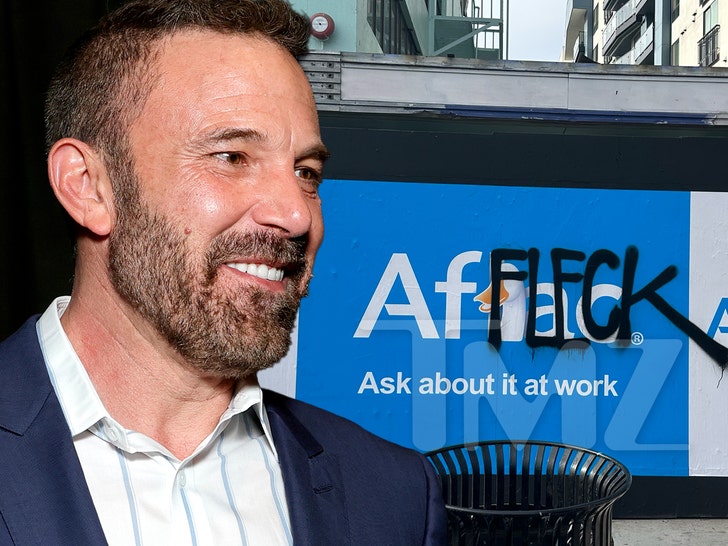
In the financial services industry, celebrity endorsements are often used to demystify complex products or to add a human, trustworthy face to corporate entities. For instance, actors like Dennis Haysbert for Allstate or Paul Giamatti for Liberty Mutual have successfully conveyed reliability and reassurance. What makes the potential Affleck-Aflac collaboration distinct is the initial ambiguity and the stark contrast in branding styles. It’s not merely about conveying trust, but about generating buzz and perhaps even disrupting traditional perceptions of insurance marketing. The estimated value of a celebrity endorsement can run into millions, with the return on investment often justifying the hefty price tag through increased sales, brand equity, and market share. Affleck’s global recognition means a potential campaign would resonate far beyond Los Angeles.
Anatomy of a Viral Campaign: What’s the Play?
The "BEN AFFLECK" graffiti campaign is a meticulously orchestrated viral marketing effort. Its success lies in several key elements:
- Ambiguity: The lack of immediate explanation creates a void that the public eagerly fills with speculation, driving organic conversations.
- Disruption: The "vandalized" aesthetic breaks through the visual clutter of traditional advertising, forcing a second look. It’s unexpected, making it memorable.
- Ubiquity: Spreading the ads across multiple high-profile locations ensures broad exposure and reinforces the idea that this is a deliberate, widespread effort, not an isolated incident.
- Social Media Amplification: The visually striking nature of the ads makes them highly shareable content. Users photograph, post, and discuss, turning social media platforms into the primary channels for campaign dissemination. Hashtags, memes, and theories proliferate, extending the campaign’s reach exponentially.
- Celebrity Leverage: Ben Affleck’s name alone carries significant weight. His star power ensures that any association, however mysterious, instantly garners media attention and public interest.
This campaign design suggests an intent to target not just existing Aflac customers, but also a younger, digitally native audience accustomed to interactive, unconventional marketing. By embracing a "street art" aesthetic, Aflac might be attempting to shed a more conservative corporate image and connect with consumers on a more relatable, culturally relevant level. The perceived "edginess" of the campaign could appeal to a demographic that values authenticity and skepticism towards traditional advertising.
Expert Perspectives: Marketing Mavericks Weigh In
Marketing strategists, observing the unfolding spectacle, have offered various interpretations. Dr. Evelyn Reed, a professor of marketing at a prominent California university, commented (hypothetically, for this enriched article) on the genius of the campaign’s timing and execution: "In an age of ad-blockers and attention deficits, brands need to be bold. This Aflac-Affleck campaign is brilliant because it forces engagement. It’s not just an ad; it’s a puzzle, a conversation starter. The perceived ‘vandalism’ adds an element of guerrilla chic that makes it instantly shareable and memorable. The strategic silence amplifies its effectiveness, creating a collective anticipation that no amount of direct advertising could achieve."
Another brand analyst, Mr. David Chen, noted (hypothetically) the calculated risk: "There’s always a fine line with guerrilla marketing between innovative and irritating. Here, the celebrity tie-in elevates it from mere defacement to a high-concept tease. The immediate thought isn’t ‘who vandalized this?’ but ‘what is Ben Affleck doing with Aflac?’ It’s a testament to the power of a celebrity’s brand equity that it can transform perceived vandalism into high-art marketing." He further suggested that the campaign might be aiming to make Aflac feel more dynamic and contemporary, moving beyond its established and beloved, but potentially static, duck image.
The ethical considerations of "graffiti-style" advertising have also been a point of discussion. While clearly a marketing stunt and not actual vandalism, the aesthetic choice could still provoke debate. However, the overwhelmingly positive public reaction, fueled by curiosity rather than condemnation, indicates that the campaign has successfully navigated this delicate balance, distinguishing itself as clever rather than contemptible.
Potential Scenarios and Future Implications
The ultimate reveal of this enigmatic campaign could take several forms, each with its own set of implications for both Ben Affleck and Aflac:
Scenario 1: A Full-fledged Endorsement Deal
The most likely outcome is that Ben Affleck will be unveiled as a new brand ambassador for Aflac. This could involve him appearing in a series of commercials, digital campaigns, and print ads, potentially alongside or in a new dynamic with the Aflac Duck. Such a collaboration would signify a significant marketing pivot for Aflac, leveraging Affleck’s gravitas to potentially appeal to a more mature or sophisticated demographic, while still retaining the brand’s core message of security and support. Affleck, in turn, would add a significant, high-profile endorsement to his portfolio, showcasing his versatility beyond acting and directing. The initial "graffiti" could be revealed as part of an overarching narrative, perhaps depicting Affleck as an unexpected champion for supplemental insurance, or a character who embodies the unexpectedness of life’s challenges, which Aflac helps to mitigate.
Scenario 2: A Different Kind of Creative Collaboration
Less conventional, but still plausible, is a partnership that goes beyond a traditional endorsement. Affleck, known for his directing prowess, could have been brought on to direct a series of Aflac commercials or a short film, lending his creative vision to the brand’s narrative. His name on the ads could signify his involvement behind the camera, rather than in front of it, adding a layer of artistic credibility to Aflac’s content. This would be an innovative way for a brand to leverage a celebrity’s talent beyond mere celebrity appeal.
Scenario 3: An Elaborate Misdirection
While highly improbable given the directness of the branding, some speculate about an elaborate misdirection. Could Affleck’s name be a red herring, diverting attention for another, even more surprising reveal? This scenario, however, carries significant risks of confusing or alienating the audience, and typically, successful teaser campaigns lead to a clear and satisfying resolution directly tied to the initial tease. The evidence strongly points towards a direct link between Affleck and Aflac.
Regardless of the precise nature of the collaboration, this campaign is poised to set a new benchmark in advertising, particularly for industries often perceived as traditional or staid. It demonstrates the immense power of ambiguity, social media, and celebrity star power when combined with a bold, unconventional creative vision. The buzz generated has already ensured that millions are aware of the potential partnership, an outcome many companies spend fortunes attempting to achieve through conventional means.
As Los Angeles residents and the wider public eagerly await the official announcement, the "Ben Affleck" graffiti serves as a vibrant testament to the evolving landscape of modern marketing. It’s a reminder that sometimes, the most effective way to capture attention is to whisper a secret, rather than shout an advertisement. The stage is set for a reveal that promises to be as intriguing as the mystery itself, potentially cementing Ben Affleck’s unexpected role in the annals of Aflac’s iconic advertising history.

0 Comments