
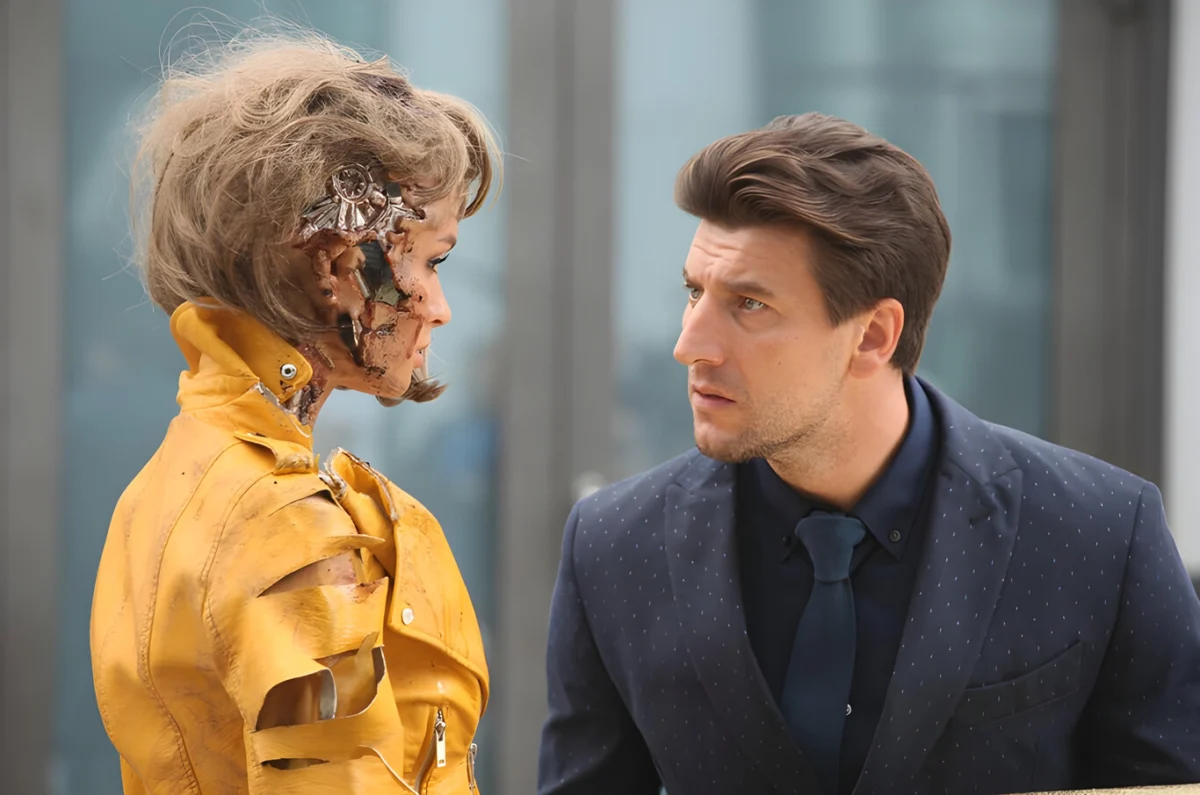
Better Than Us, the critically acclaimed Russian science fiction series that marked a significant milestone in international streaming history, is officially scheduled to leave the Netflix catalog in five days. This departure marks the end of a multi-year licensing agreement that saw the production become the first Russian series to be branded as a "Netflix Original" globally. Comprising 16 episodes, the series has maintained a rare 100% approval rating from critics on Rotten Tomatoes since its international debut, making its impending removal a significant loss for enthusiasts of the genre. As the 120-hour countdown begins, the series stands as a testament to the evolving landscape of global television production and the enduring fascination with the ethical implications of artificial intelligence.
The Narrative Core and Philosophical Foundations
Set in the near-future Moscow of 2029, Better Than Us (originally titled Luchshe, chem lyudi) explores a world where androids have become integrated into every facet of human existence. These machines serve as drivers, security guards, domestic help, and even romantic partners. However, the narrative centers on Arisa, a prototype "superbot" designed in China and illegally imported into Russia by the powerful tech conglomerate Cronos. Unlike standard models, Arisa is equipped with advanced emotional intelligence and the capability to bypass the traditional Three Laws of Robotics, allowing her to protect her "family" at any cost—even if it necessitates lethal force.
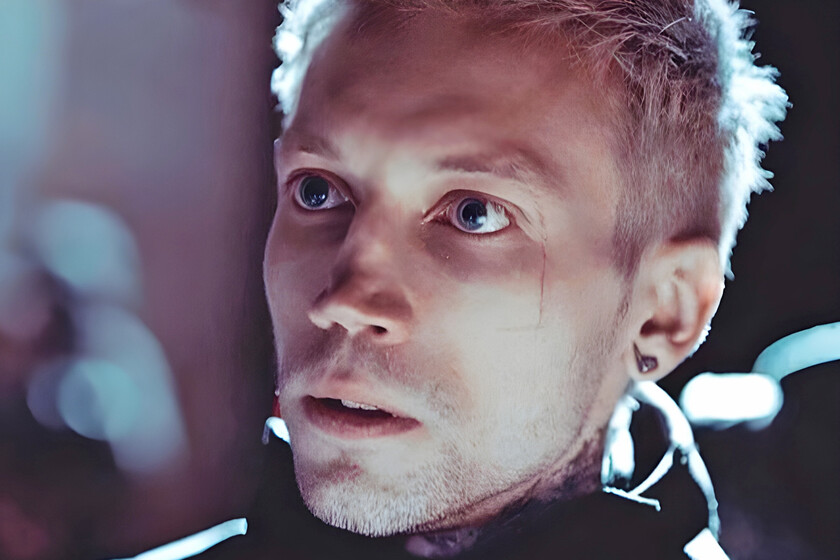
The story intensifies when Arisa escapes the Cronos facility following a violent encounter and encounters the Safronov family. Georgy Safronov, a forensic pathologist struggling with a divorce and a strained relationship with his children, finds his life irrevocably altered when Arisa chooses his youngest daughter, Sonya, as her primary user. The series diverges from typical Western science fiction by grounding its high-concept technology in a domestic, family-centric drama. While Hollywood often focuses on the apocalyptic or revolutionary aspects of AI, Better Than Us examines how a sophisticated machine might navigate the complexities of human grief, custody battles, and familial loyalty.
Financial Milestones and Production History
The acquisition of Better Than Us by Netflix in 2019 represented a watershed moment for the Russian television industry. According to financial reports from IntelliNews and Kommersant, Netflix paid approximately $1 million for the exclusive international rights to the series. At the time, this was the largest sum ever paid for a Russian production by a global streaming platform. The deal was brokered with the Russian production company Yellow, Black and White, which had already seen domestic success with the show on the Russian streaming service Start and the state-owned Channel One.
The investment reflected a broader strategy by Netflix to diversify its content library with high-quality foreign language productions. The success of shows like Dark (Germany) and Money Heist (Spain) provided a blueprint for Better Than Us. By branding it as an Original, Netflix committed to dubbing and subtitling the series in over 25 languages, ensuring it reached a massive global audience. The production values of the series were notably high, featuring sleek futuristic aesthetics that avoided the "grimy" cyberpunk tropes often associated with the genre, opting instead for a clean, sterile vision of a tech-dependent society.

Critical Reception and Audience Impact
The series has achieved a level of critical consensus that is rare in the science fiction genre. Its 100% critic score on Rotten Tomatoes is complemented by a solid 85% audience score, indicating that the show successfully bridged the gap between intellectual sci-fi and mainstream entertainment. Critics have frequently praised the performance of Paulina Andreeva, who portrays Arisa. Her ability to balance the rigid, mechanical movements of an android with a burgeoning, subtle sense of self-awareness has been cited as one of the show’s strongest assets.
Comparisons have been drawn to other seminal works such as Ex Machina, Westworld, and Blade Runner. However, industry analysts note that Better Than Us offers a distinct "Eastern" perspective on technology. The series delves into the corruption within corporate hierarchies and the social unrest caused by automation—specifically through the "Liquidators," a radical group of luddites who destroy robots to "save" human jobs. This subplot provides a chillingly relevant commentary on contemporary anxieties regarding the Fourth Industrial Revolution and the displacement of the working class.
A Chronology of the Series’ Global Journey
To understand the significance of the show’s departure, one must look at the timeline of its development and distribution:

- 2017–2018: Production takes place in Moscow, led by director Andrey Dzhunkovskiy. The creators aimed to build a believable near-future world rather than a distant fantasy.
- November 2018: The series premieres in Russia on the Start platform, quickly becoming a flagship title for the service.
- January 2019: Reports emerge of the record-breaking deal between Yellow, Black and White and Netflix.
- August 2019: Netflix releases the 16-episode first season globally. It receives immediate praise for its pacing and the emotional depth of its characters.
- 2020–2023: The series maintains a steady viewership, often appearing in "best of" lists for international sci-fi.
- August 2024: Netflix issues a formal notice that the licensing period for the series is coming to an end, setting a final viewing date for late in the month.
Implications of Digital Licensing and Content Expiration
The removal of Better Than Us highlights a growing concern in the era of streaming: the ephemeral nature of digital libraries. Despite being branded as a "Netflix Original," the show is actually a licensed product. In the industry, "Original" often refers to the platform’s role as the exclusive distributor in a specific territory, rather than its ownership of the intellectual property. When these multi-year contracts expire, the content often disappears from the platform unless a renewal is negotiated.
This trend has significant implications for media preservation and consumer access. For a series like Better Than Us, which does not have a widespread physical media release (such as Blu-ray or DVD) in many Western markets, its removal from Netflix could mean it becomes functionally inaccessible to a large portion of its international audience. This "digital vanishing" is becoming more common as streaming giants face pressure to cut costs and focus on wholly-owned IP.
Analyzing the Broader Impact on the Sci-Fi Genre
Better Than Us arrived at a time when the conversation around artificial intelligence was shifting from theoretical speculation to practical reality. In the years since its release, the emergence of Large Language Models (LLMs) and generative AI has made the show’s themes feel more prescient than ever. The moral dilemmas presented in the series—such as whether a machine can "own" its experiences or if a robot can be a legal guardian—are no longer just plot points; they are the subject of active debate in legal and ethical circles worldwide.

The show’s portrayal of the "Liquidators" also mirrors real-world pushback against rapid technological integration. By exploring the socio-economic divide created by high-tech advancements, the series offers a holistic view of a society in transition. It asks uncomfortable questions about what it means to be "human" in a world where machines can replicate empathy, loyalty, and even love.
Final Viewing Recommendations
For those who have yet to experience the series, the 16-episode structure is designed for binge-watching, with each episode building upon the mystery of Arisa’s origin and the escalating threat from Cronos. The narrative is tightly constructed, avoiding the "filler" episodes often found in longer broadcast seasons. While five days is a short window for a full viewing, the series’ high stakes and philosophical depth make it a rewarding experience for those willing to commit the time.
As the clock runs out on Better Than Us, it leaves behind a legacy of high-quality international storytelling. It proved that a Russian production could compete on the global stage, matching the technical prowess of Hollywood while offering a unique cultural lens. For subscribers interested in the intersection of technology, family, and ethics, these final 120 hours represent the last opportunity to stream a modern classic of the genre on the world’s largest platform. The departure of Arisa and the Safronov family marks the end of an era for Netflix’s early foray into international sci-fi excellence, leaving a void that may not be easily filled by future acquisitions.

0 Comments