
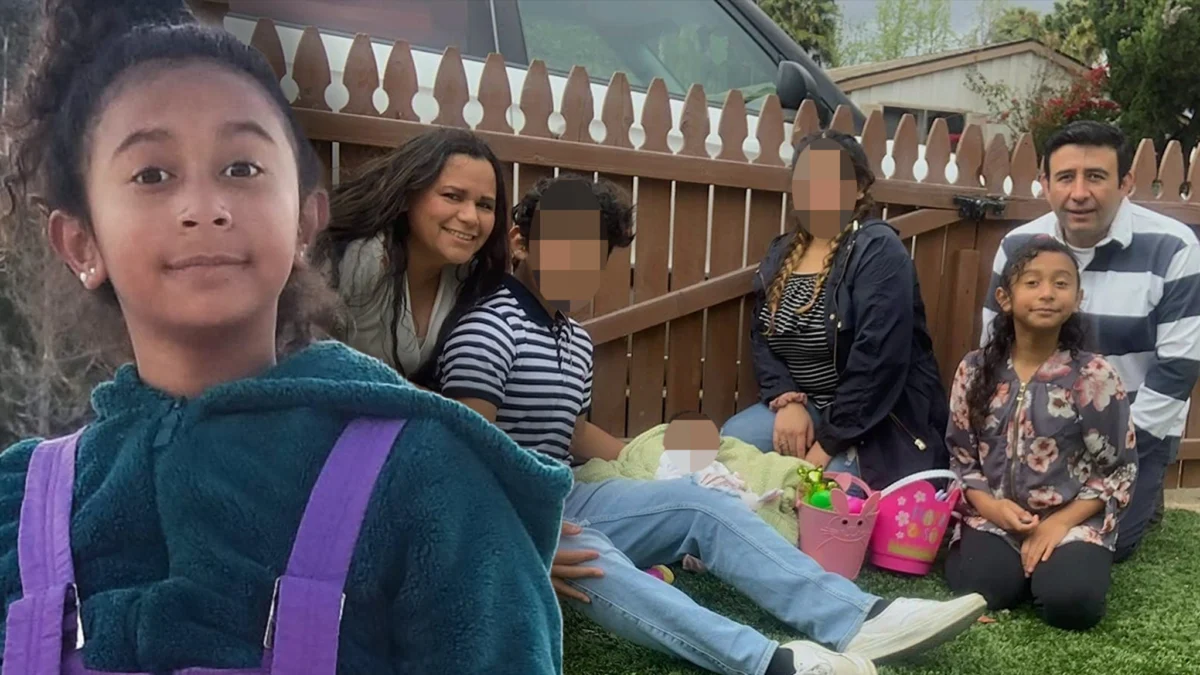
The parents of Celeste Rivas, the 14-year-old runaway whose life tragically ended in an alleged murder a year later, were fully cleared in a 2024 child neglect and abuse investigation, law enforcement officials have confirmed. This crucial detail emerges amidst the ongoing legal proceedings against D4vd, who stands accused of the teenager’s murder. The Riverside County Sheriff’s Office (RCSD) conducted a thorough inquiry into allegations of neglect, concluding that no wrongdoing was found on the part of Celeste’s parents, a finding that adds a complex layer to the heartbreaking narrative surrounding the young girl’s life and death.
A Tragic Premise: The Life and Disappearance of Celeste Rivas
Celeste Rivas was a 14-year-old resident of Lake Elsinore, California, a vibrant community nestled in Riverside County known for its recreational lake and growing population. Her story, however, has become synonymous with a much darker narrative, one of a vulnerable teenager caught in a web of alleged manipulation and ultimately, extreme violence. Before the devastating events of April 2025, Celeste had a history of running away from home, a common yet deeply concerning issue that often signals underlying vulnerabilities in a juvenile’s life. These instances of disappearance were not isolated events but rather critical junctures that, in hindsight, highlight the escalating risks she faced. The family’s repeated reports to authorities underscored their ongoing struggle and concern for her safety, particularly in an era where digital connections can expose minors to unforeseen dangers.
The Child Neglect Investigation: Unpacking the 2024 Probe
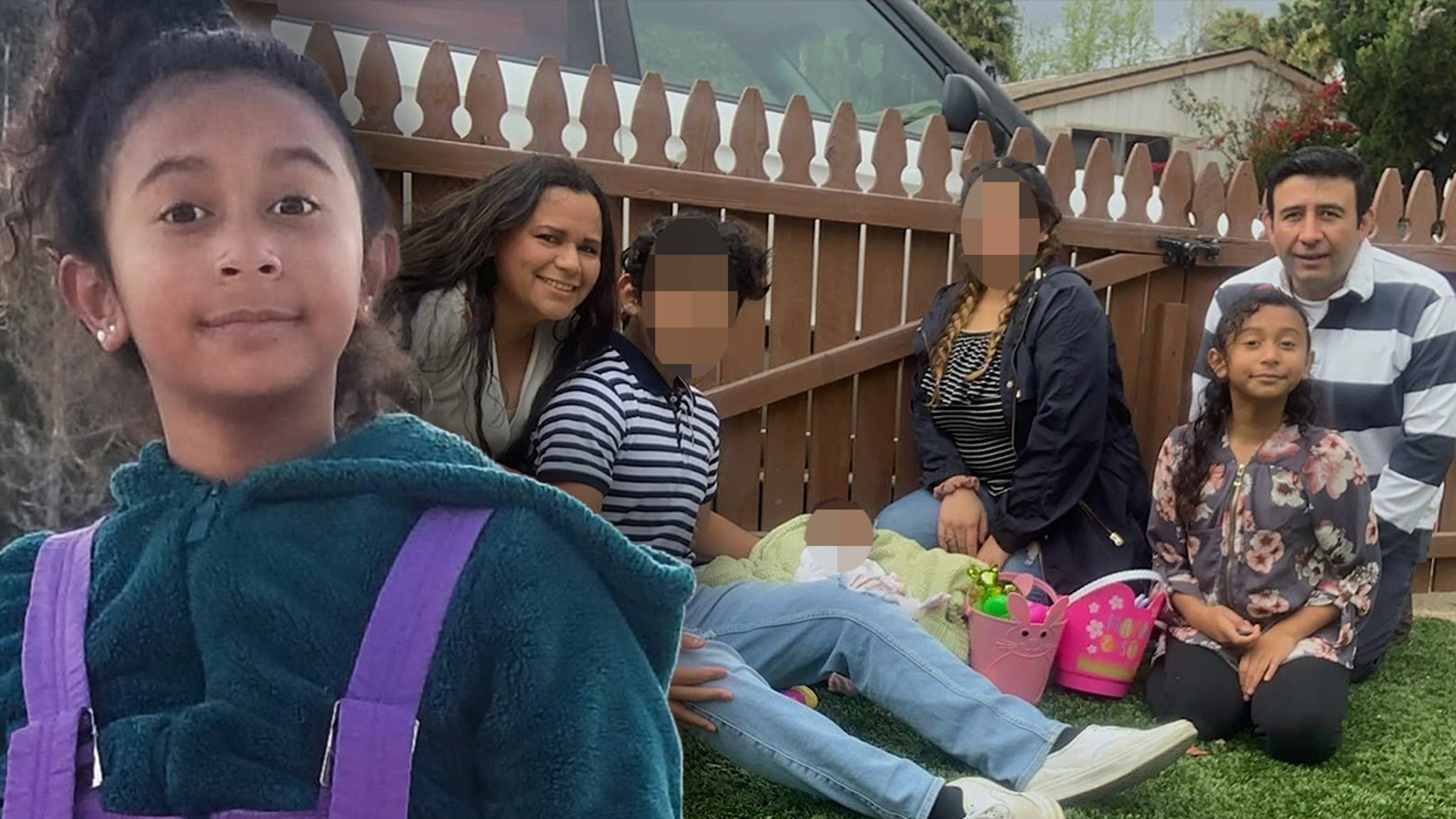
The formal investigation into Celeste Rivas’s home environment began on April 27, 2024, initiated by the Riverside County Sheriff’s Office. This date fell just a couple of weeks after Celeste had been reported missing for the second time within that year, signaling heightened concern from either within the community or from individuals close to the family. While the identity of the complainant remains undisclosed, law enforcement officials indicated that the individual "expressed concern about a juvenile who had run away." Such calls are standard protocol for child protective services and law enforcement when a child’s safety or well-being might be compromised, especially in cases of repeated truancy or runaway behavior.
Upon receiving the complaint, RCSD deputies responded to the Rivas family home in Lake Elsinore. The investigative process, typical in child neglect probes, involved interviewing all available individuals present at the residence. This step is critical for gathering direct observations and testimonies regarding the child’s living conditions, parental care, and overall home environment. Detectives would have looked for any physical signs of abuse, evidence of inadequate supervision, lack of basic necessities, or exposure to hazardous conditions, which are common indicators of neglect or abuse.
Despite these efforts, the investigation ultimately found no evidence of child neglect or abuse. This official clearance is significant, as it indicates that, based on the evidence gathered and interviews conducted, the legal threshold for proving neglect or abuse was not met. It is important to understand that such findings are based on specific legal definitions and available proof, not necessarily an affirmation of a perfect family situation, but rather an absence of criminal or civil neglect as defined by statute.
A key limitation highlighted by the RCSD was their inability to interview Celeste herself, as she "had not been located" at the time of the investigation. This circumstance is frequently encountered in cases involving runaway minors. Without direct testimony from the child, who is often the primary source of information in abuse or neglect allegations, investigators face significant challenges in corroborating claims or understanding the full scope of a situation. The absence of Celeste’s direct input meant deputies "were unable to determine if a crime had occurred" related to neglect or abuse, leading to the official closure of the case without charges against the parents. This procedural hurdle underscores the complexities inherent in safeguarding vulnerable youth, particularly those who are frequently absent from their homes.
A Pattern of Disappearance: Celeste’s Runaway Incidents
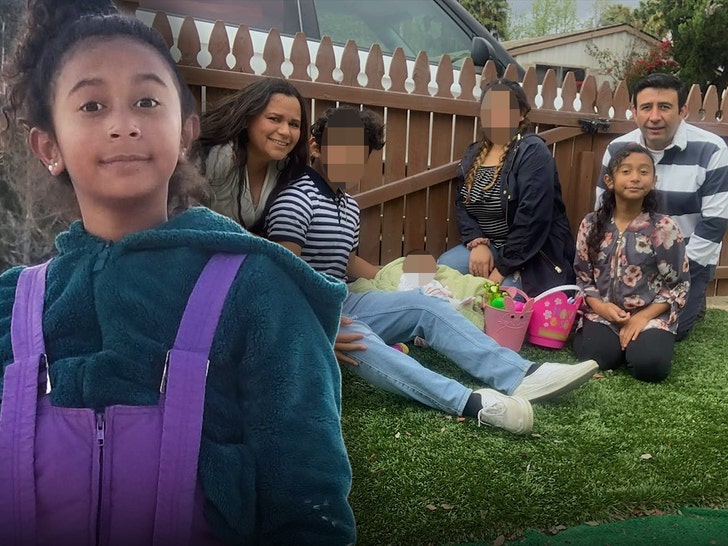
Celeste Rivas’s family reported her missing on two separate occasions in 2024—first in February and then again in April. These incidents paint a picture of a young girl struggling with her home environment or external influences, or both, leading her to repeatedly leave. Runaway statistics in the United States indicate that hundreds of thousands of children are reported missing each year, with a significant percentage being runaways. These children are often highly vulnerable to exploitation, abuse, and trafficking. They face risks such as homelessness, hunger, substance abuse, and becoming targets for predators.
The challenges faced by families of runaway children are immense. Parents often grapple with feelings of helplessness, fear, and frustration as they navigate a system designed to protect minors but often struggles with the complexities of voluntary departures. Local law enforcement, while committed to locating missing persons, must balance these efforts with their broader responsibilities, and resources for repeat runaways can sometimes be stretched thin. Support organizations like the National Center for Missing and Exploited Children (NCMEC) and local youth shelters often emphasize the need for comprehensive support systems for runaway youth, addressing not only their immediate safety but also the underlying issues contributing to their decision to leave home. For Celeste, these runaway episodes were more than just disappearances; they were crucial windows into her increasing vulnerability and exposure to external dangers, ultimately culminating in a tragic outcome.
D4vd’s Alleged Involvement: A Deceptive Connection
The narrative surrounding Celeste Rivas takes a dark turn with the alleged involvement of D4vd, identified in court documents and media reports as the primary suspect in her murder. Prosecutors have laid out a chilling timeline of D4vd’s alleged actions, painting a picture of calculated manipulation and grooming that began long before Celeste’s final disappearance.
According to prosecutors, D4vd and Celeste first met in 2022, when Celeste was just 11 years old. The alleged relationship then escalated, with prosecutors claiming they began a sexual relationship in November 2023, when D4vd was 18 and Celeste was 13. This age disparity and the alleged timeline of their relationship are central to the charges D4vd now faces, which extend beyond murder to potentially include statutory rape and contributing to the delinquency of a minor under California law. California’s age of consent is 18, making any sexual contact with a minor under this age illegal, regardless of perceived consent.
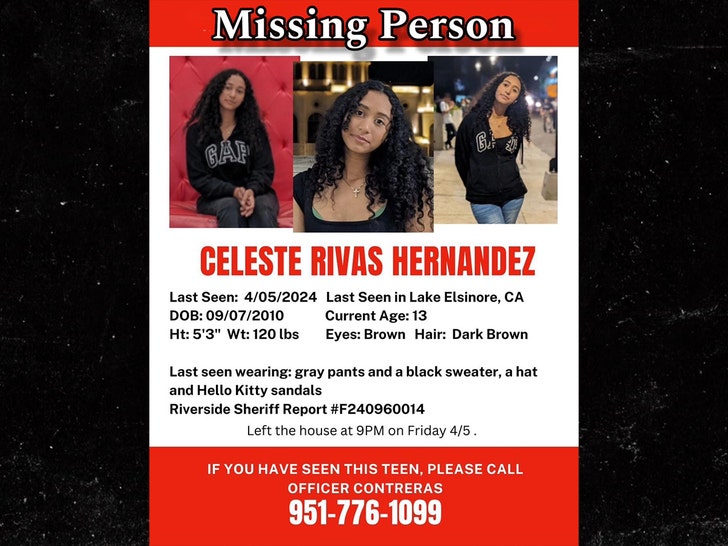
In February 2024, during one of Celeste’s missing person investigations, Riverside County deputies discovered D4vd’s phone number in Celeste’s phone records. When contacted on February 17, D4vd allegedly told deputies that he had last spoken to Celeste on February 13 or 14. Crucially, he claimed he was unaware that Celeste was a minor or that she had been reported missing. Prosecutors contend that this statement was a deliberate fabrication, designed to mislead law enforcement and conceal the true nature of their alleged relationship.
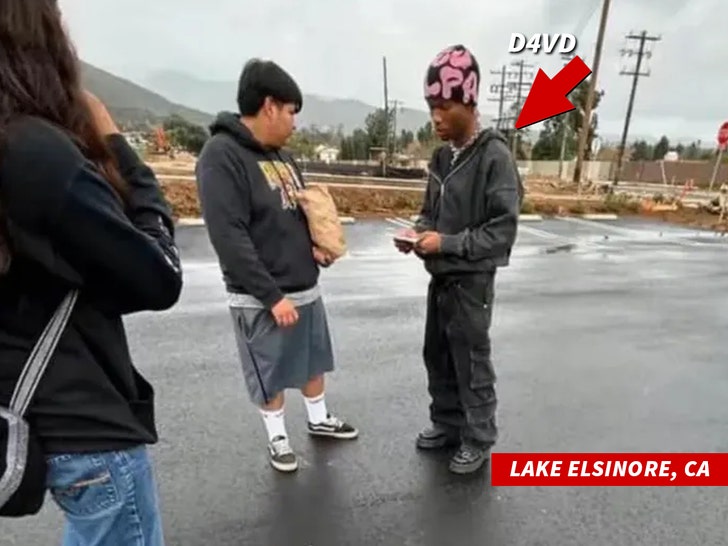
Celeste returned home to Lake Elsinore just two days after D4vd’s initial contact with deputies. In an attempt to reassert control and protect their daughter, her parents confiscated her phone. This parental intervention, while a common strategy for limiting a child’s external contacts, proved insufficient in deterring D4vd. Prosecutors allege that D4vd then resorted to a more clandestine method to maintain communication: he drove to Lake Elsinore and reportedly paid one of Celeste’s junior high classmates $1,000 to deliver a new phone he had purchased specifically for Celeste. This alleged act demonstrates a clear intent to circumvent parental authority and continue contact with a minor, further solidifying the prosecution’s claims of grooming and predatory behavior. The use of a peer as an intermediary, coupled with a significant cash payment, suggests a calculated effort to maintain secrecy and control over Celeste’s communication channels, isolating her further from her family’s protective oversight.
The Alleged Murder: A Year Later, A Tragic End
The culmination of this disturbing narrative arrived on April 23, 2025, just over a year after Celeste’s parents were cleared in the neglect investigation. Prosecutors allege that on this fateful day, D4vd orchestrated Celeste’s final journey, ordering an Uber to transport her from her home in Lake Elsinore to his residence in the Hollywood Hills. The contrast between the quiet suburban community of Lake Elsinore and the bustling, often anonymous, landscape of the Hollywood Hills underscores the significant geographical and social distance Celeste traversed, placing her firmly in a vulnerable and isolated position.
Upon her arrival at D4vd’s Hollywood Hills home, prosecutors claim he murdered her. The specific details surrounding the alleged murder itself have not been fully released, pending trial, but the charge of murder is the most severe. This alleged act brought a devastating end to Celeste’s young life, extinguishing her future and leaving her family and community in profound grief. The allegations suggest a premeditated act, or at least an act of extreme violence, following a prolonged period of alleged manipulation and control. The transition from a child neglect probe, focused on parental care, to a murder investigation, centered on an external actor, highlights the multifaceted and often unpredictable dangers that vulnerable youth can encounter. The case has sent shockwaves through both the Lake Elsinore community and the broader public, raising serious questions about online safety, parental vigilance, and the pervasive issue of predatory behavior targeting minors.

Broader Implications and Societal Concerns
The tragic case of Celeste Rivas extends far beyond the specific individuals involved; it serves as a stark reminder of several critical societal challenges. The first is the immense difficulty parents face in protecting their children, particularly teenagers, from external influences in an increasingly digital world. The internet and social media platforms, while offering connection and information, also create avenues for predators to connect with and groom vulnerable minors, often under the radar of parental supervision. D4vd’s alleged actions, including using an intermediary and a burner phone, exemplify the sophisticated tactics employed to circumvent parental controls. This case underscores the urgent need for enhanced digital literacy among youth and parents, as well as robust online safety measures from technology companies.
Secondly, the case highlights the complexities faced by law enforcement and child protective services when dealing with runaway minors. While the RCSD cleared Celeste’s parents of neglect, the fact that Celeste was a repeat runaway presented inherent challenges in ensuring her safety. Runaway youth are disproportionately at risk, and their frequent movement makes them difficult to monitor and protect. This raises questions about the efficacy of existing systems designed to intervene in such situations and whether more comprehensive, cross-agency collaboration is needed to track and support vulnerable children. The inability to interview Celeste during the neglect probe underscores a systemic challenge: without direct input from the child, investigations are often hampered, potentially leaving critical information undiscovered.
Legal Ramifications and Ongoing Proceedings
D4vd now faces grave charges, primarily murder, with potential additional charges related to statutory rape and contributing to the delinquency of a minor, given the alleged age difference and the nature of their relationship. The legal process will be lengthy and complex, with prosecutors aiming to present a compelling case built on forensic evidence, digital footprints, and witness testimonies. D4vd’s legal team will undoubtedly mount a vigorous defense, and the judicial system will be tasked with meticulously examining all evidence to ensure justice is served. The outcome of this trial will have significant implications not only for the defendant but also for the grieving family of Celeste Rivas, who seek closure and accountability for their profound loss.
Community Response and Awareness
The community of Lake Elsinore, along with wider society, has reacted to Celeste’s story with sorrow and a renewed focus on child safety. Such high-profile cases often galvanize efforts to raise awareness about the dangers of online grooming, the importance of reporting suspicious activities, and the need for greater vigilance among parents and educators. Organizations dedicated to preventing child exploitation and supporting at-risk youth often see an increase in engagement following such tragedies, underscoring the case’s broader impact on public consciousness. The memory of Celeste Rivas will likely serve as a somber reminder of the enduring vulnerabilities of youth and the critical importance of collective efforts to protect them from harm. The pursuit of justice for Celeste Rivas continues, a testament to the community’s demand for accountability and a desperate hope that such a tragedy might be prevented for others.

0 Comments