
 Jia Lissa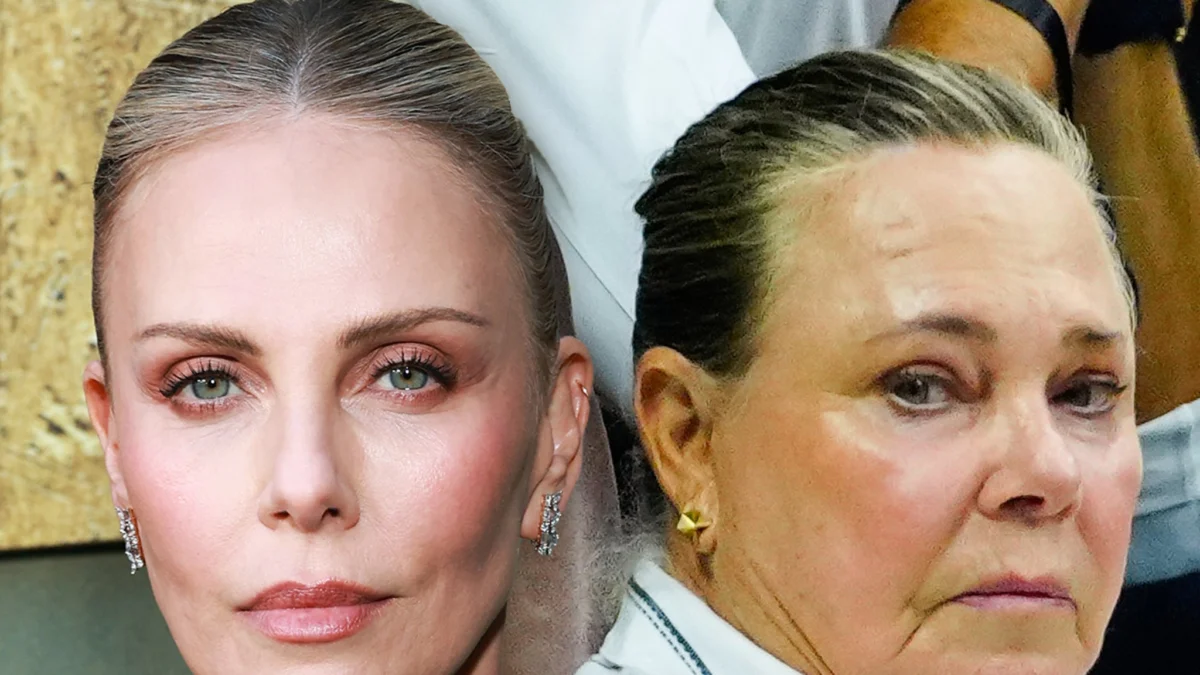
In a candid and deeply personal interview published by The New York Times on April 18, 2026, Academy Award-winning actress Charlize Theron has shared the harrowing details of a traumatic event from her youth: the night her mother, Gerda Maritz, shot and killed her father, Charles Theron, in what was legally ruled an act of self-defense. The revelation sheds light on the profound experiences that shaped the formidable actress and underscores her ongoing commitment to addressing the pervasive issue of domestic violence.
The incident, which occurred when Theron was just 15 years old in her native South Africa, has long been a subject of hushed speculation, but the full, brutal truth remained largely unconfirmed by the star herself. Now, Theron has chosen to speak with unprecedented frankness, detailing a terrifying evening that saw her alcoholic father, Charles Theron, return home in a violent rage, threatening the lives of both Charlize and her mother. This public disclosure marks a significant moment for the actress, transforming a private tragedy into a powerful platform for advocacy and healing.
Background of a Turbulent Childhood
Charlize Theron’s early life in Benoni, a city in the East Rand of Gauteng province, South Africa, was reportedly marked by significant domestic strife. Born on August 7, 1975, to Gerda Maritz and Charles Theron, the actress grew up in an environment where her father’s severe alcoholism frequently escalated into abusive behavior. Reports from various biographical accounts and previous, more veiled statements by Theron have painted a picture of a household living under the constant shadow of fear and unpredictability. Charles Theron, described as a charming man when sober, would transform under the influence of alcohol, becoming verbally and physically aggressive towards his wife and daughter. This sustained pattern of abuse is a critical backdrop to the events of that fateful night, illustrating a long-standing history of domestic violence that ultimately culminated in tragedy.
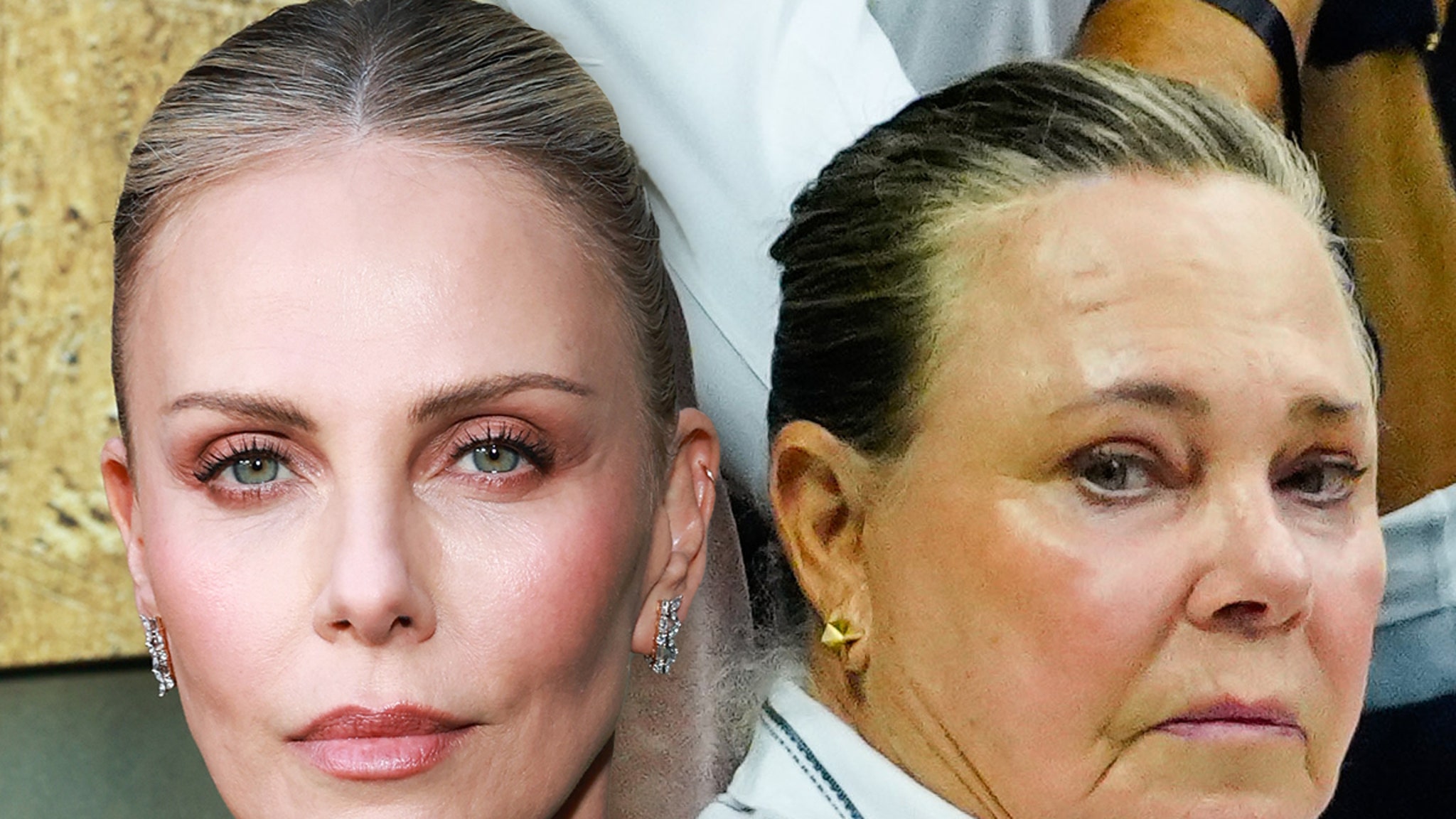
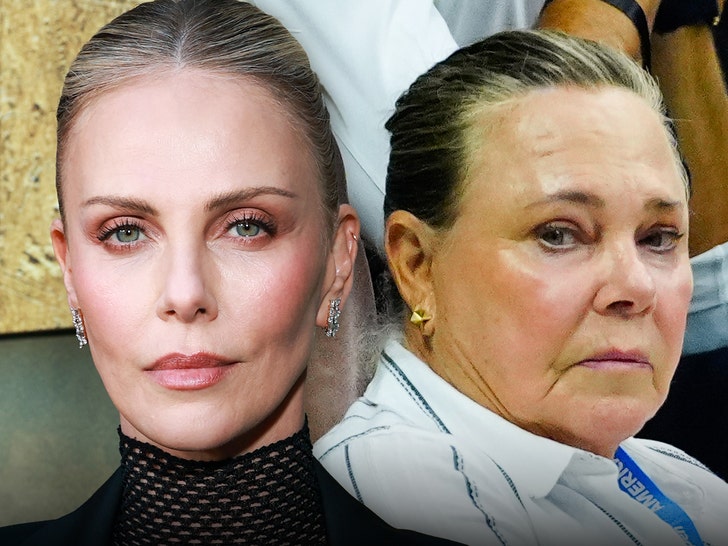
Gerda Maritz, Theron’s mother, emerges from these accounts as a resilient and fiercely protective figure. She managed a road construction company and worked tirelessly to provide stability for her daughter amidst the chaos. Her strength and determination are qualities Theron has frequently lauded, acknowledging her mother as a pivotal force in her life and career. The constant tension and threat within the family home profoundly influenced young Charlize, instilling in her an early understanding of vulnerability, resilience, and the critical importance of self-preservation. This challenging upbringing, while immensely painful, undeniably forged the emotional fortitude that would later become a hallmark of her screen presence and personal activism.
The Fateful Night: A Chronology of Self-Defense
The New York Times interview provides the most detailed account to date of the events of June 21, 1991. Charlize Theron recounted how her father, Charles, arrived home in an advanced state of intoxication. His inebriation quickly escalated into a violent outburst, a familiar and terrifying pattern for the family. However, on this particular night, his aggression reached an unprecedented and life-threatening level.
According to Theron, her father was "blasting his way into their house," indicating a forceful and destructive entry. He was armed with a gun and made his deadly intentions unequivocally clear. "He was going to kill us," Theron stated, recalling the chilling declaration that underscored the immediate and grave danger they faced. Fifteen-year-old Charlize and her mother, Gerda, sought refuge in a bedroom, attempting to barricade themselves against his assault. They physically braced the door, using their bodies in a desperate attempt to prevent his entry.
The situation turned critical when Charles Theron fired his weapon multiple times, with bullets piercing through the bedroom door. The sheer proximity of the gunfire and the fact that the bullets narrowly missed them highlights the extreme peril they were in. It was at this moment, facing an imminent threat to their lives, that Gerda Maritz took decisive action. She retrieved her own firearm and, in a desperate act of self-preservation, fired back. Charles Theron was fatally wounded.
Law enforcement authorities were immediately called to the scene. A thorough investigation ensued, examining the circumstances, the history of domestic abuse, and the immediate threat posed by Charles Theron. Following the investigation, the shooting was officially ruled an act of self-defense. This legal determination affirmed Gerda Maritz’s actions as justifiable, recognizing that she had acted to protect herself and her daughter from what was deemed a credible and immediate threat of death or serious bodily harm. The ruling brought a legal closure to the incident, but the emotional reverberations would last a lifetime for Charlize Theron and her mother.
Legal Context of Self-Defense and Domestic Violence
The legal ruling of self-defense in this case aligns with established principles in many jurisdictions, including South Africa, where individuals are legally permitted to use reasonable force, including lethal force, to protect themselves or others from imminent danger of death or severe injury. Key elements typically required for a self-defense claim include: an honest belief that danger is imminent, that the force used was necessary to avert the danger, and that the force was proportional to the threat. In cases involving prolonged domestic violence, the legal interpretation of "imminent danger" can be complex, often taking into account the history of abuse and the psychological state of the victim.
Statistics on domestic violence underscore the severe realities faced by victims worldwide. According to the World Health Organization, one in three women globally experience physical or sexual violence, mostly by an intimate partner. Fatalities resulting from domestic disputes are tragically common, and in many instances, victims are forced into situations where self-defense becomes their only recourse. Legal experts often highlight the inherent challenges in these cases, where victims, particularly women, may face skepticism or scrutiny despite acting in life-threatening circumstances. The official ruling in Gerda Maritz’s favor was a critical acknowledgment of the severe and immediate threat she and Charlize faced, validating her actions within the legal framework of self-preservation.
Charlize Theron’s Evolving Perspective and Advocacy
For many years following the incident, Charlize Theron maintained a dignified silence, only occasionally alluding to the "family tragedy" that marked her youth. This period of quiet reflection allowed her to process the trauma and forge her path in Hollywood. However, her recent decision to speak openly about her father’s death signifies a profound shift in her perspective. She explicitly stated in the interview that she is "not haunted" by what happened anymore, indicating a significant journey of healing and acceptance.
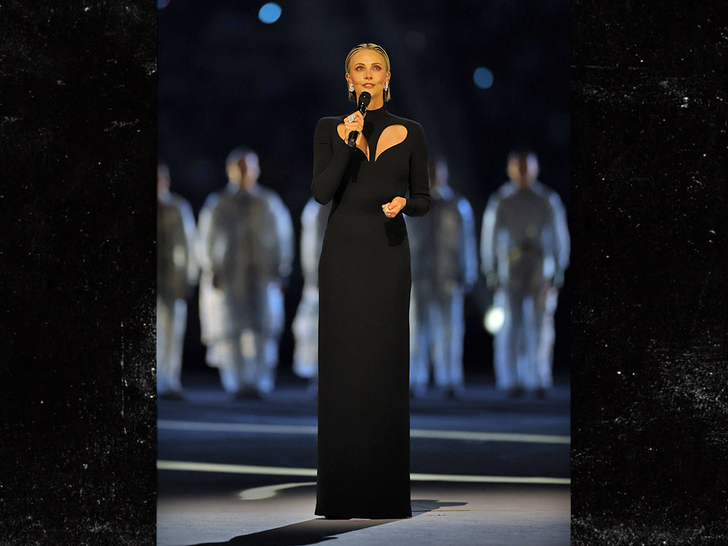
This newfound openness is not merely a personal catharsis; it is driven by a powerful desire to help others. Theron aims to use her platform to make those who have experienced domestic violence feel "less alone." Her advocacy aligns with broader efforts by organizations like the National Domestic Violence Hotline and various South African NGOs dedicated to combating gender-based violence. By sharing her story, Theron lends her formidable voice to a cause that often remains hidden behind closed doors, destigmatizing the experience of survivors and encouraging open dialogue.
Theron’s career choices also bear the subtle, yet undeniable, imprint of her past. She has frequently been drawn to roles portraying fierce, resilient, and often battle-tested female characters. From Imperator Furiosa in "Mad Max: Fury Road" and Lorraine Broughton in "Atomic Blonde" to her Oscar-nominated performance as a real-life survivor of sexual harassment in "North Country," these characters embody strength, endurance, and a refusal to be victimized. While she has never explicitly stated a direct correlation between these roles and her personal history, she acknowledges that her "instinct to fight, endure and push forward was forged long before Hollywood ever came calling." This connection suggests that her personal experiences have deeply informed her artistic sensibilities, allowing her to portray complex, powerful women with authenticity and conviction.
Psychological Impact and the Path to Healing
Living through a traumatic event like domestic violence and witnessing a parent’s death, even in self-defense, inevitably leaves deep psychological scars. Childhood trauma can manifest in various ways, including anxiety, depression, and difficulties in relationships. Theron’s journey from grappling with this tragedy to stating she is "not haunted" is a testament to resilience and the potential for healing. Therapy, strong support systems, and a commitment to understanding one’s past are often crucial components of such a path.
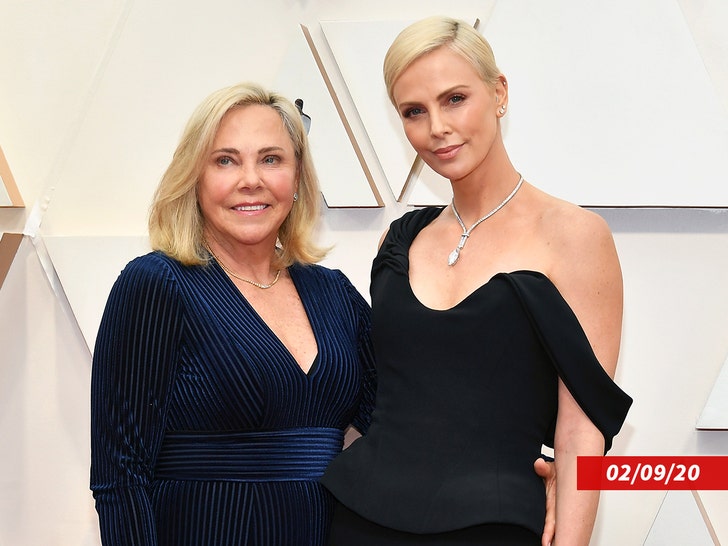
Her bond with her mother, Gerda, has remained exceptionally strong. Gerda Maritz has been a constant presence in Charlize’s life, often accompanying her to premieres and industry events. Their shared trauma has undoubtedly forged an unbreakable connection, built on mutual understanding, survival, and love. This relationship serves as a powerful example of how families can heal and thrive even after experiencing unimaginable hardship. Theron’s decision to speak out is not just about her own healing but also about breaking the cycle of silence that often surrounds domestic violence, offering hope and validation to others struggling with similar pasts.
Broader Societal Implications and Public Discourse
The revelation from a public figure of Charlize Theron’s stature carries significant societal weight. Her story immediately elevates the conversation surrounding domestic violence, bringing it into mainstream media with a personal narrative that resonates deeply. It humanizes statistics and confronts the often-uncomfortable realities of abuse. By sharing her truth, Theron helps to:
- Destigmatize Domestic Violence: Many survivors feel shame or isolation. A celebrity speaking out can validate their experiences and encourage them to seek help.
- Raise Awareness: It educates the public about the severe and often life-threatening nature of domestic abuse, challenging misconceptions and fostering empathy.
- Empower Survivors: Her resilience and journey from trauma to advocacy can serve as an inspiring example for those navigating similar challenges.
- Influence Policy and Support: High-profile stories can spur discussions around better legal protections for victims, increased funding for support services, and more effective prevention strategies.
Official responses to Theron’s interview are likely to be varied. Domestic violence advocacy groups are expected to commend her bravery and leverage her story to amplify their messages. Legal experts might revisit the complexities of self-defense laws in domestic contexts, particularly regarding the long-term psychological impact on victims. Psychologists and trauma specialists may offer insights into the healing process and the importance of open communication in recovery. The candid nature of her disclosure also contributes to an ongoing global dialogue about the roles of personal responsibility, societal support, and legal frameworks in addressing the multifaceted issue of domestic violence.
In conclusion, Charlize Theron’s decision to openly discuss the traumatic death of her father at her mother’s hand, ruled as self-defense, is a moment of profound personal courage and public significance. Far from being a source of shame or ongoing torment, Theron has transformed this harrowing chapter of her past into a powerful catalyst for advocacy and understanding. Her narrative reinforces the critical importance of addressing domestic violence, offering a beacon of hope and solidarity to countless individuals who have suffered in silence. By bringing her truth into the light, Theron is not only sharing her story but also igniting a broader conversation about strength, survival, and the enduring power of healing.

 Eva Lovia
 Julia Chirkova
 Julia Prastini
 admin
admin
 Raisa Andriana