
The presence of Chile at the Guadalajara International Film Festival (FICG) is not merely a ceremonial visit but a profound homecoming, steeped in shared history, creative complicity, and ambitious future collaborations. As Alexandra Galvis, Director of Cinema Chile, articulated in an interview with EL INFORMADOR, this designation as Guest of Honor at the 41st edition, scheduled from April 17 to 25, marks a pivotal moment for Chilean cinematography and its enduring relationship with Mexico. This esteemed recognition underscores the vibrant trajectory of Chile’s film industry, celebrated for its artistic daring, critical acclaim, and global resonance, while simultaneously laying the groundwork for unprecedented bilateral cooperation in audiovisual production.
A Homecoming: Decades of Shared Cinematic Journey
"It’s like coming home," Galvis stated unequivocally, a sentiment that resonates deeply within the Ibero-American film community. This powerful declaration is far from gratuitous, reflecting a relationship that has steadily flourished since Chile’s inaugural participation in 2003. That year, FICG presented a seminal retrospective spanning nearly three decades of Chilean cinematic output, featuring luminaries such as Raúl Ruiz, Miguel Littín, and Patricio Guzmán. Since then, Chile’s presence has been a constant, evolving in lockstep with the remarkable growth and international ascent of its film industry.
The FICG, one of the most prominent film events in Ibero-America, has served as a crucial platform for Chilean talent, evolving proportionally with the nation’s burgeoning cinematic identity. "There is something very familiar between Chile and Mexico, a stable relationship of projects, a very significant connection that in our area has been tightening more and more. The FICG has been the home for this, too," Galvis affirmed, summarizing years of fruitful collaboration. This sustained engagement has been instrumental in the development of Chilean cinema, providing a vital showcase, fostering project support, and acting as a springboard for international recognition. The festival’s role as a cultural conduit has allowed Chilean narratives, often imbued with profound social commentary and distinctive artistic voices, to find appreciative audiences and industry partners across the continent and beyond.
Strategic Alliances: Paving the Way for a Co-Production Agreement

Beyond the cultural showcase, Chile’s designation as Guest of Honor carries significant strategic weight, aimed at consolidating existing alliances and forging new pathways for future collaboration. A central objective of this edition is to advance the future of audiovisual production between the two nations. "In this evolution of the relationship, it would be very positive to initiate work on a cinematographic co-production agreement," Galvis revealed. This proposed agreement signals a shift from intermittent collaboration to a formalized framework designed to stimulate joint projects, share resources, and enhance market access for both countries’ filmmakers. Such an accord would streamline administrative processes, potentially unlock funding opportunities, and foster a more robust exchange of creative and technical expertise.
The Chilean delegation, numbering close to one hundred individuals, vividly reflects this ambitious agenda. Comprising a diverse array of producers, directors, actors, and institutional representatives, the contingent aims to make an impact both on screen and within the industry’s vital networking spaces. This comprehensive presence underscores Chile’s commitment not only to showcasing its artistic output but also to engaging with its Mexican counterparts at an institutional level. "We are not just bringing films; we are also bringing our institutions, very focused on working with their counterparts to see how to formalize this long-standing relationship," Galvis emphasized. This institutional engagement is crucial for establishing the regulatory and financial mechanisms necessary to support a flourishing co-production ecosystem, thereby transforming cultural affinity into tangible economic and creative synergies.
FICG: A Premier Platform for Ibero-American Cinema
The Guadalajara International Film Festival, established in 1986, has grown to become a cornerstone of the Ibero-American cinematic landscape. Renowned for its vibrant film market, industry forums, and diverse programming, FICG annually draws thousands of filmmakers, industry professionals, and cinephiles. Its strategic location in Guadalajara, a cultural hub in Mexico, makes it an ideal meeting point for talents from across Latin America, Spain, Portugal, and beyond. The festival is celebrated for its commitment to showcasing emerging voices alongside established masters, fostering film education, and championing narratives that reflect the rich tapestry of Ibero-American societies. Its various sections, including competitive categories for fiction, documentary, animation, and short films, as well as industry events like the Guadalajara Film Market (Mercado de Cine en Guadalajara), provide comprehensive support for film production, distribution, and exhibition. For a country like Chile, whose film industry has gained significant international traction, being a Guest of Honor at FICG offers an unparalleled platform for cultural diplomacy and economic opportunity.
A Curated Panorama: Past, Present, and Future of Chilean Cinema
Navigating the extensive program, Galvis acknowledged the difficulty in selecting highlights, yet offered insightful keys to understanding the diverse offerings that blend the rich past, dynamic present, and promising future of Chilean cinema.

Homages: Celebrating a Golden Era
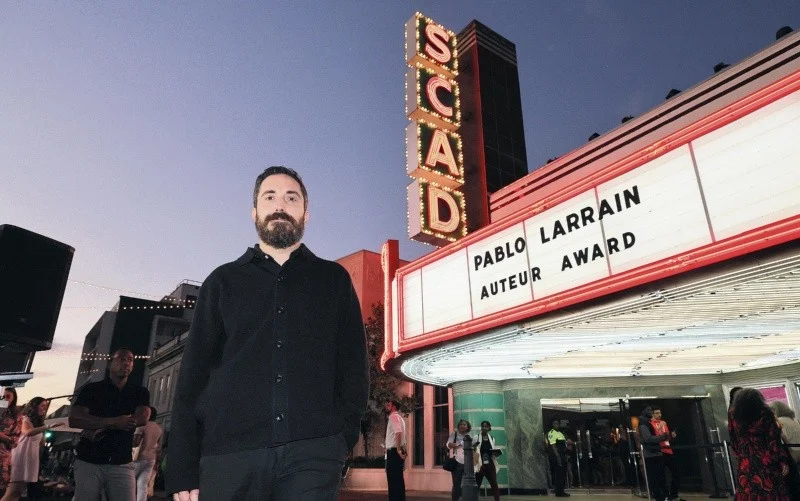
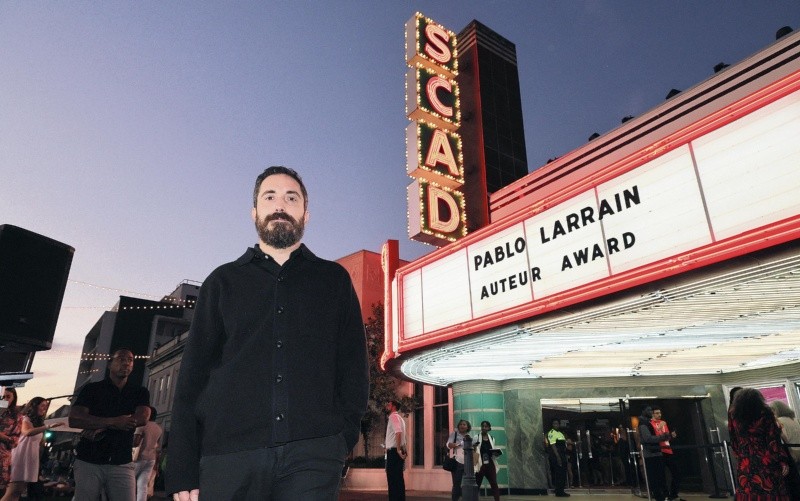
A significant focus of the festival is on recognizing the "golden generation" of Chilean cinema—a group of filmmakers whose work has propelled the nation’s film industry onto the global stage. Pablo Larraín and Sebastián Lelio will receive the Ibero-American Tribute, while Maite Alberdi will be honored with the International Tribute. These directors represent a transformative period for Chilean cinema, marked by unprecedented international visibility and critical acclaim.
"These three directors marked an important change in our industry; it was when our cinema opened up to the world and grew immensely," Galvis noted. Larraín, known for his incisive historical dramas and biopics (e.g., No, Jackie, Spencer), has garnered numerous awards, including an Oscar nomination. Lelio, an Academy Award winner for A Fantastic Woman, has redefined narratives of identity and resilience. Alberdi, with her deeply humanistic documentaries (The Mole Agent, The Eternal Memory), has achieved global recognition, including Oscar nominations, for her sensitive portrayal of social realities. The festival will present their complete filmographies, reinforcing their enduring impact and the maturity of Chilean storytelling.
Archival Gems: Patrimonial Cinema
For those seeking to understand the foundational aesthetic, political, and social currents of Chilean cinematography, the Patrimonial Cinema Showcase offers a invaluable journey. It features fundamental works from the late 1960s to the 1980s, allowing audiences to connect with the pioneers of Chilean filmmaking. "It is designed for anyone who wants to understand our history, from the fathers of cinema," Galvis explained. This section highlights films that not only chronicled a tumultuous period in Chile’s history but also established a distinct cinematic language characterized by realism, social critique, and formal innovation. Films like Miguel Littín’s El Chacal de Nahueltoro (1969) and Patricio Guzmán’s monumental The Battle of Chile trilogy (1975-1979) are crucial examples of this era, demonstrating cinema’s role in documenting and interpreting national identity and political upheaval.
Competitive Showcases: The Next Wave

The contemporary pulse of Chilean cinema is vibrantly showcased in the competitive sections, featuring a new generation of filmmakers who are beginning to make their mark. Notably, Hangar Rojo by Juan Pablo Sallato stands out. According to Galvis, this film arrives with a successful track record from prestigious festivals like Berlin and Malaga, positioning it as a significant contender. "It’s a gem not to be missed," she urged. This new wave of directors continues to explore diverse themes and genres, from intimate character studies to genre-bending narratives, demonstrating the sustained vitality and experimental spirit of Chilean film.
Documentary Depth and Expanding Horizons
Documentary filmmaking, a consistently strong pillar of Chilean cinema, receives significant attention. "It has always had a great tradition," Galvis affirmed, referencing recent titles that delve into various facets of contemporary reality. Chilean documentaries have long been praised for their unflinching gaze and profound social engagement, continuing a legacy that stretches back to the political cinema of the 1960s and 70s. These films offer critical perspectives on memory, human rights, environmental issues, and everyday life, often employing innovative narrative techniques.
Beyond traditional cinema, the delegation embraces the expanding landscape of audiovisual storytelling, with a strong focus on series—a growing segment within FICG’s programming. Highlights include an adaptation of Isabel Allende’s iconic novel The House of the Spirits and Raza Brava, a production centered on the passionate world of football fan clubs. "I believe they will resonate with the Mexican spirit," Galvis commented. "Football is a shared religion between our countries, so it’s a must-see." This expansion into series reflects a global trend in content creation and allows Chilean storytellers to reach broader audiences through serialized narratives.
The festival also dedicates a special section to the visionary work of Alejandro Jodorowsky, the Chilean-French filmmaker, playwright, and spiritual guru. His cult classics like El Topo, The Holy Mountain, and Santa Sangre will be screened, affirming the experimental and auteurial dimension that has also defined a significant, albeit unconventional, facet of Chilean cinematic output. Furthermore, the robust participation of Chilean professionals in the festival’s juries underscores the country’s influential role within the international film community, extending its presence beyond the screen into the critical and curatorial spheres.
Cultural Echoes: Mexico’s Enduring Influence on Chile
Galvis offered a deeper reflection on Mexico’s pervasive cultural presence in the Chilean imagination. "I grew up watching ‘Cantinflas,’ watching ‘El Chavo del Ocho.’ Mexican culture has permeated deeply into Latin America," she shared, highlighting the profound and long-standing impact of Mexican entertainment on generations of Chileans. This cultural osmosis extends naturally to cinema. For Galvis, the Mexican film industry has served as a powerful reference point, both for its rich historical legacy and its contemporary capacity for internationalization.
"Contemporary Mexican cinema has been a master. It is a path to follow," she asserted, citing Guillermo del Toro as an inspiring figure. Del Toro, known for his fantastical storytelling and innovative visual style, is celebrated not only for his acclaimed body of work but also for his philosophical approach to filmmaking. "He talks about making cinema without having all the resources, about how to get ahead with ingenuity. We understand that very well," Galvis concluded, emphasizing a shared spirit of resourcefulness and creative determination that binds the two nations’ cinematic aspirations. This mutual admiration and historical cultural exchange form a solid bedrock for the future collaborations envisioned at FICG.
AGÉNDALO: A Comprehensive Guide to Chilean Cinema at FICG 2026
The Guadalajara International Film Festival 2026 offers an unparalleled opportunity to immerse oneself in Chilean cinema through the works of its most representative figures and diverse genres. This edition celebrates careers, traces emotional and aesthetic maps, and showcases a cinematography in full maturity.
Homages: Celebrating Iconic Filmmakers
- Pablo Larraín (Ibero-American Tribute): Known for his powerful and often politically charged narratives. The festival will screen El Club (2015), an incisive work that marked a pivotal point in his filmography, exploring themes of hypocrisy and redemption within the Catholic Church.
- Sebastián Lelio (Ibero-American Tribute): An Oscar-winning director acclaimed for his intimate and empathetic portrayals of women. Gloria (2013) will be screened, a film that redefined the intimate gaze on maturity and freedom, earning critical praise and numerous awards.
- Maite Alberdi (International Tribute): A master of documentary filmmaking, whose work blurs the lines between the intimate and the social. The festival will present El Agente Topo (2020), an Academy Award-nominated film that charmed audiences globally; Los Niños (2016), exploring the lives of adults with Down syndrome; and La Once (2014), a heartwarming documentary about a group of elderly women. Additionally, her most recent venture with Mexican co-production, Un Hijo Propio (2026), will be featured, signaling deepening bilateral ties.
Competitive Showcases: The Next Generation

- Short Films (Fiction): Agua Fría (2026), El Final de los Tiempos (2026), and Lengua Muerta (2026) represent the cutting edge of contemporary Chilean short-form storytelling.
- Animation: El Tamagochi Escarlata (2026) and Merrimundi (2026) expand narrative boundaries through innovative visual artistry, showcasing Chile’s growing prowess in animation.
- Fiction Feature: Hangar Rojo (2026), by Juan Pablo Sallato, stands as one of the new generation’s most robust offerings, arriving with a strong festival pedigree.
Muestra Contemporánea: Expanding the Panorama
- Documentaries: Aquí se Escucha el Silencio (2026) and Calle Cuba (2026) delve into diverse contemporary realities, maintaining Chile’s strong documentary tradition.
- Fiction Features: Denominación de Origen (2024), Me Rompiste el Corazón (2025), Pacto de Fuga (2020), and Los Perros (2017) consolidate the thematic diversity of recent Chilean fiction, exploring a range of human experiences.
- Out of Competition Documentaries: Al Sur del Invierno Está la Nieve (2025), Cocaína Negra (2023), Lemebel (2019) – a poignant portrait of the iconic queer artist, and El Viento Sabe que Vuelvo a Casa (2016) further enrich the documentary landscape.
Series and Iconic Short Films
- Series: Raza Brava (2026) explores the fervent world of football fans, promising to resonate deeply with Mexican audiences. The adaptation of Isabel Allende’s La Casa de los Espíritus (2026) further demonstrates Chile’s ambitions in serialized storytelling.
- Short Films: Emblematic animated pieces like Bestia (2024) and Historia de un Oso (2014) – an Academy Award winner – highlight Chile’s international success in animation, known for their powerful narratives and distinctive visual styles.
Patrimonial Cinema: Revisiting Foundational Works
- Fiction Features: A la Sombra del Sol (1974), El Chacal de Nahueltoro (1969), and Gracias a la Vida (o la Pequeña Historia de una Mujer Maltratada) (1980) offer a glimpse into the aesthetic, political, and social foundations of Chilean cinema.
- Documentaries: La Batalla de Chile: La Insurrección de la Burguesía (1975), Chile, el Gran Desafío (1973), and Cien Niños Esperando un Tren (1988) are fundamental works that document pivotal moments in Chilean history, showcasing the power of cinema as historical record.
Cult Cinema: The Vision of Alejandro Jodorowsky
- The programming expands into the territories of cult cinema with the visionary work of Alejandro Jodorowsky. Classics such as La Montaña Sagrada (1973), Santa Sangre (1989), and El Topo (1970) will be screened, reaffirming the auteurial and experimental dimension that defines a unique facet of Chilean film history.
The 41st FICG truly offers a multifaceted and immersive experience into the heart of Chilean cinema, celebrating its past achievements, showcasing its dynamic present, and charting a collaborative future with its Mexican counterpart. This extensive program not only highlights the artistic breadth and depth of Chile’s film industry but also reinforces the profound cultural and creative bonds between the two nations.

0 Comments