
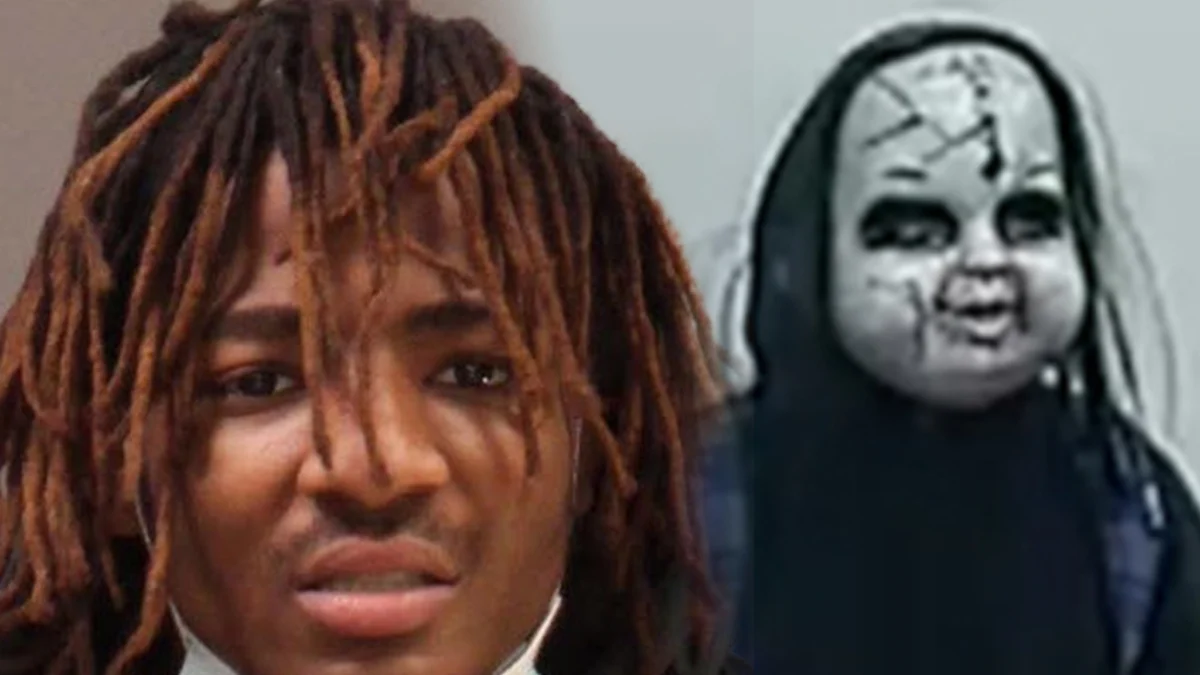
Philadelphia authorities have officially identified the individual responsible for a series of unsettling public disturbances in the city, operating under the guise of the horror movie character "Chucky." The suspect, 22-year-old Zymire Hughes, is now the target of an intensive multi-state manhunt following the issuance of an arrest warrant. The identification marks a significant turning point in a saga that has gripped the city, transitioning from an anonymous reign of terror to a focused law enforcement effort to apprehend the alleged perpetrator.
Immediate Reporting: Unmasking and Manhunt
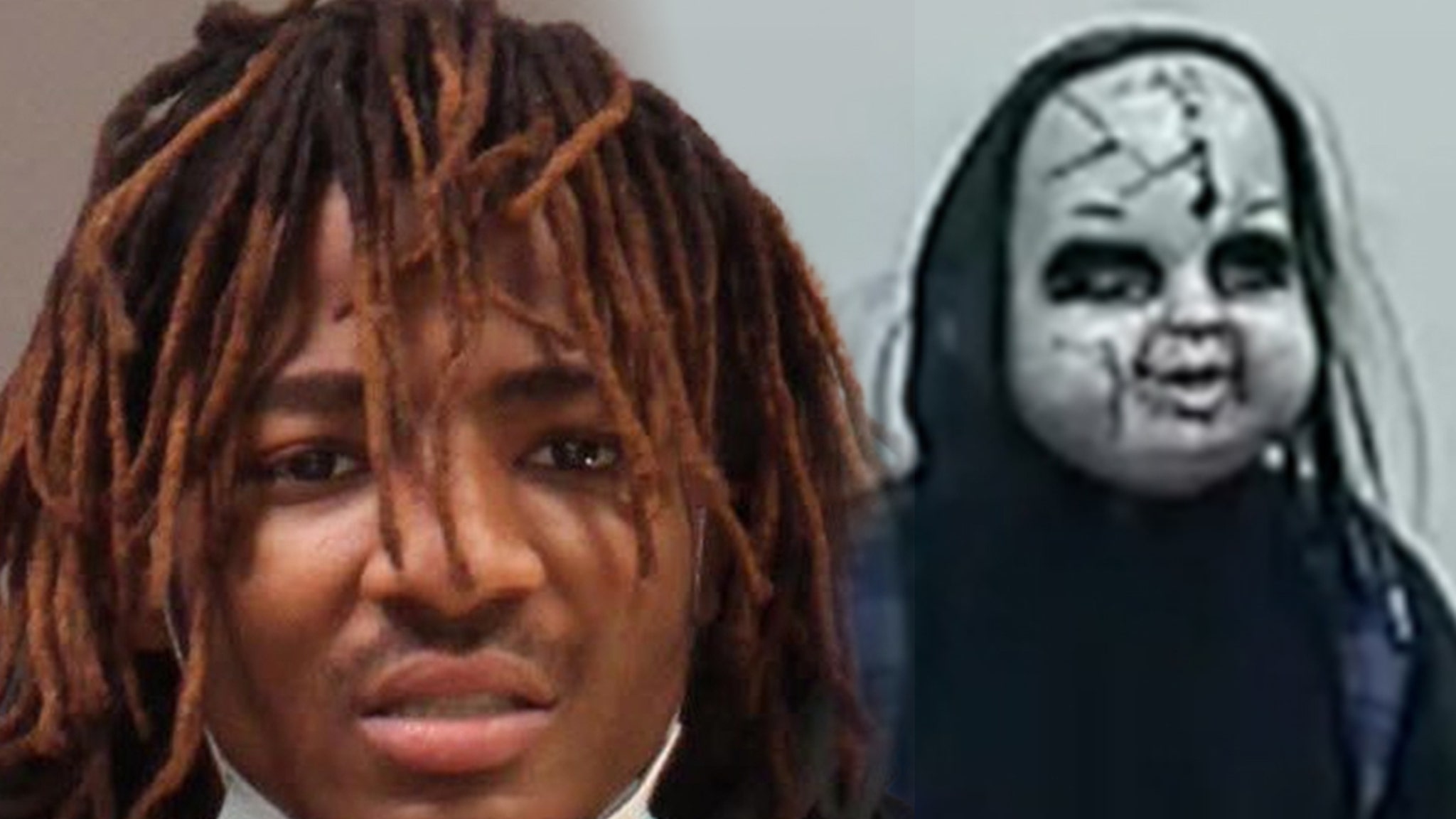
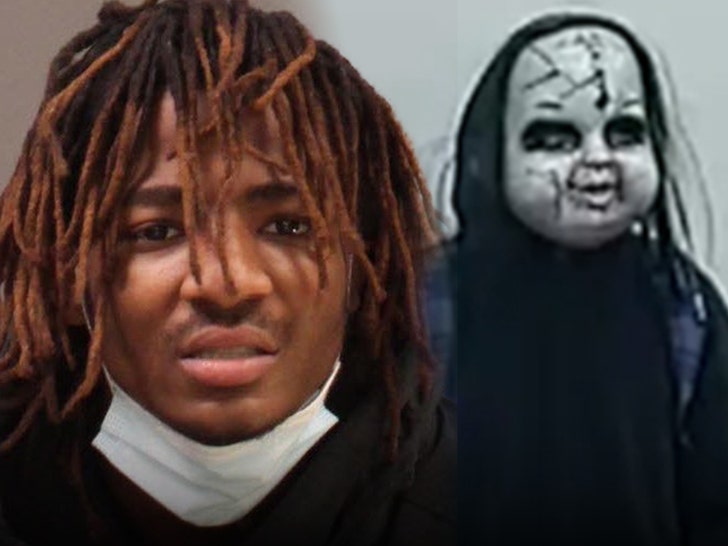
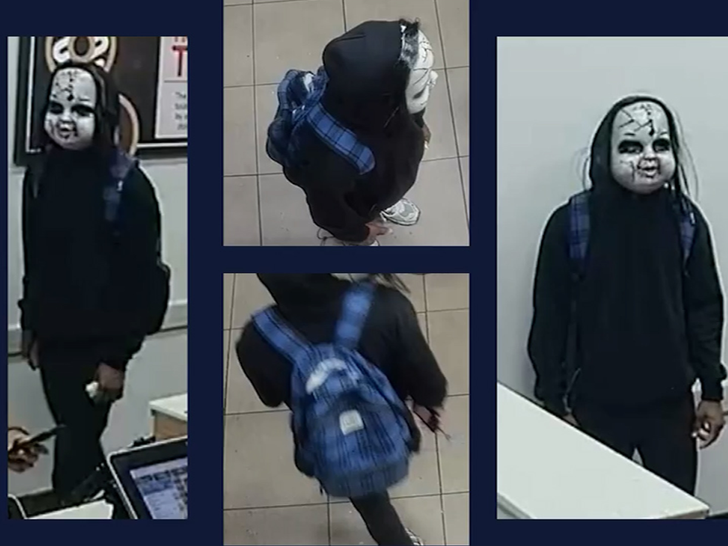
On Thursday, August 20, 2026, the Philadelphia Police Department formally announced that the individual who had been terrorizing citizens while wearing a distinctive "Chucky" mask and all-black attire is Zymire Hughes. This revelation comes after days of widespread public concern and heightened police activity. An arrest warrant has been promptly issued for Hughes, who is believed to have fled the state of Pennsylvania. Law enforcement agencies are now actively collaborating with the U.S. Marshals Service, leveraging their extensive network and expertise in fugitive apprehension, particularly given Hughes’ suspected ties to both California and Nevada. The involvement of federal marshals underscores the escalating severity and inter-state nature of the pursuit.
A City Under Siege: The "Chucky" Incidents
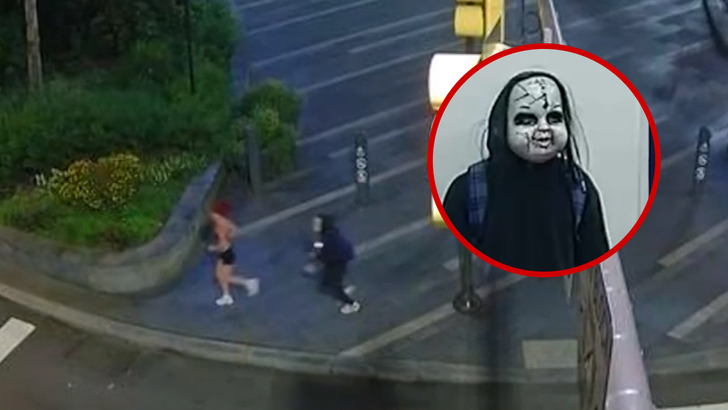
For several days leading up to his identification, the masked individual, now known as Zymire Hughes, sowed fear and unease across various Philadelphia neighborhoods. Reports began surfacing of a figure clad in dark clothing, conspicuously donning a mask resembling the infamous killer doll from the "Child’s Play" film franchise. These appearances were not merely isolated incidents of costumed antics; they quickly evolved into acts of harassment and intimidation, unsettling the city’s residents. Witnesses described encounters ranging from unnerving silent stares to aggressive verbal confrontations, creating a palpable sense of apprehension within the community. The uncanny resemblance to a character synonymous with malevolent childhood innocence amplified the psychological impact of these encounters, making the figure a subject of both morbid fascination and genuine terror.
Escalation of Threats and Public Bravery
The incidents attributed to the "Chucky" look-alike took a more sinister turn as reports detailed direct threats and alleged assaults. One particularly alarming account involved Hughes allegedly confronting a woman and chillingly asking, "Are you ready to die?" This direct verbal threat escalated the public’s perception of the masked figure from a mere nuisance to a serious danger. The incident highlighted the perpetrator’s apparent intent to instill fear and demonstrated a disturbing level of premeditation in his actions.
However, the saga also brought to light an act of remarkable public bravery. In a separate encounter, a local woman, whose identity has been withheld for her safety, reportedly faced down the masked individual. According to her statement to news outlets, she delivered a swift kick to his chest after he approached her in a menacing manner. This unexpected act of self-defense reportedly caught the perpetrator off guard, causing him to immediately flee the scene. Her courageous response became a focal point of discussion, serving as an inspiration and a testament to the resilience of the community in the face of intimidation. The incident underscored that while fear was widespread, it was not universal, and some citizens were prepared to defend themselves.
The Identification: Zymire Hughes Named
The breakthrough in the investigation came on August 20, 2026, when Philadelphia police successfully identified Zymire Hughes as the individual behind the "Chucky" mask. While the exact methods leading to his identification have not been fully disclosed by law enforcement, it is highly probable that a combination of factors contributed. These likely include diligent review of surveillance footage from areas where incidents occurred, analysis of social media posts and tips from the public who might have recognized the individual despite the mask, and potentially forensic analysis of any evidence left at crime scenes. The speed of the identification, given the initial anonymity of the perpetrator, reflects the intensive resources and public cooperation marshaled by the Philadelphia Police Department. The unmasking of Hughes has allowed authorities to transition from a reactive response to a proactive manhunt, focusing on a known individual with specific biographical details.
Interstate Pursuit: The Role of U.S. Marshals
The revelation that Zymire Hughes is believed to have fled Pennsylvania and potentially has ties to California and Nevada has necessitated the involvement of the U.S. Marshals Service. This federal agency specializes in tracking and apprehending fugitives who cross state lines, making them an indispensable asset in cases like this. The Marshals possess broad jurisdiction and an extensive network of contacts with local, state, and federal law enforcement agencies across the country. Their involvement signals a significant escalation in the scope of the manhunt, indicating that authorities are preparing for a protracted and geographically diverse search. Their expertise includes intelligence gathering, surveillance, and coordinated apprehension operations, which will be crucial in locating and capturing Hughes, wherever he may be hiding. The collaboration between local police and federal marshals ensures that the pursuit is not hindered by jurisdictional boundaries, increasing the likelihood of a successful apprehension.
Legal Ramifications: Charges and Potential Penalties
Upon his capture, Zymire Hughes will face a battery of serious charges in Pennsylvania. Police have indicated that the charges will include terroristic threats, harassment, simple assault, reckless endangerment, and intimidation. Each of these charges carries significant legal weight and potential penalties under Pennsylvania law:
- Terroristic Threats: This charge typically involves communicating a threat to commit a crime of violence with the intent to terrorize another, cause evacuation of a building, or cause serious public inconvenience. It can be a misdemeanor or a felony, depending on the severity and context, with potential imprisonment for several years.
- Harassment: This generally involves a course of conduct or repeated acts that seriously annoy, alarm, or bother another person, demonstrating an intent to harass, annoy, or alarm that person. It is typically a summary offense or a misdemeanor, with fines and potential jail time.
- Simple Assault: This involves attempting to cause or intentionally, knowingly, or recklessly causing bodily injury to another. It is generally a misdemeanor, with penalties ranging from probation to several years in prison, depending on the victim’s age, relationship to the perpetrator, and extent of injury.
- Reckless Endangerment: This charge applies when a person recklessly engages in conduct that places or may place another person in danger of death or serious bodily injury. It is typically a misdemeanor, carrying potential jail time and fines.
- Intimidation: This can fall under various statutes, often related to witness intimidation or general coercion, and is designed to prevent individuals from exercising their rights or to compel them to act against their will. Depending on the specifics, it can range from a misdemeanor to a felony.
The combination of these charges reflects the comprehensive nature of Hughes’ alleged actions, moving beyond mere annoyance to genuine threats against public safety and personal well-being. The legal system is poised to address the full spectrum of his alleged offenses, ensuring that "child’s play" has indeed turned into a very serious adult matter.
Background and Context: The Phenomenon of Masked Menaces
The "Chucky" look-alike incidents in Philadelphia are not isolated phenomena but rather fit into a broader societal trend of individuals adopting unsettling personas to create public disturbances. Over recent years, various "creepy clown" sightings and other masked figures have periodically emerged across different regions, often fueled by social media and the desire for viral notoriety. These acts often tap into primal fears and exploit the unsettling nature of anonymity and the uncanny.
The choice of the "Chucky" persona is particularly potent. The character from the "Child’s Play" franchise is an iconic figure in horror cinema, a seemingly innocent doll possessed by the spirit of a serial killer. This juxtaposition of childhood innocence with malevolent violence creates a deeply disturbing effect. For an individual to embody such a character in real-world public spaces immediately evokes a sense of dread and vulnerability, playing on the psychological impact of seeing a horror icon brought to life. Such acts can be driven by a complex mix of motivations, including thrill-seeking, a desire for attention, psychological issues, or even a twisted form of social commentary. Criminologists often note that perpetrators of such public disturbances may seek to test boundaries, exert power over others, or gain a perverse sense of control in their lives. The internet and social media platforms often amplify these incidents, turning local events into national or even international stories, which can further incentivize such behavior for those seeking notoriety.
Community Reaction and Law Enforcement’s Response
The initial wave of "Chucky" sightings sparked a mix of fear, confusion, and vigilance within the Philadelphia community. Parents expressed concerns for their children’s safety, and many residents altered their routines to avoid potential encounters. Social media buzzed with warnings, eyewitness accounts, and discussions about how to respond if confronted. This collective anxiety put immense pressure on local law enforcement to swiftly address the threat.
The Philadelphia Police Department responded by increasing patrols in affected areas, urging citizens to report any sightings, and launching a dedicated investigation. They advised the public to exercise caution, avoid engaging with the masked individual, and prioritize their safety by immediately contacting emergency services. The identification of Zymire Hughes brought a collective sigh of relief, transitioning the public sentiment from generalized fear to focused determination for his capture. It also underscored the vital role of community cooperation, as public tips and shared information likely played a crucial part in providing leads to investigators.
A Chronology of Terror
The timeline of the "Chucky" incidents provides a clearer picture of the escalating threat:
- Mid-August 2026: Initial sporadic sightings of a "Chucky" look-alike begin to surface across various Philadelphia neighborhoods. These early encounters are primarily characterized by the masked figure’s unsettling presence.
- August 18, 2026 (approx.): The incidents escalate, with reports of the masked individual actively harassing citizens. This period includes the chilling confrontation where the suspect allegedly asks a woman, "Are you ready to die?" and another encounter where a brave woman defends herself by kicking the perpetrator, causing him to flee. News reports and social media begin to widely circulate images and videos of the masked figure, amplifying public awareness and concern.
- August 19, 2026: Law enforcement intensifies its investigation, gathering evidence, reviewing surveillance footage, and appealing to the public for information. The incidents gain national attention as media outlets pick up the story.
- August 20, 2026: Philadelphia Police Department successfully identifies the "Chucky" look-alike as 22-year-old Zymire Hughes. An arrest warrant is issued, and the multi-state manhunt involving the U.S. Marshals Service is initiated. Authorities announce the specific charges Hughes will face upon apprehension.
This chronology highlights the rapid progression from initial sightings to a full-scale federal fugitive hunt, demonstrating the gravity with which law enforcement has treated the situation.
Broader Societal Implications
The "Chucky" incidents in Philadelphia extend beyond a simple criminal case; they illuminate several broader societal implications. Firstly, they underscore the challenges faced by law enforcement in an era where digital virality can fuel and shape criminal behavior. The line between harmless prank and genuine threat blurs, requiring police to rapidly assess intent and potential danger in novel situations. Secondly, these events highlight the psychological impact of fear campaigns on urban populations, disrupting daily life and eroding a sense of security. The collective anxiety generated by an anonymous, unpredictable threat can be deeply destabilizing.
Furthermore, the role of social media in amplifying such events is undeniable. While it can aid in spreading awareness and soliciting tips for law enforcement, it can also inadvertently provide the very notoriety that perpetrators seek, potentially encouraging copycat incidents. The intersection of internet culture, true crime, and public safety presents a complex landscape for both authorities and communities. The incidents also prompt discussions about personal safety and the right to self-defense, as exemplified by the woman who bravely confronted her attacker. Ultimately, the resolution of this case will send a clear message about the consequences of using terror tactics in public spaces, regardless of the guise adopted.
Conclusion: An End to the "Child’s Play"
The identification of Zymire Hughes and the subsequent launch of a federal manhunt signify a decisive end to the period of anonymous terror that gripped Philadelphia. What began as a series of unsettling appearances by a "Chucky" look-alike has evolved into a serious criminal investigation with significant legal repercussions. The combined efforts of local police and federal marshals underscore the commitment to apprehending Hughes and bringing him to justice for the alleged terroristic threats, harassment, assault, reckless endangerment, and intimidation he inflicted upon the community. For the residents of Philadelphia, the unmasking of their tormentor offers a glimmer of hope and a step towards restoring a sense of security. The "child’s play" is unequivocally over, replaced by the serious realities of law enforcement and the judicial process. Authorities remain vigilant, and the pursuit of Zymire Hughes continues, ensuring that public safety remains paramount.

0 Comments