
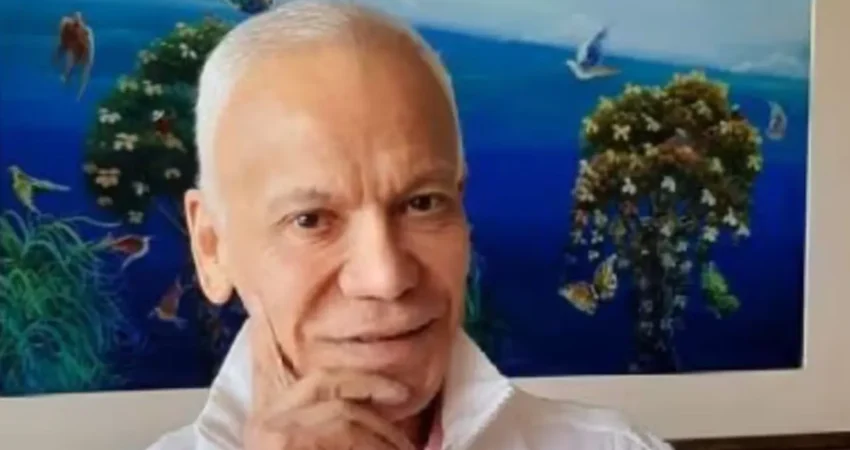
Colombian journalism lost a towering figure on Sunday, September 6, 2026, with the passing of Juan Guillermo Ríos at the age of 75 in Medellín. Ríos, a name synonymous with insightful reporting and a distinctive on-air presence, leaves behind a legacy that significantly shaped the landscape of Colombian media for decades. His extensive career spanned radio, television, academia, and public communication, cementing his status as one of the most memorable journalists of his generation.
Born in Medellín in 1951, Ríos embarked on his professional journey in the vibrant media scene of Colombia. His early career saw him contribute to Caracol Radio starting in 1970, where he honed his skills in broadcast journalism. Over the years, he ascended through the ranks, taking on various leadership roles and demonstrating a keen understanding of news dissemination across different platforms. He also helmed Noticias de Radio Santa Fe, further solidifying his reputation as a formidable presence in radio news.
A Golden Era of Television News
The 1980s marked a watershed period in Juan Guillermo Ríos’s career, as he assumed the directorship and anchoring of "Noticiero de las Siete" (News of the Seven). This flagship television program achieved unprecedented viewership, capturing the attention of an estimated 70% of the Colombian population at its zenith. This remarkable audience penetration underscored Ríos’s ability to connect with the public, delivering news with clarity, gravitas, and an accessible demeanor that resonated deeply with viewers. "Noticiero de las Siete" became more than just a news program; it was a national institution, a nightly ritual for millions seeking to understand the unfolding events in Colombia and the world.
Ríos’s distinctive sign-off, "Les deseo paz, amor y buen genio" (I wish you peace, love, and good humor), became a beloved and instantly recognizable closing to each broadcast. This simple yet profound wish encapsulated his personal philosophy and his desire to foster a sense of unity and well-being among his audience. The phrase transcended the television screen, becoming a cultural touchstone and a lasting reminder of his warm and humanistic approach to journalism.
A Multifaceted Career Beyond the Headlines
Ríos’s contributions were not confined to the television studio. His intellectual curiosity and commitment to communication extended into academia, where he served as a university professor, imparting his knowledge and experience to aspiring journalists. This role allowed him to nurture new talent and shape the future of the field, ensuring that his insights and ethical standards would be passed down to subsequent generations.
Furthermore, his expertise in communication led him to serve as a communications advisor to ministers and various government administrations. This dual role provided him with a unique perspective, bridging the gap between the media’s watchdog function and the complexities of public policy and governance. His ability to navigate these different spheres demonstrated a sophisticated understanding of how information shapes public perception and influences decision-making processes.
His professional trajectory also included stints at Caracol Televisión, Revista Semana, and the radio stations of the National Police. These diverse experiences provided him with a broad understanding of the media landscape, from large-scale television networks to specialized publications and institutional broadcasting. The National Library’s Señal Memoria archive holds valuable recordings of his work, including segments from "Noticiero de las Siete" dating back to 1984, serving as a testament to his enduring impact.
Navigating Personal Adversity
Juan Guillermo Ríos’s life, though marked by professional triumphs, was also shaped by significant personal challenges. In 1982, he endured a harrowing kidnapping by members of the M-19 guerrilla group. This traumatic experience, which he later shared as part of his personal narrative, undoubtedly provided him with a profound understanding of the human cost of conflict and instability, likely informing his reporting with a deeper sense of empathy and context.
Later in his life, at the close of the 1990s, Ríos confronted a battle with cancer. His successful recovery from this serious illness showcased his resilience and determination. Following his remission, he continued to engage actively in journalism and communication, demonstrating an unwavering commitment to his profession and a testament to his indomitable spirit. This personal triumph further endeemed him to the public, highlighting his strength in overcoming adversity.
The Context of Colombian Media
Ríos’s career unfolded during a pivotal era in Colombian media history. The 1970s and 1980s witnessed a significant expansion and professionalization of both radio and television. Television, in particular, was rapidly becoming the dominant medium, shaping cultural norms, political discourse, and national identity. In this context, a figure like Juan Guillermo Ríos, with his credible presence and ability to distill complex issues for a mass audience, played a crucial role in informing and engaging the public. The advent of private television channels and the increasing sophistication of news production during this period provided fertile ground for journalists of Ríos’s caliber to flourish and leave a lasting imprint.
Reactions and Legacy
The news of Juan Guillermo Ríos’s passing has elicited widespread condolences from across the Colombian media fraternity, academia, and public life. Colleagues, former students, and public figures have lauded his integrity, professionalism, and significant contributions to journalism. Many have recalled his sharp intellect, his unwavering commitment to journalistic ethics, and his ability to report on sensitive issues with both clarity and compassion.
"Juan Guillermo Ríos was a true titan of Colombian journalism," commented a former colleague who wished to remain anonymous. "He set a standard for excellence that many of us strived to emulate. His ability to explain complex political and social issues to the average Colombian was unparalleled. He made news accessible and relevant."
His legacy is not merely in the archives of broadcasts or the academic syllabi he influenced, but in the generations of journalists he inspired and the informed citizenry he helped cultivate. His life’s work serves as a reminder of the vital role that responsible and engaged journalism plays in a democratic society.
A Lasting Impact
Juan Guillermo Ríos’s passing marks the end of an era for Colombian journalism. His multifaceted career, marked by groundbreaking achievements in television news, dedicated service in radio, impactful contributions to academia, and astute advisory roles in public communication, leaves an indelible mark on the nation’s media landscape. From his early days at Caracol Radio to his iconic tenure at "Noticiero de las Siete," Ríos consistently demonstrated a commitment to truth, clarity, and public service. His resilience in overcoming personal hardships further solidified his image as a man of strength and character. As Colombia bids farewell to one of its most respected journalists, his influence will undoubtedly continue to resonate, guiding and inspiring those who carry the torch of journalism forward.

0 Comments