
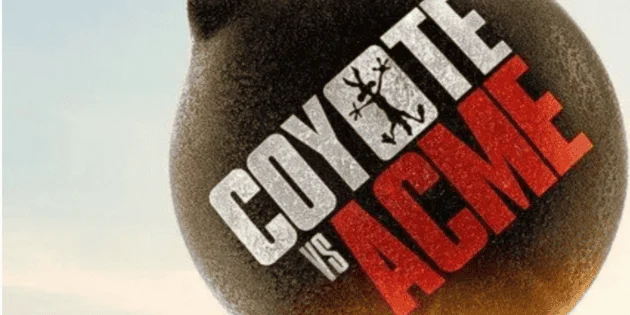
Wile E. Coyote, the enduring symbol of relentless pursuit and perpetual failure, spent decades plummeting down canyons, enduring dynamite explosions, and suffering the comical consequences of defective Acme Corporation products in his Sisyphean quest to capture the elusive Road Runner. Yet, his most formidable challenge did not unfold on an animated screen, but rather in a protracted, real-world struggle to rescue his very own feature film from cinematic oblivion. After an initial definitive cancellation, widespread public protests, being controversially archived for tax purposes, and an eventual last-minute rescue by an independent distributor, the highly anticipated film "Coyote vs Acme" is now poised for its long-awaited theatrical debut. The film, directed by Dave Green, with a story penned by Samy Burch, James Gunn, and Jeremy Slater, is officially slated to arrive in Mexican cinemas on August 27, 2026, marking a triumphant end to a saga as dramatic and unexpected as any of the Coyote’s own misadventures.
The genesis of "Coyote vs Acme" traces back to a whimsical yet incisive 1990 New Yorker essay by Ian Frazier titled "Coyote v. Acme." Frazier’s satirical piece imagined a legal deposition where Wile E. Coyote, weary and battered from countless years of futile attempts and physical trauma, takes the drastic step of suing the Acme Corporation. His lawsuit alleges gross negligence and the production of inherently dangerous and defective products that consistently fail to perform as advertised, leading directly to his myriad injuries. This ingenious premise forms the bedrock of the film, translating Frazier’s humorous legal proceedings into a live-action/animation hybrid cinematic experience. In the movie, the long-suffering Coyote (voiced by Eric Bauza, who also voices the Road Runner) enlists the help of an earnest, albeit inexperienced, human lawyer named Julian (portrayed by Will Forte) to represent him in court. Their formidable opponent is the formidable and charismatic attorney representing Acme, played by none other than John Cena, setting the stage for a comedic courtroom showdown with profound implications for the fictional universe of Looney Tunes.
The Road to Redemption: A Tumultuous Production and Distribution Timeline
The journey of "Coyote vs Acme" from concept to impending release has been fraught with more twists and turns than a Road Runner chase through the desert. Production on the film, a blend of live-action and CGI animation, was completed in 2023. Early screenings and internal reviews reportedly garnered overwhelmingly positive feedback, with insiders and test audiences praising its inventive humor, the seamless integration of animated characters into live-action settings, and its surprisingly heartfelt narrative core. However, this promising reception was abruptly overshadowed by a decision from its then-distributor, Warner Bros. Discovery (WBD).
In a move that sent shockwaves through Hollywood and infuriated fans, Warner Bros. Discovery announced in November 2023 its intention to shelve the film indefinitely. This decision was part of a broader, aggressive strategy under CEO David Zaslav to cut costs and maximize tax deductions. By opting not to release certain completed projects, WBD could claim a significant tax write-off, essentially erasing the production costs from their books. This controversial tactic had previously been applied to other completed films, most notably "Batgirl" and "Scoob! Holiday Haunt," drawing widespread criticism from creators, talent, and industry observers who viewed it as a detrimental blow to artistic integrity and a disservice to the hard work of hundreds of individuals.
The financial rationale behind such a move is rooted in complex accounting. By declaring a project as a "loss" before its release, a studio can sometimes recoup a substantial portion of its investment through tax benefits, potentially more than what a limited release might generate, especially if marketing and distribution costs are factored in. For WBD, grappling with a massive debt load following the merger of WarnerMedia and Discovery, these tax write-offs became a tempting, albeit publicly unpopular, lever to pull.
The Public Outcry: #ReleaseCoyoteVsAcme Goes Viral
The news of "Coyote vs Acme" being shelved ignited a firestorm of indignation among fans of Looney Tunes, animation enthusiasts, and film industry professionals. The decision was perceived as particularly egregious given the reported quality of the film and the beloved status of its characters. Social media platforms quickly became a battleground for public protest. By February 2024, the hashtags #ReleaseCoyoteVsAcme and #SaveCoyoteVsAcme had gone viral, trending globally as millions expressed their outrage and demanded the film’s release.
The protest movement extended beyond online activism. A poignant and widely circulated image showed a dedicated fan protesting outside Warner Bros. facilities, dressed in a full Wile E. Coyote costume, holding a sign that simply read "Release Me." This visual encapsulated the collective sentiment of betrayal and longing for the film to see the light of day. Celebrities, including those involved in the film like James Gunn (who was also a producer and co-writer) and Dave Green, along with other prominent figures in the entertainment industry, voiced their dismay and support for the film’s release, further amplifying the public’s demands. The sustained pressure highlighted a growing tension between corporate financial strategies and the audience’s expectation of creative output.
A Lifeline Emerges: Ketchup Entertainment Steps In
The tide began to turn in March 2025 when independent distributor Ketchup Entertainment announced its acquisition of the distribution rights for "Coyote vs Acme." This development was a monumental victory for the film’s creators and its passionate fanbase, representing a rare instance of a major studio reversing course on a tax write-off decision due to overwhelming public pressure and a viable alternative. Ketchup Entertainment, known for its strategic acquisitions and successful distribution of independent features, had previously demonstrated its belief in the enduring appeal of Looney Tunes by acquiring the rights to another WBD-shelved project, "The Day the Earth Exploded," also starring the classic animated characters. This prior engagement suggested Ketchup’s confidence in the market for these beloved properties, even under challenging circumstances.
For Ketchup Entertainment, the acquisition of "Coyote vs Acme" was not merely a business transaction but a statement. It signaled their commitment to bringing quality cinema to audiences, even when larger studios prioritize financial maneuvers over creative output. While the financial terms of the deal were not publicly disclosed, it is understood that Ketchup’s offer must have outweighed the tax benefits WBD would have received from shelving the film, a testament to the film’s perceived value and the sheer force of public opinion. This outcome offered a glimmer of hope to other filmmakers whose projects might face similar fates in an increasingly volatile industry landscape.
Critical Acclaim and Soaring Expectations
Now, with a definitive release date, "Coyote vs Acme" arrives in cinemas accompanied by high expectations, further fueled by the positive reviews it garnered during its brief pre-shelving life. Critics who were fortunate enough to view early cuts praised several aspects of the film, distinguishing it as more than just a standard animated feature.
- Humor and Satire: Reviewers highlighted the film’s sharp wit and its ability to blend the classic slapstick humor of Looney Tunes with sophisticated legal satire, drawing directly from Ian Frazier’s original essay. The comedic dynamic between the perpetually suffering Coyote and his earnest human lawyer, pitted against the corporate might represented by John Cena’s character, was cited as a particular strength.
- Live-Action/Animation Hybrid: The technical prowess in combining live-action elements with traditional 2D-style animation was frequently lauded. Unlike some previous attempts in the genre, "Coyote vs Acme" reportedly achieves a seamless and visually engaging integration, maintaining the iconic look of the Looney Tunes characters while grounding them in a believable live-action world.
- Emotional Depth and Parallelism: Perhaps most uniquely, critics pointed to the unexpected emotional resonance of the film. Beyond the laughs, the story of the Coyote fighting for justice against a powerful, faceless corporation struck a chord. Many critics drew a powerful, almost meta-narrative, parallelism between the Coyote’s on-screen battle and the real-life struggle of the film’s production team and fans to save "Coyote vs Acme" from being permanently shelved. This reflection of the film’s own journey within its narrative added a layer of poignancy and relevance that resonated deeply. The film’s 100% score on certain review aggregators from early screenings underscored its quality and critical appeal.
Implications for Hollywood and the Future of Film Distribution
The tumultuous saga of "Coyote vs Acme" carries significant implications for the broader entertainment industry. It serves as a stark reminder of the evolving power dynamics between traditional studio models, independent distributors, and the increasingly influential voice of the audience.
- Creator Rights and Creative Freedom: The initial decision to shelve the film sparked renewed debates about creator rights and the vulnerability of artistic projects to corporate financial maneuvering. While studios ultimately hold the purse strings, the "Coyote vs Acme" case demonstrated that public outcry can, in rare instances, force a re-evaluation of purely financial decisions, offering a modicum of hope for creative talent.
- The Power of Fan Movements: The #ReleaseCoyoteVsAcme campaign stands as a testament to the growing power of organized fan communities in the digital age. Social media, when harnessed effectively, can mobilize millions and exert considerable pressure on large corporations, potentially influencing release strategies and even saving projects from cancellation. This precedent might embolden future fan campaigns.
- The Role of Independent Distributors: Ketchup Entertainment’s intervention highlights the crucial role independent distributors can play in rescuing and bringing unique content to market that might otherwise be overlooked or discarded by larger studios. It underscores the diverse ecosystem of film distribution and the opportunities that exist outside the major studio system.
- Warner Bros. Discovery’s Strategy Under Scrutiny: While the eventual release of "Coyote vs Acme" may offer some public relations reprieve for WBD, the initial decision to shelve it, along with other projects, has undoubtedly impacted its brand image and relationships with creative talent. The company’s aggressive cost-cutting measures, while perhaps financially expedient in the short term, risk alienating creators and audiences alike.
- The Hybrid Film Landscape: The success of "Coyote vs Acme" could reinvigorate interest in the live-action/animation hybrid genre, which has seen mixed results in recent years (e.g., "Space Jam: A New Legacy" vs. "Chip ‘n Dale: Rescue Rangers"). A critically and commercially successful "Coyote vs Acme" could inspire more innovative approaches to blending animation with live-action.
A New Era for Looney Tunes?
The journey of "Coyote vs Acme" is more than just a film’s struggle; it’s a narrative that mirrors the very essence of its protagonist. Just as Wile E. Coyote tirelessly persists against all odds, the film itself has defied cancellation, financial calculations, and the very real threat of never being seen. Its eventual release is not merely a cinematic event but a cultural triumph, a testament to the enduring power of storytelling, the resilience of creative vision, and the collective voice of an audience unwilling to let a beloved character fade into obscurity. As the film finally prepares to grace the big screen, it promises to deliver not only laughter and entertainment but also a compelling, meta-narrative about the fight for justice, both on and off screen. For Wile E. Coyote, the legal battle against Acme might just be the one victory he finally achieves, and for the film, its release marks a definitive win in its own extraordinary legal and public relations saga, potentially ushering in a new era for the timeless antics of the Looney Tunes.

0 Comments