
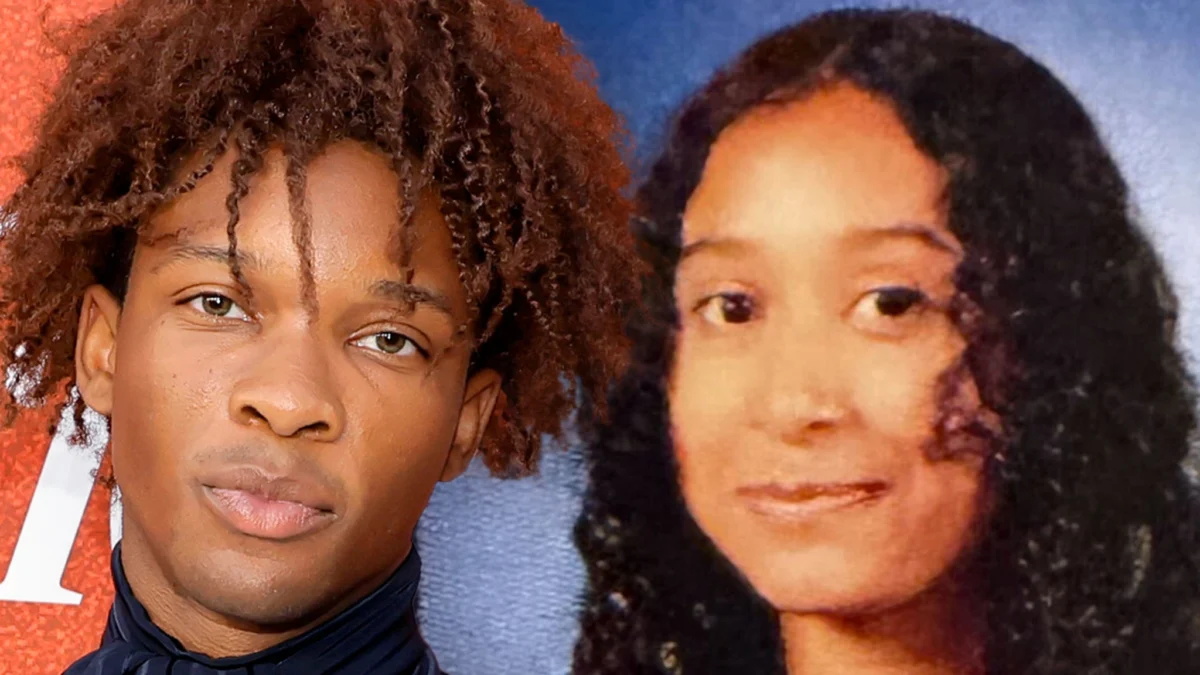
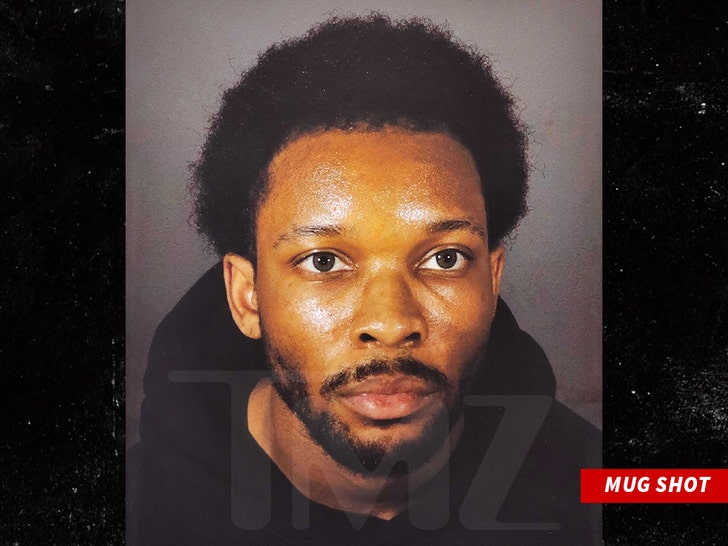
The somber atmosphere of a Los Angeles courtroom intensified dramatically on Thursday during the third day of the preliminary hearing for recording artist D4vd, who stands accused in the murder of Celeste Rivas. As a criminalist from the Los Angeles Police Department’s (LAPD) DNA Unit presented critical forensic evidence, Celeste Rivas’ mother was observed collapsing in tears, doubled over with grief and requiring tissues. In stark contrast, D4vd remained impassive, described as stone-faced, exhibiting no discernible reaction to the compelling and often distressing testimony detailing alleged DNA links to the young victim. This emotional dichotomy underscored the gravity of the proceedings, where the prosecution is working to establish probable cause to move the high-profile case forward to trial.
Background to the High-Profile Case
The case against D4vd, whose real name is David Burke, has captivated public attention since news first broke of his arrest in connection with the tragic death of Celeste Rivas. D4vd, an emerging figure in the music industry known for his distinctive blend of indie pop and R&B, has seen his burgeoning career overshadowed by these grave allegations. Celeste Rivas, identified as the victim in this harrowing case, was a young woman whose life was cut tragically short, sparking a comprehensive investigation by the LAPD. While specific details surrounding the initial incident that led to Celeste Rivas’ death have been largely withheld from public disclosure during the early stages of the legal process, the current preliminary hearing marks a pivotal moment in uncovering the circumstances and establishing the evidential basis for the charges.
A preliminary hearing serves a crucial function in the criminal justice system. It is not a trial to determine guilt or innocence but rather a proceeding where a judge decides whether there is sufficient probable cause to believe that a crime was committed and that the defendant committed it. The prosecution, led by Deputy District Attorney Beth Silverman, presents its strongest evidence to demonstrate that a felony has likely occurred and that the accused should stand trial. For the defense, this is an opportunity to challenge the prosecution’s evidence, expose weaknesses, and potentially prevent the case from advancing to a full trial, or at least gain insights into the prosecution’s strategy. The outcome of this hearing will significantly influence the trajectory of the entire legal battle, determining if D4vd will face a formal trial on murder charges.
The Emotional Toll in Court
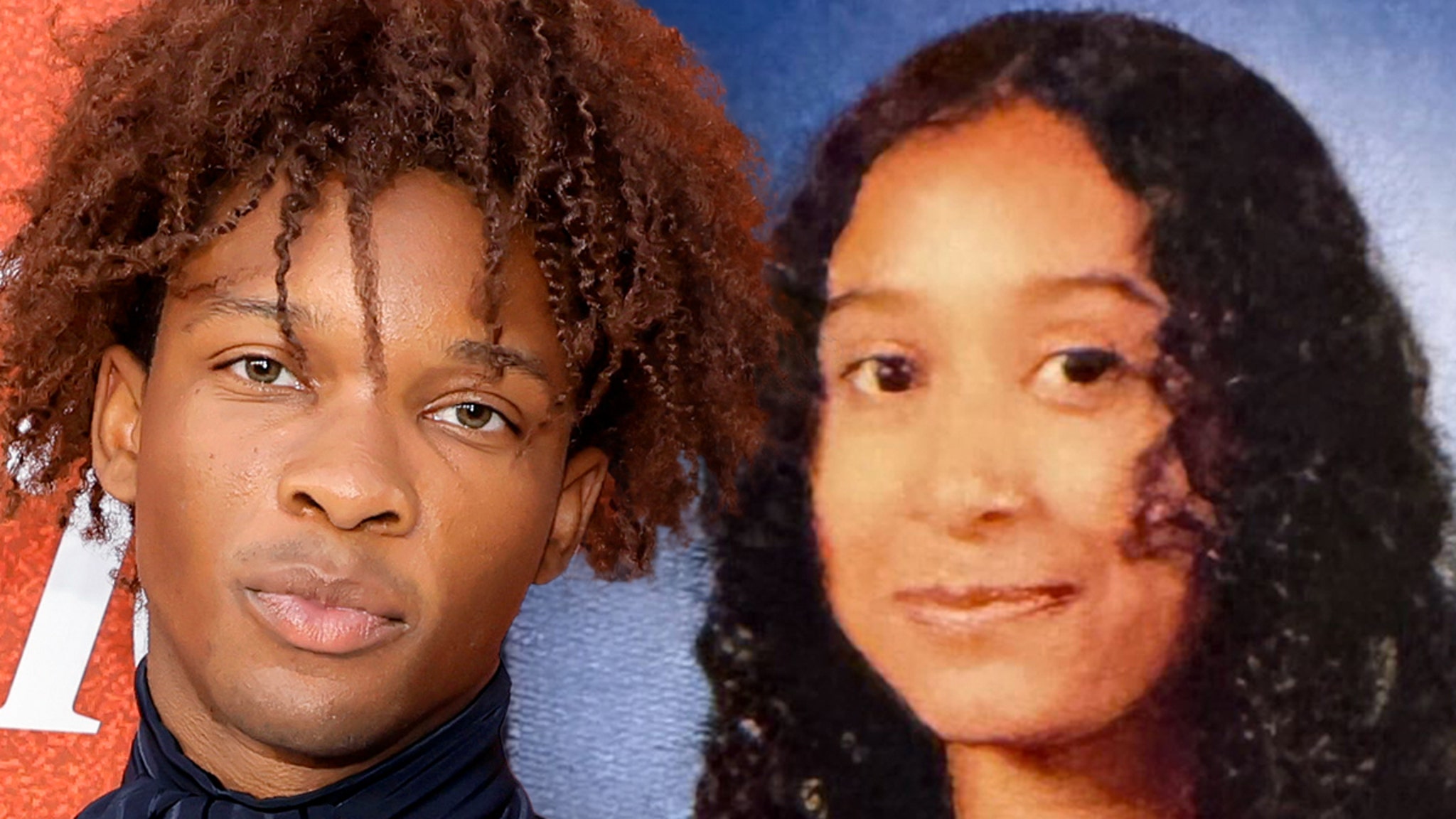
The courtroom on Thursday became a focal point for the profound human cost of the allegations. Samantha Tosch, a seasoned criminalist with the LAPD Crime Lab’s DNA Unit, delivered meticulous testimony that brought the raw reality of the investigation into sharp focus. As Tosch elaborated on potential blood samples containing DNA profiles allegedly consistent with Celeste Rivas, her mother’s anguish became palpable. Witnesses described Celeste’s mother breaking down, her body convulsing with sobs, necessitating the immediate provision of tissues by court staff. This visible display of grief underscored the devastating impact of the alleged crime on the victim’s family, transforming abstract legal proceedings into a deeply personal ordeal.
The emotional intensity was further amplified by the stark contrast of D4vd’s demeanor. Throughout the detailed presentation of forensic evidence directly linking to the alleged crime scene and the victim, the singer reportedly sat in his chair without any outward display of emotion. His stone-faced composure, or lack thereof, offered no clear indication of his internal state, leaving observers to ponder the psychological toll of the proceedings on the accused. This juxtaposition of profound sorrow from the victim’s family against the defendant’s apparent stoicism is often a poignant feature of high-stakes criminal hearings, highlighting the divergent realities experienced by those involved.
The impact of such testimony on family members is immense. For Celeste Rivas’ parents, attending the hearing means confronting the brutal details of their daughter’s death, often presented in a dispassionate, scientific manner that can be excruciating. The decision by Celeste’s parents to leave the hearing early, prior to the Medical Examiner beginning their testimony, speaks volumes about the overwhelming emotional burden. This departure suggests a limit to what they could endure, particularly before a potentially even more graphic account of their daughter’s final moments and injuries. Such exits are not uncommon for victim’s families in emotionally charged trials, as the detailed forensic and medical evidence can be unbearable.
Forensic Evidence Takes Center Stage
Central to the prosecution’s case on Day 3 of the preliminary hearing was the testimony of Samantha Tosch. As a criminalist specializing in DNA analysis, Tosch’s expertise is crucial in interpreting complex biological evidence for the court. Her testimony focused on various samples collected during the investigation, specifically those found in D4vd’s personal property, including his Tesla vehicle and garage, as well as items discovered at the alleged crime scene. The scientific evidence, presented with technical precision, aimed to establish a direct link between the accused, the victim, and the locations pertinent to the case.
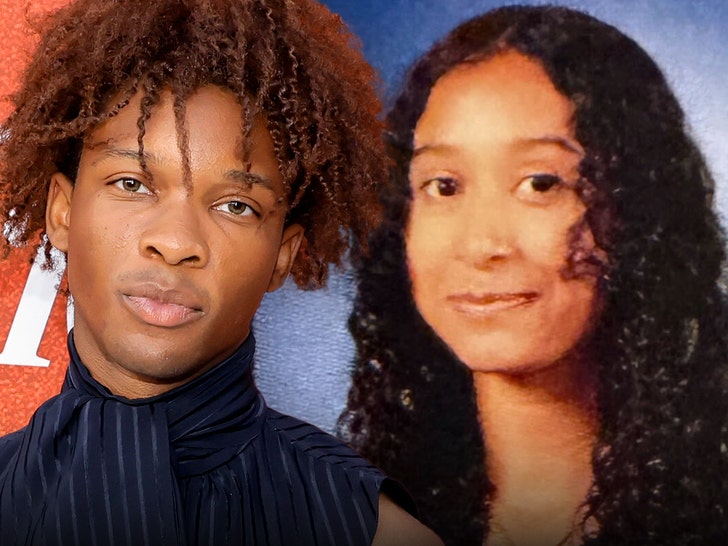
One of the most significant pieces of evidence discussed was the presence of red stains discovered in D4vd’s Tesla and within his garage. Tosch testified that DNA collected from these stains showed "incredibly high odds" of being a match to Celeste Rivas. In forensic science, "incredibly high odds" typically refers to a statistical probability so remote that the chance of the DNA belonging to anyone other than the identified individual is virtually zero. Such statements are usually backed by complex calculations of likelihood ratios, which compare the probability of observing the DNA profile if the individual is the source versus if a random, unrelated individual is the source. For the court, this translates into a powerful indicator of a connection between Celeste and these locations associated with D4vd.
Further elaborating on the findings, Tosch explained that potential blood samples found inside the car’s trunk "all indicated" the DNA appeared to be connected to Celeste. This assertion suggests multiple samples within the trunk yielded consistent results, strengthening the inference that Celeste Rivas was present in the vehicle and that a significant event involving potential injury occurred there. The trunk of a vehicle is often a critical area for forensic examination in cases involving transportation of a body or evidence, and consistent DNA findings from multiple samples significantly bolster the prosecution’s narrative.
Detailed DNA Analysis Presented
The forensic examination extended beyond the vehicle. A stain on a rubber floor mat found in D4vd’s garage also yielded significant DNA results. Samantha Tosch stated that this sample contained a "partial profile consistent with Celeste’s DNA profile." A partial DNA profile indicates that while not all markers typically used for a full profile were present or legible, enough were identified to establish a strong consistency with Celeste’s known DNA. Even a partial profile, when statistically evaluated, can provide compelling evidence of presence, especially when combined with other corroborating findings.
The testimony also delved into evidence collected from a stained black trash bag found at the scene. In this instance, Tosch reported that Celeste’s DNA was "excluded" from the main stained portion of the bag. This exclusion means that the DNA profile obtained from that specific stain did not match Celeste Rivas’s profile. However, the analysis revealed that this particular sample contained DNA from "four alleged contributors," including D4vd and two other males. The presence of multiple contributors on an item can complicate interpretation but also provides a more complete picture of who may have interacted with the item. The exclusion of Celeste’s DNA from this specific stain, while potentially appearing to contradict other findings, could indicate different individuals handled or contributed to different parts of the bag, or that Celeste’s contribution was not present on that specific stained area. The identification of D4vd as one of the contributors, alongside two other males, raises questions about the full extent of involvement and presence at the scene.
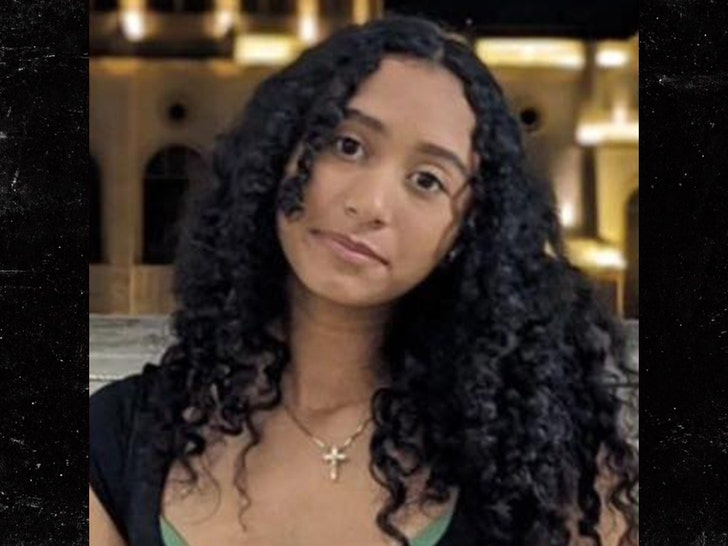
A crucial distinction was made regarding disinfectant wipes found inside the same trash bag. Tosch testified that the DNA collected from these wipes was "consistent with Celeste’s," emphasizing that it was "3 trillion times more likely to match hers." This incredibly high statistical probability provides exceptionally strong evidence that Celeste Rivas was the source of the DNA on the disinfectant wipes. The presence of her DNA on such an item, often used for cleaning or sanitizing, could suggest attempts to clean up a scene or personal contact with the wipes. Interestingly, D4vd’s DNA was "excluded" from these specific wipes, indicating that while Celeste’s DNA was strongly present, D4vd was not a contributor to the DNA found on the wipes themselves. This intricate pattern of inclusions and exclusions across different items provides a complex, but potentially revealing, forensic narrative for the court to consider.
The Legal Framework: Preliminary Hearing Explained
The proceedings on Thursday were part of a preliminary hearing, a critical juncture in the criminal justice system, particularly in felony cases. The primary objective of this hearing is for the presiding judge to determine if there is enough evidence, known as "probable cause," to believe that a crime was committed and that the defendant is the person who committed it. It is a lower standard of proof than "beyond a reasonable doubt," which is required for a conviction at trial. During this phase, the prosecution presents a condensed version of its case, focusing on key evidence and witness testimonies to establish this probable cause. The defense has the opportunity to cross-examine witnesses and may present its own evidence, though it is often strategic for the defense to reserve its full case for a later trial.
Deputy District Attorney Beth Silverman, representing the prosecution, meticulously guided Samantha Tosch through her testimony, strategically highlighting the forensic links between D4vd, Celeste Rivas, and the locations under investigation. The presentation of detailed DNA evidence, particularly the high probabilities of matches to Celeste Rivas found in D4vd’s vehicle and garage, serves as compelling material for the prosecution’s argument that probable cause exists. Should the judge concur that probable cause has been established, the case will then proceed to an arraignment in a higher court, where D4vd will formally enter a plea, and a trial date will be set. Conversely, if the judge finds insufficient probable cause, the charges could be dismissed, or reduced, though this is less common in cases where significant forensic evidence has been presented.
The preliminary hearing also provides a valuable opportunity for both sides to assess the strength of the evidence and the effectiveness of their arguments. For the defense, the cross-examination of witnesses like Samantha Tosch allows them to probe the methodologies of the forensic analysis, challenge the chain of custody, or question the interpretation of the results. While the article does not detail the defense’s specific cross-examination, their role is to introduce doubt or alternative explanations for the presence or absence of DNA, and to highlight any inconsistencies in the prosecution’s narrative.
Reactions and Broader Implications
The emotional distress displayed by Celeste Rivas’ mother in court underscores the profound and lasting impact of violent crime on victims’ families. Her visible breakdown and subsequent early departure, along with Celeste’s father, from the hearing before the Medical Examiner’s testimony, speaks volumes about the raw grief and trauma they are enduring. For families, these legal proceedings, while necessary for justice, often force them to relive the most painful moments of their lives, dissecting the very details they wish to forget. The Medical Examiner’s testimony, which typically provides clinical details about the cause and manner of death, is often the most difficult for families to hear.
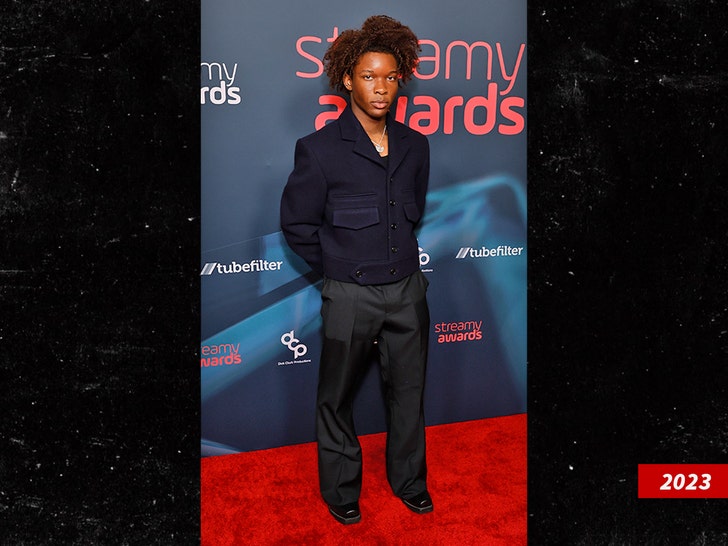
For D4vd, the preliminary hearing is a critical juncture that will shape his immediate future and long-term career. Accusations of this magnitude carry immense personal, professional, and public relations consequences, regardless of the eventual outcome. His apparent stoicism in court, while perhaps a coping mechanism or a legal strategy, will undoubtedly be scrutinized by the public and media. The presence of his DNA as a contributor to certain items, even with exclusions on others, and the high probability of Celeste’s DNA found in his vehicle and garage, presents a challenging evidentiary landscape for the defense to navigate.
The broader implications of this case extend beyond the courtroom. It highlights the pervasive issue of violence and its devastating effects, drawing attention to the critical role of forensic science in modern criminal investigations. The precision and statistical power of DNA evidence, as demonstrated by Samantha Tosch’s testimony, are often central to building robust cases in complex criminal matters. The public interest in the case, fueled by D4vd’s celebrity status, ensures that the proceedings will continue to be closely watched, raising important discussions about justice, accountability, and the impact of legal battles on individuals and their careers.
Looking Ahead: The Path to Trial
With Day 3 of the preliminary hearing concluding, and Celeste’s parents having left before the Medical Examiner could testify, the court is moving closer to a decision regarding probable cause. The testimony of the Medical Examiner, which would detail the findings of the autopsy, including the cause and manner of Celeste Rivas’ death, would be the next critical piece of evidence presented by the prosecution to further strengthen their case. This testimony is often crucial in establishing the nature of the crime and confirming its classification as a homicide.
Should the judge find that probable cause has been sufficiently established based on the collective evidence presented, D4vd’s case will be bound over for trial. This would initiate the next phase of the legal process, involving further discovery, pre-trial motions, and ultimately, a jury selection and a full trial where the burden of proof shifts to "beyond a reasonable doubt." The defense would then mount its comprehensive strategy, potentially presenting expert witnesses to counter the prosecution’s forensic findings, or offering alternative explanations for the evidence. The legal journey in a murder case is typically protracted, spanning many months, if not years, as both sides meticulously prepare their arguments.
The D4vd murder case continues to unfold as a deeply tragic and legally complex narrative. The emotional impact on Celeste Rivas’ family is undeniably profound, while the defendant faces charges that carry the most severe penalties. The preliminary hearing has laid bare significant forensic evidence, setting the stage for what promises to be a closely watched and rigorously contested legal battle in the pursuit of justice.

0 Comments