

Singer D4vd, whose legal name is David Burke, has formally requested the removal of his handcuffs and other physical restraints for his upcoming preliminary hearing in the murder case of Celeste Rivas. The motion, filed by his high-profile defense attorney, Blair Berk, highlights the artist’s perceived lack of flight risk or disruptive behavior during previous court appearances, aiming to present him to the court free from the visible trappings of incarceration. This pivotal hearing, scheduled to commence tomorrow, marks a critical juncture in a case that has garnered significant public and media attention due to the severity of the allegations and D4vd’s celebrity status.
The Defense’s Argument for Unshackling
According to reports from NBC 4 Los Angeles, D4vd’s legal team filed the motion arguing that the singer’s five prior court appearances have been "uneventful," demonstrating no attempts to escape nor any disruptive conduct. Defense attorney Blair Berk, known for representing numerous high-profile clients, asserted that D4vd’s demeanor and cooperation negate the need for visible restraints. The legal principle underpinning such motions centers on the presumption of innocence, which dictates that a defendant should not appear before a judge or jury in a manner that might prejudice their perception as guilty. Visible restraints, such as handcuffs, leg irons, or even stun belts, can inherently suggest dangerousness or criminality, potentially undermining a fair trial.
Courts generally weigh several factors when considering motions to remove restraints, including the severity of the charges, the defendant’s past behavior in custody, any history of violence or escape attempts, the security of the courtroom, and the presence of any threats to court personnel or the public. In D4vd’s case, the defense is implicitly arguing that the security concerns are minimal, and the potential for prejudice against their client outweighs any perceived need for restraints. The defense aims to ensure D4vd can participate fully and present himself respectfully, without the visual stigma often associated with shackled defendants, which can subtly influence perceptions even at the preliminary hearing stage.

Understanding the Preliminary Hearing: A Crucial Legal Milestone
The preliminary hearing is a critical phase in the criminal justice process, particularly in felony cases. Unlike a full trial, its primary purpose is not to determine guilt or innocence but rather to ascertain whether there is sufficient "probable cause" to believe that a crime has been committed and that the defendant committed it. During this hearing, prosecutors present a condensed version of their evidence to a judge, who then decides if the case should proceed to a full trial. This process serves as a gatekeeper, preventing weak cases from consuming extensive judicial resources and protecting defendants from unwarranted trials.
In this instance, prosecutors are expected to present a substantial body of evidence, some of which is anticipated to be "graphic," as they endeavor to convince Los Angeles Superior Court Judge Charlaine Olmedo that the threshold of probable cause for a murder trial has been met. This graphic evidence could include details about the victim’s injuries, forensic findings, or other disturbing aspects related to the alleged crime. The defense, while not typically presenting its full case at this stage, will have the opportunity to cross-examine prosecution witnesses and challenge the sufficiency of the evidence presented, though their primary focus might be on identifying weaknesses in the prosecution’s narrative and laying groundwork for a future trial.
Grave Allegations and Mounting Evidence
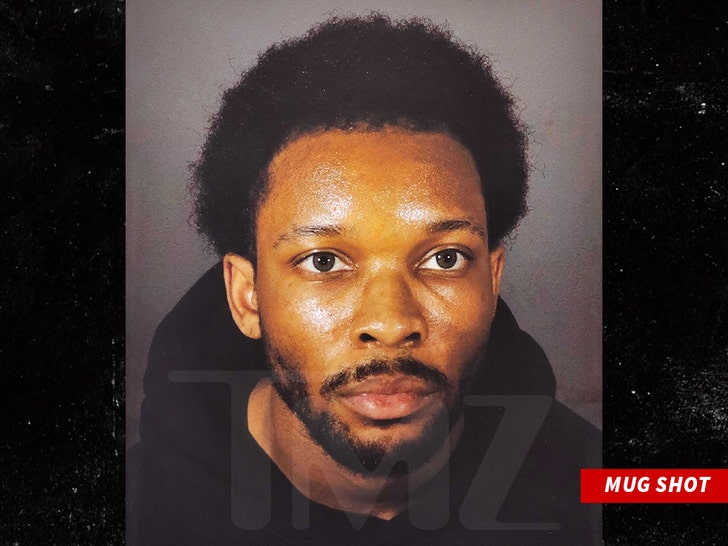
D4vd faces a harrowing array of charges stemming from the death of Celeste Rivas. He was arrested and subsequently charged in April with first-degree murder, a charge that carries the most severe penalties under California law, including potential life imprisonment without parole or even the death penalty, depending on specific aggravating circumstances. Beyond the murder charge, D4vd is also accused of lewd and lascivious acts with a child under 14, a grave allegation that suggests a predatory sexual relationship with the victim. The third charge, mutilating a body, speaks to the gruesome nature of the crime scene and the alleged efforts to conceal or disfigure the remains of the victim.

Prosecutors have indicated a robust evidentiary foundation for their case. They claim to possess a comprehensive collection of evidence, including DNA samples that could link D4vd directly to the crime or the victim. Surveillance footage, if it exists and is admissible, could place D4vd and Rivas together at critical times or locations. Furthermore, text messages and phone records are often crucial in establishing timelines, motives, and the nature of relationships between parties involved in a criminal case. These digital footprints can provide invaluable insights into communications leading up to, during, and after the alleged crime. The combination of these varied types of evidence suggests a meticulously constructed case by the prosecution aimed at establishing a strong foundation for a future conviction.
A Timeline of Tragic Events
The tragic events leading to D4vd’s current legal predicament began unfolding in September of the previous year (2025). It was then that the dismembered body of Celeste Rivas was discovered inside a Tesla vehicle. Initial reports indicated that the vehicle was registered to the singer, immediately drawing a connection to D4vd and raising serious questions about his involvement. The discovery of the body in such a shocking state prompted a lengthy and intensive investigation by law enforcement.
For seven months following the initial discovery, the investigation progressed, meticulously gathering evidence and building a case. This period of quiet but diligent work culminated in April of the current year (2026), when authorities formally arrested D4vd. Shortly thereafter, he was officially charged with the aforementioned crimes: first-degree murder, lewd and lascivious acts with a child under 14, and mutilating a body. Following his arrest and formal charging, D4vd entered a plea of not guilty to all counts, asserting his innocence in the face of the grave accusations. He has remained in custody since his arrest, awaiting the various stages of the judicial process, including this critical preliminary hearing scheduled for tomorrow, July 20, 2026.
The Legal Framework of Defendant Restraints
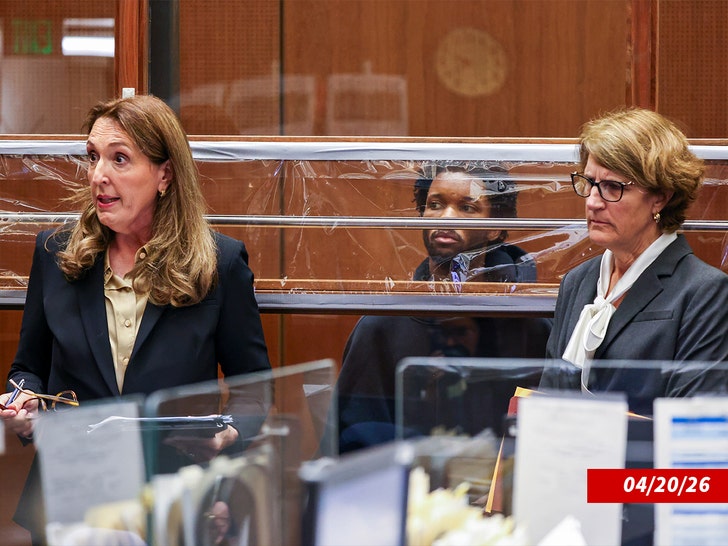
The use of physical restraints on defendants in courtrooms is a contentious issue, balancing the need for courtroom security with fundamental principles of due process and the presumption of innocence. The U.S. Supreme Court, in cases like Illinois v. Allen (1970) and Deck v. Missouri (2005), has affirmed that shackling a defendant during trial is an "inherently prejudicial practice." The Court has recognized three fundamental legal reasons why a defendant should not be shackled: (1) it can prejudice the jury against the defendant, (2) it can interfere with the defendant’s ability to assist in his or her own defense, and (3) it offends the dignity and decorum of judicial proceedings.
While these rulings primarily address the use of restraints during a full trial before a jury, the underlying principles often extend to other court proceedings, including preliminary hearings, particularly when a judge is present and could be subtly influenced, or when media coverage could shape public perception. Judges typically have discretion to order restraints if there is an "essential state interest" specific to the defendant, such as a genuine risk of escape, a threat to courtroom safety, or a need to maintain order. However, this discretion is not unfettered and must be exercised carefully, with a preference for less restrictive alternatives if possible. Blair Berk’s motion directly challenges the existence of such an "essential state interest" in D4vd’s case, pointing to his calm demeanor in previous appearances.
Impact on Public Perception and Trial Dynamics
The image of a defendant in shackles, even at a preliminary hearing, can have far-reaching implications. For the public, particularly those who follow high-profile cases, such imagery can reinforce a perception of guilt, regardless of the legal presumption of innocence. This can contribute to a climate where public opinion hardens against the accused before all facts are presented in court. In the age of pervasive media and social media, an image of a shackled celebrity can quickly become a lasting visual, potentially influencing the pool of future jurors.
From a strategic legal standpoint, the defense’s motion is not merely about comfort; it’s about control over the narrative and presentation of their client. An unshackled defendant can appear more composed, cooperative, and trustworthy, traits that a defense team aims to project. Conversely, a shackled defendant might be perceived as dangerous, uncontrollable, or guilty, making it harder for the defense to argue their client’s innocence effectively. While Judge Olmedo’s decision on the motion will not directly impact the legal merits of the charges, it will undoubtedly influence the optics of the hearing and potentially set a tone for how D4vd is perceived throughout the remainder of the legal process.
The Broader Implications of the Case
The D4vd case is highly complex, not only due to the celebrity status of the accused but also because of the severe and disturbing nature of the allegations. The charges – first-degree murder, sexual abuse of a minor, and desecration of human remains – represent some of the most heinous crimes recognized by law. The confluence of these charges creates a particularly challenging legal battle for both the prosecution and the defense. If convicted of first-degree murder, D4vd could face life imprisonment. The charges of lewd and lascivious acts with a child under 14 also carry significant prison sentences and could profoundly impact any future, even if he were acquitted of murder.
This case also brings to light the vulnerabilities of young individuals, particularly in contexts involving power dynamics and alleged sexual exploitation. The victim, Celeste Rivas, was reportedly just 13 years old when the alleged sexual relationship with D4vd began, according to the prosecution. This detail adds another layer of gravity and public interest to the proceedings, emphasizing the need for justice for the victim and her family. The case serves as a stark reminder of the potential for severe consequences when individuals in positions of influence are accused of such grave offenses.
What Lies Ahead: The Judge’s Decision and Beyond
As of now, Los Angeles Superior Court Judge Charlaine Olmedo has not issued a ruling on D4vd’s unshackling motion. Her decision is anticipated to come swiftly, likely before the preliminary hearing officially commences. Regardless of the outcome of the motion, the preliminary hearing itself will be a moment of intense scrutiny. Should Judge Olmedo find sufficient probable cause, the case will then be "bound over" for trial, meaning it will proceed to the next stage where a trial date would be set, and a jury would eventually be selected.

If, however, the judge determines that the prosecution has not presented enough evidence to establish probable cause for any or all of the charges, those specific charges could be dismissed or reduced. This is a less common outcome in high-profile cases where prosecutors have typically invested significant resources in their initial investigation, but it remains a possibility. The legal battle for D4vd is still in its nascent stages, with the preliminary hearing serving as a crucial indicator of the strength of the prosecution’s case and the path forward for this highly publicized and deeply tragic legal saga. The outcome of this hearing will determine whether D4vd, a musician once celebrated, will face a full trial for the horrific crimes of which he stands accused.

0 Comments