
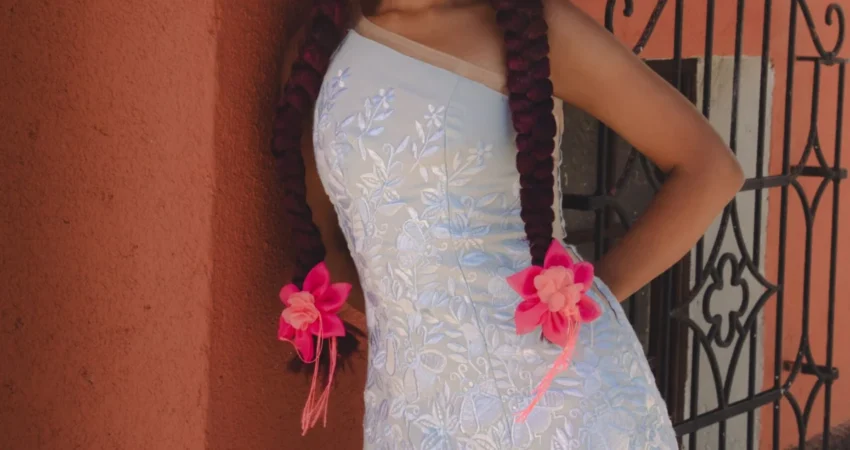
The intersection of high-concept author fashion, ancestral craftsmanship, and elevated gastronomy reached a historic milestone this year as DAB Bolivia (Diseñadores y Autores Bolivianos) celebrated its 15th anniversary. The event, held in the heart of La Paz, solidified the organization’s mission to elevate Bolivian identity through a sophisticated dialogue between traditional heritage and contemporary design. In a significant collaboration with Vogue México y Latinoamérica, the celebration featured the inaugural "Noche Vogue de las Tradiciones Paceñas," an evening dedicated to showcasing the cultural wealth of the city often referred to as the "Capital of the Sky." Founded and directed by Juan Carlos Pereira Paz, DAB Bolivia has evolved over a decade and a half from a niche creative collective into a premier platform that builds essential bridges between artisanal practices and the global fashion industry.
The 2026 edition was not merely a series of runway shows but a comprehensive cultural immersion. By transforming the iconic El Montículo park into a scenic stage, the event highlighted the strategic importance of cultural tourism and the promotion of national talent. The collaboration with the High-Altitude Tourism Directorate of the Autonomous Municipal Government of La Paz underscored a shared vision: to position La Paz as a global destination where history and modernity coexist. As the sun set over the Andes, the event integrated various facets of Bolivian life—from the sacred rituals of the Pachamama to the vibrant expressions of popular folklore—proving that fashion in Bolivia is an inseparable component of the nation’s social fabric.

A Historical Stage at El Montículo
The choice of El Montículo as the venue provided a deep historical context for the anniversary celebrations. This heritage site, a renowned lookout point since 1940, serves as a testament to the layers of history that define La Paz. Attendees entered through a majestic stone gate carved in 1776, passing by the Neptune Fountain, a masterpiece crafted by Italian sculptors in 1928. This architectural backdrop served as a silent witness to the evolution of Bolivian aesthetics, mirroring the designers’ efforts to blend colonial influences with indigenous roots and modern sensibilities.
The preservation of this patrimonial space was central to the event’s logistics. Supported by local authorities, the organization ensured that the natural and architectural beauty of the park remained at the forefront. During the afternoon, guests enjoyed a spring-like atmosphere, complemented by local flavors such as the traditional Tentación ice creams from Delizia, which added a touch of local nostalgia to the high-fashion setting. This integration of local industry and heritage sites reflects a broader trend in Latin American fashion events where the "sense of place" is as vital as the collections themselves.
The Evolution of Author Fashion: Five Perspectives
The 15th-anniversary runway featured five distinct designers and brands, each offering a unique interpretation of Bolivian identity. These collections demonstrated a move away from literal folkloric representation toward a more nuanced, sophisticated "author fashion" that appeals to international luxury markets.

Livi Luxe Jewels: Sophistication in Detail
The evening commenced with Livi Luxe Jewels, led by Fátima Céspedes, a designer and gemologist from Santa Cruz de la Sierra. Her collection emphasized luxury and meticulous craftsmanship, utilizing high-quality materials to create pieces that resonate with a global standard of elegance. By opening the show, Livi Luxe Jewels set a tone of refinement, proving that Bolivian jewelry design can compete at the highest levels of the luxury sector through technical precision and aesthetic clarity.
Folk de los Pueblos: A Tribute to the Artisan
Isabel Álvarez of Folk de los Pueblos presented a collection that celebrated the technical mastery of Bolivian craftswomen. The runway featured experimental silhouettes and intricate textile interplay, with delicate laces made of crochet and alpaca fiber. In one of the evening’s most poignant moments, Álvarez took her final bow accompanied by the very artisans who hand-crafted the garments. This gesture highlighted the collective nature of fashion production in Bolivia and emphasized the importance of fair recognition for the holders of ancestral knowledge.
Ana Palza: Contemporary Andean Narrative
Ana Palza, a respected figure in Latin American fashion, explored the contemporary identity of the Andean woman. Her work focused on the reinterpretation of traditional attire, specifically utilizing vintage velvet pollera skirts. The collection drew inspiration from the "Todos Santos" (All Saints) traditions and the symbolic tanta wawas (ceremonial bread dolls). Palza’s ability to translate deep-seated family rituals and funerary customs into high-fashion narratives demonstrated the profound spiritual connection inherent in Bolivian design.

Diabla: Cultural Heritage from the South
Representing the southern region of Tarija, Pamela Gallardo and Julieta Navajas of the brand Diabla showcased a collection defined by exquisite hand-embroidery. Their work bridged the gap between historical heritage and contemporary silhouettes, maintaining a sophisticated aesthetic that captured the attention of international observers. Diabla’s participation served to remind the audience of the diverse regional identities within Bolivia, each contributing its own set of techniques and symbols to the national fashion landscape.
Juan de La Paz: Upcycling and Identity
The final presentation came from Juan de La Paz, a brand that has become synonymous with sustainable innovation in the region. The collection focused on the upcycling of historical textiles, including antique mantas (shawls) worn by cholitas and traditional ponchos from Andean communities. These pieces were transformed through manual interventions and contemporary embroidery, giving new life to materials imbued with history. The show concluded with the runway debut of Albertina Sacaca, a prominent indigenous influencer. Her presence on the catwalk was a powerful statement on authenticity and the changing face of beauty in the fashion industry.
Chronology of an Anniversary Celebration
The 15th-anniversary event followed a meticulously planned schedule designed to maximize the impact of the cultural dialogue:

- Arrival and International Connectivity: Guests and media, including the Vogue delegation, arrived via Boliviana de Aviación (BoA), which serves as a vital link between La Paz and global hubs like Madrid, Miami, and Buenos Aires.
- Afternoon Reception: A spring-themed outdoor gathering at El Montículo, focusing on local gastronomy and the appreciation of the park’s architectural features.
- The Runway Presentations: A sequential showcase of the five selected designers, interspersed with musical and cultural performances.
- The Legacy Evolves Award: A formal ceremony recognizing outstanding contributions to the industry.
- Folklore Finale: A vibrant display of traditional dances and rituals that transitioned the fashion event into a celebration of popular culture.
Recognition of a Decade of Leadership
A centerpiece of the evening was the presentation of "The Legacy Evolves" award to Deanna Canedo Patiño. This honor recognized her ten years of creative direction at the House of BCP (Bolivian Concept Store), where she has been instrumental in modernizing a storied family legacy. Canedo Patiño has successfully navigated the challenge of maintaining traditional craftsmanship while steering the brand toward a contemporary, international vision. Her commitment to the evolution of Latin American fashion serves as a benchmark for the next generation of Bolivian designers.
Cultural Syncretism and the Rituals of La Paz
The event was deeply rooted in the "Paceña" traditions that define the spirit of La Paz. Throughout the night, elements of the Alasita festival—a ritual centered on the god of abundance, Ekeko—were woven into the experience. The ch’alla, an ancestral Andean ritual of libation and gratitude to the Pachamama (Mother Earth), was performed to ensure good fortune for the organization and the designers.
The atmosphere was further enriched by the presence of traditional figures from the city’s imaginative folklore. The Pepinos, Ch’utas, and Kusillos, often described as the harlequins of La Paz, brought color and movement to the park. The night also featured the Saya Afroboliviana, whose rhythmic percussion and chanting provided a powerful reminder of the diverse ethnic contributions to Bolivian culture. These performances were not merely entertainment but an integral part of the narrative, linking the high-fashion garments on the runway to the living traditions of the streets.

The visual experience was enhanced by Mauricio Poma of Espacios Verdes, who curated the floral and environmental design to harmonize with the historical surroundings. This attention to detail ensured that every aspect of the evening—from the textiles to the flora—celebrated the identity of the city.
Strategic Impact and Future Implications
The success of DAB Bolivia’s 15th anniversary carries significant implications for the country’s creative economy. By partnering with international media like Vogue, the organization has effectively increased the "soft power" of Bolivia, showcasing the nation as a sophisticated player in the global cultural arena.
Data from recent years indicates a growing interest in sustainable and artisanal fashion, sectors where Bolivia possesses a competitive advantage due to its rich history of textile production and access to premium raw materials like alpaca and vicuña fibers. Events like DAB Bolivia act as catalysts for economic development by:

- Promoting Tourism: Highlighting La Paz as a "high-altitude" cultural destination attracts a demographic interested in luxury and authentic experiences.
- Supporting Artisanal Chains: By bringing designers and artisans together on a global stage, the event encourages the preservation of endangered techniques and promotes fair trade practices.
- Encouraging Investment: The visibility provided by such a platform attracts potential investors and international buyers to the Bolivian fashion market.
As DAB Bolivia looks toward the future, the 2026 celebration stands as a testament to the power of identity. By embracing its roots while looking forward with a contemporary lens, the organization has ensured that Bolivian fashion is no longer seen as a mere curiosity, but as a vital, evolving contributor to the global aesthetic conversation. The "Noche Vogue de las Tradiciones Paceñas" was more than a party; it was a declaration of cultural sovereignty and a celebration of the enduring warmth and creativity of the Bolivian people.

0 Comments