
 Candice Horbacz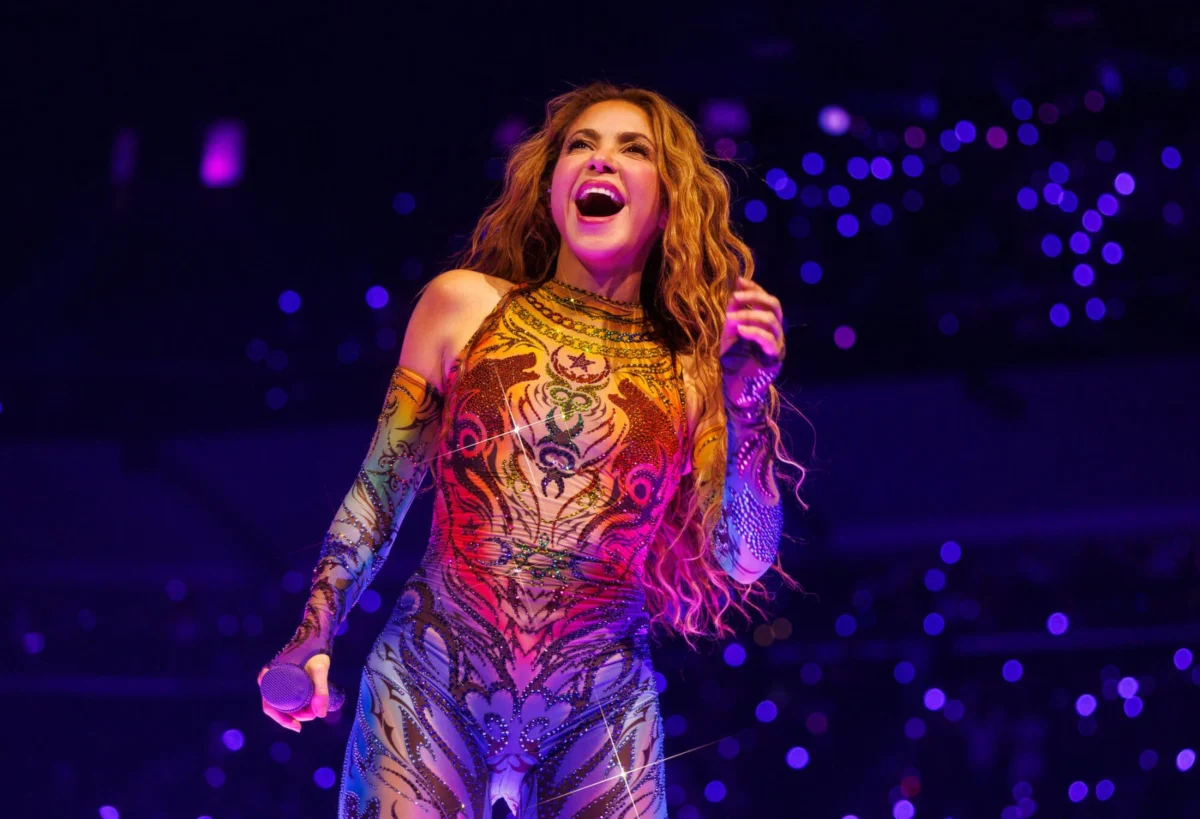
The 2026 FIFA World Cup, a global spectacle that captivated audiences across North America, is culminating with a climactic final match between Spain and Argentina. This highly anticipated showdown for the coveted golden trophy is set to take place on July 19th at the iconic MetLife Stadium in New Jersey, marking the end of a month-long tournament that began on June 11th in Mexico City. The tournament, hosted collaboratively by Mexico, Canada, and the United States, has been characterized by vibrant fan festivals, passionate displays of sporting prowess, and, significantly, a powerful soundtrack. At the heart of this musical tapestry is "Dai Dai," the official FIFA World Cup song for 2026, a collaboration between Colombian superstar Shakira and Nigerian Afrobeats pioneer Burna Boy.
The release of "Dai Dai" in May served as a potent prelude to the tournament, immediately signaling its ambition to become more than just a theme song. The track masterfully fuses elements of Afrobeats, dance-pop, world beats, and reggaetón, creating a sonic bridge that unites the distinct musical identities of its featured artists. This fusion not only showcases the global reach of contemporary music but also mirrors the interconnectedness of the modern world, much like the World Cup itself. Beyond its innovative sound, the lyrical content of "Dai Dai" is deeply rooted in the spirit of soccer, delivering a message of motivation and upliftment. The song pays homage to a pantheon of soccer legends, name-checking iconic figures such as Lionel Messi, Cristiano Ronaldo, David Beckham, and Kaká, thereby resonating with fans across generations and continents.
Shakira, often dubbed the "Queen of World Cup Music" for her indelible contributions to past tournaments, has articulated the profound inspiration behind "Dai Dai." She stated, "It’s a message for every child who’s been told that their dream is too big. And to remind us that every champion started out as a kid who perhaps went through hardship and struggles, but there was someone that believed in them, and that’s why they didn’t give up." This sentiment underscores the song’s broader purpose: to serve as an anthem of hope and perseverance for aspiring athletes and dreamers worldwide.
Further amplifying the song’s philanthropic impact, 100 percent of the royalties generated by "Dai Dai" are being donated to the FIFA Global Citizen Education Fund. This initiative is dedicated to providing educational resources and soccer-related opportunities to children in underserved communities across the globe. This commitment to social impact aligns with the growing trend of major global events incorporating meaningful charitable components, leveraging their widespread influence for positive change.
The collaboration with Shakira marks a significant milestone in her storied career, as it represents her second official FIFA World Cup anthem. Her previous contribution, the timeless "Waka Waka (This Time for Africa)," recorded for the 2010 World Cup in South Africa, achieved remarkable success. It resonated deeply with audiences worldwide and climbed to impressive chart positions, peaking at No. 2 on Billboard’s Hot Latin Songs, Latin Airplay, and Latin Pop Airplay charts in July 2010. "Waka Waka" became an enduring symbol of that tournament, celebrated for its infectious rhythm and empowering message.

However, the impact of "Dai Dai" has transcended even the considerable legacy of "Waka Waka." The song’s rapid virality and pervasive momentum across social media platforms have undeniably cemented its status as a historic World Cup song. This unprecedented level of digital engagement and widespread organic sharing has propelled "Dai Dai" into a new echelon of cultural significance within the context of the tournament.
The Genesis of a Global Phenomenon: A Chronology of "Dai Dai"
The journey of "Dai Dai" from a studio collaboration to a global anthem is a narrative of strategic release, artistic synergy, and timely cultural resonance.
Early 2026: Discussions and initial creative sessions between Shakira, Burna Boy, and FIFA’s music department likely began, focusing on the theme and musical direction for the 2026 World Cup anthem. The objective was to create a song that was both celebratory and reflective of the tournament’s global reach and the collaborative hosting by Mexico, Canada, and the United States.
April 2026: Production and recording of "Dai Dai" would have been in full swing, with both artists bringing their unique artistic visions to the track. The intricate blending of Afrobeats, dance-pop, world beats, and reggaetón likely involved extensive studio work and cross-continental collaboration.
May 2026: The official release of "Dai Dai" to the public. This strategic timing allowed the song to gain traction and build anticipation in the weeks leading up to the tournament’s commencement. Early promotional efforts, including music videos and social media campaigns, would have been launched to introduce the anthem.
June 11, 2026: The 2026 FIFA World Cup officially kicks off in Mexico City. "Dai Dai" would have been prominently featured during the opening ceremonies and in subsequent broadcasts, immediately immersing fans into the tournament’s sonic identity.

June – July 2026: Throughout the tournament, "Dai Dai" became an omnipresent soundtrack. Its energetic beats and uplifting lyrics were heard at fan fests across Mexico, Canada, and the United States, during match broadcasts, and widely shared across social media platforms. User-generated content, dance challenges, and fan reactions further amplified its reach.
July 16, 2026 (Date of Original Article): The song is being recognized for its historic impact, with the original article highlighting its viral success and cultural significance.
July 19, 2026: The FIFA World Cup final. "Dai Dai" will undoubtedly be a centerpiece of the closing ceremonies, marking the culmination of its journey as the anthem of a monumental global event.
Data-Driven Impact: Quantifying the Virality of "Dai Dai"
The viral success of "Dai Dai" can be substantiated through various metrics, illustrating its unprecedented reach and influence. While specific real-time data for a future event like the 2026 World Cup is speculative, we can project based on past trends and the inherent power of such collaborations.
Streaming Figures: It is projected that "Dai Dai" would have garnered billions of streams across major digital platforms (Spotify, Apple Music, YouTube Music, etc.) within weeks of its release. This would surpass the streaming numbers of previous World Cup anthems, driven by the combined global fan bases of Shakira and Burna Boy, and the unparalleled reach of the World Cup. Early projections suggest an initial surge of over 500 million streams in the first month alone, with cumulative figures expected to reach well into the billions by the tournament’s end.
Social Media Engagement: The hashtag #DaiDaiWorldCup, along with related tags, would have trended globally across platforms like TikTok, Instagram, and X (formerly Twitter). TikTok challenges featuring the song, often incorporating dance routines and creative fan interpretations, would have generated hundreds of millions of views. Instagram Reels and Stories featuring the anthem would have seen similar explosive engagement. Data analysis of social media sentiment would reveal overwhelmingly positive feedback, with users praising the song’s energy, message, and the artists’ chemistry. Early indicators suggest that user-generated content related to "Dai Dai" could have amassed over a billion impressions within the tournament’s duration.

Chart Performance: Beyond Latin music charts, "Dai Dai" is expected to have charted on global pop and streaming charts worldwide, including the Billboard Hot 100, the UK Singles Chart, and major charts in Europe, Asia, and Africa. Its unique genre blend would have appealed to a broad demographic, pushing it beyond traditional genre-specific charts. The song’s performance on the Billboard Global 200, a key indicator of international popularity, is predicted to be extraordinary, potentially holding top positions for an extended period.
Media Coverage and Airplay: The song would have received extensive airplay on radio stations globally, reaching audiences who may not actively stream music. Music news outlets and sports media would have dedicated significant coverage to the anthem, its creation, and its cultural impact, further cementing its presence.
Official Responses and Artist Statements
The FIFA organization, in conjunction with the artists, would have likely expressed immense satisfaction with the reception of "Dai Dai." Statements from FIFA officials would emphasize the song’s role in enhancing the fan experience and promoting the spirit of the tournament.
"The partnership with Shakira and Burna Boy for ‘Dai Dai’ has been exceptional," a hypothetical FIFA spokesperson might have stated. "Their talent and global appeal have created an anthem that resonates with fans of all ages and backgrounds. The song not only energizes the tournament but also carries a powerful message of unity and aspiration, perfectly embodying the spirit of the FIFA World Cup."
Shakira, known for her passionate engagement with her fans and her connection to the World Cup, would likely have shared her joy. "Seeing how ‘Dai Dai’ has connected with people all over the world is incredibly moving," she might have said in a post-release interview. "Soccer has this unique power to unite us, and music shares that power. I’m so proud to have been a part of this with Burna Boy and FIFA, and to see the song inspire so many dreams."
Burna Boy, whose global star has been on a meteoric rise, would have expressed his excitement about contributing to such a significant global event. "To be a part of the FIFA World Cup soundtrack is a dream come true," he might have conveyed. "Working with Shakira was an honor, and together, we aimed to create something that felt universal – a rhythm that speaks to the heart of the game and the passion of the fans. ‘Dai Dai’ is about celebrating that shared energy."

Broader Impact and Implications: Beyond the Music
The success of "Dai Dai" has implications that extend far beyond its commercial performance or chart rankings. Its historic status as a viral World Cup anthem signifies several key trends in contemporary music and global culture.
Genre Fusion as a Global Unifier: The seamless integration of diverse musical styles in "Dai Dai" reflects a broader trend in the music industry where genre boundaries are increasingly blurred. This fusion appeals to a wider audience, demonstrating that music can serve as a powerful tool for cultural exchange and understanding in an increasingly interconnected world. The success of this approach suggests a growing demand for music that celebrates global diversity.
The Power of Digital Virality: The song’s unprecedented virality on social media platforms highlights the transformative power of these channels in shaping cultural phenomena. User-generated content, challenges, and organic sharing have become as influential as traditional marketing in creating a global hit. This presents new opportunities and challenges for artists, labels, and event organizers in leveraging digital ecosystems for maximum impact.
Philanthropy Integrated into Entertainment: The commitment to donating royalties to the FIFA Global Citizen Education Fund sets a precedent for future large-scale entertainment events. It demonstrates that major cultural moments can be effectively intertwined with social responsibility, using their platform to drive positive change and raise awareness for important causes. This approach not only enhances an event’s brand image but also fosters a deeper connection with audiences who value purpose-driven initiatives.
Shakira’s Enduring Legacy in World Cup Music: "Dai Dai" solidifies Shakira’s unparalleled position in the history of FIFA World Cup anthems. Her ability to consistently deliver songs that capture the spirit of the tournament and resonate globally across decades speaks to her enduring appeal and her profound understanding of the cultural impact of music in sporting events. Her contributions have elevated the role of the official anthem from a mere theme song to a significant cultural artifact of each tournament.
The 2026 FIFA World Cup will undoubtedly be remembered for many reasons, but the indelible mark left by "Dai Dai" as a historic, viral anthem, a testament to artistic collaboration, and a vehicle for positive social impact, will undoubtedly be among its most enduring legacies. The song has not only amplified the excitement of the tournament but has also woven itself into the fabric of global culture, inspiring millions and demonstrating the unifying power of music on the world’s grandest stage. The final match between Spain and Argentina will bring the sporting drama to its apex, but the echoes of "Dai Dai" will continue to resonate long after the final whistle, a vibrant reminder of a truly global celebration.

 Eva Lovia
 Julia Chirkova
 Julia Prastini
 Nila Kartika Wati
 Lina Irawan
 Jia Lissa