
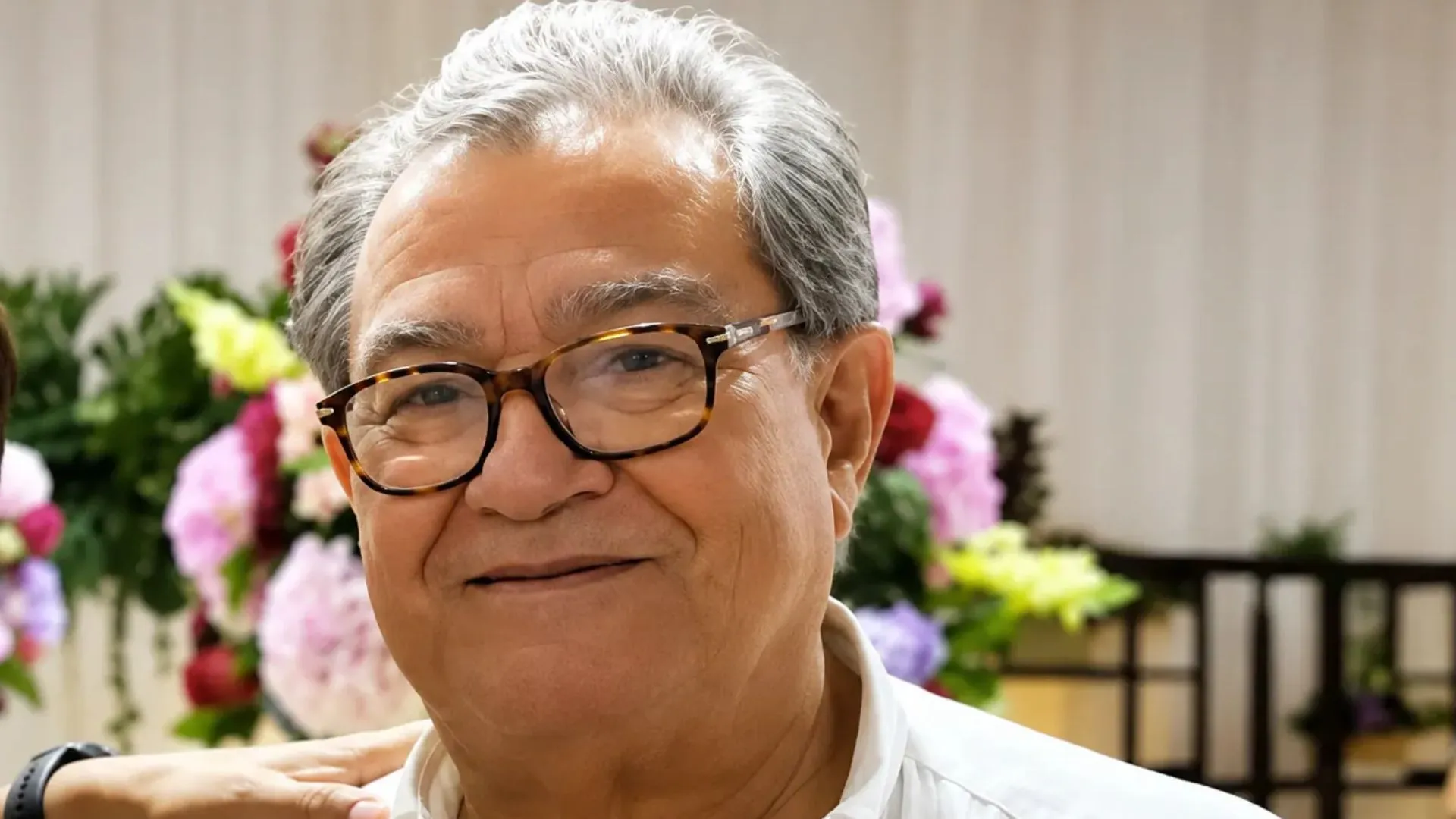
The vibrant tapestry of Vallenato music and culture has lost a significant thread with the passing of Darío Pavajeau Molina, a distinguished figure whose life was inextricably woven into the promotion and preservation of Colombia’s beloved folkloric genre. A former mayor of Valledupar and a dedicated cultural manager, Pavajeau Molina’s legacy is deeply etched in the traditions of the Cesar department, leaving behind a void that will be keenly felt by artists, cultural institutions, and the countless individuals who benefited from his tireless advocacy.
The Foundation Festival de la Leyenda Vallenata, the preeminent organization dedicated to celebrating and safeguarding Vallenato heritage, was the first to publicly announce the heartbreaking news. In a poignant statement released through its official channels, the foundation conveyed its profound sorrow and extended deepest condolences to Pavajeau Molina’s family and friends. "We lament the passing of Darío Pavajeau Molina, a member of the Board of Directors of the Foundation Festival de la Leyenda Vallenata, and we present our condolences to his family and friends. Peace be upon his tomb," the foundation expressed, underscoring his integral role within their leadership.
Pavajeau Molina’s association with the Festival de la Leyenda Vallenata was more than just a formal appointment; it represented a decades-long commitment to nurturing the soul of Vallenato. As a member of the Board of Directors, he was instrumental in steering initiatives aimed at preserving the rich history of the juglares – the legendary troubadours who are the lifeblood of the genre – and ensuring the enduring cultural significance of Vallenato music for future generations. His tenure was characterized by a deep understanding of the genre’s roots and a proactive approach to its continued relevance in a rapidly evolving cultural landscape.
Beyond his direct involvement with the festival, Pavajeau Molina’s influence extended throughout Valledupar and the broader Cesar department. His work as a cultural manager was widely recognized and lauded, as he consistently championed initiatives designed to protect and disseminate the region’s unique cultural expressions. His public service as mayor of Valledupar provided him with a platform to further embed cultural preservation within municipal policy, advocating for the arts and traditions that define the identity of his homeland.
A Legacy of Recognition and Cultural Stewardship
The impact of Darío Pavajeau Molina’s dedication to Vallenato culture was formally acknowledged on numerous occasions throughout his distinguished career. One of the most significant tributes occurred in 2018 during the prestigious Festival Tierra de Compositores in Patillal. On this hallowed ground, renowned for its Vallenato songwriting heritage, Pavajeau Molina was bestowed with the honor of being declared an adoptive son of the corregimiento (administrative subdivision). This profound recognition was further amplified when he was awarded the Medalla María Concepción Loperena, in the category of distinguished citizen. This accolade, named after a revered historical figure, specifically recognized his substantial contributions and unwavering commitment to the cultural traditions of Cesar and the promotion of Vallenato’s deep-rooted heritage.
The award ceremony in Patillal was more than just a presentation of an honor; it was a testament to the widespread respect and admiration Pavajeau Molina commanded within the Vallenato community. It symbolized the deep connection he fostered between the urban centers and the rural heartlands where Vallenato music often finds its most authentic expression. The Medalla María Concepción Loperena, a symbol of civic excellence, served as a powerful affirmation of his role as a guardian and promoter of the cultural wealth of the region.
This significant recognition was not an isolated incident but rather a culmination of a career dedicated to the cultural enrichment of Cesar. It stood alongside other accolades and acknowledgments that underscored his consistent engagement with cultural forums and his profound bond with the Festival de la Leyenda Vallenata. These honors collectively paint a portrait of a man who not only appreciated Vallenato but actively worked to ensure its survival and flourishing.
A Bridge Between Cultures: Reflections on a Life Well-Lived
The news of Darío Pavajeau Molina’s passing resonated deeply within Colombia’s cultural and journalistic circles, prompting heartfelt tributes from prominent figures. Among those who shared their reflections was the esteemed journalist and writer Daniel Samper Pizano. Samper Pizano, a keen observer of Colombian society and culture, specifically highlighted Pavajeau Molina’s pivotal role in fostering cultural exchange and understanding between different regions of the country.
"He was one of the most steadfast bridges through which fraternity circulated between cachacos (people from Bogotá) and vallenatos," Samper Pizano eloquently stated in his tribute. This sentiment speaks volumes about Pavajeau Molina’s ability to transcend regional divides and build connections through the shared love of Vallenato. His efforts likely involved facilitating collaborations, promoting cultural exchanges, and fostering a national appreciation for the genre, thereby strengthening the cultural fabric of Colombia. Samper Pizano further extended his deepest sympathies to Pavajeau Molina’s wife, children, grandchildren, and to all the inhabitants of Cesar who mourn his departure, acknowledging the widespread impact of his loss.
The recognition of Pavajeau Molina’s contributions extends beyond his institutional roles. His name became synonymous with initiatives dedicated to promoting Vallenato folklore and advocating for the preservation of the cultural expressions that form an intrinsic part of Cesar’s identity. His influence was felt not just in formal settings but in the everyday conversations, artistic endeavors, and community events that celebrated the spirit of Vallenato. He was a catalyst for cultural pride, encouraging a deeper connection to ancestral traditions.
The Enduring Significance of a Cultural Advocate
As a member of the Board of Directors of the Foundation Festival de la Leyenda Vallenata, Pavajeau Molina was intrinsically linked to an institution that has, for decades, been at the forefront of conserving and promoting this vital musical tradition. His involvement ensured that the foundation’s work remained grounded in a deep respect for the genre’s origins and a forward-looking vision for its future. His participation provided valuable leadership and strategic direction, contributing to the festival’s continued success as a global showcase for Vallenato.
The foundation’s disclosures indicate that his contributions were specifically focused on supporting initiatives that honored the juglares and championed the enduring legacy of Vallenato traditions. This suggests a commitment to both historical preservation and the ongoing creation of new Vallenato music, recognizing that both are essential for the genre’s vitality. His efforts likely involved advocating for funding, supporting educational programs, and championing policies that protected traditional Vallenato musicians and their craft.
The news of his passing, therefore, represents a significant loss for the cultural sectors that benefited from his dedication and for those who recognized him as a pivotal figure in the promotion of Vallenato folklore. His absence leaves a void in the leadership and advocacy for this cherished Colombian art form.
A Community in Mourning: Looking Ahead
As of the time of this report, the specific causes of Darío Pavajeau Molina’s death have not been officially disclosed. Similarly, details regarding his funeral arrangements or any public ceremonies to commemorate his life and contributions are yet to be released. It is anticipated that his family will provide further information regarding these arrangements in due course.
In the interim, the Foundation Festival de la Leyenda Vallenata and countless individuals connected to the Vallenato culture have united in expressing their profound grief and offering heartfelt condolences. Their collective sentiment underscores the significant void left by the departure of a man who, for many years, was a dedicated force in the tireless efforts to preserve and promote the rich musical traditions of the Cesar department. His legacy, however, will undoubtedly endure through the music he championed and the cultural institutions he helped to strengthen. The spirit of Vallenato, enriched by his life’s work, will continue to resonate, a testament to his enduring impact.

0 Comments