
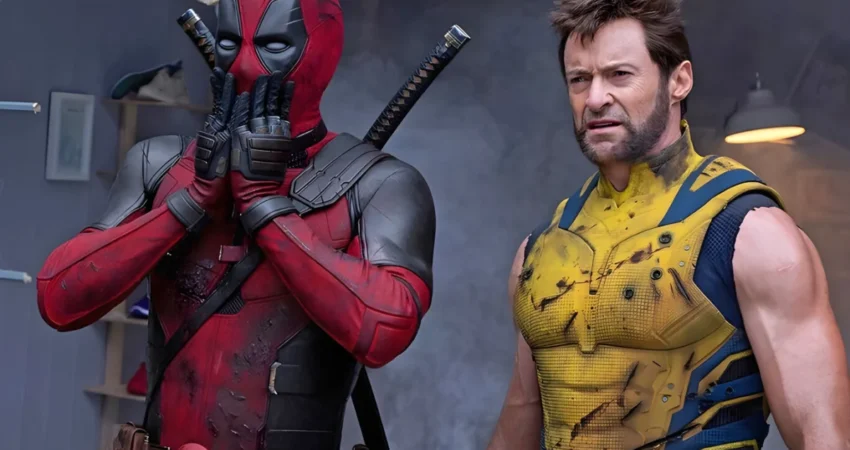
The Marvel Cinematic Universe (MCU) has undergone a significant period of transformation, shifting from the definitive conclusion of the Infinity Saga to a more complex, albeit sometimes fragmented, Multiverse Saga. Before the recent high-profile announcement that Robert Downey Jr. would return to the franchise as the villainous Victor von Doom in the upcoming Avengers: Doomsday, the franchise faced mounting criticism regarding its narrative direction and box office consistency. However, the release of Deadpool & Wolverine in 2024 served as a pivotal turning point, not only revitalizing public interest through a calculated blend of nostalgia and fan service but also establishing the foundational lore necessary for the next generation of Avengers films. As the film transitions to its permanent home on the Disney+ streaming platform, its status has been elevated from a standalone summer blockbuster to an essential piece of the MCU’s overarching architectural puzzle.
The Narrative Foundation: From Fox Legacy to MCU Integration
The central premise of Deadpool & Wolverine begins with Wade Wilson, portrayed by Ryan Reynolds, attempting to find a sense of purpose after his previous exploits. The story finds Wilson having retired from his mercenary lifestyle following a failed attempt to join the Avengers. This meta-narrative choice serves a dual purpose: it acknowledges the character’s transition from the 20th Century Fox era to the Disney-owned Marvel Studios while grounding the character in a relatable quest for significance.
The plot is set into motion when the Time Variance Authority (TVA)—a bureaucratic organization first introduced in the Loki television series—intervenes in Wilson’s life. Mr. Paradox, a high-ranking TVA official, informs Wilson that his timeline is deteriorating following the death of its "Anchor Being," a concept introduced to explain why certain universes fail when their most significant inhabitant dies. In Wilson’s universe, that being was the Logan (Wolverine) who perished in the events of the 2017 film Logan. Refusing to allow his world and his loved ones to be erased, Deadpool embarks on a multiversal journey to find a replacement Wolverine, eventually teaming up with a "worst-case scenario" variant of the character, played by Hugh Jackman.

This partnership takes them to the Void, a desolate wasteland at the end of time where the TVA discards remnants of pruned timelines. This setting serves as a narrative graveyard for characters from the 20th Century Fox era, allowing the film to pay homage to the pre-MCU era of Marvel filmmaking while effectively closing those chapters to make room for a unified future.
Commercial Performance and Statistical Milestones
The financial success of Deadpool & Wolverine was unprecedented for an R-rated feature. Upon its theatrical debut, the film shattered multiple records, ultimately grossing over $1.338 billion at the global box office. This achievement surpassed the record previously held by Joker (2019), making it the highest-grossing R-rated film of all time.
The film’s performance is characterized by the following data points:
- Opening Weekend: It secured a domestic opening of $211.4 million, the largest ever for an R-rated film and the sixth-largest opening in cinematic history.
- International Reach: The film saw massive returns in key markets, including the United Kingdom, China, and Mexico, demonstrating the global appeal of the Reynolds-Jackman pairing.
- Critical Reception: Beyond financial metrics, the film maintained a 78% "Certified Fresh" rating from critics on Rotten Tomatoes, while its audience score surged to 94%, indicating a rare alignment between commercial viability and fan satisfaction.
Industry analysts suggest that the film’s success was driven by a "perfect storm" of factors: the return of Hugh Jackman to his most iconic role, the first R-rated entry in the Disney-era MCU, and a marketing campaign that leaned heavily into the real-life friendship between the two lead actors.

A Chronology of the Fox-Marvel Transition
To understand the weight of Deadpool & Wolverine, one must examine the timeline of the 20th Century Fox acquisition. Disney’s purchase of Fox in 2019 brought the rights to the X-Men, the Fantastic Four, and Deadpool back to Marvel Studios. For years, fans speculated on how these characters would be integrated into a franchise that had largely avoided the "mutant" narrative.
- 2019: Disney completes the acquisition of 21st Century Fox assets.
- 2020-2022: Marvel Studios focuses on Phase 4, introducing the Multiverse in Spider-Man: No Way Home and Doctor Strange in the Multiverse of Madness.
- September 2022: Ryan Reynolds and Hugh Jackman officially announce the development of a third Deadpool film featuring Wolverine.
- July 2024: The film is released, serving as the official bridge that brings Fox-era characters into the sacred timeline of the MCU.
The film utilized "The Void" as a clever plot device to reintroduce characters that had been dormant for decades. Cameos included Chris Evans as Johnny Storm (The Human Torch) from the 2005 Fantastic Four, Jennifer Garner as Elektra, Wesley Snipes as Blade, and Dafne Keen as X-23. Perhaps most notably, Channing Tatum appeared as Gambit, finally portraying the character after a decade of stalled solo film developments. These appearances were not merely aesthetic; they established that all previous Marvel films exist within the broader MCU Multiverse, a concept that will be central to the upcoming Avengers: Doomsday.
Strategic Implications for Avengers: Doomsday
Marvel Studios has recently identified Deadpool & Wolverine as one of the 15 "essential" titles to view before the release of Avengers: Doomsday in 2026. This classification stems from the film’s exploration of the Multiverse and the mechanics of the TVA.
The introduction of "Anchor Beings" provides a potential motive for the upcoming conflict involving Doctor Doom. If the stability of an entire universe depends on a single individual, a multiversal threat like Doom could systematically destabilize reality by targeting these beings. Furthermore, the film concludes with both Deadpool and Wolverine residing in the same universe, effectively placing them on the board for future ensemble appearances.
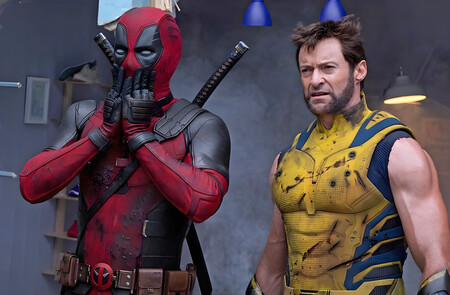
The film also serves as a tonal experiment. By successfully integrating an R-rated, fourth-wall-breaking character into the PG-13 framework of the MCU, Marvel has demonstrated that it can maintain a diverse range of storytelling styles within a single continuity. This flexibility will be crucial as the franchise moves toward a more mature and complex narrative involving the stakes of multiversal collapse.
Production Reactions and Creative Vision
The creative team, led by director Shawn Levy, emphasized that the film was intended as a "two-hander" rather than a traditional sequel. Statements from Marvel Studios President Kevin Feige indicated a commitment to preserving the "Deadpool" brand’s irreverence. "It’s amazing to see what happens when you have two of the biggest movie stars in the world in their most iconic roles," Feige noted during the film’s press tour. "It wasn’t just about the jokes; it was about the heart and the legacy of the characters that fans have grown up with for over twenty years."
Ryan Reynolds, who also served as a producer and co-writer, described the process as a tribute to the "misfit toys" of the Fox era. The film’s ability to balance crude humor with genuine pathos—particularly regarding Wolverine’s failure to save his own world—has been cited by audiences as its strongest attribute.
Broader Impact on the Film Industry
The success of Deadpool & Wolverine has broader implications for the superhero genre, which many critics had labeled as "declining." The film proved that audience fatigue is often a reaction to formulaic storytelling rather than the genre itself. By prioritizing character dynamics and utilizing nostalgia as a narrative tool rather than a gimmick, the film re-engaged a disillusioned fan base.

Furthermore, the film’s R-rating and subsequent $1 billion-plus gross have challenged the long-held industry belief that adult-oriented superhero films have a limited ceiling. This success may pave the way for more mature entries in the MCU, such as the upcoming Blade reboot or future X-Men projects.
Conclusion and Streaming Availability
As the MCU prepares for the arrival of Doctor Doom and the eventual events of Avengers: Secret Wars, Deadpool & Wolverine stands as the definitive link between the past and the future. It successfully liquidated the assets of the Fox era while enriching the current MCU lore with the concepts of the Void and Anchor Beings.
For viewers looking to catch up on the essential components of the Multiverse Saga, Deadpool & Wolverine is currently available for streaming on Disney+. Its inclusion on the platform allows fans to dissect the various Easter eggs and multiversal hints that will undoubtedly pay off when the Avengers reunite to face their greatest threat yet. In the landscape of modern cinema, the film is more than just a comedy; it is a strategic pillar that has ensured the MCU remains a dominant cultural force for years to come.

0 Comments