
The Minimalist Paradigm: Redefining White for the Autumnal Transition
The traditional fashion calendar once dictated that white garments be retired following the conclusion of August, a rule that has been systematically dismantled by contemporary designers. For the 2026 fall season, Calvin Klein has introduced a signature look that prioritizes structural clarity and comfort without succumbing to the tropes of summer resort wear. The ensemble consists of wide-leg white trousers paired with a tonal shirt, emphasizing a silhouette that allows for movement and breathability while maintaining a professional veneer.
Industry analysts note that this "urban white" aesthetic serves a specific psychological and functional purpose. Unlike the romantic or bohemian whites associated with coastal vacations, this iteration is architectural and precise. The use of heavier textiles, such as structured cotton poplin and wool blends, allows these garments to transition into cooler temperatures. Data from retail tracking firms indicate that searches for "winter white" and "trans-seasonal minimalism" have increased by 22% compared to the previous year, suggesting a consumer desire for a clean, organized visual palette that counters the typical influx of dark grays and browns associated with the fourth quarter.

The choice of accessories in this minimalist framework further reinforces a "less is more" philosophy. By opting for flat shoes and intentionally small handbags, the look rejects the "baggage" of traditional office attire. This aesthetic choice signals a shift in professional values, where the ability to edit one’s necessities down to the essentials is viewed as a form of modern luxury.
The Rise of Dopamine Dressing: Isabel Marant and the Red Denim Movement
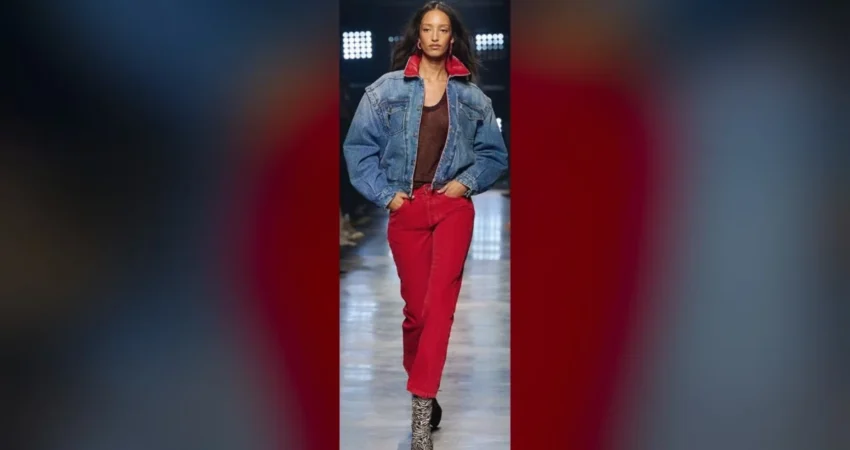
In stark contrast to the depurated lines of minimalism, the 2026 "rentrée" is also defined by a surge in bold, expressive color palettes. Isabel Marant’s recent collections have placed a particular emphasis on vibrant red denim, a choice that challenges the ubiquity of blue and black jeans in the workplace. The ensemble—composed of red trousers, a transparent base layer, and a denim jacket featuring a contrasting red collar—represents a fusion of utilitarianism and provocation.
This trend is often categorized under "dopamine dressing," a movement where clothing is utilized specifically to enhance the wearer’s mood and confidence. The integration of animal print footwear, specifically zebra and leopard motifs, adds a layer of complexity to the outfit. Fashion historians suggest that the resurgence of animal prints in 2026 serves as a "new neutral," providing a textured counterpoint to solid, high-saturation colors.

Market reports from the third quarter of 2026 show that "statement denim" has become a primary driver of growth in the premium contemporary segment. Consumers are increasingly seeking pieces that offer a "casual-plus" aesthetic—items that are as comfortable as standard leisurewear but possess enough visual interest to function as professional attire in creative and hybrid work environments.
The Evolution of Accessories: Functionality and Aesthetic Shifts
The 2026 season is also marked by a significant transformation in the leather goods and accessories market. Leading the charge is the revival of the "pocket bag," a trend heavily influenced by the Chanel 25 model. This design philosophy prioritizes external organization, featuring multiple exterior compartments that blend aesthetic appeal with practical utility.
Retailers such as Mango and Pull&Bear have rapidly adapted this high-fashion trend for the mass market, signaling a widespread demand for "utility-chic." The chronology of this trend can be traced back to the spring 2026 runways, where designers moved away from the "micro-bag" craze toward silhouettes that acknowledge the complexities of modern life.

In addition to structural changes, a color shift is occurring in the accessory sector. Chocolate brown has emerged as the primary alternative to black for the 2026/27 fall-winter cycle. According to color trend forecasters, this shift toward warmer, earthier tones reflects a broader cultural move toward "quiet luxury" and "stealth wealth," where quality of material and subtlety of hue are prioritized over overt branding.
Chronology of the 2026 Fall Fashion Cycle
The development of these trends followed a distinct timeline that began in early 2026:
- February 2026: Fall/Winter collections debuted in New York, London, Milan, and Paris. Designers showcased a move toward "un-seasonal" dressing, with heavy emphasis on whites and vibrant reds.
- May 2026: Pre-fall collections solidified the importance of "utility-chic" accessories, specifically the resurgence of multi-pocket handbags.
- August 2026: High-street retailers (Zara, Massimo Dutti, H&M) began stocking "transitional" pieces, including wide-leg white trousers and red denim, targeting the back-to-work demographic.
- September 2026: The official "rentrée" saw these trends move from the runway to urban streets, with social media data showing a 40% increase in "outfit of the day" posts featuring monochromatic white or bold red denim.
Market Analysis and Consumer Implications
The divergence between the minimalist "Calvin Klein" style and the maximalist "Isabel Marant" style highlights a fragmented consumer base. Economic data suggests that high-income earners are gravitating toward minimalist, high-quality staples that offer longevity—a concept known as "investment dressing." Conversely, younger demographics, particularly Gen Z and younger Millennials, are driving the demand for bold colors and eclectic prints, viewing fashion as a tool for personal branding and identity expression.

Sustainability also plays a crucial role in these trends. The "urban white" look relies on the idea of the "capsule wardrobe," where fewer, higher-quality pieces are rotated throughout the year. Meanwhile, the bold denim trend focuses on "upcycled aesthetics," where traditional workwear materials are reimagined through new dyes and cuts to extend their lifecycle.
Official Responses and Industry Sentiment
Industry leaders have noted that the 2026 season represents a "stabilization" of post-pandemic fashion. "We are seeing a rejection of the ‘uniform’ in favor of ‘intentionality,’" stated a lead buyer for a major European department store. "Whether a customer chooses the serenity of an all-white look or the energy of red denim, the common thread is a desire to return to the public sphere with a clear, self-assured aesthetic."
Designers have also commented on the necessity of balancing comfort with structure. The prevalence of flat shoes—from sleek loafers to architectural ballet flats—across both minimalist and maximalist looks suggests that the industry has permanently moved away from the discomfort of high-heeled footwear for daily professional use.

Broader Impact on the Fashion Landscape
As the 2026 fall season progresses, the implications of these trends extend beyond individual wardrobes. The success of "un-seasonal" colors like white in autumn is forcing textile manufacturers to innovate, creating fabrics that offer the visual lightness of summer materials with the thermal properties required for winter.
Furthermore, the "pocket bag" trend is influencing the tech industry, as hardware designers look to create devices that fit seamlessly into these newly organized accessory silhouettes. The shift toward chocolate brown is also impacting the beauty and home decor sectors, leading to a cohesive "warm-minimalist" aesthetic that defines the current cultural moment.
In conclusion, the 2026 "rentrée" is defined by a sophisticated negotiation between the need for professional order and the desire for personal expression. By dismantling old rules regarding seasonal colors and embracing a more versatile approach to silhouettes and accessories, the fashion industry is providing a blueprint for a modern, urban lifestyle that is both practical and visually compelling. Whether through the quiet confidence of a white suit or the defiant energy of red denim, the message of the season is clear: the most important element of returning to routine is doing so as an authentic version of oneself.

0 Comments