
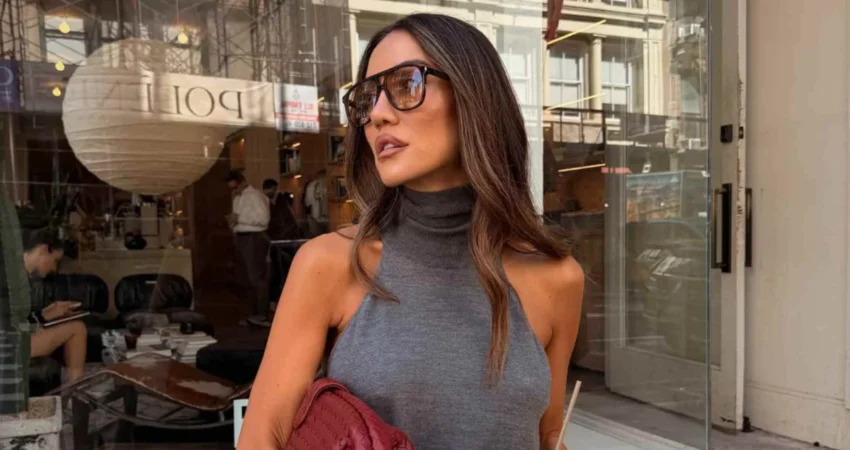
The global beauty and professional hair styling industry has officially identified "espresso hair" as the dominant coloration trend for the upcoming cold weather months, signaling a decisive shift away from the high-contrast blondes and warm coppers that characterized previous seasons. This transition marks a significant evolution in the "quiet luxury" aesthetic, prioritizing depth, multidimensional shine, and a sophisticated take on natural brunette tones. Leading the movement is entrepreneur and style icon Hailey Bieber, whose recent collaboration with celebrity colorist Matt Rez has set the standard for this deep, coffee-inspired palette. As the industry moves into the latter half of 2026, the espresso hair phenomenon is being characterized not merely as a color choice, but as a technical achievement in hair health and light reflectivity.
Technical Definition and Aesthetic Foundations
Espresso hair is defined as a deep, rich brunette shade that sits on the cusp of black without ever fully surrendering its brown undertones. Unlike traditional jet-black dyes, which can often appear flat or "inky," the espresso palette relies on a balance of cool and neutral tones to mimic the complexity of a freshly brewed shot of coffee. The trend is fundamentally rooted in the concept of "expensive brunette," a term coined in recent years to describe low-maintenance yet high-impact color that emphasizes the hair’s structural integrity and natural luster.

According to Iván Navarta López, an education specialist at Goldwell, the hallmark of this trend is its "mirror-like" finish. The goal is to create a surface that reflects light so efficiently that the hair appears to have a glass-like coating. This is achieved through a combination of permanent base colors and acidic glosses that seal the cuticle. The result is a color that intensifies the wearer’s gaze and sharpens facial features, providing a level of elegance that aligns with the broader fashion industry’s current lean toward minimalism and refined silhouettes.
The Evolution of the Trend: A Celebrity Chronology
The ascent of espresso hair can be traced through a deliberate series of transformations among Hollywood’s most influential figures. The most notable trajectory belongs to Hailey Bieber, who has served as a primary barometer for hair trends over the last five years.
- The Golden Era (2020-2022): Bieber was primarily known for her "Californian Blonde" and high-contrast highlights, a look that dominated the "Clean Girl" aesthetic of the early 2020s.
- The Bronde Transition (2023-2024): In a move toward more natural maintenance, Bieber transitioned to "bronde"—a hybrid of brown and blonde—and later experimented with "honey-glazed" tones.
- The Copper Interlude (Early 2025): Like many celebrities, she briefly explored warm, reddish-brown hues, following the global surge in "cowboy copper" popularity.
- The Espresso Arrival (Autumn 2026): Collaborating with Matt Rez—the architect behind the manes of Kendall Jenner and Sofia Vergara—Bieber debuted the espresso shade. This move effectively signaled the end of the copper era and the beginning of the "Deep Brunette" dominance.
Kendall Jenner has also been a stalwart representative of this look, rarely straying from deep, cool-toned browns. Her consistency has reinforced the idea that espresso hair is a timeless, rather than ephemeral, fashion statement. The trend has since permeated international runways, appearing in major shows during the Autumn/Winter 2026/27 fashion weeks in Milan and Paris, where stylists utilized the dark, polished look to complement the structured outerwear and heavy textures of the season.

Supporting Market Data and Consumer Behavior
The shift toward espresso hair is supported by emerging data from salon booking platforms and beauty retailers. According to Danielle Louise, a hair and beauty expert at Fresha, there has been a 35% increase in requests for "gloss treatments" and "tonal darkening" compared to the same period in 2025. This indicates a consumer preference for services that enhance hair health rather than those involving aggressive bleaching or stripping of the hair shaft.
Market analysis suggests three primary drivers for this trend:
- Hair Health Awareness: After years of high-lift blonding, many consumers are experiencing "bleach fatigue." Darker tones allow the hair to recover, as the process typically involves depositing pigment rather than removing it.
- Economic Considerations: Espresso hair is inherently more "low-maintenance" regarding root regrowth. While the shine requires upkeep, the frequency of salon visits for base touch-ups is lower than that of platinum or high-fashion colors.
- The "Quiet Luxury" Influence: As consumers move away from overt displays of styling—such as neon colors or heavy balayage—the subtlety of a deep, uniform espresso shade aligns with the desire for a sophisticated, understated appearance.
Expert Analysis: Suitability and Personalization
A critical component of the espresso hair trend is its versatility. While it is a dark shade, professional stylists emphasize that it is not a "one size fits all" application. The success of the color depends on the colorist’s ability to adjust the temperature of the brown to suit the client’s skin tone.

Álex Sestelo, director of the namesake salon in Madrid, notes that these coffee-inspired shades are particularly flattering for individuals with fair or olive skin. The deep contrast creates a refined image that projects a "polished" look without appearing artificial. However, the technical execution varies significantly based on the starting point. For those with naturally dark hair, the process involves adding cool-toned glazes to eliminate unwanted brassiness. For those transitioning from blonde, a "filling" process is required to ensure the dark color does not appear hollow or translucent.
Alba Esteban, co-founder of Alchemy Lab and ambassador for L’Oréal Professionnel, provides a nuanced warning regarding skin undertones. She suggests that while espresso hair is ideal for olive-skinned individuals, those with extremely pale complexions and very light eyebrows should approach the trend with caution. In such cases, the contrast can be too stark, potentially washing out the wearer’s features. To mitigate this, stylists often recommend a "soft espresso" variant, which incorporates subtle chocolate lowlights to bridge the gap between the dark hair and the light skin.
The Role of Shine and Maintenance
The industry consensus is that espresso hair is only as successful as its level of shine. Without high reflectivity, the color can appear dull and flat, particularly under the harsh lighting of the winter months. This has led to a surge in the "Hair Glazing" market. Professional glazes—non-permanent treatments that coat the hair and add a layer of translucent color—are now being marketed as an essential monthly maintenance step for anyone sporting the espresso shade.

Furthermore, the maintenance of this trend has influenced the product development pipelines of major beauty brands. There is a projected increase in the demand for:
- Sulfate-Free Shampoos: To prevent the premature fading of cool-toned pigments.
- Blue and Green Neutralizing Masks: To counteract the red and orange undertones that naturally emerge in brunette hair over time.
- Lightweight Reflective Oils: To mimic the "Instagram-filter" shine in daily life.
Broader Impact and Implications for the Beauty Industry
The espresso hair trend reflects a broader cultural movement toward "stealth wealth" in beauty. By choosing a color that appears natural—yet is clearly the result of high-end professional intervention—consumers are participating in a form of luxury that is felt rather than seen. This shift has significant implications for salon business models; while traditional high-ticket bleaching services may see a slight decline, they are being replaced by high-frequency "maintenance" services such as glosses, deep conditioning treatments, and precision trims.
Moreover, the trend highlights the growing power of "aesthetic" naming conventions in marketing. By labeling a dark brown shade as "espresso" rather than simply "Level 3 Brown," the industry taps into the sensory associations of warmth, energy, and sophistication. This strategy has proven highly effective on social media platforms like TikTok and Instagram, where the "espresso hair" hashtag has already garnered millions of views ahead of the official winter season.

As we progress through the 2026/27 season, the espresso hair trend is expected to maintain its momentum, eventually evolving into "iced espresso" variants for the spring, featuring slightly cooler, ashier undertones. For now, the focus remains on the deep, comforting richness of the dark roast—a color that provides a sense of groundedness and luxury in an ever-changing fashion landscape. The message from Hollywood and high-end salons is clear: this winter, the most fashionable accessory is a healthy, high-shine mane in the deepest of browns.

0 Comments