
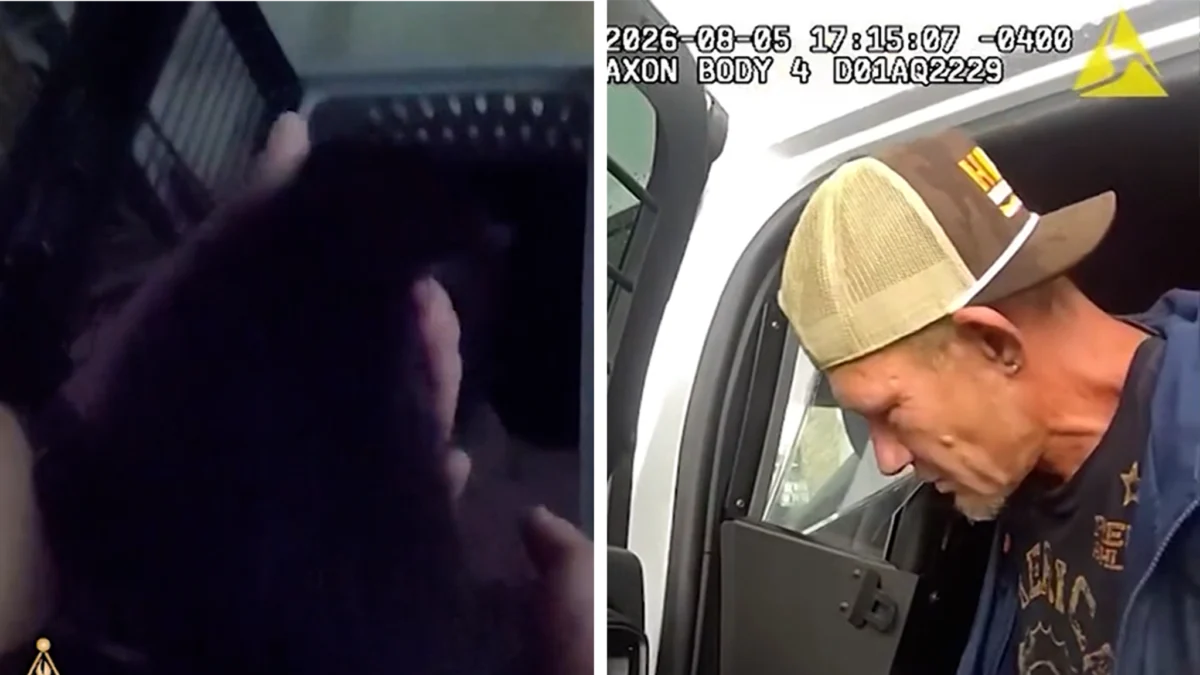
David Charette, a 36-year-old resident of Fort Myers, Florida, has been arrested and charged with aggravated animal cruelty following deeply disturbing allegations that he systematically tortured and killed multiple kittens, using methods including a blow dryer and a rag soaked in bleach. The heinous acts were reportedly committed as a form of twisted punishment directed at his daughter, painting a grim picture of domestic cruelty that extends beyond the animal victims. The Lee County Sheriff’s Office, which made the arrest on Thursday, August 7, 2026, has set Charette’s bail at $100,000, signaling the severe nature of the charges he now faces.
The community of Fort Myers and animal welfare advocates across Florida are reeling from the details emerging from the investigation. The incident underscores the critical importance of public vigilance and the swift action of law enforcement in cases of animal abuse, which often serve as a red flag for other forms of domestic violence.
Disturbing Allegations Emerge from Fort Myers
The investigation into Charette began when Lee County deputies received a critical tip-off regarding a 2-month-old kitten named Luna, who was allegedly being subjected to repeated beatings and attempts at drowning at Charette’s residence. Responding quickly to the urgent call, deputies arrived at the Fort Myers home to find Luna still alive, though undoubtedly traumatized by her ordeal. The kitten was immediately rescued from the perilous environment and transported to an animal hospital, where she is currently receiving vital treatment for her injuries and recovering under professional care. Her survival stands as a testament to the timely intervention of both the concerned tipster and the responding officers.
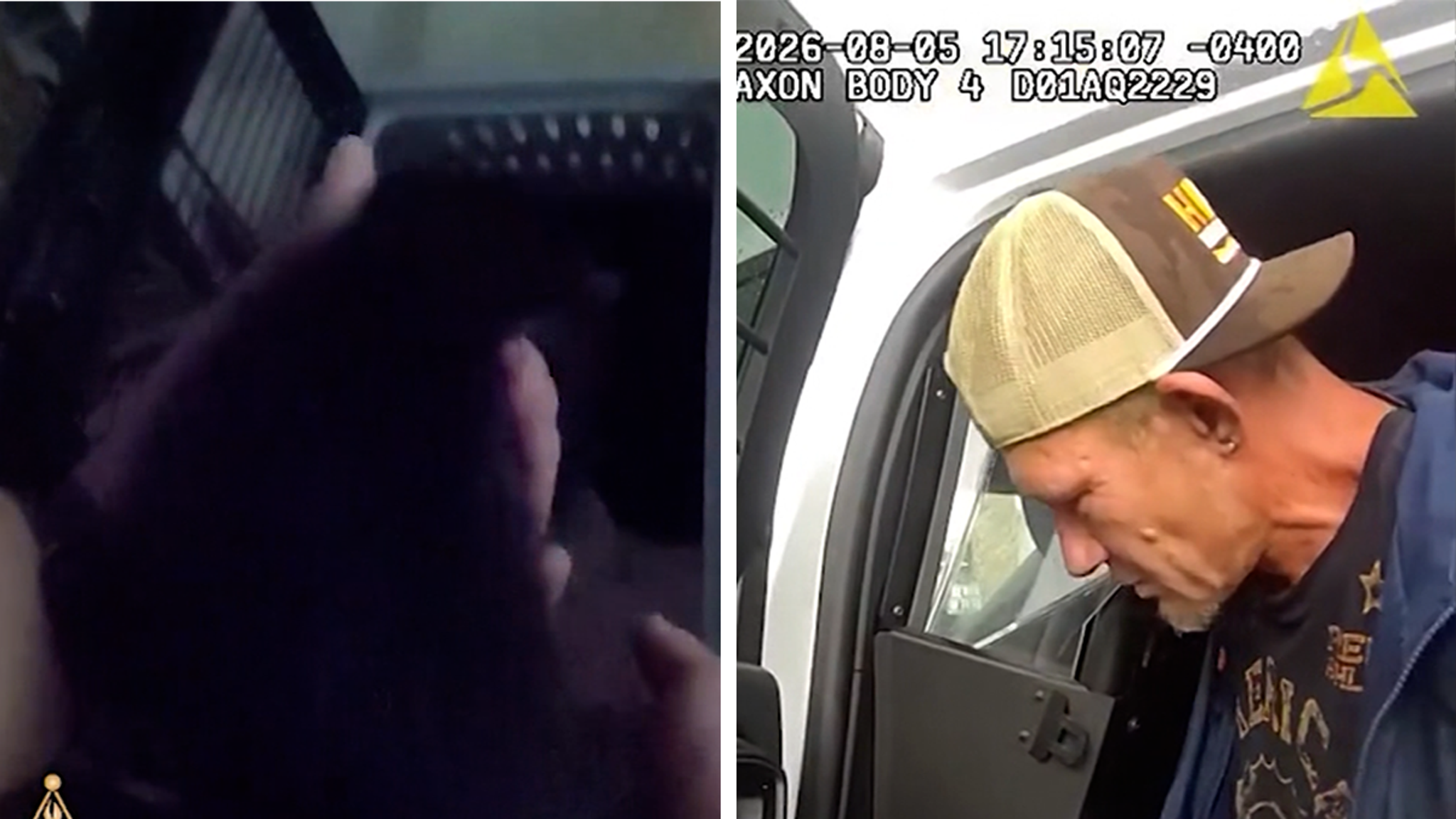
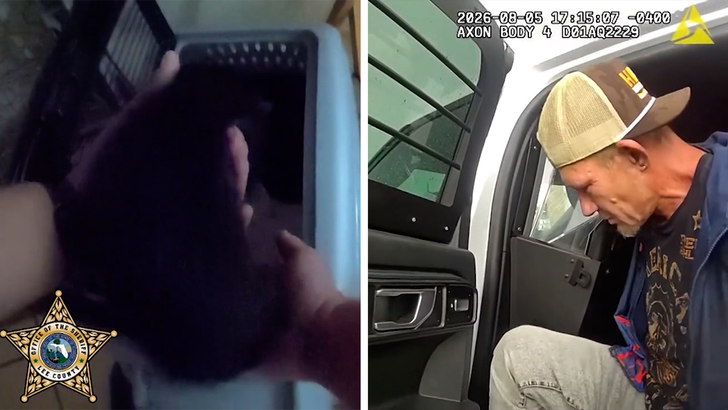
Police body camera footage captured parts of the scene, showing officers carefully checking on Luna before Charette was placed into the back of a squad car, an image that has since circulated, bringing the stark reality of the allegations to public attention. However, as the investigation deepened, authorities uncovered a far more extensive and horrifying pattern of abuse, revealing that Luna was not the only feline victim of Charette’s alleged cruelty. Other kittens in his care, tragically, had not been as fortunate.
A Pattern of Brutality: The Uncovered Past
As deputies continued their investigation, interviews with witnesses began to shed light on the deeply disturbing motivation behind Charette’s alleged actions. Witnesses reportedly informed law enforcement that Charette had a history of abusing and killing his cats, using these acts as a cruel and manipulative form of punishment whenever his daughter "acted up." This revelation significantly escalates the gravity of the case, linking animal cruelty directly to potential child psychological abuse, a connection frequently highlighted by experts in domestic violence and criminology.
The scope of Charette’s alleged brutality expanded as police pieced together a timeline of past incidents. Detectives learned that Charette had reportedly killed at least two other cats within the past year. In one particularly gruesome account from June of the preceding year, Charette is alleged to have suffocated a 1-month-old kitten by using a rag soaked in bleach. The potent chemical, known for its corrosive and toxic properties, would have caused immense suffering to the vulnerable animal. In a separate, equally horrifying incident, he is accused of burning a 3-month-old kitten to death using a blow dryer, inflicting severe thermal injuries that would have led to a prolonged and agonizing death.
Following these grim disclosures, the sheriff’s office launched an extensive search of Charette’s property in an attempt to recover evidence. While deputies successfully located the remains of one of the allegedly killed cats buried in the backyard, the remains of the other reported victim could not be found during the initial search. The discovery of remains, coupled with witness testimonies and the initial rescue of Luna, provides substantial evidence for the prosecution of the aggravated animal cruelty charges.
Legal Ramifications and the Justice System
The charges against David Charette carry significant legal weight in Florida, reflecting the state’s increasingly stringent stance on animal abuse.
Aggravated Animal Cruelty Charges in Florida
In Florida, aggravated animal cruelty is not merely a misdemeanor; it is classified as a felony offense under Florida Statute 828.12(2). This statute specifically targets individuals who "intentionally commit an act to any animal, or a person who owns or has the custody or control of any animal and causes the animal to be cruelly tormented, tortured, or mutilated, or cruelly kills any animal." The term "aggravated" typically applies when the abuse involves malicious intent, extreme pain, torture, or results in severe injury or death, all of which appear to be present in the allegations against Charette.
Conviction for aggravated animal cruelty can result in severe penalties, including a prison sentence of up to five years, a fine of up to $10,000, and mandatory psychological counseling. Furthermore, individuals convicted of such crimes may be prohibited from owning or having contact with animals for a specified period, or even permanently. The $100,000 bail set for Charette underscores the serious nature of the charges and the flight risk or danger he may pose, in the eyes of the court. The legal process for Charette will involve arraignment, where he will formally enter a plea, followed by potential pre-trial hearings, and ultimately, a trial where prosecutors will present their evidence.
The Role of the Lee County Sheriff’s Office
The Lee County Sheriff’s Office has demonstrated a strong commitment to addressing animal cruelty, as evidenced by their swift and thorough response to the initial tip. Law enforcement agencies increasingly recognize animal abuse as a serious crime, not only because of the suffering inflicted upon animals but also due to its frequent correlation with other forms of violence within a household. Sheriff Carmine Marceno, or a spokesperson for the LCSO, would likely issue a statement reaffirming their dedication to protecting the most vulnerable members of the community, including animals, and emphasizing the importance of public cooperation in reporting such offenses. The department’s proactive investigation, including the search for remains and gathering witness statements, highlights their methodical approach to ensuring justice for the victims.
The Broader Context: Animal Cruelty and Societal Implications
The case of David Charette is a stark reminder of the pervasive issue of animal cruelty and its disturbing connections to broader societal problems.
The Link Between Animal Abuse and Human Violence
For decades, criminologists, psychologists, and law enforcement agencies have recognized a significant correlation, often referred to as "The Link," between animal abuse and other forms of interpersonal violence, including domestic violence, child abuse, and elder abuse. Studies have shown that individuals who commit acts of cruelty against animals are statistically more likely to engage in violent behavior against humans. The FBI, for instance, began tracking animal cruelty as a Group A offense in its National Incident-Based Reporting System (NIBRS) in 2016, classifying it alongside offenses such as homicide, assault, and arson, acknowledging its seriousness as an indicator of dangerous propensities.
The motivation reported in Charette’s case – using animal abuse to punish a child – is particularly alarming. This act constitutes a form of psychological abuse against the child, who would undoubtedly be traumatized by witnessing or knowing about such cruelty. It demonstrates a profound lack of empathy, a desire for control, and a willingness to inflict suffering, traits often associated with violent offenders. For children exposed to such environments, the psychological impact can be long-lasting, potentially leading to emotional distress, behavioral problems, and a skewed understanding of relationships and violence.
Statistics on Animal Cruelty
Animal cruelty remains a pervasive issue across the United States. According to the American Society for the Prevention of Cruelty to Animals (ASPCA), hundreds of thousands of animal cruelty complaints are made to U.S. animal welfare agencies each year, though many more cases likely go unreported. These complaints range from neglect and abandonment to physical abuse and organized fighting. Florida, with its dense population and diverse communities, sees its share of these cases. While specific statistics for Lee County might vary year to year, the general trend indicates a persistent need for vigilance and enforcement. The fact that Luna’s case came to light through a public tip underscores how crucial community involvement is in uncovering these hidden abuses. Organizations like the Humane Society and the ASPCA consistently advocate for stronger animal protection laws and increased resources for animal control and law enforcement to combat these crimes effectively.
The "Florida Man" Phenomenon: A Brief Context
The term "Florida Man" has become a pervasive internet meme, often used humorously to describe bizarre or sensational crimes reported in Florida. This phenomenon is largely attributed to Florida’s unusually broad public records laws, which make police reports and arrest affidavits readily accessible to the media, often leading to headlines that highlight the eccentric details of local incidents. While the meme often provides comedic relief, it’s crucial to remember that behind each "Florida Man" headline lies a real person and often, real victims. In cases like David Charette’s, the reality is far from humorous, reminding the public that serious crimes with tragic consequences occur daily, irrespective of geographical stereotypes.
Community Response and the Call for Vigilance
The allegations against David Charette have undoubtedly sent shockwaves through the Fort Myers community and among animal lovers everywhere.
The Impact on Animal Welfare Organizations
Local animal welfare organizations, such as the Lee County Domestic Animal Services and other regional Humane Societies, are often on the front lines of these battles. They bear the brunt of caring for abused and neglected animals, providing critical medical treatment, rehabilitation, and ultimately, seeking loving forever homes for survivors like Luna. Cases of severe cruelty place immense strain on their resources, highlighting the constant need for public support through donations, fostering, and volunteer work. These organizations also play a vital role in advocating for stronger animal protection laws and raising public awareness about the signs of abuse. They are often the first point of contact for concerned citizens and work closely with law enforcement to ensure that perpetrators are brought to justice.
Importance of Reporting Abuse
The successful rescue of Luna underscores the invaluable role of public participation in reporting suspected animal cruelty. Many acts of abuse occur behind closed doors, hidden from public view. It is often the observant neighbor, friend, or family member who provides the critical tip that initiates an investigation and saves an animal’s life. Law enforcement agencies and animal control services consistently urge citizens to report any signs of abuse or neglect, emphasizing that such reports can be made anonymously if concerns about retaliation exist. Recognizing the signs—such as an animal appearing malnourished, injured, neglected, or exhibiting extreme fear or aggression—is the first step in breaking the cycle of violence. The community’s collective vigilance is paramount in creating a safer environment for both animals and people.
The Road Ahead for David Charette
As David Charette remains incarcerated on a substantial bail, the legal process will now unfold. He faces severe consequences if convicted, not only in terms of potential imprisonment and fines but also in the lasting mark on his public record and reputation. The court will scrutinize the evidence, including witness testimonies, the recovered remains, and the condition of the surviving kitten, Luna. The prosecution will likely seek to establish a pattern of malicious intent and extreme cruelty, aiming for a conviction that reflects the gravity of the alleged crimes. This case serves as a powerful reminder that acts of violence, whether against humans or animals, have profound repercussions that resonate throughout the community and demand a robust response from the justice system. The fate of David Charette will be determined through due process, but the tragic stories of his alleged victims will continue to fuel calls for greater compassion and protection for all vulnerable beings.

0 Comments