
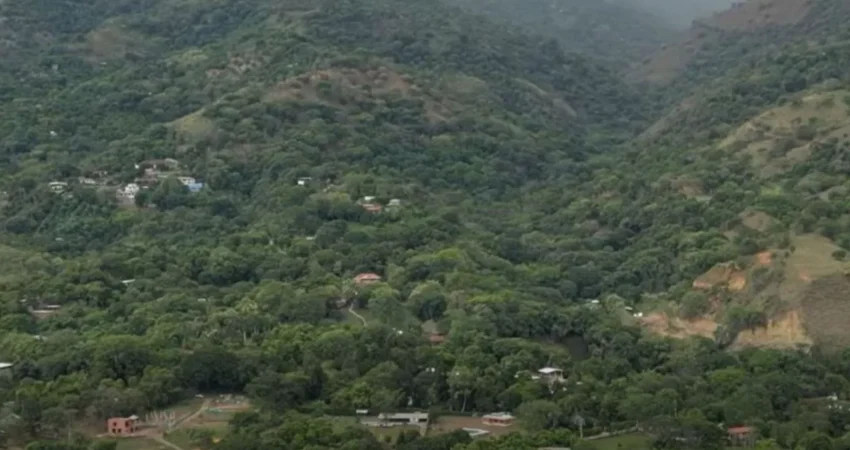
Corantioquia has reported a significant decrease in deforestation rates within its jurisdiction for the year 2025, marking a positive trend that began in 2020. The environmental authority announced that forest cover loss dropped by 3.4%, with affected areas decreasing from 5,559 hectares in 2024 to 5,367 hectares in 2025. This reduction, while encouraging, still highlights persistent threats to the region’s vital forest ecosystems.
A Declining Trend with Persistent Challenges
The latest figures from the Institute of Hydrology, Meteorology, and Environmental Studies (IDEAM) confirm a sustained downward trajectory in deforestation within Corantioquia’s administrative boundaries. This positive trend, observed since 2020, encompasses the 80 municipalities under the corporation’s oversight. The continued preservation efforts have resulted in an estimated 977,698 hectares of natural forest remaining within the territory.
These forests play a critical role in maintaining ecological balance, regulating water flow, facilitating groundwater infiltration, and recharging aquifers. Furthermore, they are crucial habitats for a diverse array of species, contributing significantly to biodiversity conservation across various zones of the department. The Serranía de San Lucas, a particularly vulnerable region, also saw a favorable variation, with deforestation rates decreasing by 1.7% during the reporting period.
Liliana María Taborda González, Director General of Corantioquia, acknowledged the reduction as a positive outcome for both local communities and the environment. However, she cautioned against complacency, emphasizing that these figures do not signal a diminished need for protection efforts. Taborda González stressed the imperative to maintain and even intensify control and conservation activities in areas that continue to face pressure on their forest resources.
Underlying Causes of Deforestation
Despite the overall decline, the IDEAM report identifies several direct causes of deforestation within Corantioquia’s jurisdiction. These include land clearing for pasture, largely driven by land-grabbing practices and extensive cattle ranching. The unplanned construction of transportation infrastructure also contributes to forest fragmentation and loss.
Beyond these direct drivers, other significant pressures continue to challenge forest conservation. These include the cultivation of illicit crops, the expansion of the agricultural frontier into forested areas, illegal logging operations, and the illicit extraction of minerals. These activities collectively pose substantial threats to the integrity and health of the region’s forests.
Corantioquia’s Strategic Response and Initiatives
In response to these multifaceted challenges, Corantioquia has implemented a range of strategies and projects aimed at forest conservation and the transformation of activities that exert pressure on these ecosystems. Notable among these initiatives are:
- Formalizar para Regenerar (Formalize to Regenerate): This program likely focuses on providing legal frameworks and support for land use, potentially encouraging more sustainable practices and discouraging illegal land occupation.
- Minería y Ganadería Regenerativa (Regenerative Mining and Cattle Ranching): These initiatives aim to promote environmentally responsible practices within sectors that are often associated with deforestation. Regenerative approaches typically focus on restoring degraded land and minimizing ecological impact.
- Sembremos Confianza (Let’s Sow Trust): This project suggests an emphasis on community engagement and building collaborative relationships to foster trust and encourage collective action towards conservation goals.
In addition to these specific programs, Corantioquia actively pursues alliances with various productive sectors, seeking to integrate conservation objectives into economic activities. The corporation also plans to maintain a strong presence in the most vulnerable subregions, coordinating actions with local organizations, municipal administrations, and community leaders to ensure a localized and effective approach to conservation.
Broader Impact on Antioquia
The positive trend observed within Corantioquia’s jurisdiction is part of a larger pattern across the department of Antioquia. According to IDEAM data, the overall deforestation rate in Antioquia also saw a reduction. Forest cover loss in the department decreased from 7,197 hectares in 2024 to 7,065 hectares in 2025, representing a reduction of 132 hectares, or 1.8%.
Within the departmental figures, the 5,367 hectares of deforestation within Corantioquia’s jurisdiction accounted for approximately 75.97% of the total deforestation recorded in Antioquia for 2025. This proportion also represented about 4.5% of the national deforestation figures for the same year. While the reduction is a welcome development, the significant contribution of Corantioquia’s jurisdiction to the departmental total underscores the critical importance of its conservation efforts.
Looking Ahead: Sustaining Momentum
The reduction in deforestation rates is a significant achievement, reflecting years of dedicated effort by Corantioquia and its partners. However, the persistent underlying causes, such as extensive cattle ranching, illegal mining, and agricultural expansion, necessitate continued vigilance and robust action. The authority’s commitment to strengthening preventive measures, control mechanisms, and conservation initiatives, in collaboration with communities and stakeholders, is crucial for sustaining this positive momentum.
The ecological services provided by these forests—water regulation, aquifer recharge, and biodiversity support—are invaluable. The ongoing efforts to protect and restore these vital ecosystems will have far-reaching benefits for the environment and the well-being of the communities that depend on them. The fight against deforestation is a continuous one, and the recent figures from Corantioquia offer a hopeful indicator that concerted action can yield tangible results in safeguarding these precious natural resources. The corporation’s proactive approach, combining strategic initiatives with strong community partnerships, positions it well to address the ongoing challenges and build a more sustainable future for Antioquia’s forests.

0 Comments