
 Julia Chirkova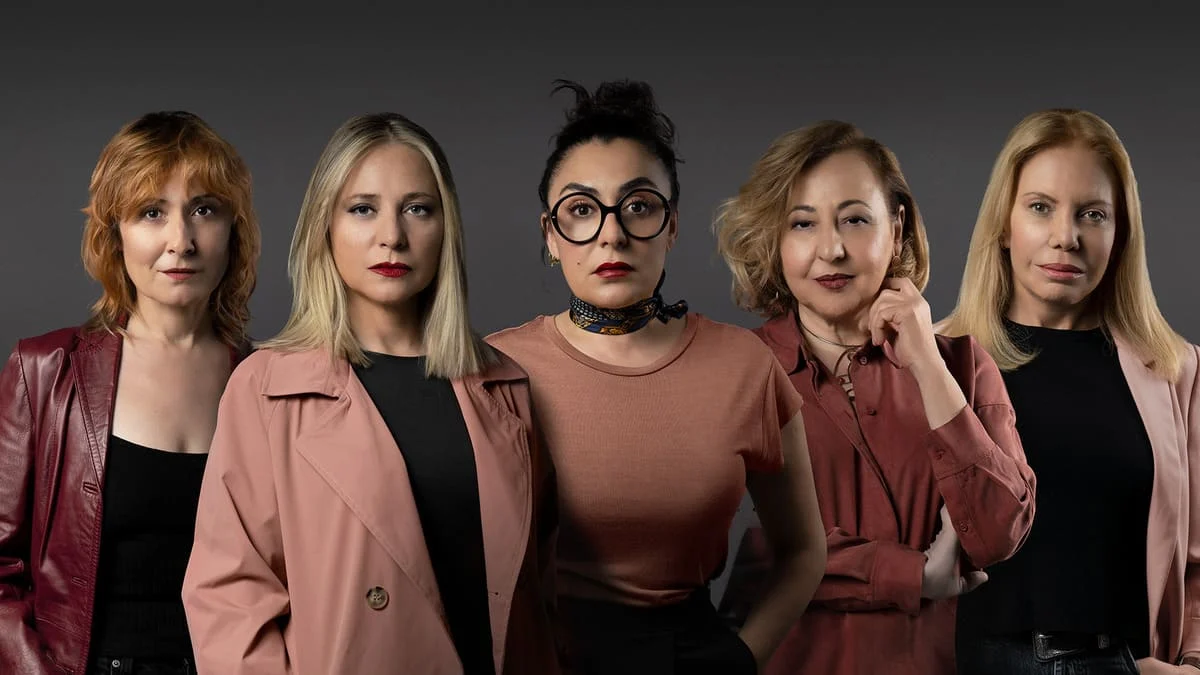
The Spanish television landscape continues to shine brightly, as evidenced by the recent Fotogramas de Plata awards ceremony held in Madrid on Monday, March 23rd. This prestigious event, a cornerstone in recognizing excellence in Spanish film and television, saw a diverse and compelling slate of honorees, underscoring the robust health and creative dynamism of the nation’s audiovisual productions. While several series and actors garnered well-deserved accolades, the spotlight most intensely illuminated the continued triumph of "Furia," the critical acclaim for "Superestar," and the commanding performance of Álvaro Morte.
The Fotogramas de Plata, established in 1951, uniquely blends the decisive voice of public opinion with the discerning judgment of critics, offering a comprehensive barometer of artistic achievement. This year’s iteration, celebrating the finest of 2024 and early 2025, proved to be a particularly significant occasion, highlighting a strong current of critical and popular support for Spanish-produced fiction. The awards ceremony itself, a highly anticipated event in Madrid’s cultural calendar, provided a fitting backdrop for celebrating these achievements, drawing together industry professionals, creators, and devoted fans.
"Furia" Achieves Unprecedented Ensemble Recognition at Fotogramas de Plata
The most striking narrative to emerge from the Fotogramas de Plata 2025 was the extraordinary recognition bestowed upon the cast of "Furia." In a move that has captivated the industry and solidified the series’ place in television history, the entire ensemble cast of "Furia" was awarded the prize for Best Television Actress. This is not merely a singular achievement; it marks the second major award ceremony in recent months where the collective talent of "Furia’s" actresses has been singled out for exceptional praise. Previously, the cast had garnered similar accolades at the esteemed Premios Ondas, underscoring a consistent and powerful appreciation for their collaborative artistry.
This unique distinction, where an entire group of actors receives an individual award, is exceptionally rare in the competitive world of television awards. It speaks volumes about the cohesive and impactful performances delivered by the cast of "Furia," suggesting a profound depth and interconnectedness within the narrative that resonated deeply with both the public and the critics. The series, which explores complex themes and character dynamics, appears to have struck a chord by prioritizing ensemble work, creating a rich tapestry of performances that collectively elevate the storytelling.
The competition in the Best Television Actress category was formidable. Nominees included Ingrid García-Jonsson for her role in "Superestar" and Carla Quílez for her performance in "Yakarta." However, the jury and public consensus ultimately favored the unified power of the "Furia" cast, a testament to their shared dedication and exceptional collective contribution to the series. This repeated success at two of Spain’s most significant television awards ceremonies—the Ondas and the Fotogramas de Plata—positions "Furia" as a groundbreaking example of how ensemble acting can be recognized and celebrated at the highest levels.
"Superestar" Crowned Best Spanish Series of the Year
In a highly competitive field, the series "Superestar" emerged victorious as the Best Spanish Series of the Year, as voted by the readers of Fotogramas. This significant win highlights the series’ broad appeal and its ability to connect with a wide audience, a crucial indicator of its success and cultural impact. "Superestar" triumphed over other strong contenders, including the critically acclaimed "Furia" and the witty "Poquita Fe," demonstrating a clear preference among the public for its narrative and execution.
The award for Best Spanish Series is often seen as a direct reflection of the nation’s viewing habits and preferences. For "Superestar" to claim this title signifies its strong resonance with Spanish viewers, who actively engaged with and supported the series. This public endorsement is a powerful validation for the creators and production team, affirming their ability to craft compelling stories that captivate and entertain. The series’ success at the Fotogramas de Plata is likely to further bolster its popularity and critical standing, solidifying its position as a leading example of contemporary Spanish television.
Álvaro Morte Secures Best Actor Award for "Anatomía de un Instante"
The Best Television Actor category at the Fotogramas de Plata 2025 was a showcase of considerable talent, but it was Álvaro Morte who ultimately took home the prestigious award for his powerful performance in "Anatomía de un Instante." Morte’s victory signifies a significant recognition of his acting prowess and the compelling nature of his role in the series. He outperformed strong competition, including Ricardo Gómez for his work in "La Suerte" and Luis Zahera for his role in "Animal," both of whom are highly respected figures in Spanish cinema and television.
"Anatomía de un Instante," a series lauded for its intricate storytelling and character development, provided a platform for Morte to deliver a performance that evidently left a lasting impression on both the judging panel and the public. This award not only celebrates Morte’s individual talent but also underscores the quality and impact of "Anatomía de un Instante" as a whole. The series’ ability to attract such a significant acting award further cements its reputation as a noteworthy contribution to the Spanish television canon.
A Reflection of the Thriving Spanish Fiction Scene
The outcomes of the Fotogramas de Plata 2025 serve as a powerful testament to the current flourishing state of Spanish television fiction. The awards ceremony, which has a long and distinguished history of identifying and celebrating outstanding productions, has once again provided a platform for a diverse range of genres and storytelling approaches. The dual recognition of "Furia’s" ensemble, the public’s endorsement of "Superestar" as the year’s best series, and the critical acclaim for Álvaro Morte’s performance in "Anatomía de un Instante" collectively paint a picture of a vibrant and innovative industry.
This year’s awards highlight several key trends. Firstly, the success of "Furia" emphasizes a growing appreciation for character-driven narratives and collaborative acting. The ability of an entire cast to garner such significant recognition suggests a move towards valuing the collective contribution to storytelling, moving beyond individual star power. Secondly, the victory of "Superestar" in the public vote for Best Series underscores the enduring power of compelling narratives that resonate with a broad audience. This indicates that Spanish productions are successfully balancing artistic merit with mass appeal. Finally, Álvaro Morte’s win for "Anatomía de un Instante" reaffirms the industry’s continued commitment to recognizing nuanced and impactful performances, showcasing the depth of talent available within Spain.
The Fotogramas de Plata, with its unique blend of critical and public opinion, offers a particularly valuable insight into the reception of Spanish television. By honoring both critically acclaimed works and popular favorites, the awards provide a comprehensive overview of the industry’s achievements. The consistent strength and growing international recognition of Spanish series suggest a promising future, with productions increasingly finding their audience both domestically and on the global stage. The event in Madrid not only celebrated past achievements but also set a high bar for the productions to come, indicating a continued trajectory of excellence for Spanish television.
"Furia": A Singular Phenomenon in the Awards Season
The narrative surrounding "Furia" at this year’s awards season transcends mere accolades; it represents a unique moment in the recognition of collaborative artistic achievement. The fact that an entire cast has been honored is remarkable in itself. However, the repetition of this singular honor at two of Spain’s most influential award ceremonies – the Premios Ondas and the Fotogramas de Plata – elevates the achievement to an exceptional status. This consistent acclaim from different bodies, representing both critical and public sentiment, underscores the profound impact and artistic integrity of "Furia."
This double recognition suggests that "Furia" is not simply another successful series but a phenomenon that has tapped into a deeper appreciation for ensemble storytelling. The series’ creators have evidently fostered an environment where each performer contributes significantly to the overall narrative, creating a cohesive and powerful viewing experience. The award for "Furia’s" cast is a clear indication that their collective performance was not just good, but exceptional, creating a benchmark for how ensemble work can be celebrated.
The implications of this sustained recognition are far-reaching. It may encourage other productions to prioritize ensemble development and invest in the cohesive artistry of their casts. Furthermore, it highlights a growing sophistication in how audiences and critics perceive and value television. The collective success of "Furia’s" cast serves as a powerful argument for recognizing the intricate collaborative effort that goes into producing high-quality television, moving beyond the traditional focus on individual lead performances.
In conclusion, the Fotogramas de Plata 2025 ceremony provided a vibrant snapshot of the current strength and diversity of Spanish television. The continued accolades for "Furia’s" ensemble cast, the popular triumph of "Superestar," and the individual recognition of Álvaro Morte all point towards an industry that is not only producing compelling content but also innovating in how it is recognized and celebrated. As Spanish series continue to gain prominence, the unique success of "Furia" serves as an inspiring example of the power of collective talent, leaving an indelible mark on the awards season and the broader landscape of television production. The event in Madrid solidified the fact that Spanish fiction is not only competing but setting trends, with series like "Furia" actively writing their own significant chapters in television history.


 Eva Lovia
 Julia Prastini
 Jia Lissa
 admin
admin
 Raisa Andriana