
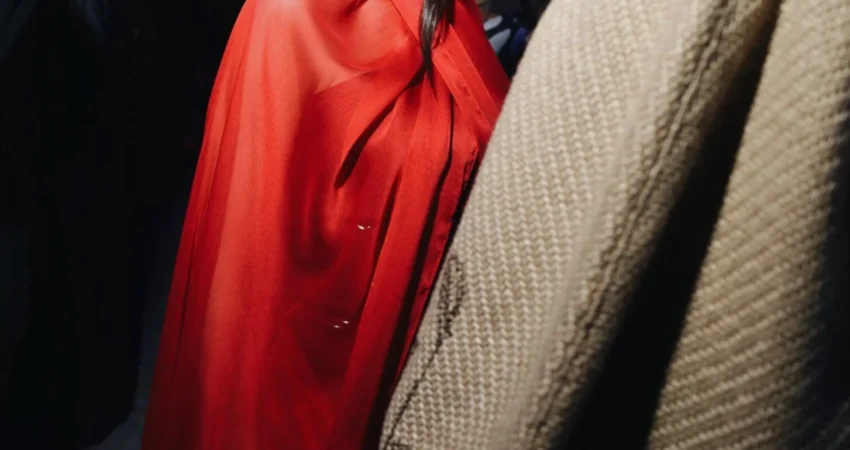
The third annual Gala Vogue de Día de Muertos Colombia, presented by Don Julio in collaboration with IQOS, Malva, and Atenea, recently concluded in Bogotá, marking a significant milestone in the intersection of Mexican cultural heritage and the Colombian creative economy. Held at the Bronx Distrito Creativo, the event brought together a distinguished assembly of celebrities, designers, and industry leaders to celebrate one of Mexico’s most profound traditions: the Day of the Dead. This year’s edition was co-hosted by Valentina Ferrer and Atenea Morales, who welcomed guests to an evening designed to transcend borders through the shared languages of art, fashion, and history.

The choice of the Bronx Distrito Creativo as the venue for the 2026 gala underscores a broader narrative of urban and cultural transformation within Bogotá. Formerly a marginalized sector of the city, the district has been reimagined as a hub for innovation and heritage, providing a symbolic backdrop for an event centered on the themes of memory and legacy. By hosting the gala in this space, Vogue and its partners highlighted the importance of relating to architectural and social patrimony in contemporary ways, blending the historical weight of the setting with the ephemeral beauty of high fashion.
Thematic Inspiration: Espíritu Monumental and Female Muralism
The central theme of the 2026 gala, "Espíritu monumental: Miradas al muralismo femenino" (Monumental Spirit: Perspectives on Female Muralism), served as a powerful tribute to the women who shaped the large-scale art movements of the 20th century. Historically, the Mexican Muralist movement was dominated by male figures such as Diego Rivera, David Alfaro Siqueiros, and José Clemente Orozco. However, this year’s Vogue gala sought to reclaim the narrative for women like Aurora Reyes, Elena Huerta, and Rina Lazo, whose contributions to public art were often overshadowed by their male counterparts.

The theme challenged attendees and designers to interpret the legacy of these women through sartorial expression. The "monumental" aspect referred not only to the scale of the artworks but also to the magnitude of the social and political struggles these women faced while asserting their presence in the artistic canon. This conceptual framework provided a rich tapestry for the red carpet, where guests presented ensembles that mirrored the bold strokes, vibrant palettes, and revolutionary spirit characteristic of muralist art.
Chronology of the Event: From the Red Carpet to the Runway
The evening commenced with the traditional red carpet procession, a high-profile segment that showcased the diversity of the Colombian fashion ecosystem. Notable figures in attendance included designers Juan Socarrás, known for his commitment to sustainable and artisanal practices; Humberto Cubel, whose avant-garde silhouettes often push the boundaries of traditional tailoring; and Jonathan Cortez of the label La Petite Mort. Also present was Isabella Espinosa, the founder of the internationally acclaimed brand Baobab, further emphasizing the global reach of Colombian creative talent.

Following the red carpet, the official program opened with a welcome address by Atenea Morales and Valentina Ferrer. The hosts highlighted the gala’s role in fostering a dialogue between the creative industries of Mexico and Colombia. A ceremonial toast featuring Tequila Don Julio followed, signaling the formal beginning of the night’s festivities. The toast was framed as a celebration of the "power of transcendence"—the idea that creativity and storytelling allow individuals and cultures to leave an indelible mark on history.
The centerpiece of the evening was the fashion show presented by Malva, titled "De su mano" (From Her Hand). The runway presentation was a curated encounter between tradition and modernity, featuring looks that synthesized the gala’s muralist theme with contemporary fashion trends. The models navigated the runway to the live accompaniment of singer Mariana Gómez, who performed alongside a traditional mariachi ensemble. This musical integration served as a literal and figurative bridge between the two nations, blending the iconic sounds of Mexico with the vocal prowess of one of Colombia’s rising stars.

Beauty and Craftsmanship: The Collaborative Vision
The aesthetic cohesion of the gala was maintained through a meticulous approach to beauty and styling. Atenea, a key collaborator for the event, was responsible for the beauty proposal that complemented the "Espíritu monumental" theme. The hair and makeup designs focused on narrative continuity, utilizing bold colors and structured forms to echo the visual language of muralism. This attention to detail ensured that every element of the gala, from the garments to the cosmetic artistry, contributed to the overarching story of female resilience and artistic achievement.
The Malva runway show further exemplified the "saber-hacer" (know-how) of the regional fashion industry. By focusing on movement, silhouette, and texture, the collection illustrated how traditional motifs can be adapted for a modern, global audience. The collaboration between Malva and the various designers involved highlighted the strength of the Colombian retail and design sectors, which have increasingly gained recognition for their ability to compete on the international stage while maintaining a distinct cultural identity.

Historical Context and Cultural Significance
The Day of the Dead (Día de Muertos) was recognized by UNESCO in 2008 as an Intangible Cultural Heritage of Humanity. While its roots are deeply Mexican, the tradition’s themes of honoring ancestors and celebrating the cycle of life and death resonate universally. Vogue’s initiative to bring this celebration to Colombia for a third consecutive year reflects a strategic effort to strengthen cultural ties within Latin America.
The 2026 gala occurred at a time when the "Orange Economy" (creative economy) in Colombia continues to be a vital component of the national GDP. Events of this magnitude serve as critical platforms for local designers to gain visibility and for the city of Bogotá to position itself as a fashion capital in the region. Furthermore, the inclusion of sponsors like IQOS and Don Julio illustrates the synergy between luxury brands and cultural preservation, where corporate social responsibility is increasingly linked to the support of the arts and heritage.

Supporting Data and Industry Implications
The Colombian fashion industry has seen steady growth over the past decade, with textile and apparel exports playing a significant role in the country’s trade balance. According to data from ProColombia, the nation’s exports in the fashion sector have expanded into new markets, driven by a reputation for high-quality craftsmanship and innovative design. The Vogue Gala acts as a high-visibility window into this industry, attracting international media attention and fostering potential business collaborations.
Moreover, the thematic focus on female muralism aligns with global trends toward gender equity in the arts. By highlighting the historical exclusion of women from large-scale art movements, the gala contributed to a necessary cultural conversation regarding representation. This social dimension adds a layer of depth to the event, elevating it from a standard social gathering to a platform for advocacy and education.

Broader Impact and Future Outlook
As the night progressed, the guests engaged in conversations that extended beyond fashion, touching upon the importance of cultural preservation and the role of artistic expression in social discourse. The Gala Vogue de Día de Muertos has successfully established itself as a staple of the Colombian social and cultural calendar, proving that traditions can be successfully exported and reinterpreted without losing their original essence.
The success of the 2026 edition suggests a promising future for such cross-cultural collaborations. By merging the ritualistic beauty of a Mexican tradition with the dynamic energy of the Colombian creative scene, Vogue has created a unique space where heritage and innovation coexist. The event not only honored the "monumental spirit" of past female artists but also inspired a new generation of creators to build their own legacies.

In conclusion, the third Gala Vogue de Día de Muertos Colombia was more than a display of luxury and celebrity; it was a sophisticated exercise in cultural diplomacy. Through its thoughtful theme, strategic choice of venue, and high level of artistic execution, the gala reaffirmed the enduring power of tradition to unite people across borders. As Bogotá continues to evolve as a creative epicenter, events like this will remain essential in defining the city’s identity and its relationship with the global cultural landscape. The legacy of the 2026 gala will likely be felt in the continued push for female representation in the arts and the ongoing strengthening of the creative bond between Mexico and Colombia.

0 Comments