
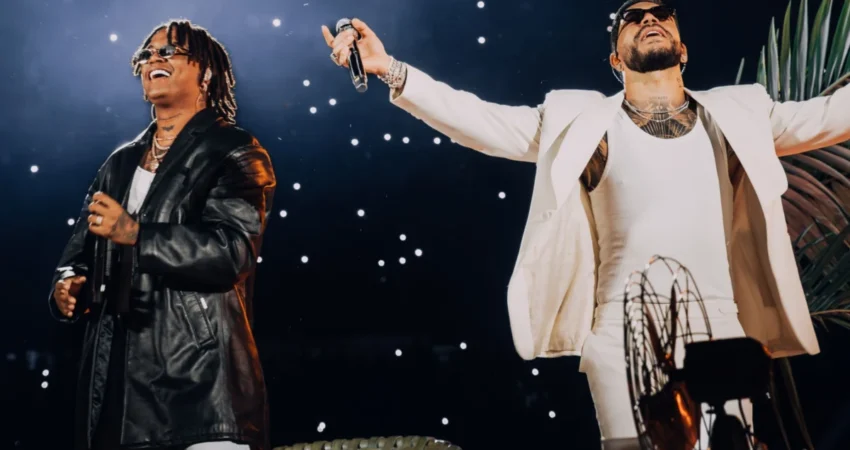
The rising Colombian artist released a new single amid the tour. As Colombian music continues its meteoric ascent on the global charts, emerging artist Hamilton is stepping into the spotlight as the opening act for fellow countryman Ryan Castro’s highly anticipated "Sendé: The Last Dance Tour" across the United States. This strategic collaboration underscores a broader trend of established Colombian artists actively fostering the careers of the next generation, a sentiment echoed by Hamilton himself in a recent interview with Billboard. The tour, which kicked off with a significant presence in the U.S. market, aims to showcase the vibrant and diverse sounds emanating from Colombia, solidifying its position as a powerhouse in the international music scene.
Hamilton, a Cartagena-born artist who emerged in 1999, has been steadily building his own momentum, earning the moniker "Afro Rockstar" for his distinctive velvety voice and infectious Afro-tropical sound. His inclusion on Castro’s tour is not merely a matter of convenience but a testament to a budding artistic relationship and mutual respect between their teams. "The idea came about because Ryan and I have two songs together – ‘A Poca Luz’ and ‘4LIFE’," Hamilton explained to Billboard. "We have grown as friends, and my team and his have a lot of mutual respect and are very close. That’s how the idea of me joining him on this tour happened." This collaborative spirit is a defining characteristic of the current Colombian music landscape, where artists often support and elevate each other.
The "Sendé: The Last Dance Tour" represents a significant milestone for Ryan Castro, a Colombian artist who has rapidly ascended from opening for global superstars like Karol G, Feid, and J Balvin to headlining his own arena tours. His decision to bring Hamilton along as his U.S. opening act signifies a conscious effort to pay forward the opportunities he once sought, investing in the future of Colombian talent. This move can be seen as a strategic endorsement, leveraging Castro’s burgeoning fame to introduce Hamilton to a wider American audience. The tour’s 17-date North American leg is designed to maximize exposure for both artists, with Hamilton aiming to captivate new fans with every performance.
Building Momentum and Artistic Synergy
Hamilton’s approach to his opening sets is rooted in an energetic and engaging performance style. "My strategy is to give it all the energy I can and really engage with the audience so they catch the spirit of who I am – so they feel my music and the vibe, and connect with me as an artist," he shared. "I always give it my all. I love singing for a new audience because once they get to know me and hear my music, they get hooked on who I am and never look back." This commitment to authenticity and connection is crucial for an opening act tasked with setting the tone for a major concert. His performances are not just about introducing his music but about forging a genuine connection with a diverse audience, many of whom may be encountering his sound for the first time.
Beyond his personal performance strategy, Hamilton is also drawing valuable lessons from his experience on the road with Castro. He emphasizes the importance of hard work, discipline, and maintaining a grounded perspective in the demanding music industry. "Ryan has always taught me to keep my feet on the ground, to remain simple and humble, and to stay highly focused – avoiding gossip and always working honestly to make things happen," Hamilton stated. "There is nothing better than having peace of mind and working toward your own goals." This mentorship aspect of the tour is invaluable for an artist like Hamilton, who is still navigating the complexities of international stardom. Castro’s guidance on professionalism and work ethic can significantly shape Hamilton’s trajectory.
The "Afro Rockstar" has already garnered significant attention and endorsements from other prominent figures in the Latin music sphere, including Farruko, De La Ghetto, Justin Quiles, and Lenny Tavárez. This widespread approval from established artists further validates his talent and potential. Hamilton’s inclusion on Billboard’s "Latin Artists to Watch in 2026" list further solidifies his position as a rising star with a promising future. His recent single, "Quien Me Mandó?", a collaboration with Zaider, has been making waves, showcasing his ability to craft infectious tracks that resonate with contemporary Latin music trends. He is also actively working on a project titled "El Pelaito de CTG," a title that translates to "the boy from Cartagena," hinting at a deeply personal and regionally inspired body of work.
A Collaborative Ecosystem in Colombian Music
The current era of Colombian music is characterized by a remarkable sense of community and mutual support. Artists like Karol G, J Balvin, and Maluma have paved the way for a new generation, not only by achieving global recognition but also by actively championing emerging talent. Ryan Castro’s decision to feature Hamilton on his tour is a microcosm of this broader ecosystem. It reflects a strategic understanding that collective success can elevate the entire Colombian music scene. By providing a platform for artists like Hamilton, Castro is contributing to the sustained growth and diversification of Colombian music exports.
This trend is not isolated to the music industry. Similar collaborative efforts are visible in other cultural spheres originating from Colombia, suggesting a national pride and a collective ambition to showcase the country’s rich artistic heritage on a global scale. The success of artists like Shakira, Juanes, and Carlos Vives in previous decades laid the groundwork for the current wave of global dominance, but the current generation is distinguished by its interconnectedness and its proactive approach to supporting emerging artists.
The Business of Global Reach: Tour Economics and Audience Expansion
The "Sendé: The Last Dance Tour" is more than just a series of concerts; it’s a calculated business venture aimed at expanding the global footprint of Colombian music. For Ryan Castro, headlining a U.S. tour of this magnitude signifies a critical step in solidifying his international brand. The tour’s success is measured not only by ticket sales but also by the increased visibility and market penetration it affords both headliners and opening acts. Each stop in a major U.S. city provides an opportunity to tap into diverse fan bases and potentially convert new listeners into dedicated followers.
For Hamilton, the tour offers an unparalleled opportunity to gain exposure to hundreds of thousands of potential fans across North America. The economic implications of such a tour are significant, not only for the artists but also for the wider music industry ecosystem, including promoters, venue operators, and support staff. The data from previous successful Latin music tours in the U.S. indicates a growing and increasingly lucrative market for Spanish-language music, with audiences demonstrating a strong appetite for authentic cultural experiences. The continued success of these tours reinforces the economic viability of investing in Latin American artists and their global outreach.
Future Implications and the Evolution of Latin Music
The collaboration between Ryan Castro and Hamilton serves as a compelling case study for the future trajectory of Latin music. It highlights the increasing importance of artist-to-artist mentorship and the strategic use of tours as platforms for talent development. As more Colombian artists achieve global success, the expectation is that this collaborative model will continue to flourish, creating a more robust and interconnected industry.
The sustained global appeal of Latin music, driven by genres like reggaeton, urban latin, and traditional cumbia, is expected to continue its upward trend. Artists who can blend authenticity with innovation, as both Castro and Hamilton are demonstrating, are poised to lead this charge. The "Sendé: The Last Dance Tour" is not just a farewell to a touring era for Castro but a launchpad for the next generation of Colombian musical ambassadors, ensuring that the vibrant sounds of Colombia will continue to resonate on the world stage for years to come. The ongoing success of such initiatives points towards a future where Latin music is not just a genre but a dominant force in the global entertainment landscape, driven by a spirit of collaboration and a shared vision for artistic excellence.

0 Comments