
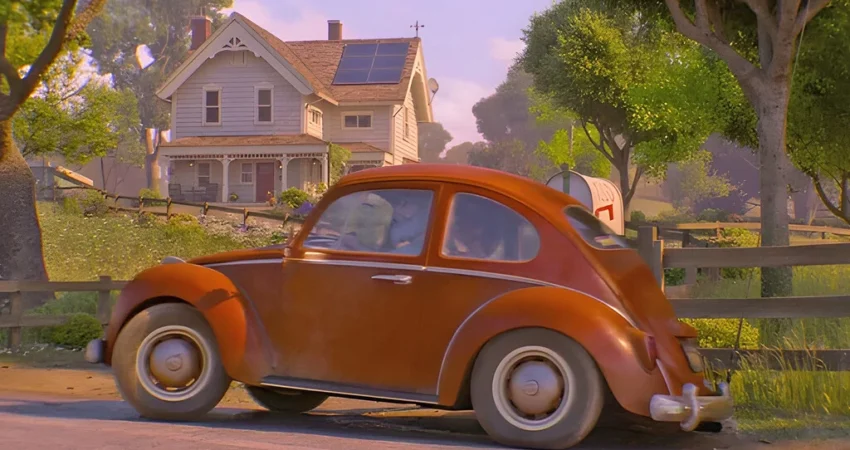
The fifth installment of Pixar Animation Studios’ most enduring franchise has officially transitioned to the streaming landscape, making its debut on Disney+ following a record-breaking theatrical run. While the film has secured its position as the most financially successful chapter in the saga, grossing over $1.1 billion at the global box office, it arrives amidst a complex discourse regarding the necessity of further sequels and the evolving quality of the studio’s output. This latest chapter shifts the focus of the narrative toward the contemporary challenges of childhood, specifically the encroachment of digital entertainment on traditional physical play.
The Central Conflict: Physical Toys versus Digital Dominance
In this latest iteration, the beloved ensemble of toys, led by Buzz Lightyear and Jessie, finds itself facing a threat more existential than a yard sale or a neglected attic: the allure of a high-end tablet computer. As Bonnie, the child who inherited the toys from Andy, enters a new developmental stage, her attention is captured by the endless, flashing stimulation of a mobile device. This shift in interest leaves the classic toys relegated to the sidelines, forcing them to navigate the concept of "digital obsolescence."
The narrative serves as a commentary on the modern parenting landscape and the "screen time" epidemic. Unlike previous antagonists—such as the sociopathic Sid in the original 1995 film or the embittered Lotso in the third installment—the "villain" here is not a character with a vendetta, but rather a piece of technology that represents the changing habits of a generation. Woody’s absence, following his departure at the end of the fourth film, creates a leadership vacuum that the remaining toys must fill as they attempt to reclaim their relevance in Bonnie’s life through increasingly creative and desperate interventions.
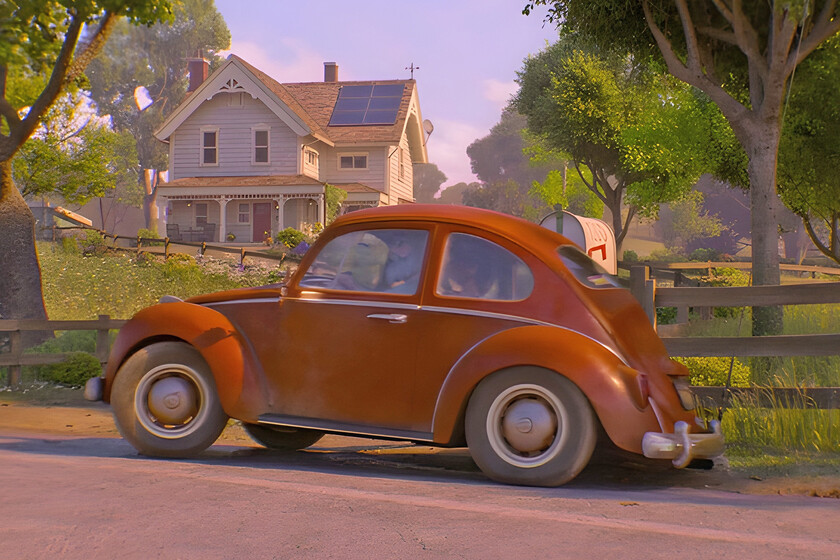
Financial Triumph and the Billion-Dollar Milestone
From a commercial perspective, Toy Story 5 has solidified the franchise’s status as a cornerstone of the Walt Disney Company’s intellectual property portfolio. By surpassing the $1.1 billion mark, it has outpaced the theatrical earnings of its predecessors, a feat that industry analysts attribute to a combination of brand loyalty, aggressive global marketing, and a lack of competing family-oriented features during its release window.
The financial success of the film reinforces the strategic direction currently favored by Disney CEO Bob Iger, who has publicly emphasized a renewed focus on established franchises and sequels. Following a period of experimental original releases that saw varying degrees of success on streaming platforms, the massive box office returns for Toy Story 5 provide a clear signal that audiences remain willing to pay for familiar characters and worlds, even as the narrative formula begins to show signs of age.
A Comparative Analysis of Critical Reception
While the film was an undeniable commercial hit, its critical reception tells a more nuanced story. In the context of the Pixar canon, the Toy Story franchise has long been regarded as the gold standard of animation, with the first two films maintaining rare 100% approval ratings on the review aggregator Rotten Tomatoes.
The trajectory of the series’ critical standing reveals a gradual, albeit slight, decline in universal acclaim:

- Toy Story (1995): 100%
- Toy Story 2 (1999): 100%
- Toy Story 3 (2010): 98%
- Toy Story 4 (2019): 96%
- Toy Story 5 (Current): 93%
Although a 93% rating is considered "Certified Fresh" and would be a career-high for most animation studios, for the Toy Story brand, it represents the lowest score in the franchise’s history. Critics have been divided between those who praise the film for its timely exploration of technology’s impact on childhood and those who argue that the series has exhausted its emotional depth. Some reviewers noted that while the animation remains industry-leading, the plot beats—centered on a toy feeling neglected and embarking on a mission to be "played with" again—are beginning to feel repetitive after nearly three decades.
Historical Context and the Evolution of Pixar’s Animation
The journey of the Toy Story franchise is inextricably linked to the history of computer-generated imagery (CGI). When the original film debuted in 1995, it was the first fully computer-animated feature film, a technological marvel that changed the trajectory of the film industry. Over the ensuing 29 years, the franchise has served as a showcase for Pixar’s technological advancements, from the rendering of fur and skin to the complex lighting and physics engines seen in the fifth film.
In Toy Story 5, the visual contrast between the "analog" world of the toys and the "digital" world of the tablet is depicted with meticulous detail. The toys themselves show signs of wear—scuffs on Buzz’s plastic and fraying on Jessie’s yarn hair—which serves as a visual metaphor for their struggle against the sleek, untouchable perfection of the digital interface. This attention to detail has been a hallmark of the series, ensuring that even if the story faces criticism, the technical execution remains beyond reproach.
Industry Implications and the Sequel Strategy
The release of Toy Story 5 on Disney+ marks a significant moment for the streaming service, which has become the primary hub for Pixar’s library. The move to bring the highest-grossing film of the saga to the platform without an additional "Premier Access" fee suggests a strategy aimed at driving long-term subscriber retention rather than immediate transactional revenue.
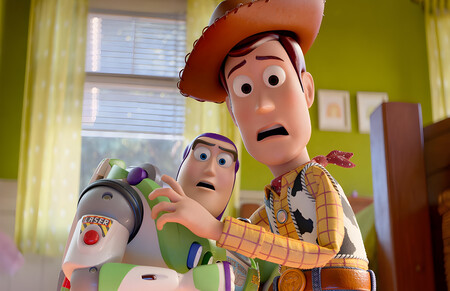
The success of this film also has broader implications for the animation industry. It confirms that "legacy sequels"—films that return to beloved characters years or even decades later—are currently the most reliable drivers of theatrical revenue. However, the mixed critical feedback suggests a potential risk of "franchise fatigue." Pixar now faces the challenge of balancing its mandate to produce profitable sequels with its historical identity as a bastion of original, avant-garde storytelling.
Statements and Reactions from the Creative Community
While official statements from Pixar leadership have focused on the film’s "universal themes of friendship and adaptability," internal sources suggest that the development of Toy Story 5 was a response to the need for a "guaranteed hit" following the underperformance of original titles like Lightyear.
Fans of the franchise have expressed a mixture of relief and skepticism. On social media platforms and film forums, the consensus appears to be that while the film is a high-quality production that provides a "safe" viewing experience for families, it lacks the emotional finality that many felt was perfectly achieved at the end of Toy Story 3, and again at the end of Toy Story 4. The recurring "final" endings of the films have become a point of contention among the fanbase, leading to questions about how many times the studio can effectively say goodbye to these characters.
Conclusion: A Franchise at a Crossroads
Toy Story 5 stands as a testament to the enduring power of the characters created by John Lasseter, Andrew Stanton, and the original Pixar "Brain Trust" in the mid-90s. Its arrival on Disney+ allows a global audience to revisit a world that has, for many, defined their understanding of animated cinema.

The film’s exploration of the digital age is a relevant, if somewhat safe, addition to the lore. By positioning a tablet as the primary obstacle, Pixar has tapped into a very real anxiety shared by modern parents, ensuring the film remains culturally pertinent despite its reliance on a well-worn formula. As the highest-grossing entry in the series, Toy Story 5 proves that Woody, Buzz, and the rest of the gang are far from obsolete in the eyes of the public, even if the critics suggest that the toys might finally be reaching the end of their shelf life.
For now, the film remains a "must-watch" for families and a fascinating case study in how a legacy brand navigates the pressures of commercial necessity and creative evolution in the 21st century. Whether this truly is the final chapter, or merely another "to be continued," remains to be seen, but the financial data suggests that as long as audiences keep watching, the toy box will never truly stay closed.

0 Comments