
 Raisa Andriana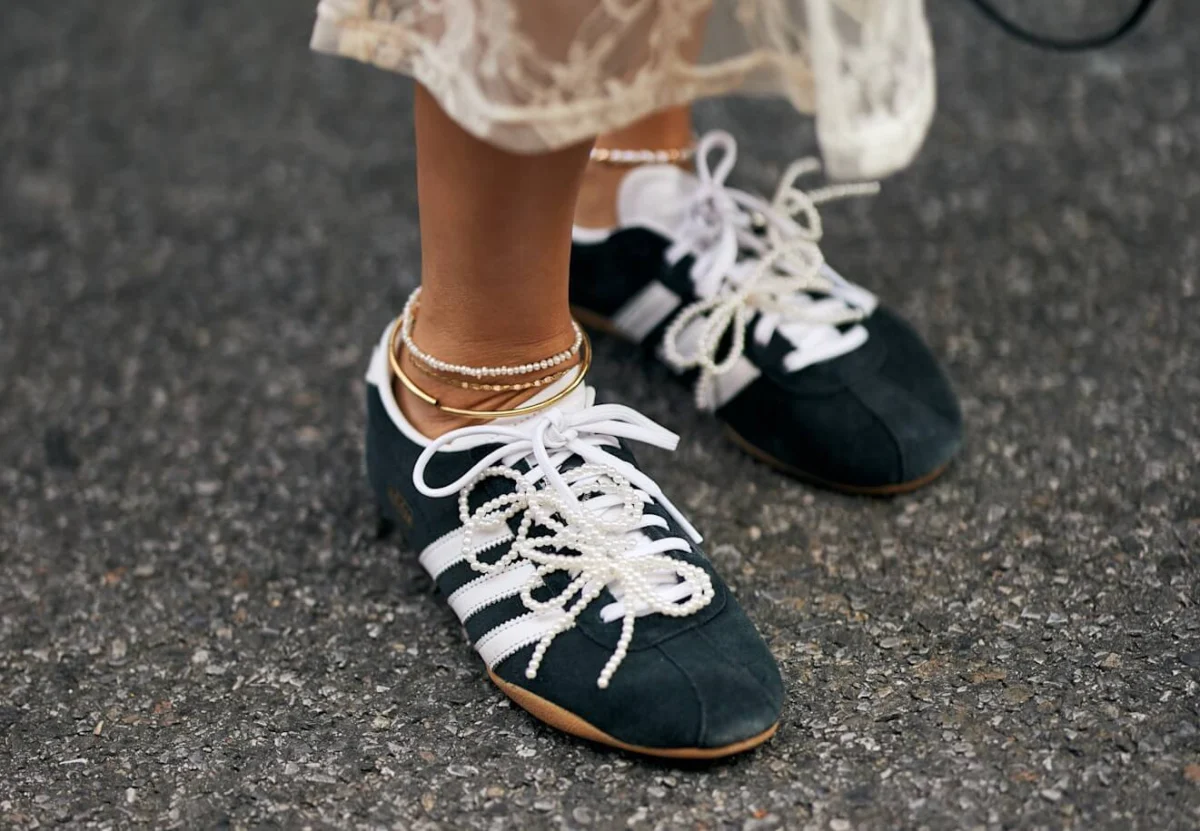
The global fashion landscape for the Spring-Summer 2026 season has solidified a long-standing shift in footwear priorities, placing the sneaker not merely as a casual alternative, but as the foundational element of the modern wardrobe. No longer confined to the athletic arena or the "athleisure" movements of the previous decade, sneakers have evolved into a versatile tool for stylistic equilibrium, capable of anchoring everything from avant-garde tailoring to delicate bohemian lace. As the fashion capitals of New York, Paris, and Milan debut their street style highlights for the warmer months, a clear consensus has emerged: the most sophisticated looks of 2026 are defined by the strategic contrast between high-fashion silhouettes and functional footwear.
The 2026 Sneaker Paradigm: Context and Evolution
To understand the current dominance of sneakers, one must look at the trajectory of the footwear market over the last five years. Following the global shift toward comfort-centric dressing in the early 2020s, the industry witnessed a "sneakerization" of the luxury sector. According to market analysts, the global sneaker market is projected to exceed $100 billion by late 2026, driven by a consumer base that demands multi-functional products. The Spring-Summer 2026 collections reflect this by moving away from the "chunky" or "ugly" sneaker trends of the past, favoring instead streamlined profiles, retro-inspired terrace shoes, and high-performance technical runners integrated into daily wear.

The primary driver of this season’s aesthetic is the "Rule of Contrast." This stylistic principle dictates that the formality of a garment should be balanced by the informality of the shoe. This creates a look that is perceived as "effortless"—a high-value currency in contemporary fashion. As street style influencers and industry insiders navigate the transition into the 2026 season, seven distinct styling formulas have emerged as the definitive blueprints for the year.
I. The Urban Edge: Leather Jackets and Wide-Leg Denim
The first major trend observed in the fashion hubs of Milan and New York involves the pairing of structured outerwear with relaxed lower-body silhouettes. Specifically, the "effect-leather" or faux-leather jacket remains a staple of the 2026 transitional wardrobe. When paired with wide-leg or "baggy" jeans, the silhouette becomes inherently urban.
Sneakers serve as the critical anchor for this look. A low-profile, vintage-inspired sneaker prevents the volume of the wide-leg denim from overwhelming the wearer’s frame. Industry experts note that this combination appeals to a demographic seeking "durability and edge," blending the rebellious connotations of leather with the utilitarian comfort of denim. This look is particularly favored for its "day-to-night" capability, maintaining a polished appearance that survives the rigors of city commuting.

II. The New Parisian: Striped Tees and Architectural White Skirts
A perennial favorite that has seen a significant resurgence in Spring 2026 is the neo-traditionalist approach, often referred to as "The New Parisian." This style utilizes the classic Breton stripe or horizontal-lined T-shirt, paired with crisp, often architectural, white skirts. While this ensemble was historically paired with ballet flats or espadrilles, the 2026 iteration demands a sneaker.
The introduction of a sporty element breaks the inherent sweetness of the white skirt, providing a modern, "street-ready" finish. Fashion analysts suggest that this trend is a response to the "Quiet Luxury" movement, where consumers seek to look expensive but approachable. The white-on-white footwear choice is particularly prevalent here, emphasizing cleanliness and minimalist design.
III. The Corporate Pivot: Relaxed Tailoring and Technical Runners
One of the most significant shifts in the 2026 professional landscape is the total integration of sneakers into the "Corporate Casual" wardrobe. The traditional suit has undergone a radical transformation, moving toward oversized blazers and trousers crafted from lightweight, fluid fabrics like linen blends and technical wools.

The juxtaposition of a well-cut suit with a technical runner—often featuring mesh details and metallic accents—signifies a high level of fashion literacy. This styling choice is no longer seen as a compromise for the commute; it is the intended aesthetic. Market data indicates that professional women are increasingly investing in high-end sneakers that offer orthopedic support without sacrificing visual appeal, reflecting a broader societal trend toward workplace wellness and mobility.
IV. Modern Romanticism: Bohemian Dresses and Fringed Outerwear
Spring-Summer 2026 marks a definitive return to romanticism, characterized by lace, ruffles, and flowing bohemian silhouettes. However, to avoid the look becoming too costume-like or overly feminine, street style protagonists are opting for sneakers instead of the traditional suede boot or sandal.
Adding a fringed jacket into the mix introduces a Western or "boho-chic" element that is grounded by the sneaker. This "clash" of styles—the delicate nature of the dress versus the rugged utility of the sneaker—creates a contemporary tension that is highly sought after by photographers and stylists alike. It allows romantic pieces to be worn in high-traffic urban environments where traditional delicate footwear would be impractical.

V. Proportional Balance: Fluid Blouses and Structured Bermudas
As temperatures rise, the "Bermuda" short has solidified its position as the must-have garment of 2026. Replacing the micro-mini or the standard denim cutoff, the Bermuda offers a more tailored, sophisticated alternative. When paired with a fluid, silk, or chiffon blouse, the proportions are inherently elegant.
The choice of sneaker in this context is vital for maintaining the leg line. Street style data shows a preference for "terrace" style sneakers—slim, flat-soled shoes that do not add unnecessary bulk to the ankle. This allows the longer hemline of the Bermuda short to remain flattering while ensuring the wearer remains comfortable during outdoor summer activities.
VI. The Preppy Rebound: Crisp Shirts and Miniskirts
The "Preppy" aesthetic continues to evolve, and for the 2026 season, it has moved away from its rigid academic roots toward a more playful, athletic interpretation. A crisp, button-down shirt paired with a structured miniskirt creates a silhouette that is both sharp and youthful.

By introducing sneakers, the look transitions from "school uniform" to "urban chic." This combination has been heavily documented during the Paris fashion week circuits, where attendees often utilize the sneaker to add a pop of color or a graphic element to an otherwise neutral outfit. It represents a democratization of "ivy league" style, making it accessible and functional for a wider audience.
VII. Retro Revival: Striped Denim and the Waist-Tied Scarf
The final dominant trend of the season is a nod to the 1970s and 90s, utilizing striped jeans as a statement piece. This look is frequently accessorized with a triangular scarf tied at the waist—a micro-trend that has exploded in popularity in early 2026.
A basic T-shirt and retro-colored sneakers (think mustard yellows, forest greens, or navy blues) complete the ensemble. This look relies on the sneaker to reinforce the "throwback" vibe while ensuring the outfit feels relevant for the current year. Fashion historians note that this trend reflects a cyclical nostalgia, where younger consumers (Gen Z and Alpha) reinterpret the "vintage" aesthetics of their predecessors through a lens of modern comfort.

Economic Data and Industry Implications
The reliance on sneakers as a primary fashion driver has significant economic implications. In 2025, major luxury conglomerates reported that footwear accounted for nearly 25% of their total revenue, with sneakers making up the lion’s share of that percentage. For the Spring-Summer 2026 season, brands have doubled down on "hybrid" models that use sustainable materials such as mushroom leather, recycled ocean plastics, and bio-based foams.
Consumer behavior data shows that the average fashion-conscious individual now owns 4.5 pairs of "lifestyle" sneakers, up from 2.1 in 2019. This increase is attributed to the sneaker’s new status as a "legitimate" shoe for all social occasions, including weddings, galleries, and high-level business meetings.
Broader Impact and Future Outlook
The trends observed in the Spring-Summer 2026 street style indicate a permanent shift in the hierarchy of fashion. The sneaker has successfully dismantled the "no-pain-no-gain" philosophy of 20th-century footwear. As we move further into the decade, the focus is expected to remain on "smart" footwear—shoes that integrate biometric tracking or adaptive fit technology while maintaining the aesthetic standards of high fashion.

The seven ideas presented—from the leather-clad urbanite to the bohemian romantic—demonstrate that the sneaker is no longer a trend; it is a fundamental language of modern dress. By prioritizing comfort without conceding style, the 2026 fashion cycle has established a new standard for the industry: one where the pace of fashion is dictated by the rhythm of the street, and the street, quite literally, is wearing sneakers.




 Eva Lovia
 Julia Chirkova
 Julia Prastini
 Nila Kartika Wati
 Lina Irawan
 Jia Lissa