
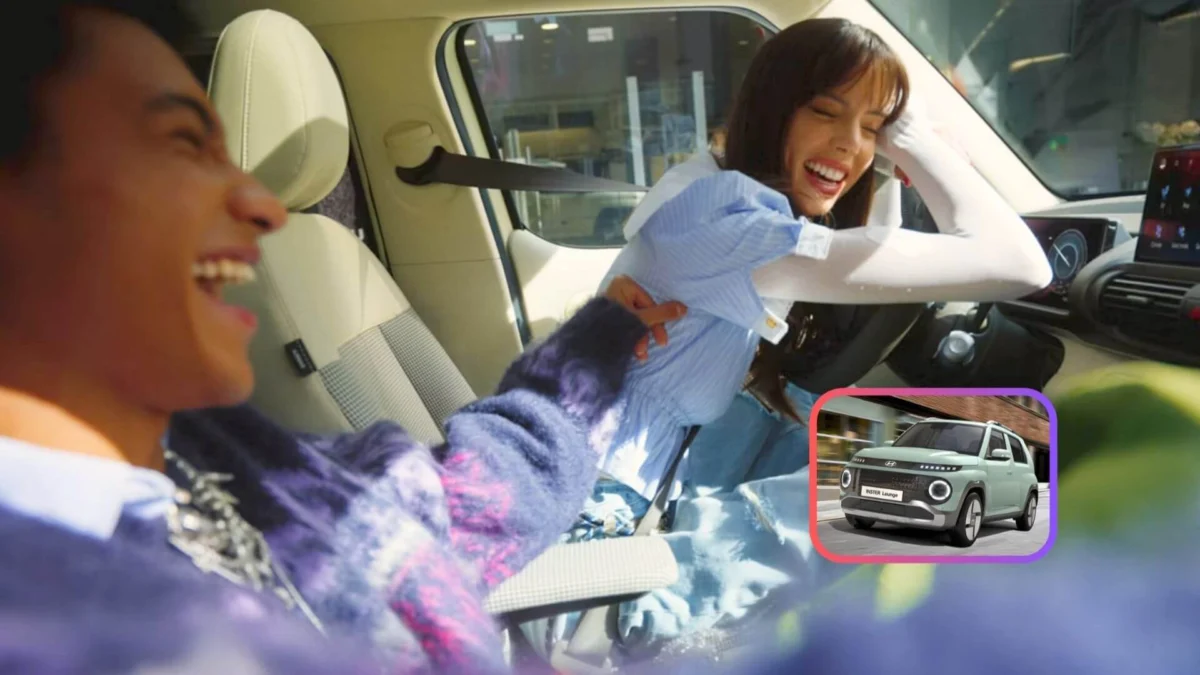
The automotive industry is witnessing a significant paradigm shift in the sub-compact segment, as evidenced by the official introduction of the Hyundai INSTER Lounge, a vehicle designed to redefine the relationship between urban dwellers and their personal transport. Far from being a mere utilitarian tool for navigating congested city centers, the INSTER Lounge leverages the unique advantages of electric vehicle (EV) architecture to transform its interior into a versatile, high-end living space. This strategic move by Hyundai reflects a broader trend where "luxury" is no longer defined by external dimensions or high-displacement engines, but by interior flexibility, material quality, and the seamless integration of technology. By prioritizing the "lounge" experience, Hyundai is targeting a demographic that views the car as a sanctuary—a place to decompress between meetings, wait for appointments in comfort, or escape the sensory overload of modern metropolitan life.

The Strategic Shift Toward Premium Urban Mobility
For decades, the A-segment, or city car category, was defined by compromise. Manufacturers typically focused on minimizing costs, which often resulted in cramped interiors, lackluster materials, and minimal technological features. However, the transition to electrification has disrupted this long-standing hierarchy. The removal of the internal combustion engine, transmission tunnel, and fuel tank has allowed engineers to reclaim significant volume within the vehicle’s footprint.
The Hyundai INSTER Lounge represents the pinnacle of this architectural liberation. Built upon a dedicated, albeit compact, EV foundation, the vehicle places its battery pack entirely beneath the floor. This results in a flat interior surface that facilitates a level of modularity previously reserved for large SUVs or luxury vans. The "Lounge" designation is not merely a marketing term; it is a functional description of a cabin where every seat, including the driver’s, can be folded flat to create a continuous lounging or storage area. This focus on "spatial luxury" addresses a critical need for urban professionals who require their vehicles to serve multiple roles throughout a single day.

Technical Specifications and Performance Data
Underpinning the aesthetic and functional upgrades of the Lounge trim is a robust electrical system designed for the rigors of both city driving and occasional regional travel. The INSTER Lounge is equipped with a battery system that provides up to 360 kilometers of range under the Worldwide Harmonized Light Vehicles Test Procedure (WLTP). While final specifications can vary by region, this range typically places the INSTER at the top of its class, outperforming many competitors that struggle to exceed the 250-kilometer mark.
Charging infrastructure compatibility remains a cornerstone of the INSTER’s value proposition. The vehicle supports DC fast charging, enabling the battery to go from 10% to 80% capacity in approximately 30 minutes under optimal conditions. This capability is essential for urban users who may not have access to dedicated home charging stations and rely on public "hub" charging during short breaks. Furthermore, the inclusion of Vehicle-to-Load (V2L) technology allows the car to act as a mobile power bank, providing 110V/230V power to external devices such as laptops, coffee machines, or electric bicycles, further reinforcing the "mobile refuge" concept.

Interior Architecture: The New Urban Sanctuary
The cabin of the INSTER Lounge is where Hyundai has focused its most intensive refinement efforts. The choice of materials marks a departure from the hard plastics traditionally found in small cars. The Lounge trim introduces a sophisticated blend of sustainable fabrics and high-quality synthetic leather, accented by chrome detailing that provides a visual link to Hyundai’s larger, more expensive IONIQ models.
The digital experience is centered around a dual-screen configuration, featuring two 10.25-inch displays. The first serves as a highly customizable instrument cluster, providing critical telemetry and navigation data directly in the driver’s line of sight. The second is a central infotainment touchscreen that manages climate control, media, and vehicle settings. This "digital cockpit" is designed to be intuitive rather than overwhelming, utilizing a clean user interface that minimizes driver distraction while maximizing connectivity through wireless smartphone integration and advanced voice recognition.

Modularity remains the standout feature of the Lounge interior. The second-row seats are not only reclinable but also slide fore and aft to prioritize either passenger legroom or cargo capacity. When the front seats are folded flat, the interior can be configured as a relaxation space, a mobile office, or a long-item transporter. This flexibility ensures that the vehicle can adapt to the unpredictable nature of urban life, from grocery runs to spontaneous weekend getaways.
Chronology of Development and Market Context
The journey of the INSTER began with the Hyundai Casper, a popular internal combustion engine (ICE) micro-SUV initially launched in the South Korean market. Recognizing the global demand for sustainable urban transport, Hyundai engineers embarked on a comprehensive re-engineering project to electrify the platform. This involved not only swapping the drivetrain but also lengthening the wheelbase and width to accommodate the battery and improve highway stability.

In mid-2024, Hyundai officially unveiled the INSTER (known as the Casper Electric in some markets) as a global model. The subsequent introduction of the Lounge trim represents the second phase of the model’s rollout, aimed at capturing the "premium-compact" market. This timeline reflects Hyundai’s broader "Progress for Humanity" vision, which aims to achieve carbon neutrality by 2045. By offering a high-spec, small-footprint EV, the company is addressing the "missing middle" in the electric market—vehicles that are more capable than basic city cars but more maneuverable and affordable than mid-sized electric SUVs.
Exterior Design and Aesthetic Identity
While the interior is the primary focus of the Lounge edition, the exterior receives several distinguishing features that signal its premium status. The design language is characterized by "pixelated" lighting signatures—a hallmark of Hyundai’s electric identity—which appear in both the LED daytime running lights and the taillights. This retro-futuristic aesthetic is complemented by specific 17-inch alloy wheels that are exclusive to the higher trims.

The color palette for the INSTER Lounge includes a new signature hue: Glow Mint. This matte-finish option is designed to emphasize the vehicle’s clean lines and modern silhouette. Functional exterior elements, such as silver side moldings and integrated roof rails, add a touch of ruggedness to the design, suggesting that while the car is optimized for the city, it is robust enough for light adventure.
Safety and Driver Assistance Systems
Hyundai has equipped the INSTER Lounge with a suite of Advanced Driver Assistance Systems (ADAS) that were once the exclusive domain of luxury sedans. The "SmartSense" package includes:

- Forward Collision-Avoidance Assist (FCA): Capable of detecting pedestrians and cyclists.
- Lane Keeping Assist (LKA) and Lane Following Assist (LFA): Ensuring the vehicle remains centered during highway cruises.
- Blind-Spot Collision-Avoidance Assist (BCA): Providing active intervention if a lane change is attempted while another vehicle is in the blind spot.
- Smart Cruise Control (SCC) with Stop & Go: Essential for reducing driver fatigue during heavy stop-and-go urban traffic.
The inclusion of these systems is a critical component of Hyundai’s strategy to prove that small cars can be just as safe as their larger counterparts. For the urban consumer, these features provide a layer of psychological comfort that is as important as the physical comfort of the seats.
Broader Impact and Industry Implications
The launch of the Hyundai INSTER Lounge is likely to trigger a response from competitors in the European and Asian markets. As cities increasingly implement "Low Emission Zones" and "Zero Emission Zones," the demand for high-quality, small EVs is expected to surge. Analysts suggest that the INSTER Lounge positions Hyundai to compete directly with the likes of the Fiat 500e, the Renault Twingo E-Tech, and even entry-level versions of the MINI Cooper SE.

Furthermore, the INSTER Lounge serves as a case study in how manufacturers can maintain profitability in the small-car segment. By moving "upmarket" with the Lounge trim, Hyundai can command a higher price point that offsets the significant costs associated with battery production. If successful, this model could encourage other manufacturers to stop abandoning the A-segment and instead reinvent it through the lens of premium electrification.
Conclusion: The Future of the Urban Cabin
The Hyundai INSTER Lounge is a testament to the fact that the future of the automobile is being decided from the inside out. As autonomous driving technologies continue to advance, the role of the car as a "driving machine" will continue to diminish, while its role as a "living space" will grow. By focusing on the "Lounge" concept today, Hyundai is preparing for a future where the vehicle is an extension of the home or office.

For the modern urbanite, the INSTER Lounge offers a compelling proposition: a vehicle that is small enough to park anywhere, efficient enough to drive every day, and comfortable enough to serve as a personal retreat. It is a sophisticated response to the complexities of 21st-century urbanization, proving that in the world of electric mobility, the most significant innovations often come in the smallest packages. As the first units begin to reach global markets, the industry will be watching closely to see if this "lounge-on-wheels" philosophy becomes the new standard for the urban elite.

0 Comments