
 Jia Lissa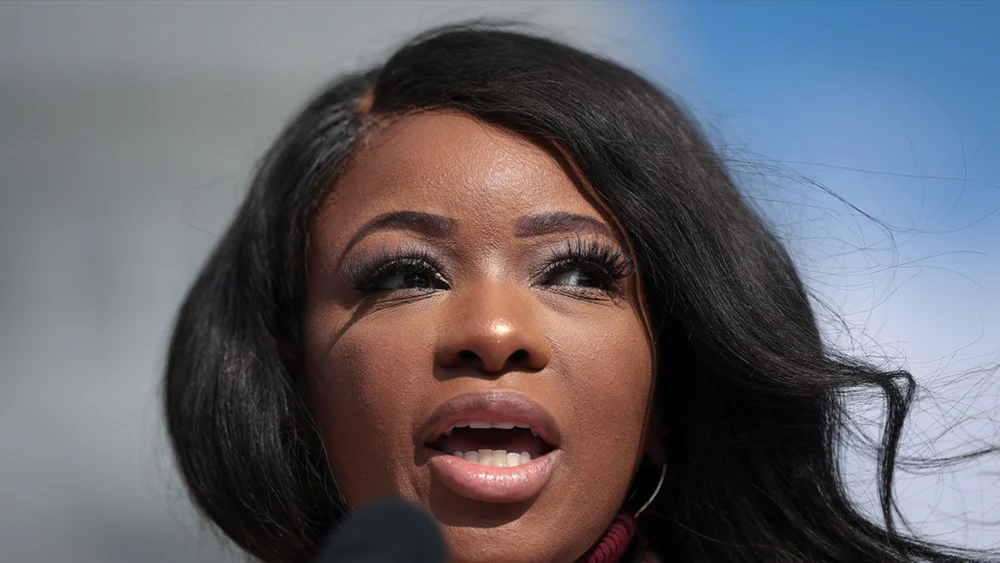
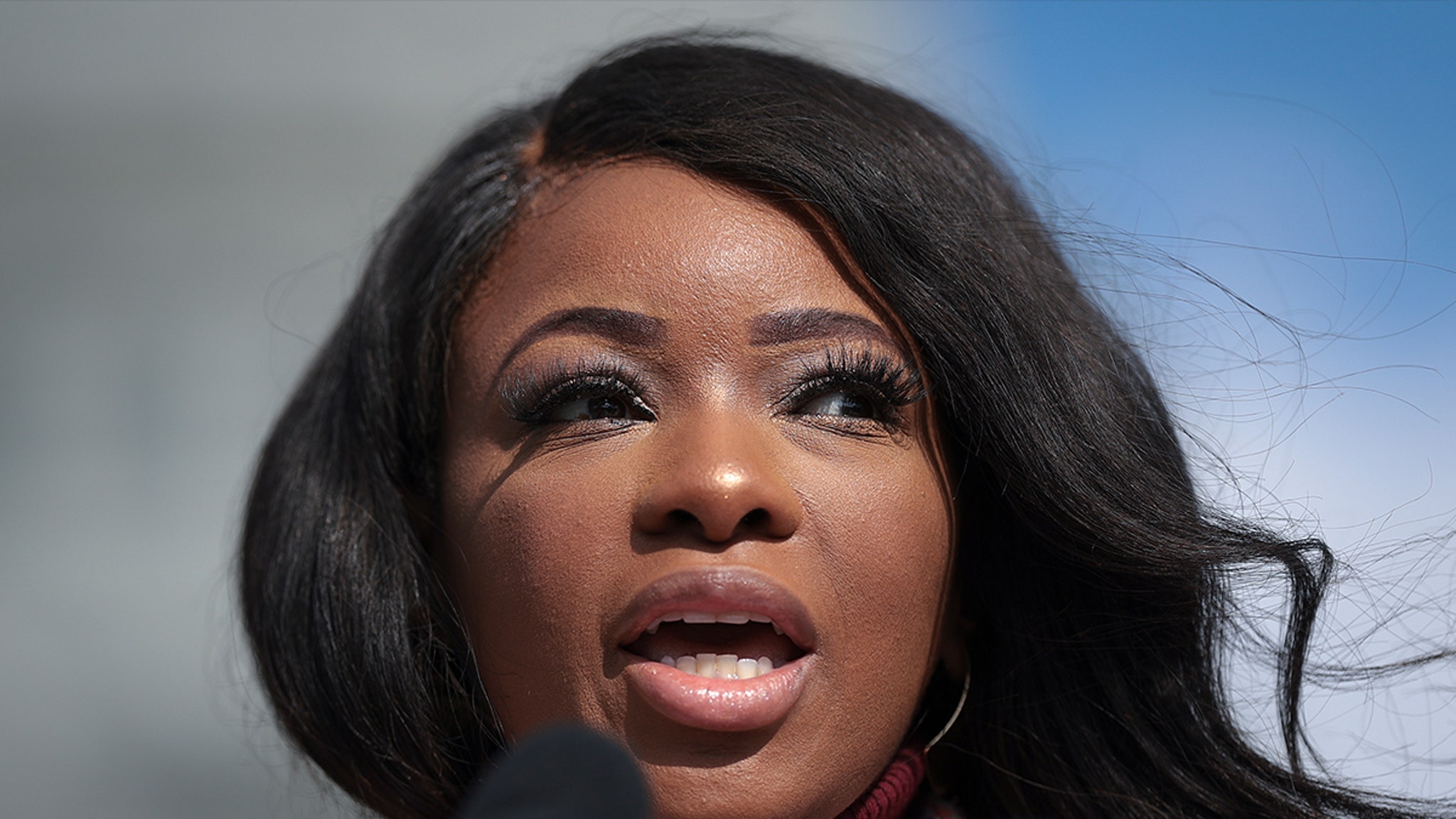
The security detail of Congresswoman Jasmine Crockett was thrust into national headlines on March 14, 2026, following the fatal shooting of one of her alleged security personnel, Mike King, by Dallas police during a dramatic standoff. The incident, which unfolded in a Dallas hospital parking garage on Wednesday night, March 12, 2026, has raised serious questions regarding the vetting processes for political security details, the activities of private security contractors, and the broader implications for public safety and political campaigns. The tragic confrontation culminated in King, who was reportedly wanted for impersonating law enforcement, being shot by SWAT officers after barricading himself in a vehicle and allegedly pulling a weapon.
The Fatal Standoff Unfolds in Dallas
The events leading to Mike King’s death began on Wednesday night, March 12, 2026, when Dallas law enforcement initiated pursuit of King. The pursuit concluded at a hospital parking garage in Dallas, where King reportedly sought refuge. Eyewitness accounts and preliminary police reports indicate that King, upon entering the multi-level structure, barricaded himself inside a vehicle, prompting a swift and robust response from the Dallas Police Department, including the deployment of a SWAT team.
For several hours, officers attempted to negotiate with King, but their efforts proved unsuccessful. The situation escalated when SWAT officers deployed tear gas into the vehicle in an attempt to compel King to surrender. According to official reports released subsequently, King then exited the vehicle. At this critical juncture, he allegedly brandished a firearm, prompting officers to open fire. King sustained multiple gunshot wounds and was pronounced dead at the scene by medical personnel. The Dallas Police Department has since initiated a comprehensive investigation into the officer-involved shooting, a standard procedure for all such incidents, to determine the full circumstances surrounding the use of deadly force. Body camera footage and other evidence are expected to be reviewed as part of this ongoing inquiry.
The Deceased’s Alleged Background and Controversial Activities
The identity of the deceased, Mike King, quickly drew national attention due to his purported association with Congresswoman Jasmine Crockett. Initial reports from CBS News, citing law enforcement sources, revealed that King was not only a member of Crockett’s congressional security detail but was also under investigation for serious allegations, specifically the impersonation of a law enforcement officer.
Further details emerging from the investigation suggest that King was allegedly operating an online platform called "Off Duty Police Services." This platform ostensibly facilitated connecting off-duty North Texas police officers with individuals or entities seeking private security gigs. However, law enforcement sources indicate that King’s involvement extended beyond legitimate coordination. He was reportedly using this venture as a cover for his alleged impersonation activities, creating a facade of official authority that he did not possess. The full extent of his alleged fraudulent activities, including how many individuals or organizations may have been misled, remains a key focus of the ongoing police investigation.
Compounding the gravity of the allegations, sources revealed that King was observed driving an imitation undercover police vehicle. This vehicle, reportedly modified to resemble an unmarked police cruiser, was allegedly fitted with license plates that King had illicitly obtained from cars parked outside a military recruiting office. Such actions would constitute multiple felony offenses, including theft, tampering with government documents (license plates), and felony impersonation, significantly deepening the legal quagmire surrounding his activities. The use of such a vehicle and stolen plates would have facilitated his ability to appear as legitimate law enforcement, potentially enabling him to carry out various illicit activities under the guise of authority.
Ties to Congresswoman Jasmine Crockett’s Campaign
The connection between Mike King and Congresswoman Jasmine Crockett has become a central point of scrutiny. Images obtained and verified by CBS News depict King in close proximity to the congresswoman at various public events. These photographs show him actively guarding Crockett and traveling with her during her recent campaign for a U.S. Senate seat in Texas. Crockett ultimately lost the Democratic primary to James Talarico, but during her campaign, King was evidently a visible and consistent presence within her security retinue.
Further corroborating the professional relationship, CBS News reviewed documents that indicate a Mike King received payments for "security services" from Congresswoman Crockett in 2025. This financial record confirms a direct contractual relationship, raising critical questions about the vetting processes employed by the congresswoman’s campaign and office for individuals entrusted with her personal safety and public image. Typically, individuals providing security for federal elected officials, particularly those without an official federal security detail (like the Secret Service, which protects the President and certain high-level officials), are subject to rigorous background checks. The alleged criminal activities of King suggest a significant lapse in such a vetting process, or a deliberate concealment of his unlawful actions.
Implications for Congressional Security and Public Trust
This incident casts a long shadow over the protocols and practices governing the security of elected officials. Members of Congress, especially those with high public profiles or representing contentious districts, frequently rely on a mix of official security details (if provided by federal agencies) and private contractors. The case of Mike King highlights a potential vulnerability within this system: the reliance on private individuals whose backgrounds may not be thoroughly scrutinized.

The implications are multifaceted:
- Vetting Procedures: The primary concern revolves around the robustness of background checks for private security contractors hired by political campaigns or individual politicians. Standard security industry practices mandate comprehensive criminal background checks, employment history verification, and personal references. If King’s alleged history of impersonation and theft was discoverable, it raises questions about whether these checks were conducted, or if they were insufficient.
- Public Trust: The revelation that an individual acting as security for a U.S. Congresswoman was allegedly impersonating a police officer erodes public trust not only in private security firms but potentially in the political figures who employ them. It creates an impression of lax oversight and a disregard for public safety.
- Safety of Public Figures: The incident underscores the inherent risks associated with public service. While the primary victim in this shooting was King, the potential for an individual with a deceptive background to gain close access to a federal official poses a serious security threat to the official, their staff, and the public attending events.
- Regulation of Private Security: This event may prompt a closer look at state and federal regulations concerning private security services, particularly those contracting with political entities. There could be calls for stricter licensing requirements, mandatory federal background checks for security personnel involved in protecting elected officials, and clearer guidelines on what constitutes "official" vs. "private" security presence.
- Campaign Finance and Ethics: The payment records for King’s services will likely be scrutinized by campaign finance watchdogs. While legitimate security expenses are permissible, any association with illegal activity could lead to ethical investigations into the campaign’s operational oversight.
Official Reactions and Investigations
Following the tragic events, various official bodies are expected to initiate or continue investigations.
- Dallas Police Department: The DPD is conducting a full internal investigation into the officer-involved shooting. This will include reviewing all evidence, interviewing officers involved, and ensuring compliance with departmental policies and state laws regarding the use of force. The investigation will also delve deeper into King’s alleged criminal activities, attempting to ascertain the full scope of his impersonation and theft.
- Congresswoman Jasmine Crockett’s Office: While no official statement has been released at the time of this report, it is anticipated that Congresswoman Crockett or her representatives will issue a statement expressing condolences for the loss of life, affirming cooperation with law enforcement, and likely distancing her office from King’s alleged illicit activities. Her office may also initiate an internal review of its hiring and vetting practices for all staff and contractors. The political ramifications for Crockett, a prominent figure, are undeniable, potentially forcing her to address public concerns about her campaign’s judgment.
- Federal Authorities: Given the involvement of an individual providing security for a U.S. Congresswoman, federal agencies such as the FBI or the U.S. Capitol Police might initiate parallel investigations to assess any federal crimes committed by King, or to review the broader implications for congressional security protocols nationwide. The impersonation of a law enforcement officer can, under certain circumstances, be a federal offense.
- CBS News: As the primary source breaking many of the details, CBS News will likely continue its investigative reporting, seeking further documents, interviews, and insights into King’s operations and his ties to political figures.
Broader Societal Impact
The death of Mike King and the subsequent revelations serve as a stark reminder of the complexities inherent in security provisions for public figures and the challenges law enforcement faces in confronting individuals engaged in deception. The rise of online platforms, while often facilitating legitimate services, also presents new avenues for individuals to operate outside legal boundaries, making vetting and oversight more crucial than ever.
The incident highlights a growing concern in a politically charged environment where security for elected officials is paramount. It prompts a necessary reevaluation of how private security contractors are engaged, vetted, and monitored, particularly when they operate in proximity to those who represent the public interest. The outcome of the various investigations will undoubtedly shape future policies and practices, aiming to prevent such a dangerous confluence of alleged criminal behavior and political proximity from recurring. As Dallas authorities continue their inquiry, the broader political and security landscapes will be watching closely for answers and reforms.

 Eva Lovia
 Julia Chirkova
 Julia Prastini
 Nila Kartika Wati
 Lina Irawan