

For over a decade, millions worldwide watched Jim Parsons masterfully embody the eccentric genius Sheldon Cooper on The Big Bang Theory, a role that brought him unparalleled fame, critical acclaim, and numerous awards. Yet, behind the glittering façade of success, the actor now discloses that he endured relentless pressure, profoundly impacting his emotional well-being.
The Unveiling of a Hidden Struggle: Jim Parsons Breaks Silence
The esteemed American actor Jim Parsons, globally recognized for his iconic portrayal of Dr. Sheldon Cooper in the critically acclaimed and highly successful television series The Big Bang Theory, has recently articulated, with unprecedented depth, the profound emotional toll that period exacted on his mental health. His candid revelation offers a striking counter-narrative to the public perception of his celebrated career.
During a revealing interview on the program All Out con Jon Dean, which aired on July 13, Parsons, a recipient of four Emmy Awards, elaborated on how he navigated a career zenith simultaneously with a phase characterized by extreme stress, debilitating anxiety, and a persistent sense of unhappiness. This dichotomy between professional triumph and personal anguish paints a complex picture of life in the spotlight. "Al mirar atrás, me doy cuenta de que, en muchos sentidos, incluso en algunos de los mejores momentos de mi vida, fui miserable," Parsons confessed, reflecting on the relentless years of continuous work. His statements resonated widely, particularly among the vast fanbase and industry observers who had, for over a decade, viewed him as one of American television’s most triumphant figures.
The Phenomenal Rise of The Big Bang Theory
The Big Bang Theory premiered in September 2007 on CBS, quickly evolving from a quirky sitcom about socially awkward scientists into a global cultural phenomenon. Co-created by Chuck Lorre and Bill Prady, the series centered on a group of brilliant but socially inept physicists and their aspiring actress neighbor. Parsons’ character, Sheldon Cooper, with his idiosyncratic mannerisms, catchphrases, and rigid adherence to logic, swiftly became the show’s breakout star and a pop culture icon.
The series consistently ranked among the most-watched television programs, particularly during its peak seasons. By 2013-2014, The Big Bang Theory was drawing an average of over 20 million viewers per episode, making it the most-watched comedy in the United States. Its success extended beyond ratings, garnering critical praise and a plethora of awards. Parsons, in particular, received immense recognition, winning four Primetime Emmy Awards for Outstanding Lead Actor in a Comedy Series (in 2010, 2011, 2013, and 2014) and a Golden Globe Award for Best Actor – Television Series Musical or Comedy in 2011. The show’s syndication deals were reportedly worth billions, and its spin-off, Young Sheldon, further cemented its legacy. This level of sustained success and cultural penetration placed immense pressure on its lead actors, especially the one at the heart of its unique appeal.
Perfectionism as a Pervasive Burden
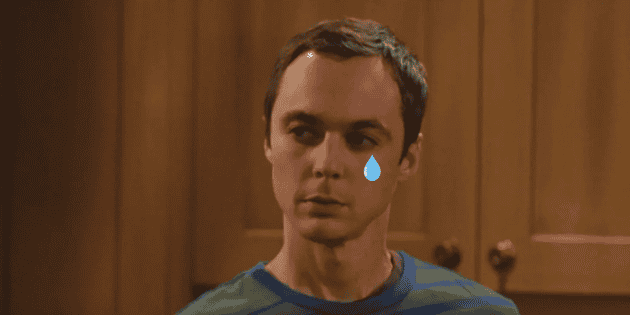
Parsons elucidated that a significant portion of his struggle stemmed from his interpretation of professional success. He candidly recounted his conviction that he needed to maintain a state of constant activity, fearing that any period of repose could jeopardize his burgeoning career. This relentless self-exacting standard transmuted into an exhausting daily routine. "Sentía que tenía que estar haciendo demasiadas cosas a la vez," he remarked during the conversation, highlighting the overwhelming sensation of being perpetually obligated.
He elaborated on his tendency to perpetually construct mental checklists of tasks and responsibilities, a habit that paradoxically hindered his capacity to savor the considerable achievements he was accumulating both on and off the set. Over the years, Parsons recognized that this stringent discipline, initially perceived as a core strength, ultimately compromised his overall quality of life. The internal monologue of "I must do more, I must be perfect" became an inescapable echo.
The Unbearable Weight of Self-Imposed Pressure
A particularly poignant moment in the interview arrived as Parsons reflected on his work ethic during the apex of the CBS-produced series. He characterized that period as one defined by obsessive and perfectionistic behavior, leading to consistently elevated levels of anxiety. Parsons went as far as to assert that, given the choice, he would unequivocally decline to repeat such an experience. "No lo volvería a hacer, ni por todo el dinero del mundo… Yo mismo me hice la vida imposible," he stated emphatically, underscoring the severity of his past emotional state.
The actor further acknowledged that for a considerable duration, he genuinely believed his continued success was inextricably linked to maintaining this extreme pace of work. However, with the benefit of hindsight and personal growth, he now views that mindset as having been emotionally detrimental. The constant demand to deliver a flawless performance, to consistently meet the astronomical expectations of a global audience for a character as intricate and beloved as Sheldon Cooper, proved to be an overwhelming psychological burden. The character’s meticulousness and intellectual rigor, which Parsons so brilliantly brought to life, seemed to parallel, and perhaps exacerbate, his own self-imposed standards.
The Confluence of Success and Sacrifice
The role of Sheldon Cooper undeniably transformed Jim Parsons into one of the most recognizable and acclaimed figures in international television. Across 12 seasons, he shared the screen with a talented ensemble including Johnny Galecki, Kaley Cuoco, Simon Helberg, Kunal Nayyar, Melissa Rauch, and Mayim Bialik, collectively cementing The Big Bang Theory‘s status as one of history’s most successful sitcoms.
This iconic portrayal earned him four Primetime Emmy Awards, a Golden Globe, and numerous other industry accolades, underscoring his unparalleled success. However, Parsons articulated that this immense professional recognition came at a significant personal cost, a price he was unable to fully discern or address at the time. He described how a substantial portion of his energy was singularly channeled into fulfilling external expectations and upholding the exacting standard of excellence that the public had come to anticipate from his character. The lines between his personal identity and Sheldon’s meticulous persona became increasingly blurred under the relentless gaze of public and professional scrutiny.
A New Equilibrium Post-The Big Bang Theory
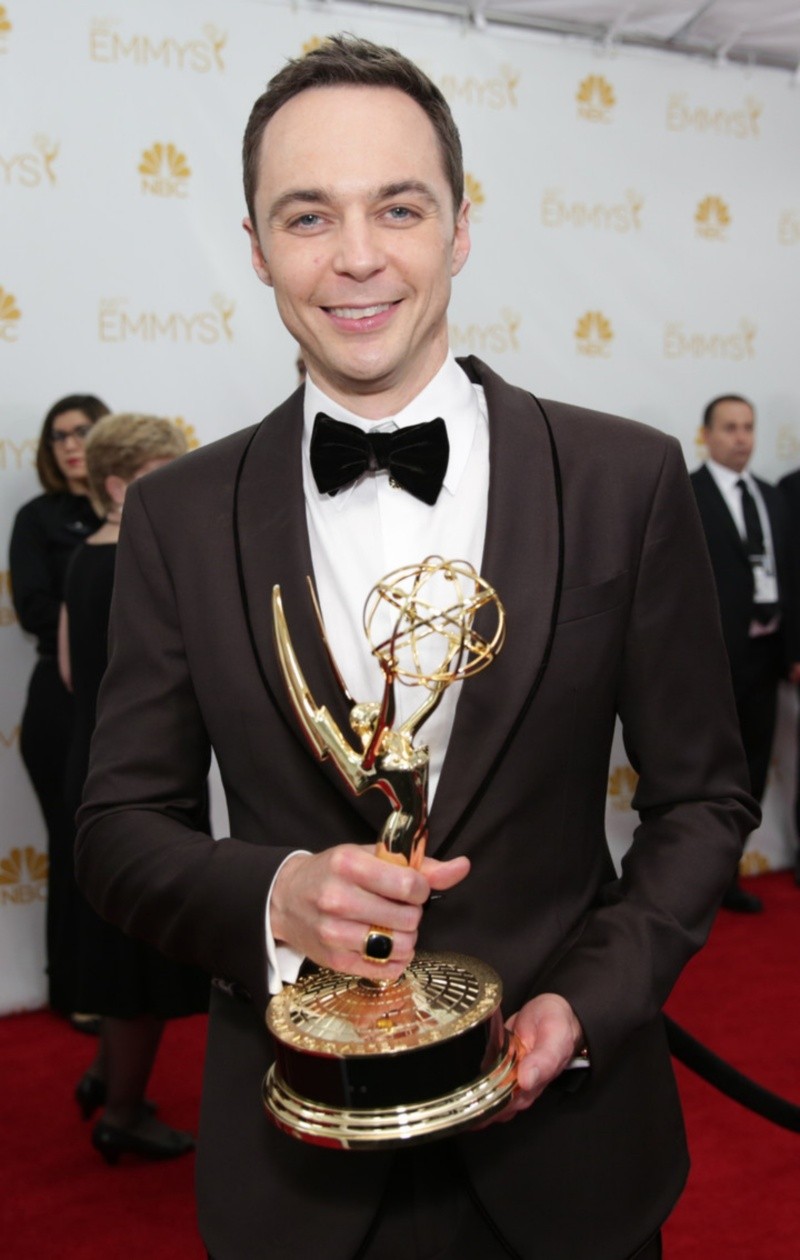
The curtains officially closed on The Big Bang Theory in May 2019, marking the conclusion of one of American television’s most enduring and prosperous productions. Following his departure from the character that indelibly shaped his career, Parsons made a conscious and deliberate decision to fundamentally alter his approach to professional life.
Since the series finale, he has diversified his portfolio, participating in acclaimed projects such as the film Hidden Figures (2016), the television film The Normal Heart (2014), and continuing his involvement with the spin-off series Young Sheldon, where he serves as both narrator and executive producer. These roles represent a strategic shift towards projects that offer creative fulfillment without the exhaustive demands of a long-running network sitcom. Parsons articulated that his current objective is to cultivate and maintain a sustainable equilibrium between his professional endeavors and his personal life, consciously prioritizing his emotional well-being above the pursuit of further professional accolades.
His profound reflections serve as a poignant reminder of the often-unseen pressures faced by many figures within the Hollywood ecosystem, particularly those who lead hugely successful international franchises. The sheer scale of production, the relentless promotional cycles, and the constant public scrutiny can create an environment ripe for burnout and mental health challenges.
Beyond the Accolades: A Critical Dialogue on Mental Health
Jim Parsons’ candid declarations have effectively ignited a vital conversation regarding the profound impact that extreme perfectionism can exert across various professions, not exclusively within the entertainment industry. While his specific experiences unfolded within the high-stakes environment of Hollywood, the actor posits that countless individuals can empathize with the pervasive societal imperative to constantly produce more, work harder, and relentlessly pursue ever-higher standards.
His testimony serves as a stark illustration that professional acclaim and outward success do not invariably equate to emotional well-being. It underscores the complex reality that even behind some of the most celebrated public achievements, intricate and challenging personal processes may be unfolding, often concealed from public view.
For over a decade, Jim Parsons was the globally recognized face of one of television’s most beloved characters. However, his recent disclosures reveal that the zenith of professional triumph can often be accompanied by significant emotional challenges that remain largely invisible to the public. Far from merely recounting a personal anecdote, Parsons leveraged his interview to provoke a broader reflection on the indispensable importance of forging a harmonious balance between professional obligations and private life. His narrative serves as a powerful reminder that awards, fame, and public recognition are not always accurate indicators of the realities behind the cameras, and that the diligent cultivation of emotional health is, in itself, an integral component of genuine success. His willingness to share such a vulnerable aspect of his journey contributes meaningfully to the ongoing, crucial dialogue surrounding mental health awareness in demanding professions and within society at large.

0 Comments