
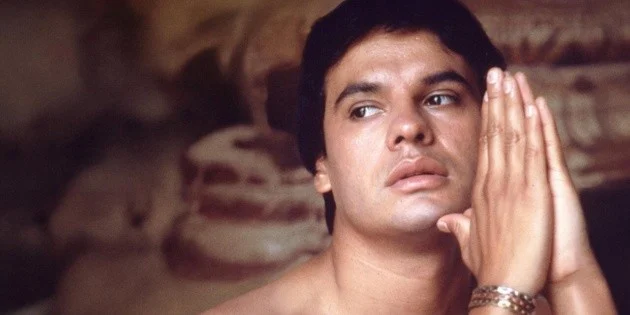
The musical landscape of Mexico and beyond continues to reverberate with the indelible legacy of Juan Gabriel, even a decade after his physical departure. Alberto Aguilera Valadez, known universally as El Divo de Juárez, passed away on August 28, 2016, yet his absence has proven to be merely corporeal. His vast musical oeuvre, a tapestry woven with themes of love, heartbreak, joy, and resilience, has not only maintained his fervent existing fanbase but has also captivated new generations of listeners worldwide. This enduring relevance is powerfully underscored by recent cultural phenomena, particularly the critically acclaimed documentary "Juan Gabriel: Debo, puedo y quiero" (Juan Gabriel: I Owe, I Can, and I Want), which has offered an unprecedented, intimate exploration into the life of the iconic artist.
The Enduring Legacy of El Divo de Juárez
Juan Gabriel’s trajectory from humble beginnings in Parácuaro, Michoacán, to becoming one of Latin America’s most revered entertainers is a testament to his unparalleled talent and indomitable spirit. Born Alberto Aguilera Valadez in 1950, he overcame significant personal hardships, including a childhood spent in an orphanage, to emerge as a prolific songwriter, dynamic performer, and cultural phenomenon. His distinctive voice, flamboyant stage presence, and profoundly emotional lyrics resonated deeply with millions. Over his more than 45-year career, he composed an estimated 1,800 songs, many of which became anthems across various genres, including mariachi, ranchera, ballad, pop, and bolero. His compositions were not only hits for himself but also for hundreds of other artists, solidifying his status as a legendary hitmaker. Estimates suggest his album sales exceeded 100 million copies globally, making him one of the best-selling Latin artists of all time. He garnered numerous awards and accolades, including multiple Latin Grammys, Billboard Latin Music Awards, and a star on the Hollywood Walk of Fame. His concerts were legendary for their length, emotional intensity, and connection with the audience, often lasting for hours as he engaged in heartfelt banter and impromptu performances. His ability to transcend socioeconomic boundaries and connect with people from all walks of life cemented his place as a beloved figure, a symbol of perseverance and the power of artistic expression.
"Debo, puedo y quiero": An Unprecedented Glimpse into the Private World
The documentary "Juan Gabriel: Debo, puedo y quiero" stands as a pivotal piece in understanding the multifaceted life of Alberto Aguilera Valadez. Launched on Netflix in October 2025, anticipating the 10th anniversary of his passing in August 2026, the series quickly ascended to become the most-watched series in Mexico on the streaming platform, a testament to the artist’s enduring appeal. What sets this production apart is its unparalleled access to Juan Gabriel’s personal archives. For the first time, audiences are invited into a deeply private world, composed of hundreds of videos in various formats and audio recordings on cassettes. This vast collection, meticulously compiled by El Divo de Juárez himself, spans from the 1970s until his death in 2016, revealing his lifelong habit of documenting his daily life, a camera often by his side.
The title "Debo, puedo y quiero" itself offers a profound insight into the artist’s philosophy and struggles. "Debo" (I Owe) might allude to his sense of responsibility towards his family, his audience, or perhaps even the debts of his past. "Puedo" (I Can) speaks to his unwavering determination and belief in his own capabilities to overcome adversity and achieve his dreams. "Quiero" (I Want) encapsulates his desires, his passions, and his artistic aspirations that drove him throughout his life. This introspective title sets the stage for a documentary that promises to delve beyond the public persona, offering a nuanced portrait of the man behind the music.
María José Cuevas: Crafting the Narrative from Raw Footage
Bringing this extensive and intimate material to life was the formidable task of director María José Cuevas. Renowned for her masterful work in documentary filmmaking, Cuevas has a proven track record of extracting compelling narratives from complex subjects. Her previous acclaimed projects, such as "Bellas de noche" (2016), which explored the lives of iconic showgirls from Mexico’s golden age, and "La Dama del Silencio: El caso Mataviejitas" (2023), a gripping examination of a notorious serial killer, demonstrate her unique ability to blend investigative rigor with profound human storytelling.
For "Juan Gabriel: Debo, puedo y quiero," Cuevas faced the monumental challenge of sifting through decades of unorganized, highly personal footage. Her artistic vision was crucial in giving order and a cohesive visual discourse to this raw, unfiltered material. The documentary allows viewers to witness aspects of Juan Gabriel’s life never before revealed: his interactions with his family, the dynamics with his close friends and collaborators, and crucially, his private facet as a father. These revelations serve to humanize the idol, stripping away layers of public myth to reveal a man of complexities, vulnerabilities, joys, and struggles, much like any other. Cuevas’s direction ensures that the audience gains a deeper understanding of the sacrifices, the immense pressure, and the personal triumphs that shaped one of Mexico’s most iconic figures, offering a rare look at the person Alberto Aguilera Valadez was when the spotlights were off.
Netflix Success and Global Reach
The immediate success of "Juan Gabriel: Debo, puedo y quiero" on Netflix highlights several significant trends in contemporary media and cultural consumption. Its rapid ascent to the top of the viewership charts in Mexico underscores the undiminished cultural significance of Juan Gabriel within his homeland. Furthermore, as a global streaming platform, Netflix provides an unparalleled reach, allowing the documentary to transcend geographical boundaries and introduce Juan Gabriel’s story and music to new international audiences who may not have been familiar with his work previously. This global dissemination is crucial for solidifying his legacy on a worldwide scale, transforming him from a Latin American icon into a globally recognized artistic figure.
The documentary’s performance also signals a growing appetite for biographical content that offers depth and authenticity. In an era dominated by curated public images, the raw, unfiltered access to Juan Gabriel’s personal archives presents a refreshing and compelling counter-narrative. This success not only benefits the artist’s estate but also validates the investment in high-quality, culturally significant documentary filmmaking by streaming giants, encouraging further exploration of pivotal figures in history and culture. The ability of such platforms to re-contextualize and reintroduce legendary artists to digital-native generations ensures their continued relevance and appreciation.
An Unprecedented Free Broadcast: Extending the Homage
In a remarkable gesture designed to make this intimate portrayal accessible to an even broader audience, Televisa-Univisión has announced a limited-time free broadcast of "Juan Gabriel: Debo, puedo y quiero." This initiative is part of a larger tribute coinciding with the tenth anniversary of Juan Gabriel’s passing, demonstrating a commitment to honoring his memory and making his story available to everyone, regardless of their subscription status to streaming services. The decision to air the documentary on a free-to-air channel like Las Estrellas in Mexico is particularly significant. Las Estrellas, a flagship channel for Televisa, commands a vast audience across Mexico and parts of Latin America, ensuring that millions will have the opportunity to watch this critically acclaimed production.
The broadcast schedule is set for two consecutive Saturdays in September 2026, strategically placed shortly after the actual anniversary date of August 28, 2026, extending the period of remembrance and celebration. The first two chapters will air on Saturday, September 12, 2026, followed by the remaining two chapters on Saturday, September 19, 2026, both at 5:00 PM local time. This staggered release allows viewers to fully immerse themselves in the narrative over two weekends.
Following the terrestrial broadcast, the full four episodes of "Juan Gabriel: Debo, puedo y quiero" will become available on the streaming platform ViX, further expanding its reach. From September 20, 2026, the documentary will be accessible for free, for a limited period of one month, to audiences in both Mexico and the United States. This dual-platform strategy—traditional broadcast and a free streaming window—is a powerful move to maximize viewership and ensure that Juan Gabriel’s story touches as many lives as possible. It underscores the cultural importance of the documentary and the artist it celebrates, recognizing that his legacy transcends commercial considerations and warrants widespread public access. This accessibility is particularly impactful for older generations who may primarily rely on traditional television, as well as for those in regions with limited internet access or financial constraints for streaming subscriptions.
The Cultural and Commercial Implications
The release and subsequent free broadcast of "Juan Gabriel: Debo, puedo y quiero" carry significant cultural and commercial implications. Culturally, it reaffirms Juan Gabriel’s timeless appeal and his status as an indispensable figure in Latin American identity. The documentary provides a fresh perspective, solidifying his narrative for future generations and potentially influencing new artists and scholars. It highlights the value of personal archives not just as historical records, but as vibrant sources for contemporary storytelling, offering intimate glimpses that formal biographies often miss.
Commercially, the multi-platform release strategy—starting with a premium Netflix debut, transitioning to free terrestrial television, and then a free window on a separate streaming service—demonstrates an innovative approach to content distribution. This layered release strategy allows for maximum monetization through initial subscription-based viewing while simultaneously fostering goodwill and expanding the audience through free access, ultimately boosting the artist’s brand and intellectual property. It underscores the ongoing economic viability of Juan Gabriel’s extensive catalog, with renewed interest in his music, merchandise, and broader cultural influence likely to follow this widespread exposure. The strategic timing around his decennial anniversary further ensures that the tribute generates maximum impact and engagement.
Beyond the Screen: Juan Gabriel’s Lasting Influence
Beyond the confines of the documentary screen, Juan Gabriel’s influence continues to permeate various facets of popular culture. His songs remain ubiquitous, played at family gatherings, celebrations, and moments of introspection. They serve as a soundtrack to countless lives, expressing universal human emotions with a unique Mexican flair. His impact on other artists is undeniable; countless musicians, from aspiring talents to established stars, cite him as an inspiration and continue to perform his compositions.
The documentary also contributes to the ongoing conversation surrounding his life and complex public persona. Juan Gabriel, with his flamboyant style and candid expressions of emotion, subtly challenged traditional notions of masculinity in Latin America, paving the way for greater acceptance and visibility for LGBTQ+ artists and individuals. While not explicitly a political figure, his very existence as an openly expressive artist in a often-conservative society carried significant social weight. "Juan Gabriel: Debo, puedo y quiero" serves as a definitive account for many, offering clarity and depth to a life lived under intense public scrutiny, further cementing his place as not just a musical legend but a cultural icon whose impact transcended entertainment.
In conclusion, the documentary "Juan Gabriel: Debo, puedo y quiero" is more than just a tribute; it is a vital act of cultural preservation and dissemination. As the world commemorates the tenth anniversary of his passing, this intimate portrayal, accessible through both global streaming and free broadcast channels, ensures that the inimitable spirit and profound artistry of Juan Gabriel will continue to resonate, inspire, and captivate audiences for many decades to come, solidifying his status as a truly timeless legend.

0 Comments