
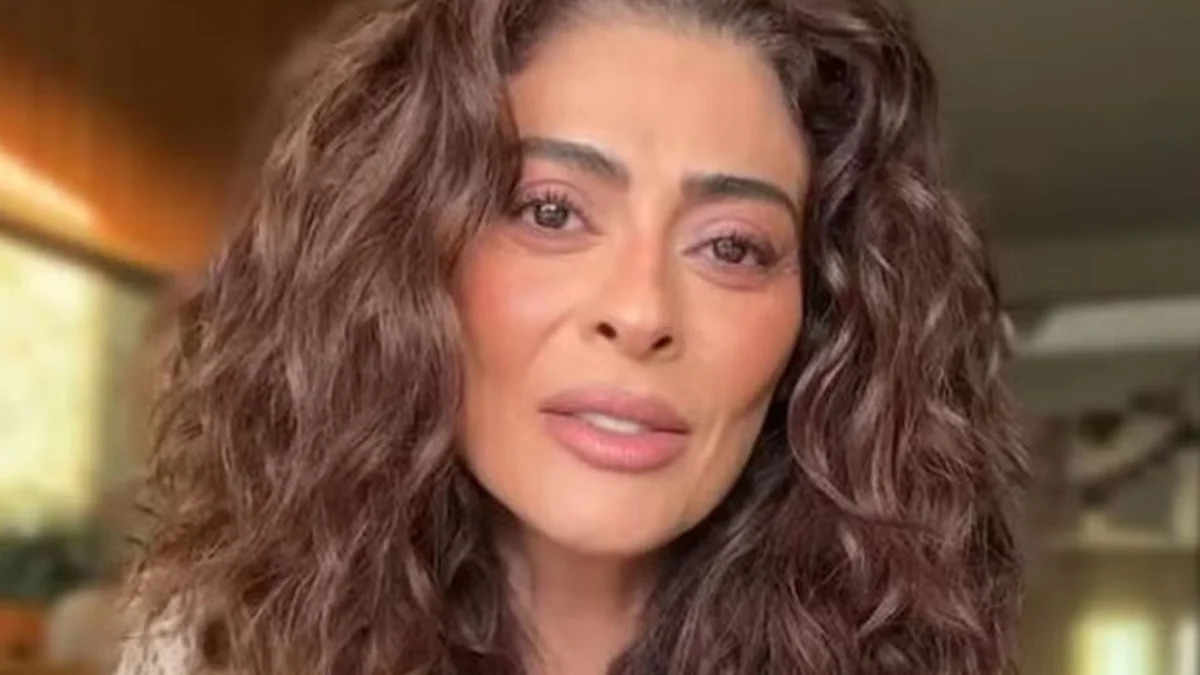
Rio de Janeiro, Brazil – Acclaimed actress Juliana Paes announced on Saturday, March 28, 2020, her decision to step down from her revered position as rainha de bateria (Queen of Drums) for the Unidos do Viradouro samba school. The announcement, made via a heartfelt video shared across her social media platforms, came just weeks after Viradouro, based in Niterói, triumphantly secured the coveted championship title in the Special Group of the Rio de Janeiro Carnival, a victory that marked a significant milestone for the school and its community. Paes expressed deep gratitude and sentimentality for her tenure, particularly highlighting the recent win, but cited an increasing schedule of professional engagements as the primary reason for her departure, emphasizing her commitment to the demanding role and her desire to honor its integrity.
The Pivotal Role of the Rainha de Bateria
In the vibrant spectacle of the Rio Carnival, the rainha de bateria is far more than just a figurehead; she is a crucial symbol of the samba school, embodying its spirit, rhythm, and passion. Positioned at the very front of the bateria (the percussion section), she leads the charge down the Marquês de Sapucaí sambadrome, interacting directly with the drummers and energizing the entire school and its audience. This role demands not only captivating beauty and charisma but also an profound understanding of samba, exceptional stamina, and a deep, authentic connection to the school’s community and its cultural roots. Historically, rainhas were often chosen from within the community, revered women who had dedicated years to their school. In recent decades, however, the role has increasingly been filled by celebrities, bringing heightened media attention and sponsorship opportunities, yet still requiring an undeniable commitment to the school’s traditions and rigorous preparation schedule. The rainha is expected to attend numerous rehearsals throughout the year, participate in community events, and undergo intense physical training to ensure she can endure the demanding parade, which involves hours of dancing and interacting with thousands of revelers. Her costume, often elaborate and intricate, also serves as a visual centerpiece, frequently becoming a topic of widespread discussion and admiration.
Juliana Paes’s Illustrious Journey with Viradouro
Juliana Paes’s connection to Viradouro is deeply rooted and spans several chapters of her life and career. Her initial tenure as rainha de bateria for the Niterói-based school began in the early 2000s, a period that coincided with her ascent to stardom in Brazilian television. She first graced the Viradouro bateria in 2002, captivating audiences with her natural samba prowess and infectious energy. Her presence quickly became synonymous with the school’s identity, and she remained in the position for several years, solidifying her status as one of Carnaval’s most beloved figures. After a break of nearly two decades, during which she focused intensely on her acting career, Paes made a highly anticipated return to the posto for the 2019 Carnival. This return was met with immense enthusiasm from the Viradouro community and the wider Carnaval public, who fondly remembered her previous contributions. Her decision to return was driven by a deep personal connection to the school and a desire to honor the memory of her father, Carlos Henrique Paes, who was a passionate advocate for Carnaval and held a profound appreciation for Viradouro. This familial link added a layer of emotional significance to her second stint, transforming her return into a powerful narrative of homecoming and legacy.
The Unforgettable 2020 Championship: A Dream Fulfilled
The 2020 Carnival season proved to be an extraordinary culmination of Juliana Paes’s second chapter with Viradouro. The school, officially named Grêmio Recreativo Escola de Samba Unidos do Viradouro, presented an awe-inspiring parade with the theme "Viradouro de Alma Lavada" (Viradouro with a Washed Soul), a powerful narrative that paid homage to the Ganhadeiras de Itapuã, a group of resilient black women from Bahia who preserved African culture and traditions through their washing work and samba circles. The school’s performance was lauded by critics and judges alike for its impeccable execution, stunning aesthetics, and profound message. Paes, leading the "Puro Balanço" bateria under the masterful direction of Mestre Ciça, delivered a performance that was both electrifying and deeply emotional. Her dedication, visible in every step and smile, resonated with the school’s vibrant energy.
The victory, announced on Ash Wednesday, marked Viradouro’s third championship title in the Special Group, and their first since 1997, ending a 23-year drought. For Juliana Paes, this triumph was particularly poignant. In her video announcement, she reflected on the magnitude of the win: "This week was my birthday, but I feel like my presents came earlier this year. And one of them was being champion of Carnival together with Viradouro, together with Mestre Ciça. I’m here recording this video to talk a little bit about that." She continued, "It was a dream, I still wake up not believing it. When I remember that we won, after 17 years away from Viradouro, from this red and white hurricane, to come back and win. I swear that, in my prayers, I didn’t ask for so much, but I swear I also thanked a lot, because I felt that the story we told was an honorable story, you know? For Ciça, for my father, whoever followed the whole story knows what I’m talking about. I had never been champion. So it was a beautiful cycle that marked my life." Her words underscored the personal significance of the victory, intertwining her professional achievement with deep familial and communal pride.
The Demands of Stardom and the Weight of the Sash
Juliana Paes’s decision to depart from the rainha de bateria post, while met with understanding, highlights the immense pressures faced by celebrities who undertake such a high-profile role. Her candid explanation revolved around the inability to provide the full dedication she believes the position rightfully demands. "Next year I will continue with Viradouro, but in a different way. No longer occupying the post of rainha de bateria. That’s what I wanted to tell. Anyone who sees me there knows how much I love being there, how much I give myself, how much I adore that bateria, those people, the school, the city, the party," she stated in her video.

She further elaborated on the core of her decision: "And it is because I respect this place so much, this place of rainha de bateria, and of people who give so much all year round, that I cannot continue, because it would not be with the same availability, with the availability that I consider fair, because this year will be a year of many commitments, of many filmings." This statement speaks volumes about the professionalization of the Carnival and the increasing demands on its public figures. For a global celebrity like Paes, whose acting career frequently involves extensive filming schedules, international travel, and promotional tours, the year-round commitment required to truly embody the rainha role becomes an intricate balancing act. A rainha is not merely present for the parade; she is expected to attend weekly rehearsals, participate in fundraising events, engage with the community, and often commit to months of physical preparation. Paes’s decision, therefore, reflects a deep respect for the institution of Carnival and a recognition that anything less than 100% commitment would be a disservice to the Viradouro community and the legacy of the rainha title. It underscores the integrity she brings to all her roles, whether on screen or on the sambadrome.
Chronology of a Dedicated Tenure
- Early 2000s: Juliana Paes begins her first tenure as rainha de bateria for Unidos do Viradouro, becoming a beloved figure for the school.
- Mid-2000s: Paes steps down from the role to focus on her burgeoning acting career, which sees her starring in numerous successful telenovelas and films.
- 2019 Carnival Season: After a nearly two-decade hiatus, Juliana Paes makes a triumphant return to Viradouro as rainha de bateria, reigniting excitement and a sense of nostalgia among fans.
- February 2020: Paes leads the Viradouro bateria with passion and dedication, contributing to the school’s critically acclaimed parade.
- Ash Wednesday, February 26, 2020: Unidos do Viradouro is crowned champion of the Special Group of the Rio de Janeiro Carnival, marking a historic victory for the school and Paes’s first championship title as rainha.
- March 28, 2020: Juliana Paes formally announces her departure from the rainha de bateria position via social media, expressing gratitude and explaining her decision based on professional commitments.
- Post-Announcement: The Viradouro community and the broader Carnaval world begin to contemplate the future of the posto and the potential successor to Paes.
Public and Community Reactions: A Mix of Sadness and Understanding
The news of Juliana Paes’s departure resonated deeply within the Carnaval community and among her vast fan base. The comments section of her announcement video quickly filled with messages reflecting a mix of sadness, understanding, and profound appreciation for her dedication. Many internautas lamented her absence from the avenue, with one user stating, "You will be missed on the avenue. You shine in everything you do!" This sentiment underscored her magnetic presence and the joy she brought to the parade.
Others praised her professionalism and integrity, recognizing the difficulty of her decision. "Knowing when to stop only shows your greatness even more. A beautiful, sensitive, and very dignified decision. We are always here," commented another fan, highlighting the respect for her honesty about her capacity to commit. A third admirer added, "It was beautiful to see your dedication on this journey! So much pride, so much love," encapsulating the positive impact she had during her reign.
While no official statements from the Viradouro board or Mestre Ciça were immediately released concurrent with Paes’s video, it is highly probable that the school’s leadership expressed understanding and immense gratitude for her contributions, particularly for her role in the historic 2020 championship. Samba schools often forge deep bonds with their rainhas, especially those who demonstrate genuine commitment and love for the community. Paes’s explicit mention of Mestre Ciça and her father in her video further cemented the personal nature of her involvement, suggesting that her decision, while professional, was made with careful consideration for those relationships and the school’s best interests. The community’s response largely echoed a sentiment of respect for her choice, acknowledging the demanding nature of her primary career and the integrity she upheld by not compromising the role of rainha.
Broader Implications and the Future of Viradouro
Juliana Paes’s departure leaves a significant void at the front of Viradouro’s bateria, but it also opens a new chapter for the reigning champions. The search for a successor is a critical process for any samba school, especially one holding the coveted Special Group title. Viradouro will face the task of identifying an individual who can not only command the attention of the sambadrome but also embody the school’s spirit and maintain its winning momentum.
The choice of a new rainha often sparks intense public debate, weighing the merits of a well-known celebrity versus a prata da casa (a talent from within the community). While a celebrity rainha can attract significant media attention and sponsorship, a rainha chosen from within the community often brings an unparalleled level of authenticity and deep-rooted connection to the school’s traditions. Viradouro’s history suggests a preference for strong, charismatic figures, whether internal or external, who can genuinely connect with the bateria. The new rainha will inherit a legacy of success and the responsibility of leading one of Carnival’s most celebrated percussion sections.
Furthermore, Paes’s decision reflects a broader trend in the professionalization of Carnival. As samba schools become increasingly sophisticated cultural enterprises, the demands on their public faces grow exponentially. The era of casual participation for rainhas has largely passed; the role now requires a year-round commitment that aligns with the intense preparation schedules of the schools. Her move may encourage a re-evaluation by other celebrity rainhas regarding their capacity to meet these evolving demands. While Juliana Paes will no longer hold the sash, her enduring love for Carnaval and Viradouro suggests she will remain a passionate supporter, perhaps gracing the parade as a regular reveler in future years, continuing her connection to the spectacle that has so profoundly marked her life and career. Her legacy at Viradouro, crowned by a historic championship, remains indelible.

0 Comments